Top 10 Industrial Strength Studs for Global Buyers

Time:2026-11-03 Author:Ethan
0%

Industrial Strength Studs play a critical role in machinery, construction, energy, and heavy equipment. Their job is simple to describe: hold components together under demanding conditions. Choosing the right one is not simple. A stud that performs well in a dry factory may fail in a corrosive, high-vibration, or high-temperature environment.

This guide introduces ten options for global buyers, with attention to material, thread design, strength ratings, coatings, and typical applications. Details matter. A few millimeters of length can affect engagement, while an incompatible thread can damage an assembly. Buyers should compare supplier specifications with engineering drawings and confirm testing or traceability documents where the application requires them. Packaging and consistent labeling also help reduce errors when parts cross borders or move between production sites.

There is no universal winner. Requirements vary. A stainless steel stud may suit a corrosive setting, while a high-strength alloy option may better fit a heavily loaded joint. These examples are starting points, not substitutes for engineering review. Product names and ratings can also differ between markets, so verify the applicable standards and exact specifications before ordering. In practice, even a well-documented selection deserves a second look. The shortlist that follows is designed to help buyers ask sharper questions, compare credible suppliers, and choose studs suited to real operating conditions.
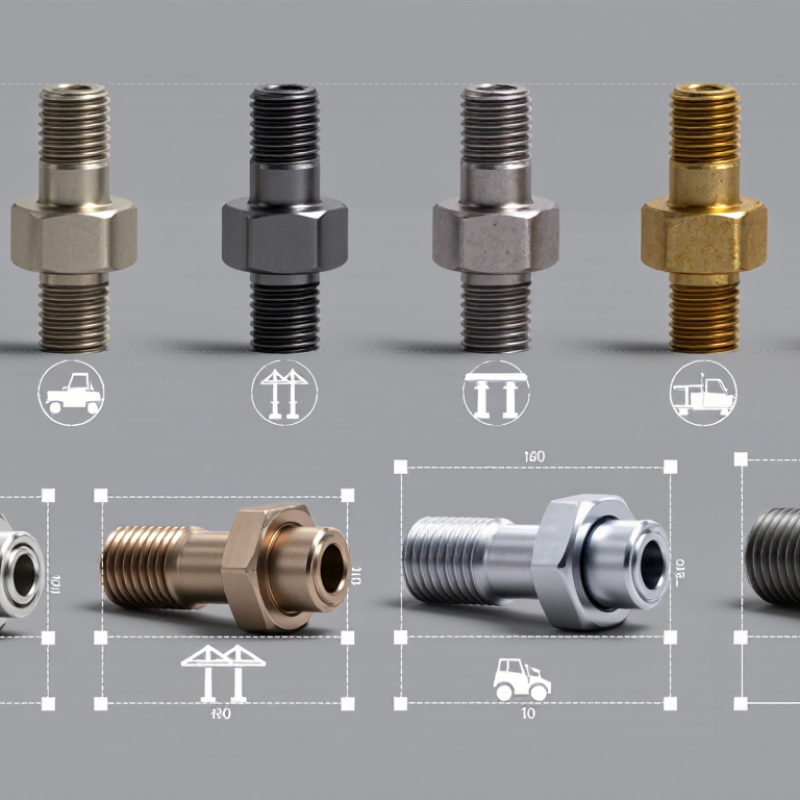
Top 10 Industrial Strength Studs for Global Buyers

What Industrial-Strength Studs Are and How They Work

Industrial-strength studs are headless fasteners with threads at one or both ends, or along their full length. One end may screw into a tapped hole; a nut secures the other. In a typical pump housing, for example, studs let a mechanic remove a cover without repeatedly turning bolts inside cramped spaces. The stud stays in place while the nut comes off. Simple, but not trivial.

When tightened, the nut stretches the stud slightly, creating clamp force that holds joined parts together. This preload helps resist movement under vibration, but the stud’s strength depends on its material, dimensions, thread engagement, and service conditions. “Industrial strength” is not a precise grade by itself. Engineers select a suitable specification for the load, temperature, and exposure to moisture or chemicals. A common field mistake is choosing by diameter alone.

Installation matters just as much. Dirty threads, damaged threads, or inconsistent lubrication can change the clamp force produced by a given torque. Too little engagement may damage the threads; excessive tightening can stretch or break the stud. Use the applicable engineering specification and inspect contact surfaces before assembly. Even careful torque readings have limits, so critical joints may need a defined tightening procedure and follow-up inspection. One detail is easy to miss: the nut and stud must be compatible.

10 Common Metric Stud Sizes: Tensile Stress Area

Tensile stress area is the effective cross-sectional area at a threaded section. The values below are approximate standard areas for ISO metric coarse threads; a larger area can support a higher tensile load under otherwise identical conditions.

These figures describe thread geometry, not allowable working loads. Stud selection also depends on material grade, joint design, installation, temperature, corrosion, and applicable safety factors.

Common Stud Types and Their Industrial Applications

Top 10 Industrial Strength Studs for Global Buyers
Common Stud Types and Their Industrial Applications

Studs suit joints where bolts are awkward to install, removed often, or exposed to vibration. Fully threaded studs provide flexible engagement in pipe flanges and machinery housings. Tap-end studs have a shorter machine-threaded end for installation in a tapped hole. Double-end studs are common in engines and pressure equipment, while weld studs attach directly to sheet or structural steel. Anchor rods secure columns and equipment bases to concrete. Each type serves a different load path. It is easy to overlook that detail.

The International Energy Agency’s World Energy Investment 2024 report projected global energy investment at over US$3 trillion in 2024, with about US$2 trillion going to clean energy. That expansion supports demand for durable connections in power plants, grids, and industrial equipment. Material, thread fit, temperature, and corrosion exposure all affect stud selection. For example, a coastal pump housing may need different corrosion protection than an indoor machine frame. The report signals investment, not fastener demand directly; that distinction matters.

Tips: Match the stud to the joint, not just its diameter. Check the equipment drawing, required embedment, and tightening procedure. For critical pressure or lifting joints, verify specifications with a qualified engineer. Small mismatches can loosen a connection.

Materials, Grades, Coatings, and Performance Factors

Industrial-strength studs should be selected by more than tensile strength. Carbon and alloy steels suit many high-load assemblies, while stainless grades can improve resistance in wet or chemically aggressive settings. ISO 898-1 classifies mechanical properties for carbon and alloy steel fasteners; ISO 3506 covers corrosion-resistant stainless fasteners. Match the grade to load, temperature, and exposure. A strong stud can still fail if the surrounding metal corrodes or the joint loosens.

Coatings change performance, too. Zinc-based finishes can protect steel in ordinary outdoor service, while hot-dip galvanizing adds a thicker layer that may affect thread fit. For marine or chemical exposure, check compatibility with the base material and the full assembly. AMPP’s 2013 IMPACT study estimated global corrosion costs at US$2.5 trillion, or 3.4% of global GDP, and potential savings of 15–35% through better corrosion control. These figures cover many industries, not studs alone, but they show why coating choice matters. One uncomfortable detail: buyers sometimes specify “stainless” without naming the grade or environment.

Tips: Confirm the property class, coating thickness, thread tolerance, and service conditions on the purchase specification. Ask for material test certificates. A small omission can become an expensive field repair.

Key Standards and Specifications for Global Buyers

Industrial studs may look simple, but their standards determine whether they fit and perform as intended. Specify the governing product standard and mechanical property class, not just “high strength.” ISO 898-1 covers mechanical properties for many carbon and alloy steel fasteners; ASTM A193 is commonly used for bolting in high-temperature or high-pressure service. These standards are not interchangeable. Check the project specification before comparing quotations.

Thread details matter. State metric or Unified inch threads, nominal diameter, pitch, tolerance, length, and end configuration. ISO metric threads and ASME Unified threads use different systems, so a similar-looking stud may not fit its mating nut. Small details matter. Also define the material grade, coating, and operating environment. A coating can affect thread fit, and some environments require specific corrosion testing. The right choice depends on actual service conditions.

Ask suppliers for inspection records, material test reports, and clear lot identification. Confirm that markings and documents match the ordered standard and grade. For critical assemblies, verify dimensions and thread fit with suitable gauges rather than relying on appearance. Not always obvious. A drawing can still leave gaps, especially around coating thickness or acceptance criteria. Resolve those points before production, and have a qualified engineer review requirements when service conditions are demanding.

How to Compare Suppliers and Select the Right Studs

Industrial-strength studs are not interchangeable just because their diameters match. Compare material grade, diameter, thread pitch, length, and end configuration against the actual joint drawing. A stud that is slightly too long can interfere with nearby equipment; one with the wrong pitch may damage a nut before installation.

Supplier comparisons should go beyond price and lead time. Ask for material test reports, dimensional inspection records, and clear information about coatings and heat treatment. Check that the proposed product meets the project’s stated standards and operating conditions, including temperature, vibration, and exposure to moisture or chemicals. Useful suppliers explain what their documents verify, rather than sending a certificate with no context. Ask how batches are identified and how packaging protects threads during transport. Small details matter.

Request samples when dimensions or fit are uncertain, then check them with the intended nuts and assembly tools. Compare written quotations line by line: tolerances, inspection scope, packaging, delivery terms, and replacement procedures can differ. A low quote may exclude testing or protective packaging. It is easy to overlook that. I would also ask how the supplier handles a specification change after production begins; the answer can reveal gaps in communication. No checklist removes every risk, and I may still miss something on a first review. Record open questions before placing the order, especially when several stud grades appear suitable.

FAQS

How should I choose a stud material grade?

Match the grade to the load, temperature, and surrounding environment. Carbon and alloy steels suit many high-load joints. Stainless steel may help in wet or chemically aggressive settings, but the exact grade matters.

Why does the coating matter?

Coatings help protect steel from corrosion. A thicker hot-dip galvanized layer can affect thread fit. Check the coating against the material and service environment.

What details belong in a stud specification?

State the standard, property class, material grade, diameter, thread pitch, length, and end configuration. Include coating, tolerances, and operating conditions. Small details matter.

Can I compare studs by diameter alone?

No. Matching diameters do not guarantee matching threads or fit. A wrong pitch can damage a nut, while an overlong stud may interfere with nearby equipment.

Which records should I request from a supplier?

Request material test reports, dimensional inspection records, and clear batch identification. Confirm that the documents match the ordered grade and standard. A certificate without context can leave questions.

Should I test samples before ordering?

If fit is uncertain, request samples. Try them with the intended nuts and assembly tools. A quick check may catch a mismatch, though it cannot verify every performance requirement.

Are different fastener standards interchangeable?

Not necessarily. Standards can cover different materials, properties, or service conditions. Compare the project specification carefully before treating two quotations as equivalent.

What should I check beyond price and delivery time?

Compare inspection scope, coating details, packaging, delivery terms, and replacement procedures. Ask how threads are protected during transport. I might still miss a detail on the first review.

Conclusion

Industrial Strength Studs are threaded fasteners designed to join components securely in demanding industrial environments. Their performance depends on selecting the right stud type for the application, whether it is used in machinery, construction, pipelines, or other heavy-duty assemblies. Understanding how studs transfer clamping force and work with nuts and mating surfaces helps buyers make more reliable choices and avoid mismatches.

A well-informed selection also considers material, strength grade, coating, operating conditions, and compatibility with relevant standards and specifications. Buyers comparing suppliers should review product documentation, dimensional accuracy, quality controls, available testing information, and consistency of supply. By evaluating these factors together, global buyers can identify studs that meet their technical requirements, support dependable assembly, and provide suitable performance throughout their intended service life.


Ethan

Ethan

Ethan is a seasoned marketing professional with a deep expertise in our company's innovative product line. With a passion for sharing knowledge and insights, he takes the lead in regularly updating our corporate blog, where he explores industry trends, product features, and effective marketing......