Choosing the right Inconel 690 Anchors requires more than comparing prices or polished product photographs. Global buyers must examine alloy traceability, anchor geometry, manufacturing quality, and service conditions. Inconel 690 contains high chromium, giving it strong resistance to oxidation and several aggressive corrosive environments. However, performance still depends on temperature, chloride exposure, stress, and installation accuracy.
Dr. John R. Davis, an ASM corrosion specialist, has stated, “Corrosion performance depends on the environment, not the alloy name alone.” This principle deserves attention. A marine anchor exposed to salt spray may need different inspection controls than a furnace anchor facing repeated thermal cycling. Buyers should request mill certificates, heat numbers, dimensional reports, and evidence of appropriate testing. Surface cracks can hide around threads, weld transitions, or sharp corners.
Small details matter.
This guide reviews seven Inconel 690 Anchors suitable for international purchasing decisions. Each option should be judged by load requirements, connection design, operating temperature, and supplier documentation. Standards such as ASTM specifications may support evaluation, but they do not replace independent engineering review. Some product descriptions remain incomplete, especially when suppliers omit heat-treatment records or tolerance data. That weakness should not be ignored.
A reliable selection process also considers packaging, corrosion protection during transport, and replacement availability. The strongest-looking anchor is not always the most suitable one. Buyers should compare verified evidence, not marketing language. This article offers a practical starting point, while acknowledging that unusual loads and high-temperature service may require specialist confirmation.
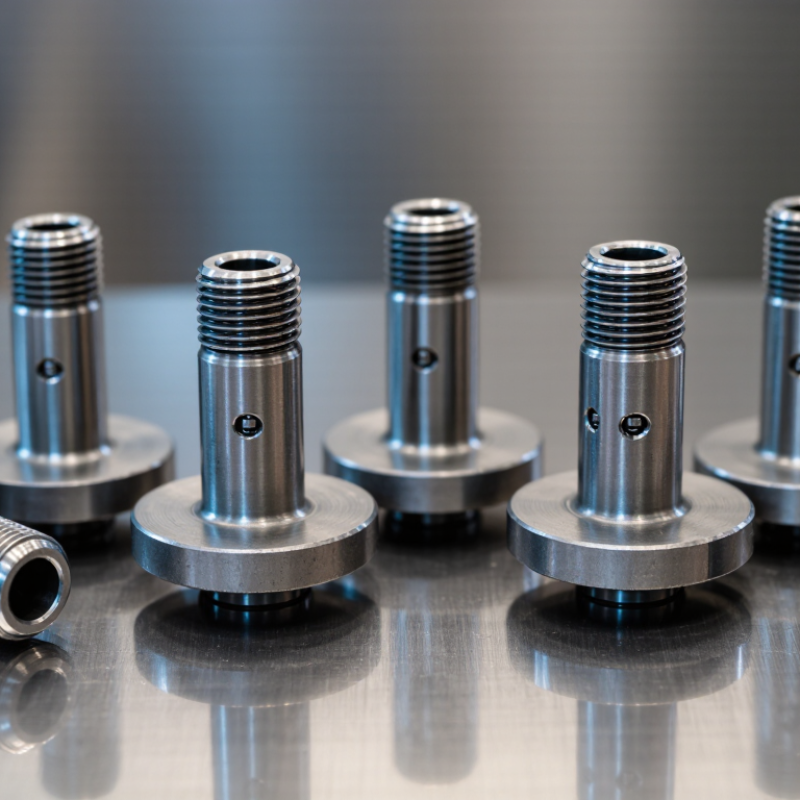
Inconel 690 anchors are nickel-chromium alloy fasteners used where heat, oxidation, and corrosion challenge ordinary steel. The alloy contains about 58% nickel and 27–31% chromium, according to ASTM B166 material data. This chemistry supports strong oxidation resistance and helps reduce stress corrosion cracking in demanding water environments.
These anchors appear in steam-generator supports, heat exchangers, furnace hardware, and chemical processing equipment. EPRI materials research has identified Alloy 690 as more resistant to primary-water stress corrosion cracking than Alloy 600 in nuclear steam-generator applications. That difference matters when an anchor sits near hot water, pressure, and vibration for years. ASME Boiler and Pressure Vessel Code requirements also emphasize traceability, mechanical properties, and qualified fabrication. An anchor can look perfect and still fail after poor installation.
Tips: Confirm UNS N06690 certification, heat treatment records, thread accuracy, and surface condition. Match the anchor with compatible nuts and washers. Check galvanic contact. Small details matter.
Buyers should also verify tensile strength, operating temperature, loading direction, and inspection methods before ordering. Reported properties vary with product form and heat treatment, so a generic datasheet is not enough. I would request mill certificates and independent testing for critical assemblies. This adds cost, but it can expose wrong chemistry or weak threads early. ASTM and ASME references provide a reliable starting point, though neither replaces an application-specific engineering review.
Inconel 690 anchors are fastening or securing components made from nickel-chromium alloy 690, commonly selected for high-temperature, oxidizing, and corrosive environments. The chart shows specified maximum elemental limits for UNS N06690 in weight percent; nickel is the balance of the alloy, while chromium is typically specified at 27–31 wt%. Exact anchor performance also depends on design, heat treatment, loading, and service conditions.
Inconel 690 anchors are selected for demanding environments where ordinary stainless steel may lose reliability. Their nickel-chromium composition supports strong resistance to oxidation, caustic solutions, and chloride-related corrosion. High chromium content also helps protect exposed surfaces during long service periods. This matters in heat exchangers, chemical equipment, marine structures, and high-temperature fastening systems.
Performance depends on more than alloy chemistry. Anchors need accurate dimensions, clean threads, and controlled surface finishing. Poor machining can create sharp defects that concentrate stress.
Correct preload is equally important, especially when thermal expansion repeatedly changes the joint load. Experienced inspectors should verify heat numbers, mechanical test data, and material certificates before installation. Small details matter.
Welding requires careful procedure control. Improper heat input may distort the anchor or affect its corrosion performance. Buyers should review tensile strength, yield strength, hardness, and service-temperature data against the project specification. Compatibility with mating metals also deserves attention, since galvanic effects can appear in wet environments.
I have seen specifications focus heavily on corrosion resistance while overlooking thread fit and installation tooling. That approach is incomplete. Laboratory values do not always predict field behavior. Each anchor should be assessed against its actual load, temperature, chemical exposure, and maintenance conditions. Surface damage during transport can also reduce confidence, even when the original material was correct.
Seven Inconel 690 Anchor Designs for Different Applications
Inconel 690, identified as UNS N06690, suits hot, oxidizing, and chloride-containing environments. The IAEA Annual Report 2024 recorded 2,667 TWh of global nuclear generation in 2023. That operating scale keeps steam-generator and furnace anchoring under strict material control. ASME material specifications support nickel-alloy components where heat and corrosion resistance matter. Still, geometry can fail when installation is treated as an afterthought.
A J-anchor provides a hooked grip inside refractory linings and suits furnace walls. A V-anchor spreads load across wider insulation areas. The Y-anchor offers better lateral restraint around burner throats and curved chambers. A U-anchor works well beneath castable floors, where two legs resist pullout. A stud anchor supports thinner linings and simplifies welding access. A weld-on tab fits compact panels with limited clearance. A basket anchor holds thicker refractory sections and reduces local cracking.
Field experience shows that anchor spacing, weld quality, and thermal movement often matter more than the shape itself. The U.S. Department of Energy’s Industrial Decarbonization Roadmap identifies high-temperature process heat as a major emissions challenge, increasing interest in durable furnace components. Designers should verify temperature cycles, lining thickness, and weld procedures against project standards. One detail is easy to miss: rigid anchors can transfer stress into brittle castables. Flexible spacing may perform better. Not always. Pilot sections and inspection records remain useful, especially when service data is incomplete.
| No. | Anchor Design | Typical Application | Recommended Geometry | Common Size Range | Key Inconel 690 Benefit | Important Design Considerations | Typical Supply Condition |
|---|---|---|---|---|---|---|---|
| 1 | Threaded Stud Anchor | High-temperature equipment supports, furnace frames, heat-treatment fixtures, and removable pipe or duct supports. | Straight threaded stud with a nut, washer, and optional welded or forged anchor plate. | M6 to M30 diameter; custom lengths commonly available. | Good resistance to oxidation and carburizing environments, with strong resistance to chloride stress-corrosion cracking compared with many conventional stainless steels. | Use a compatible nut and washer. Check thread galling, preload loss, thermal expansion, and the allowable stress at the service temperature. | Solution-annealed bar or cold-finished threaded stock, subject to the applicable material specification. |
| 2 | Welded Plate Anchor | Permanent attachment of liners, baffles, shields, and internal components in high-temperature vessels or process equipment. | Threaded or headed stud welded to a flat, round, or slotted anchor plate. | Stud diameter typically 6 to 25 mm; plate thickness commonly 3 to 12 mm. | Combines the corrosion resistance of Alloy 690 with a broad load-distribution area, reducing local bearing stress on the supported component. | Welding procedure qualification is essential. Control heat input, joint fit-up, distortion, and post-weld inspection requirements. | Plate and stud supplied in annealed condition; welded assembly may require inspection and dimensional verification. |
| 3 | J-Bolt Anchor | Concrete-embedded equipment bases, support frames, cable-tray structures, and elevated-temperature foundation attachments. | J-shaped forged or bent threaded rod with the hook embedded in concrete or refractory grout. | M10 to M36 diameter; embedment length selected by structural calculation. | Useful where a mechanical hook is preferred over a separate expansion mechanism and where moisture, chlorides, or heat may challenge ordinary steel. | Verify concrete breakout, pull-out, edge distance, hook radius, embedment depth, and differential thermal expansion between the anchor and foundation. | Hot- or cold-finished rod with machined threads; final condition depends on the approved product specification. |
| 4 | U-Bolt Pipe Anchor | High-temperature pipe clamps, tubing restraints, exchanger connections, and process-line support assemblies. | Two-legged U-shaped threaded rod with saddle or backing plate and paired nuts. | M8 to M30 diameter; pipe outside diameters from approximately 20 to 300 mm. | Provides a corrosion-resistant clamping arrangement for hot, wet, or contaminated service areas. | Do not over-tighten against thin-wall tubing. Allow for pipe growth, vibration, insulation thickness, and sliding or guided-support requirements. | Cold-bent or forged U-bolt, normally supplied annealed and passivated or cleaned as specified. |
| 5 | Sleeve Expansion Anchor | Removable attachment to concrete or masonry in corrosive plant areas, service platforms, equipment skids, and maintenance structures. | Threaded stud, expansion sleeve, cone, nut, and washer; designed for torque-controlled installation. | M8 to M24 diameter; embedment typically selected between about 60 and 200 mm. | Alloy 690 components can provide improved resistance to chloride-bearing atmospheres and oxidizing service compared with carbon-steel anchors. | Capacity depends on concrete strength, hole diameter, edge distance, spacing, installation torque, and sustained temperature. Use only with validated system data. | Machined and formed components; surface finish and passivation should follow the project specification. |
| 6 | Headed Weld Anchor | Refractory linings, insulation retainers, furnace walls, combustion equipment, and thermal shields. | Round or square headed stud with a welded head or integral enlarged end to resist pull-through. | Stud diameter typically 6 to 16 mm; length commonly 50 to 250 mm. | The enlarged head distributes load through refractory or insulation and the nickel-chromium alloy offers high-temperature oxidation resistance. | Design for thermal cycling, refractory shrinkage, weld integrity, spacing, and possible galvanic interaction with adjacent metals. | Cold-drawn or machined stud, supplied annealed unless a qualified forming or welding procedure specifies otherwise. |
| 7 | Tie-Rod and Turnbuckle Anchor | Expansion-resistant pipe systems, heat shields, furnace doors, structural bracing, and adjustable tension assemblies. | Threaded tie rod with clevis, eye, fork, or turnbuckle connection and a fixed anchor point. | M10 to M36 rod diameter; custom lengths and end fittings available. | Allows field adjustment while maintaining corrosion resistance in elevated-temperature and chemically aggressive environments. | Account for temperature-dependent strength, creep or relaxation, thread engagement, bending in the end fittings, and locking method during thermal cycling. | Solution-annealed bar with machined ends and compatible high-temperature nuts or clevis components. |
How to Compare Inconel 690 Anchors for Global Purchasing
The seven strongest Inconel 690 anchor choices differ by geometry, load direction, and installation method. Compare welded studs, threaded rods, J anchors, U bolts, expansion anchors, custom clevis anchors, and cast-in anchors. Each design suits a different assembly. A cast-in anchor may provide stable positioning, while a threaded rod allows easier field adjustment.
Material verification should guide the purchase. Request heat numbers, chemical analysis, mechanical test results, and heat-treatment records. Confirm the specified Inconel 690 grade, not a visually similar nickel alloy. Check thread accuracy, shank diameter, weld quality, and dimensional tolerances. Small deviations can create serious installation problems.
Ask for corrosion testing when the anchors face hot water, steam, or aggressive process conditions. Review design temperature, tensile load, shear load, and expected fatigue cycles. Supplier inspection plans should include traceability from raw material to final packing. This sounds basic. It is often missed.
Global buyers should compare lead time, minimum order quantity, protective packaging, export documents, and replacement support. Samples can reveal thread damage or poor surface finishing before a large order. Still, sample approval does not prove batch consistency. Require lot-based inspection. Also clarify delivery terms, inspection responsibility, and documentation language. The cheapest quotation may exclude testing, machining, or secure packaging, making the final cost higher.
Global buyers should assess Inconel 690 anchors through documented performance, not appearance. ASTM B166 and B167 specify a nickel-chromium alloy containing about 27–31% chromium and 7–11% iron. Typical wrought requirements include 655 MPa minimum tensile strength, 240 MPa yield strength, and 30% elongation. These figures support demanding service, but they do not replace application testing.
Customization should match load direction, temperature, thread geometry, and installation space. Ask for certified material test reports, heat numbers, dimensional records, and positive material identification. For safety-critical work, require ultrasonic or liquid penetrant testing when technically suitable.
ASME BPVC Section II provides useful material-control references, while ISO/IEC 17025 accreditation strengthens laboratory credibility. The IAEA PRIS database recorded more than 400 operating power reactors globally in recent reporting, showing why traceability matters in nuclear-related supply chains.
Supplier verification needs an on-site audit or a credible third-party inspection. Check calibration dates, process controls, nonconformance records, and subcontractor transparency. ISO 9001 certification helps, but it is not proof of metallurgical expertise. Request production samples before approving a large batch.
A polished certificate can still hide poor thread accuracy. I have seen specifications copied incorrectly, and that risk deserves attention. Buyers should also compare actual test values against ASTM requirements, because “Inconel 690” alone says too little.
Alloy 690 anchors suit high heat, oxidation, caustic solutions, and chloride-containing environments. They support furnace walls, heat exchangers, chemical equipment, and marine structures. Ordinary stainless steel may lose reliability sooner.
The alloy contains substantial chromium, which helps protect exposed surfaces from oxidation and corrosion. This protection supports longer service periods. It does not eliminate inspection needs.
J-anchors grip furnace walls, while V-anchors spread loads across insulation. U-anchors resist pullout beneath castable floors. Basket anchors support thicker sections and help reduce local cracking.
No. Spacing, weld quality, thermal movement, and lining thickness can matter more than shape. Rigid anchors may transfer stress into brittle castables. Not always.
Inspectors should verify heat numbers, material certificates, dimensions, threads, and mechanical test results. They should also examine surface damage from transport. A clean certificate is not enough.
Buyers should review tensile strength, yield strength, hardness, and elongation. They must compare actual test values with the project specification. Alloy naming alone says too little.
Welding should use controlled heat input and qualified procedures. Excessive heat can distort anchors or reduce corrosion performance. Check weld access, fit, and nearby material condition.
Request certified test reports, dimensional records, material identification, and production samples. Review calibration dates, process controls, and nonconformance records. An audit or independent inspection adds confidence.
Repeated heating and cooling can change joint loads and loosen poor fits. Correct preload and flexible spacing may reduce stress. I would not rely on laboratory values alone.
Laboratory data provides useful boundaries, but field behavior also depends on load, temperature, chemicals, maintenance, and installation quality. Each anchor needs application-specific assessment. Field reality can be messy.
Inconel 690 Anchors are specialized fastening and support components designed for demanding environments where heat, corrosion, oxidation, and long-term mechanical stress are major concerns. Their nickel-chromium composition offers strong resistance to aggressive chemicals and high temperatures, making them suitable for industrial furnaces, power-generation systems, heat-treatment equipment, marine installations, and other critical applications. Key performance factors include tensile strength, dimensional stability, corrosion resistance, weldability, and reliable service under thermal cycling.
This guide presents seven Inconel 690 Anchors designs, including threaded, welded, expansion, plate, U-shaped, custom-bent, and high-load configurations, helping buyers match anchor geometry to installation conditions and load requirements. It also explains how to compare suppliers by reviewing material certificates, manufacturing tolerances, testing procedures, surface quality, customization capabilities, packaging, and international delivery support. Careful verification of quality standards and production consistency enables global purchasers to select anchors that provide dependable performance, compatibility, and long-term value.

BSF