Top 5 Benefits of Nickel Alloy 625 Fasteners You Should Know?

Time:2026-07-22 Author:Ethan
0%

In the world of industrial applications, the choice of materials is crucial. Nickel Alloy 625 Fasteners stand out due to their unique properties. These fasteners are designed to endure high-stress environments and extreme temperatures. Many industries, including aerospace and marine, rely on their superior strength and corrosion resistance.

One key benefit of Nickel Alloy 625 Fasteners is their ability to withstand harsh conditions. They resist oxidation and maintain integrity in demanding settings. This reliability can lead to reduced maintenance costs over time. It's essential to consider these factors when selecting fasteners for critical applications.

While the advantages are impressive, there are still challenges. Sourcing quality Nickel Alloy 625 Fasteners can be difficult. Variations in manufacturing processes may affect performance. Understanding these nuances is vital for making informed choices in your projects. Ultimately, choosing the right fasteners can significantly impact operational success.
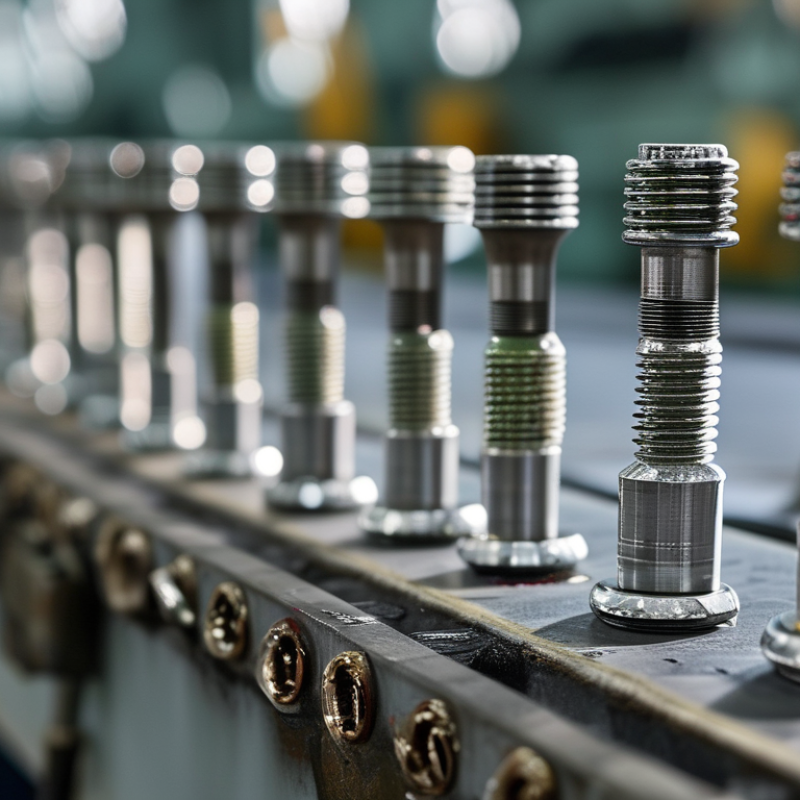
Top 5 Benefits of Nickel Alloy 625 Fasteners You Should Know?

Key Properties of Nickel Alloy 625 Fasteners

Nickel Alloy 625 fasteners are known for their exceptional mechanical properties. They exhibit outstanding resistance to corrosion and oxidation. This makes them suitable for harsh environments, like chemical processing and aerospace applications. According to industry reports, these fasteners have a tensile strength of up to 1,000 MPa and excellent fatigue resistance. Such properties are critical in applications where reliability is paramount.

The key properties of Nickel Alloy 625 fasteners also include a wide temperature range for performance. They maintain their strength between -200°C and 1,000°C. This thermal stability is crucial in industries like oil and gas, where extreme conditions are common. Additionally, Nickel Alloy 625 offers outstanding weldability, meaning it can be integrated into complex assemblies with ease. Industry data indicates that welded components can retain over 90% of their original strength, which is significant for structural integrity.

Understanding these properties is vital for engineers and designers. They must consider the environmental conditions where these fasteners will be utilized. While the benefits of Nickel Alloy 625 are numerous, the choice must be carefully assessed. Misapplication can lead to performance issues. Evaluation of specific needs and conditions is essential before making decisions.

Corrosion Resistance and Its Importance in Various Industries

Nickel Alloy 625 fasteners are renowned for their exceptional corrosion resistance, making them vital in various industries. This property is crucial for components exposed to harsh environments. For instance, in aerospace and marine applications, these fasteners withstand corrosive elements like saltwater. Similarly, they play a vital role in chemical processing industries exposed to aggressive acids.

Choosing the right fastener is critical. Nickel Alloy 625 offers longevity, reducing the need for frequent replacements. This longevity lowers maintenance costs and enhances safety in machinery. However, not every application may require such high-performance materials. Assessing the specific environment is essential before selecting fasteners.

**Tip:** Always check your environment before selecting materials. Consider factors like temperature, pressure, and possible chemical exposure. If unsure, consulting with a materials expert can provide useful insights.

On the other hand, consider how the cost of nickel-based alloys compares to alternatives. While superior, they may not be necessary for all projects. Evaluating your needs can prevent unnecessary expenditure.

**Tip:** Keep an eye on long-term costs versus short-term savings. Sometimes, cheaper materials lead to frequent replacements. In contrast, investing in quality fasteners might save you money in the long run.

High Temperature Strength and Performance of Nickel Alloy 625

Nickel Alloy 625 fasteners are renowned for their exceptional high-temperature strength and performance. These fasteners maintain structural integrity in extreme conditions, withstanding temperatures up to 2000°F (1093°C). According to industry reports, Nickel Alloy 625 exhibits remarkable resistance to oxidation and reduction environments. This benefit is crucial in aerospace, chemical processing, and marine applications.

High corrosive resistance is another advantage of Nickel Alloy 625. Studies indicate that the alloy performs well in harsh environments, such as those containing sulfuric and hydrochloric acids. The unique chemical composition provides a robust barrier against degradation. This factor is essential for ensuring longevity and reliability in critical applications.

**Tip:** Always consider the specific environmental conditions. High performance is only beneficial if the material is suited for the intended use.

Another point for consideration is cost. Nickel Alloy 625 is generally more expensive than other materials. However, its durability can lead to lower long-term costs. Many engineers weigh initial costs against potential failures and maintenance burdens.

**Tip:** Perform a total cost analysis when selecting fasteners. Sometimes, a higher upfront cost can yield savings over time.

Top 5 Benefits of Nickel Alloy 625 Fasteners

Weldability and Fabrication Benefits of Nickel Alloy 625 Fasteners

Nickel Alloy 625 fasteners excel in weldability and fabrication, making them invaluable in various industrial applications. Their excellent resistance to oxidation and reduction enhances weld integrity. Reports indicate that Nickel Alloy 625 maintains exceptional mechanical properties at high temperatures. This makes it suitable for demanding environments such as aerospace and chemical processing.

Fabrication of these fasteners does come with challenges. The alloy exhibits work hardening tendencies, making it more difficult to machine compared to other metals. While many engineers appreciate its strength and resistance, they may struggle with fabrication ease. It is essential to utilize appropriate techniques to mitigate these drawbacks. For instance, selecting suitable cutting tools can help achieve a better finish.

Weldability remains a key selling point for Alloy 625. The alloy can be welded using various methods, including TIG and MIG welding. Research shows that it retains strength after welding, which is crucial in maintaining structural integrity. However, the need for pre- and post-weld heat treatment raises questions about overall process efficiency. Balancing the benefits of weldability with fabrication challenges requires mindful consideration from engineers and fabricators alike.

Applications of Nickel Alloy 625 in Aerospace and Marine Sectors

Nickel Alloy 625 is increasingly favored in aerospace and marine sectors due to its unique properties. Its excellent corrosion resistance makes it ideal for harsh environments. This alloy can withstand extreme temperatures and high stress, ensuring reliability in critical applications.

In aerospace, Nickel Alloy 625 finds use in components like exhaust systems and seals. It maintains strength and flexibility under high heat. Similarly, in marine applications, it is often used in pumps and valves. These components demand resistance to saltwater corrosion and must perform consistently.

Tip: Consider the environment and stress levels when choosing materials. Nickel Alloy 625 is not the only option; evaluate all possibilities. Always consult a materials expert to make informed choices.

Another thing to reflect on is the manufacturing process. While Alloy 625 is versatile, it can be challenging to machine. This can affect lead times and costs. Balancing quality and efficiency is essential in production. Keep these factors in mind during planning phases.

Top 5 Benefits of Nickel Alloy 625 Fasteners

Benefit Description Applications
Corrosion Resistance Excellent resistance to a wide range of corrosive environments, including seawater and chemical exposure. Marine constructions, underwater equipment.
High-Temperature Strength Retains strength and stability at elevated temperatures, making it suitable for demanding environments. Aerospace engines, gas turbines.
Weldability Easily welded using conventional methods, allowing for versatile fabrication options. Aerospace structures, marine components.
Versatility Can be used in a variety of applications due to its mechanical properties and resistance capabilities. Nuclear reactors, offshore oil rigs.
Low Thermal Expansion Minimal expansion and contraction under temperature changes, maintaining tight tolerances. Precision instruments, aerospace fittings.

FAQS

: What makes Nickel

lloy 625 suitable for harsh environments?

How does the longevity of Nickel Alloy 625 affect maintenance costs?

The longevity reduces the need for replacements. This can lower maintenance costs and increase safety in machinery.

Why is it important to assess the specific environment before choosing fasteners?

Not every application requires high-performance materials. Assessing factors like temperature and chemical exposure is essential.

Are nickel-based alloys always the best choice for every project?

While they are superior in many situations, alternatives may suffice in less demanding environments. Evaluate your specific needs.

How should one approach cost analysis for selecting fasteners?

Consider long-term costs, not just initial expenses. Cheaper alternatives might lead to frequent replacements, increasing overall costs.

What are some fabrication challenges with Nickel Alloy 625?

This alloy can exhibit work hardening, making machining difficult. Using the right tools can help ease fabrication.

How does weldability benefit Nickel Alloy 625 fasteners?

It can be welded with various methods without losing strength. This is crucial for maintaining structural integrity.

What is a consideration for weld treatment when using Nickel Alloy 625?

Pre- and post-weld heat treatment may affect process efficiency. Balancing this is important for engineers and fabricators.

Can Nickel Alloy 625 perform well in high temperatures?

Yes, it maintains structural integrity up to 2000°F (1093°C), making it viable for extreme conditions.

What is a key factor to ensure high-performance materials are effective?

The material must be suited for its intended use. Always consider specific environmental conditions.

Conclusion

Nickel Alloy 625 Fasteners are highly regarded for their exceptional properties, making them a top choice in various demanding industries. One of their standout features is impressive corrosion resistance, which is crucial for applications in corrosive environments. This ensures longevity and reliability, particularly in the aerospace and marine sectors where exposure to harsh conditions is common.

Additionally, Nickel Alloy 625 Fasteners exhibit high-temperature strength and performance, allowing them to maintain structural integrity even under extreme conditions. Their weldability and ease of fabrication further enhance their appeal, enabling efficient manufacturing processes. As a result, Nickel Alloy 625 Fasteners play a vital role in critical applications, ensuring safety and durability across diverse industrial settings.


Ethan

Ethan

Ethan is a seasoned marketing professional with a deep expertise in our company's innovative product line. With a passion for sharing knowledge and insights, he takes the lead in regularly updating our corporate blog, where he explores industry trends, product features, and effective marketing......