How to Choose Inconel X750 Nuts for Your Project

Time:2026-11-10 Author:Isabella
0%

Choosing Inconel X750 Nuts is not just a matter of matching a thread size. The right choice depends on the joint, the operating environment, and the loads the fastener must withstand. Inconel X-750 is a precipitation-hardenable nickel-chromium alloy valued for strength at elevated temperatures and resistance to oxidation and corrosion. Those properties can make it suitable for demanding assemblies, but they do not make every nut suitable for every project.

Start with the details that shape real performance. Check the thread diameter, pitch, nut style, material condition, and any required specifications. Then consider temperature cycles, vibration, exposure to moisture or chemicals, and the mating bolt’s material. A nut may look correct on a drawing and still be a poor match. Small differences matter.

Installation deserves attention, too. Tightening torque depends on factors such as lubrication, thread condition, and joint design, so a generic torque value may not be reliable. Review supplier documentation for material traceability, test information, and clear product specifications. Ask questions when these details are missing. A polished datasheet can make selection seem simple; it rarely shows the full service conditions. This guide explains how to compare options, assess compatibility, and identify the information worth confirming before purchase. The goal is a sound, documented choice—not a guess based on alloy name alone.
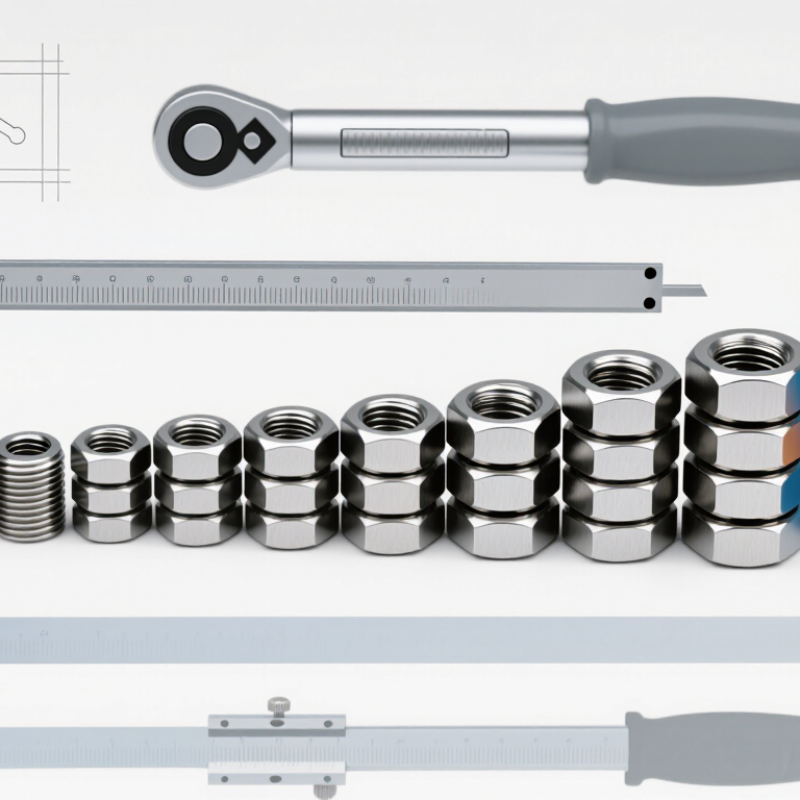
How to Choose Inconel X750 Nuts for Your Project

Set Service Conditions: X-750 Fastener Use Is Commonly Cited to About 700°C

How to Choose Inconel X-750 Nuts for Your Project

Set Service Conditions: X-750 Fastener Use Is Commonly Cited to About 700°C

X-750 fastener use is commonly cited up to about 700°C, but that figure is a screening point, not a guaranteed rating for every nut. Actual performance depends on tensile load, time at temperature, cycling, and the nut’s heat-treatment condition. ASM Handbook, Volume 2, describes X-750 as a precipitation-hardenable nickel alloy; SAE AMS 5667 and AMS 5668 specify requirements for different product forms and conditions. Check that the nut’s documented material condition matches the intended service, rather than relying on the alloy name alone.

Consider the joint itself. A nut holding a lightly loaded shield at 650°C faces a different risk from one clamping a vibrating exhaust component near 700°C. Thermal expansion can alter preload, while prolonged exposure may affect strength and stress relaxation. ASTM E139 provides methods for creep and stress-rupture testing, useful when sustained loads matter. Ask for test data relevant to your temperature and loading, and verify thread fit and installation torque with the mating fastener. Small details count.

I would treat “700°C” cautiously: without load, duration, and cycle data, it is not a design limit.

Verify UNS N07750 Chemistry: 14–17% Chromium and 2.25–2.75% Titanium

When choosing Inconel X750 nuts, verify that the material is UNS N07750 and check the applicable product specification. The chemistry should contain 14–17% chromium and 2.25–2.75% titanium. These elements help define the alloy’s composition, but matching two figures alone does not confirm suitability. Nickel content, other alloying elements, heat treatment, and product requirements also matter.

Ask for a material test report tied to the nuts’ heat or lot number. Compare its chemistry results with the specification listed on your drawing or purchase documents. For critical service, confirm that the testing method is suitable for the required elements; handheld screening may not provide enough detail. A certificate can look tidy and still need checking. I would not skip traceability, even for a small batch.

Tips: Keep the report with the parts, and mark the lot number before installation. Check dimensions and thread fit separately; chemistry cannot reveal a damaged thread. If the specification or service temperature is unclear, pause and confirm it with a qualified materials engineer. It is easy to assume that every X750 nut is interchangeable, and that assumption can be wrong.

How to Choose Inconel X750 Nuts for Your Project - Verify UNS N07750 Chemistry: 14–17% Chromium and 2.25–2.75% Titanium
Selection Dimension Requirement or Typical Value What to Verify for the Project
UNS N07750 Chemical Composition (Weight Percent)
Chromium (Cr) 14.0–17.0% Check the material test report against the specified chemistry limits.
Titanium (Ti) 2.25–2.75% Confirm the reported value falls within the specified range; titanium is part of the alloy’s precipitation-strengthening system.
Nickel plus Cobalt (Ni + Co) 70.0% minimum Verify the combined minimum alongside the individual cobalt limit.
Iron (Fe) 5.0–9.0% Compare the heat analysis with the applicable material specification.
Aluminum (Al) 0.40–1.00% Check the certified chemistry for conformity to the ordered grade.
Niobium plus Tantalum (Nb + Ta) 0.70–1.20% Review the combined reported value, rather than treating the elements as separate range requirements.
Cobalt (Co) 1.00% maximum Check this individual limit as well as the Ni + Co minimum.
Carbon (C) 0.08% maximum Confirm the reported value is no higher than the applicable maximum.
Manganese (Mn) 1.00% maximum Verify the heat analysis against the purchase specification.
Silicon (Si) 0.50% maximum Confirm compliance using the material test report.
Sulfur (S) 0.01% maximum Check the reported value against the applicable limit.
Nut Specification and Project Checks
Alloy identification UNS N07750 Ensure the purchase documents, marking, and material certification identify the required alloy designation.
Dimensions and thread Specify nominal size, thread series, pitch, tolerance class, and nut style on the drawing or purchase order. UNS N07750 identifies the alloy; it does not define nut dimensions or thread tolerances. Select these to match the mating fastener and applicable product standard.
Material condition Specify the required heat-treatment or supply condition. X-750 is a precipitation-hardenable nickel alloy. Confirm that the nut condition and required mechanical properties suit the design and governing specification.
Service environment Review temperature, stress, exposure, and operating duration. Check suitability for the actual service conditions with the design authority; alloy selection alone does not establish a safe design limit.
Documentation and traceability Request a material test report with heat identification and chemical analysis. Match the report to the delivered lot and verify all required chemistry and mechanical-property requirements before installation.

Chemistry values shown are typical UNS N07750 specification limits expressed in weight percent. Confirm the governing material standard, product form, condition, and project requirements before ordering.

Choose Heat Treatment Using Certified Tensile and Yield Strength Data

How to Choose Inconel X-750 Nuts for Your Project

Choose heat treatment from certified tensile and yield data, not a generic alloy label. Published X-750 technical tables report about 180 ksi tensile strength and 140 ksi yield strength for selected aged conditions. These are reference values, not guaranteed nut properties. ASTM B637 and SAE AMS 5662 provide useful procurement references, but the nut’s product form, heat-treatment condition, and lot test report must match the specification. Ask for the actual mill test report and verify that it identifies both tensile and yield results. Check the units, test temperature, and heat-treatment condition, too. Small details matter.

Match the certified values to the joint’s load, temperature, and tightening method. A nut that meets a room-temperature strength target may behave differently after prolonged heat exposure. For a hot assembly, review the specified aging condition and available elevated-temperature data; do not infer them from room-temperature numbers. Keep the report with the part traceability records. That helps when a measured result looks unexpected. It can happen. I would also check thread fit and bearing-face condition on sample nuts before release, since strong material alone does not prevent uneven clamping. If the supplier provides only a typical datasheet, pause and request lot-specific certified results before approving the purchase.

Check Thread Fit, Engagement, and Nut Proof Load for the Joint

How to Choose Inconel X750 Nuts for Your Project
Check Thread Fit, Engagement, and Nut Proof Load for the Joint

Match the nut to the bolt’s thread standard, diameter, pitch, and tolerance class. ASME B1.1 defines Unified inch-thread dimensions and classes, including 2B and 3B internal threads. A nut that starts smoothly by hand is a useful first check, not proof of a sound joint. Look for binding, rocking, damaged crests, and mismatched thread forms before assembly.

Engagement is more than nut height. Confirm that the bolt reaches the nut’s full usable threads after accounting for chamfers, incomplete threads, and joint thickness. NASA’s Fastener Design Manual, RP-1228, discusses thread strength and stripping as design considerations. Check the actual materials and loading; do not assume a standard engagement rule guarantees capacity. Small details matter. A point worth rechecking is whether the bolt’s exposed end leaves enough clearance without reducing effective engagement.

Set the required nut proof load from the project specification and the X-750 material condition. ASTM F606/F606M provides methods for testing fastener mechanical properties, including nut proof load. For scale, a 1/2-13 UNC thread has a tensile-stress area of about 0.142 square inches; use the actual thread dimensions in your calculation. Proof load is not the same as working load. Avoid applying steel-nut proof-load tables to X-750 without documented qualification.

Confirm Corrosion Compatibility, Surface Finish, and Lot Traceability

Choosing Inconel X-750 nuts starts with the actual service environment. X-750 provides useful strength and corrosion resistance, but it is not immune to every chemical exposure. Check chloride levels, temperature, moisture, and crevice conditions around the joint. A nut beside a wet stainless-steel washer may behave differently from one in a dry assembly. Small details matter.

NACE International’s 2016 IMPACT study estimated global corrosion costs at $2.5 trillion, or 3.4% of global GDP. That figure makes compatibility checks more than paperwork. Request a material test report tied to the nut’s heat or lot number. Verify its chemistry, mechanical properties, heat-treatment condition, and applicable material specification. Confirm that the physical lot marking matches the documents. A missing link is a real warning sign.

Tips: Specify surface finish or roughness when contact, lubrication, or fatigue matters. Inspect thread roots and bearing faces for burrs, dents, or tool marks. A bright finish can still conceal defects, so visual appearance alone is weak evidence. Keep the lot records with the assembly file; it is easy to overlook this step.

How to Choose Inconel X-750 Nuts for Your Project

Start by verifying the alloy chemistry, then confirm corrosion compatibility, surface finish, and lot traceability for the intended application.

The chart shows specified composition ranges for selected elements in UNS N07750 (Inconel X-750), in weight percent. Chemistry alone does not guarantee corrosion performance: check the service medium, temperature, stress, and exposure conditions. Specify an appropriate surface finish and request material certificates with heat or lot identification so the nuts can be traced to their production records.

FAQS

How should I check whether a nut fits its bolt?

Match thread form, diameter, pitch, and tolerance. Start the nut by hand and check for binding or rocking. A smooth start is useful, but not proof.

How much thread engagement should I allow?

Check that the bolt reaches the nut’s usable threads after accounting for chamfers and joint thickness. Inspect the exposed end for clearance. Small details matter.

How do I determine the required proof load?

Use the project specification and the nut’s material condition. Base calculations on the actual thread dimensions and verified mechanical properties. I would recheck this assumption.

Is proof load the same as working load?

No. Proof load is a test measure, not the joint’s working load. Do not rely on generic steel-nut tables for a nickel-based alloy nut without qualification.

What environmental conditions affect nut selection?

Check temperature, moisture, chloride exposure, and crevices. A nut beside a wet stainless-steel washer may face different conditions from one in a dry assembly.

What should I verify in the material documents?

Request a test report linked to the nut’s heat or lot number. Check its chemistry, mechanical properties, and heat-treatment condition. Keep the records.

What surface details should I inspect?

Look at thread roots and bearing faces for burrs, dents, and tool marks. A bright finish can still hide defects. Not always obvious.

When should surface finish be specified?

Specify roughness when contact, lubrication, or fatigue matters. Keep finish requirements with the assembly details. It is easy to miss.

Conclusion

Choosing Inconel X750 Nuts begins with defining the joint’s service conditions, including temperature, load, and exposure to corrosive environments. X-750 fasteners are commonly cited for use at temperatures up to about 700°C, but suitability depends on the specific application and verified material data. Confirm that the alloy meets UNS N07750 requirements, including chromium content of 14–17% and titanium content of 2.25–2.75%, using appropriate certification.

Next, select the heat-treated condition based on certified tensile and yield strength values. Check that the nut’s thread fit and engagement are compatible with the mating fastener, and that its proof load is suitable for the joint. Also assess corrosion compatibility and surface finish, and maintain lot traceability so the material and its properties can be verified throughout procurement and installation.


Isabella

Isabella

Isabella is a dedicated marketing professional with a sharp focus on driving brand growth and engagement through strategic content creation. With an extensive background in digital marketing, she combines her passion for storytelling with her keen understanding of industry trends to deliver......