Choosing the right Nickel Alloy 601 Bolts is critical for any project requiring durability and resistance. According to a report by the Materials Science Institute, Nickel Alloy 601 exhibits exceptional high-temperature stability, making it ideal for aerospace and engineering applications. John Smith, a leading expert in materials engineering, emphasizes, “Selecting the right fastener material can dramatically impact project longevity and safety.”
Nickel Alloy 601 Bolts possess a unique combination of nickel, chromium, and iron, enhancing their corrosion resistance and mechanical strength. Projects in extreme environments, such as chemical processing plants, often demand such reliability. Data from the Fastener Technology Report indicates that improper selection can lead to significant failures, emphasizing the importance of informed choices.
Even with its advantages, challenges exist. The cost may be higher compared to standard materials. It is crucial to weigh these factors carefully. Understanding the environmental conditions and load requirements will aid in the decision-making process. The choice of Nickel Alloy 601 Bolts must strike a balance between performance and cost-effectiveness.
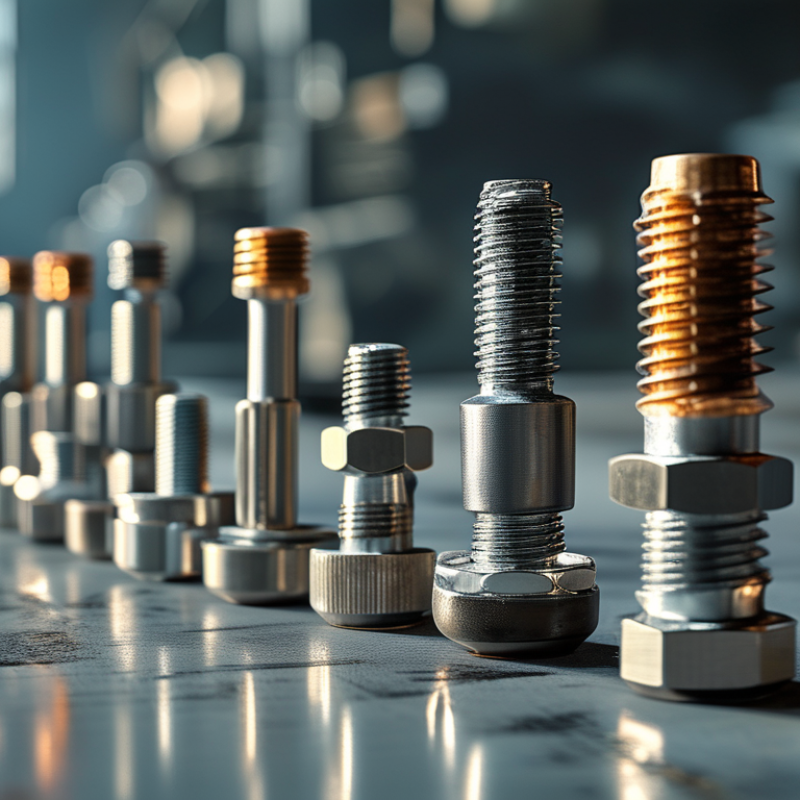
Understanding the Properties of Nickel Alloy 601
Nickel Alloy 601 is known for its exceptional heat and corrosion resistance. It contains nickel, chromium, and iron, making it ideal for high-temperature applications. This alloy excels in environments exposed to oxidation and stress corrosion cracking. Its durability reduces the need for frequent replacements. Projects involving aerospace, power generation, and chemical processing can greatly benefit from the properties of this alloy.
When selecting Nickel Alloy 601 bolts, consider factors like operating temperature and the environment. Temperature fluctuations can affect the performance of the bolts. In some cases, bolts may not hold up as expected. It's crucial to evaluate the chemical exposure and stress levels in your project. Understanding these elements ensures that the bolts perform effectively.
Additionally, the fabrication process can impact the alloy's final properties. Welding or machining methods should be compatible with Nickel Alloy 601. Improper techniques might lead to weaknesses. Testing the bolts under actual working conditions may reveal unforeseen issues. Lastly, collaborating with a knowledgeable supplier can enhance decision-making. They can provide insights into best practices for your specific requirements.
Identifying the Specific Requirements of Your Project
When selecting Nickel Alloy 601 bolts, it is crucial to analyze your project's specific requirements. Consider factors such as environmental conditions, mechanical stress, and temperature ranges. Nickel Alloy 601 is renowned for its strength and resistance to high temperatures. However, its suitability varies based on your application.
Understanding the unique demands of your project aids in making informed choices. Is the environment corrosive or high-temperature? If so, you may need bolts that excel in those conditions. Additionally, assess the load-bearing requirements. Sometimes, it's hard to find the perfect fit. Testing different options may yield surprising results.
Consulting with industry experts can further refine your decision-making. Leverage their experience. Nevertheless, remember that no alloy is flawless. Each may have limitations. A reflective approach can help identify these weaknesses. Gathering feedback from previous projects can guide you in selecting the ideal Nickel Alloy 601 bolts.
Evaluating Environmental Conditions for Bolt Selection
When selecting Nickel Alloy 601 bolts, understanding environmental conditions is crucial. Factors such as temperature, humidity, and exposure to corrosive agents can greatly influence the performance of bolts in your project. Nickel Alloy 601 is known for its excellent oxidation resistance and high-temperature strength, making it suitable for specific applications. However, if your project is exposed to saltwater or acidic environments, additional considerations are necessary.
Corrosive environments require careful evaluation of the alloy's resistance properties. You might see some surface degradation over time, even with protective coatings. It's essential to consider not just immediate conditions, but also potential changes over time. If your project could face thermal cycling, choose bolts that maintain integrity through temperature fluctuations. An assessment of long-term exposure can prevent costly repairs and downtime.
Innovative projects often test the limits of material performance. Sometimes, common choices may fall short under certain conditions. Evaluating various environmental factors and potential stressors ensures that your selection remains reliable. In cases where standard options don't meet your needs, you may need to explore alternative alloys or designs. Consideration of these variables can lead to a more robust solution, enhancing the longevity and durability of your assembly.
How to Choose the Right Nickel Alloy 601 Bolts for Your Project? - Evaluating Environmental Conditions for Bolt Selection
| Environmental Condition |
Recommended Nickel Alloy 601 Bolt Size |
Typical Applications |
Corrosion Resistance |
Temperature Range |
| High Humidity |
M12 |
Marine Applications |
Excellent |
-200°C to 900°C |
| High Temperature |
M16 |
Aerospace Components |
Very Good |
500°C to 1000°C |
| Chemical Exposure |
M10 |
Chemical Processing Plants |
Good |
-100°C to 600°C |
| Cryogenic Conditions |
M8 |
Cryogenic Storage Tanks |
Excellent |
-250°C to -150°C |
Comparing Nickel Alloy 601 to Other Alloys
When selecting nickel alloy 601 bolts, it's crucial to understand how they compare to other alloys. Nickel alloy 601, known for its excellent resistance to oxidation and corrosion, has unique properties that set it apart from other materials. For example, its high-temperature capabilities make it suitable for applications like gas turbines, where temperatures exceed 900°C.
In contrast, stainless steel alloys, while strong, lack the same oxidation resistance at high temperatures. According to a report from the Material Science Institute, nickel alloy 601 can maintain structural integrity in extreme environments better than conventional steel. This is essential in industries such as aerospace and chemical processing, where reliability is non-negotiable.
Moreover, comparisons with nickel alloy 625 show that while 625 offers superior corrosion resistance in seawater, it is often less cost-effective. In certain scenarios, the choice between these alloys depends on the specific demands of the project. Evaluating factors like temperature, environment, and cost is essential. This often leads to difficult decisions, as different applications might favor one alloy over another, revealing the intricate balance between performance and practicality.
Comparison of Nickel Alloy 601 with Other Alloys
Sourcing and Quality Considerations for Nickel Alloy 601 Bolts
When sourcing Nickel Alloy 601 bolts, it’s crucial to focus on quality. Not all suppliers offer the same standards. Look for manufacturers with certifications. This can indicate their commitment to quality. A reliable supplier prioritizes material integrity and stringent testing processes.
Additionally, consider the specific needs of your project. The environment where these bolts will be used plays a significant role. Exposure to high temperatures or corrosive elements impacts performance. Ensure your supplier can provide documentation about their alloy's properties. This transparency builds trust.
Reflect on past experiences with suppliers. Were there issues with delivery or product defects? Such moments can guide your sourcing decisions. Balancing cost and quality is not always straightforward. Sometimes, opting for a lesser-known supplier may yield better results. Be diligent and thoughtful in your choices.
FAQS
Consider the operating temperature and chemical exposure. These factors greatly impact performance.
Yes, they can affect how well the bolts hold up under stress.
It impacts the final properties of the alloy, and improper techniques can cause weaknesses.
They should provide documentation about the alloy's properties to ensure quality and transparency.
Reflecting on past issues with suppliers can help guide better choices now.
Not necessarily. Sometimes they can offer better results, but be diligent in your choices.
It significantly impacts how the bolts perform in their intended environment.
Knowledgeable suppliers can offer insights and best practices tailored to your needs.
Yes, it may reveal unforeseen issues that could arise during actual use.
Conclusion
Choosing the right Nickel Alloy 601 Bolts for your project involves a thorough understanding of their properties, such as excellent oxidation resistance and high-temperature strength. Start by identifying the specific requirements of your application, including load-bearing needs and compatibility with other materials. It's also crucial to evaluate the environmental conditions, such as temperature fluctuations and corrosive elements, to ensure the selected bolts can withstand the operating environment.
Additionally, comparing Nickel Alloy 601 to other alloys can help determine its advantages and suitability for your needs. Finally, sourcing quality Nickel Alloy 601 Bolts from reputable suppliers is essential to ensure reliability and longevity in your applications. By carefully considering these factors, you can make an informed decision that enhances the durability and performance of your project.

 BSF
BSF