How to Choose Nickel Alloy 690 Bolts for Global Projects?
“Science is about knowing; engineering is about doing,” wrote Henry Petroski, an engineer and historian of engineering. That distinction matters when selecting Nickel Alloy 690 Bolts: a material’s reputation is not a substitute for checking the actual service conditions. USGS Mineral Commodity Summaries 2024 estimated global nickel mine production at about 3.6 million metric tons in 2023. That figure describes the wider nickel supply, not the availability or quality of Alloy 690 fasteners. Buyers still need traceable product documentation.
Alloy 690 is valued for its high chromium content and resistance to many corrosive environments, including certain high-temperature applications. But bolt performance also depends on manufacturing route, heat treatment, thread condition, loading, and the mating materials. A bolt can look flawless under warehouse lights and still be the wrong choice for a chloride-rich site or a demanding thermal cycle. Small details matter.
For global projects, compare the specified alloy and product form against the applicable material standard, then verify the manufacturer’s test reports, heat numbers, dimensions, and inspection requirements. Check that the fastener specification actually covers the finished bolt; a specification for bar or rod alone may not establish every requirement for a completed fastener. Supply-chain consistency can be difficult. That deserves scrutiny, not assumptions. The sections that follow outline practical checks for matching Nickel Alloy 690 Bolts to project conditions, suppliers, and documentation—while recognizing that no alloy is universally suitable.
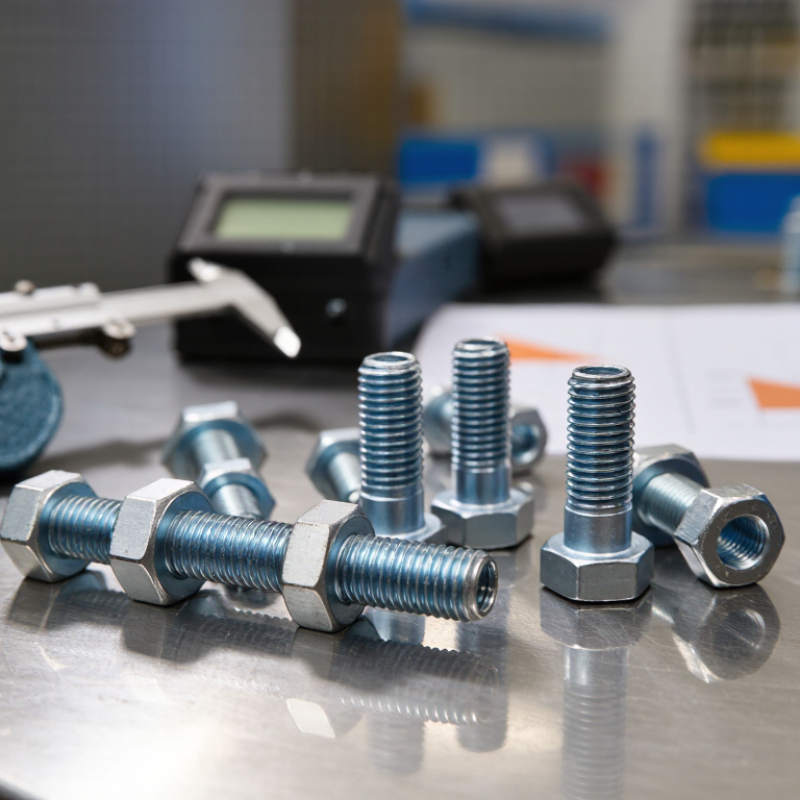
Nickel Alloy 690 bolts typically contain at least 58% nickel and 27–31% chromium, with iron making up much of the balance. This chemistry supports resistance to oxidation and several corrosive environments. The alloy is also used in high-temperature service, including selected power-generation and chemical-processing equipment. It is not immune to every form of corrosion. Conditions matter.
For a project, check the material certificate for chemistry, heat treatment, and product form. Then compare the bolt specification with the design temperature, fluid chemistry, and loading. At a flange, even a small mismatch between bolt material and the surrounding components can complicate maintenance.
Thread roots deserve attention. Stress and corrosion can meet there. Alloy 690 is known for useful resistance to stress-corrosion cracking in certain environments, but the result depends on service conditions and fabrication. That distinction is easy to overlook. Verify dimensions, thread fit, and traceability before installation, and confirm that the chosen standard covers the intended bolt form. A certificate alone does not prove suitability.
Before selecting Nickel Alloy 690 bolts, define the conditions they must withstand. Record minimum and maximum temperatures, including short heat spikes and repeated thermal cycles. Describe the process fluid by composition, concentration, pH, and likely contaminants, such as chlorides. Note pressure, moisture, and whether narrow crevices could trap fluid around the threads. Small details matter.
Then set measurable bolt requirements. Specify tensile loads, target preload, fatigue exposure, thread dimensions, engagement length, and allowable dimensional tolerances. Confirm that the selected product form and heat treatment have suitable mechanical data for the actual service temperature; room-temperature strength alone may not answer the question. Check how the bolts will contact washers, nuts, and adjoining materials, since dissimilar metals can affect corrosion behavior. It is easy to overlook installation conditions. A trial assembly can reveal tool-access problems or thread fit issues before site work begins. Request material traceability and inspection records, and compare them with the project specification. If operating data are incomplete, document the assumptions and revisit them with the design and maintenance teams rather than treating an estimate as a settled requirement.
For global projects, define the bolt by more than nominal diameter. Record the thread system, pitch, length, head style, and tolerance class on the drawing. Specify whether length is measured beneath the head, and show the required grip length for the joint. Small details matter. A metric bolt and an inch-threaded nut may appear close, but they are not interchangeable.
Identify the material clearly as nickel alloy 690, UNS N06690, and state the required product form and condition. ASTM B166 may apply to bar or rod stock used for machining; it does not, by itself, define every finished-bolt requirement. Call out applicable material, testing, and inspection specifications separately. Where a project follows ASME requirements or another engineering code, confirm the accepted material route and current edition with the responsible engineer. Requirements can vary by service and jurisdiction.
Check that the bolt standard matches the assembly standard, such as ASME dimensional requirements or an applicable ISO metric series. Specify thread engagement, surface condition, and compatible nut and washer materials. Request material certificates, heat-number traceability, and agreed inspection records. Verify these before production. One detail is often missed: the drawing may specify dimensions but leave tolerances unclear. That gap should be resolved before procurement, not at installation.
How to Choose Nickel Alloy 690 Bolts for Global Projects?
Nickel Alloy 690 bolts need more than a matching grade name. Confirm the specified alloy, dimensions, product form, and purchase requirements before comparing suppliers. Alloy 690 is commonly identified as UNS N06690, but that designation alone does not prove a finished bolt meets the project specification. Check that material certificates trace each bolt batch to its heat number. Small discrepancies matter.
Review the manufacturing route and inspection plan. Ask for chemistry and mechanical test results, dimensional inspection records, and hardness results when required by the specification. Positive material identification can help verify alloy identity, but it does not replace laboratory certification. For demanding service, confirm whether project-specific corrosion testing or nondestructive examination is required. Tests should match the actual service conditions, not simply look impressive on paper.
Supplier documentation should be clear, consistent, and linked to the shipment. Request certificates, test reports, inspection records, and calibration details for measurement equipment where applicable. Verify that bolt markings, packing lists, and certificates show compatible heat or lot numbers. For international deliveries, agree on units, document language, and packaging that protects threads from moisture and impact. A tidy document pack can still hide gaps; check the details, and record unresolved questions before approval.
Verify that the material certificate and independent test records match the specified UNS N06690 chemistry limits. The values below reflect commonly specified limits for wrought Alloy 690 products under ASTM B166; always confirm the governing bolt and project standard.
Procurement checks should include heat-number traceability, chemical analysis, tensile and hardness results where required, dimensional inspection, heat-treatment records, and a signed mill test certificate. Supplier documentation should be reviewed against the purchase specification before shipment.
Plan installation around the actual site, not only the drawing. Nickel Alloy 690 bolts suit demanding heat and corrosion conditions. However, alloy selection alone does not secure a reliable joint. Confirm material certificates, thread dimensions, strength requirements, and operating temperatures before ordering. Site teams should also check local storage conditions. Salt air, dust, and moisture can damage clean threads before installation.
Compatibility deserves careful attention. Compare the bolt alloy with the nut, washer, flange, and surrounding metal. Different metals may create galvanic corrosion in wet service. Similar alloys can also gall during tightening. Use a lubricant approved for the process and verify its effect on torque readings. A calibrated wrench, controlled tightening sequence, and written torque records reduce avoidable variation. Keep threads clean. Small debris matters.
Long-term maintenance should reflect access, vibration, heat cycles, and chemical exposure. Inspect for discoloration, thread damage, loosening, and corrosion products during planned shutdowns. Do not automatically retighten every bolt; unnecessary torque can distort the joint or damage threads. Review the original torque method first. A torque chart is not a guarantee. In practice, installation records are sometimes incomplete, and that weakness must be acknowledged. When uncertainty remains, involve a qualified engineer and repeat the joint assessment under controlled conditions.
It typically contains at least 58% nickel and 27–31% chromium. Iron forms much of the remaining composition. This chemistry supports oxidation resistance and some corrosion resistance.
No. Conditions matter. Chlorides, moisture, crevices, temperature, and contaminants can change performance. Thread roots deserve special attention because stress and corrosion may meet there.
They suit selected high-temperature power-generation and chemical-processing equipment. They may also serve corrosive flange connections. Confirm the actual fluid and temperature before selection.
Record minimum and maximum temperatures, heat spikes, thermal cycles, pressure, moisture, and fluid chemistry. Include concentration, pH, and possible chlorides. Small details matter.
Specify tensile loads, target preload, fatigue exposure, thread dimensions, engagement length, and tolerances. Room-temperature strength may not represent service performance. That assumption needs checking.
State nominal diameter, thread system, pitch, length, head style, and tolerance class. Define how length is measured. Show the required grip length clearly.
No. They may look similar, but their threads do not match correctly. Use compatible nuts, washers, and bolt dimensions. A trial assembly can expose problems early.
No. Check chemistry, heat treatment, product form, dimensions, testing, and traceability. Compare them with temperature, fluid, loading, and project requirements. A certificate alone is not enough.
Verify thread fit, dimensions, engagement, surface condition, and material identification. Inspect heat-number traceability and agreed records. Tool access can also become a practical problem. It is easy to overlook.
Choosing Nickel Alloy 690 Bolts for global projects requires more than selecting a corrosion-resistant fastener. Their nickel-chromium composition provides strong resistance to oxidation, high-temperature environments, and many aggressive chemicals, making them suitable for demanding industrial applications. Start by defining the project conditions, including temperature, pressure, moisture, chemical exposure, loading, and expected service life. These factors determine the required strength, corrosion resistance, thread design, and overall bolt performance.
Next, confirm that the bolt dimensions, grades, tolerances, and technical standards match the equipment design and applicable project specifications. Manufacturing quality should be supported by material certificates, dimensional inspection, mechanical testing, and traceable documentation. During installation, check thread and flange compatibility, use suitable tightening procedures, and prevent surface damage or contamination. A long-term maintenance plan should include routine inspection, monitoring for corrosion or loosening, and timely replacement when performance declines. This structured approach helps ensure reliable operation, easier project coordination, and consistent quality across international installations.

BSF