Choosing the right fasteners is a critical task in many industries. Nickel Alloy 600 Fasteners are renowned for their unique properties. They offer excellent resistance to high temperatures and corrosive environments. According to Dr. James Brown, an expert in material science, "Selecting the right fastener can make or break your project's success." His words remind us of the importance of careful consideration.
Nickel Alloy 600 Fasteners are often used in the aerospace and chemical sectors. They withstand harsh conditions with ease. However, not all applications require the same specifications. Understanding your specific needs is essential. Sometimes, engineers may overlook certain factors that impact performance and longevity.
When selecting Nickel Alloy 600 Fasteners, assessing the environment and stress factors is vital. Many might underestimate the advantages of choosing high-quality materials. Ensuring the right choice can prevent costly failures and enhance safety. Consider consulting with industry professionals for tailored advice.
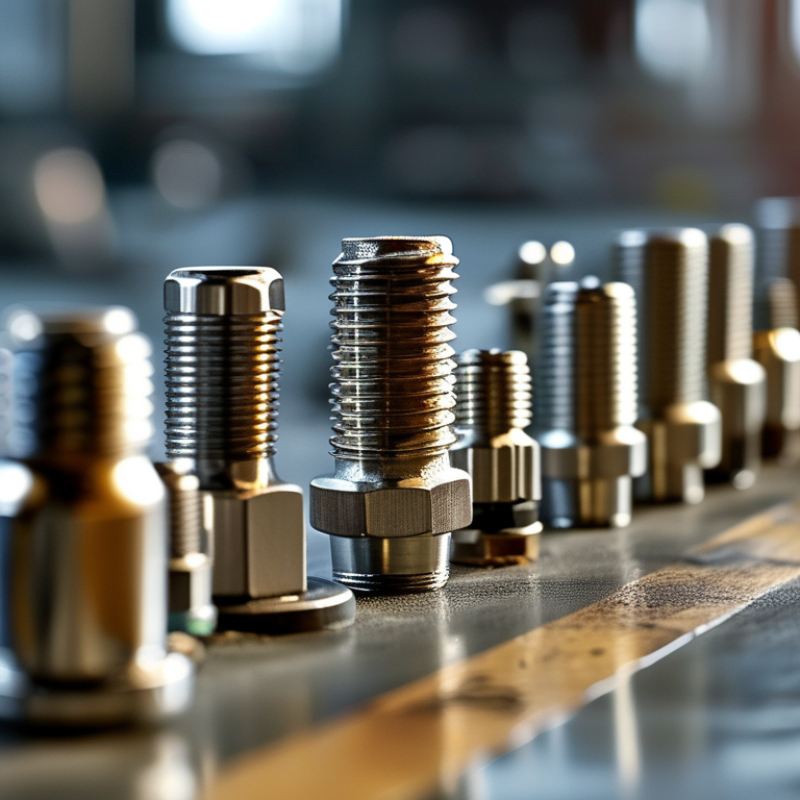
Understanding Nickel Alloy 600: Properties and Applications
Nickel Alloy 600, known for its high resistance to oxidation and corrosion, plays a crucial role in various industries. This alloy contains nickel, chromium, and iron, providing unique thermal and mechanical properties. It withstands extreme temperatures and is ideal for applications in chemical processing, aerospace, and nuclear power. Understanding these properties is essential before selecting fasteners made from this alloy.
When choosing Nickel Alloy 600 fasteners, consider the environment in which they will be used. High chloride environments can lead to stress corrosion cracking. Check the temperature limits as well. Fasteners must handle operational stresses without deforming. Testing under actual conditions can reveal weaknesses not seen in theoretical models.
Tips: Always consult material data sheets for mechanical properties. Consider the impact of thermal expansion in your designs. Lastly, seek expert advice to ensure the right selection. Errors in material choices can lead to costly downtime and maintenance issues. Stay informed and make educated decisions based on reliable data.
Key Factors in Selecting Nickel Alloy 600 Fasteners
Selecting Nickel Alloy 600 fasteners requires careful consideration of several key factors. This alloy is known for its excellent corrosion resistance and high-temperature strength. Understanding the specific application and environmental conditions is vital. Assessing factors like temperature range, corrosive elements, and mechanical load will help in making an informed choice.
Tips: Always analyze your project requirements thoroughly. Think about the long-term performance. Don’t overlook potential impacts of stress and fatigue. Think about whether the fasteners will face harsh chemicals, as Alloy 600 can be particularly effective in such scenarios.
Another important aspect is the dimensions and size of the fasteners. You’ll need accurate measurements to ensure proper fitting and performance. Miscalculations may lead to premature failure. Consider the threading type as well, as different applications might require varied designs.
Tips: Double-check specifications against application needs. It’s better to consult industry standards and seek expert advice if unsure. Taking time to verify details can save future complications. Remember, a small oversight can lead to significant issues down the line.
Comparing Different Types of Nickel Alloy 600 Fasteners
When considering nickel alloy 600 fasteners, it's important to understand the various types available. Common options include bolts, nuts, and washers. Each type serves a unique purpose and has different properties. For example, bolts are often used for structural connections, while nuts provide secure fastening. Washers help distribute loads and reduce friction. Choosing the right type impacts overall performance.
The manufacturing process also affects quality. Fasteners made through cold working retain more strength, while hot-formed fasteners may have better corrosion resistance. Surface treatments enhance durability, especially in harsh environments. However, not all surface treatments are equal. Selecting the appropriate coating can be challenging, as some may not suit specific applications. Test data or expert guidance can clarify these differences.
It's essential to evaluate your specific needs. Consider factors such as tensile strength and environmental conditions. Regular inspection of fasteners can reveal wear over time. If you notice corrosion or fatigue, it’s a sign that replacement is necessary. It's a complex decision, but with careful consideration, you can find the best fit for your requirements.
Installation and Maintenance Considerations for Nickel Alloy 600 Fasteners
When working with Nickel Alloy 600 fasteners, installation and maintenance play a vital role in their performance. Proper handling during installation prevents damage. Ensure that the fasteners align correctly with pre-drilled holes. Over-tightening can lead to stress fractures, so always follow torque specifications. Using the right tools is essential. Worn tools might strip the fastener heads, affecting future removability.
Regular maintenance checks are necessary to prolong the life of Nickel Alloy 600 fasteners in corrosive environments. Inspect for signs of corrosion or wear frequently. Even small defects can indicate larger issues. Cleaning the fasteners with proper methods helps avoid contamination. It’s essential to maintain a clean workspace during installation and maintenance. This helps prevent foreign materials from causing damage.
It’s important to note that environmental factors can affect these fasteners. Consider the operating conditions they will face. Factors like temperature fluctuations and exposure to chemicals can impact their integrity. Regular assessments of performance under actual conditions are necessary. Adjustments may be required based on observations. Always document the maintenance history for future reference. This practice can reveal patterns that inform decisions on replacements or upgrades.
Cost and Availability of Nickel Alloy 600 Fasteners in the Market
When selecting Nickel Alloy 600 fasteners, cost and availability are key considerations. The market offers a range of choices, and prices can vary significantly. Understanding these factors helps you make informed decisions.
Nickel Alloy 600 fasteners are known for their corrosion resistance and mechanical strength. This means they are often in demand for various industrial applications. Availability can be influenced by current market trends, production capacity, and raw material prices.
Tips: Check multiple suppliers to compare prices. This can help you identify the best deals. Consider bulk purchasing if you need a large quantity. Availability might also vary by region, so factor that into your plans.
In addition, be aware that prices can fluctuate. Keeping an eye on market reports can give you insights into upcoming changes. If costs seem high, it may be worth re-evaluating your specifications or needs. Cultivating relationships with trusted suppliers can also enhance your sourcing strategy. This may yield better pricing and help you navigate availability challenges more effectively.
Conclusion
Nickel Alloy 600 Fasteners are essential components in various industrial applications due to their exceptional corrosion resistance and high-temperature strength. Understanding the properties and applications of Nickel Alloy 600 is crucial for selecting the right fasteners, which are often used in environments such as heat exchangers and chemical processing equipment. Key factors to consider when choosing these fasteners include the specific mechanical requirements, operating environment, and compatibility with other materials.
When comparing different types of Nickel Alloy 600 Fasteners, it’s important to assess their configurations, tensile strength, and finishes. Installation and maintenance considerations are also vital to ensure longevity and performance, requiring attention to torque specifications and potential corrosion risks. Finally, cost and availability in the market can significantly influence purchasing decisions, making it essential for buyers to evaluate suppliers for the best options in terms of quality and price.

 BSF
BSF