In the industrial sector, sourcing the right components is crucial. Nickel 601 Studs are an essential choice for many applications. Known for their high-temperature resistance, they withstand harsh environments effectively. Reliable suppliers can provide these durable components.
Understanding the properties of Nickel 601 Studs is vital. They offer excellent oxidation resistance. This makes them suitable for use in aerospace, power generation, and chemical processing industries. However, not all suppliers offer the same quality. Discrepancies exist in manufacturing standards.
Finding the right supplier requires careful consideration. Experts recommend assessing the provider's reputation. Look for certifications that ensure reliability and quality. Seek reviews from previous customers. Navigating through these options can be challenging. Ensuring the integrity of your source is key to successful industrial applications.
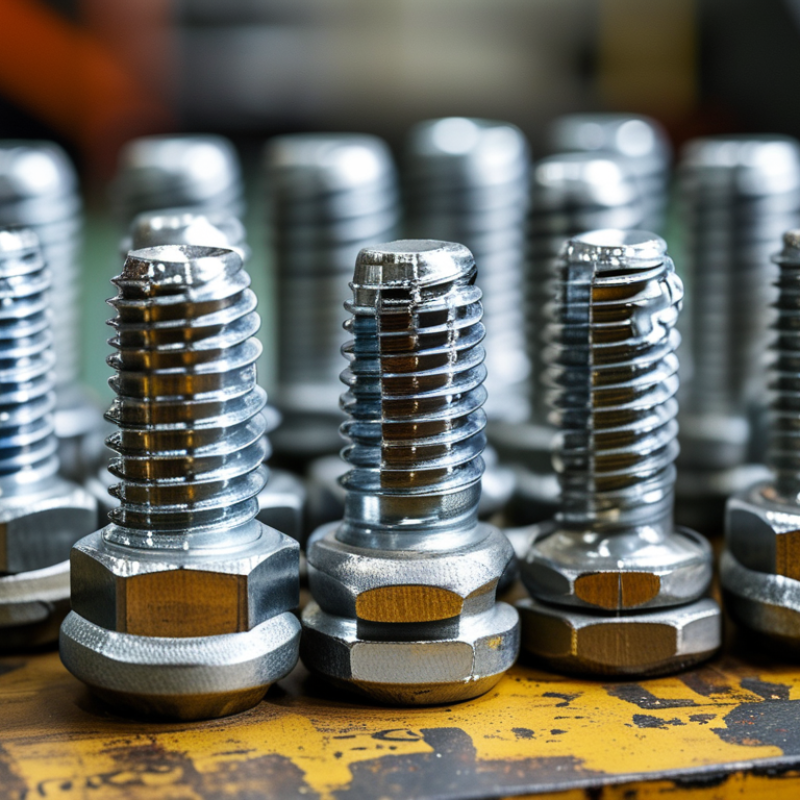
Nickel 601 is a high-performance alloy known for its exceptional heat resistance and mechanical properties. It contains nickel, chromium, and iron, making it a staple in industries where durability and reliability are critical. This alloy can withstand continuous temperatures up to 2200°F (1204°C), which is beneficial for applications such as gas turbine components and industrial furnace parts. Research conducted by the Welding Institute indicates that Nickel 601 also offers strong oxidation resistance, which prolongs the lifespan of components in harsh environments.
The unique properties of Nickel 601 make it a popular choice for aerospace, chemical processing, and power generation sectors. According to a report by the Global Nickel Alloys Market, demand for this alloy is expected to grow, particularly in high-temperature applications. However, sourcing quality Nickel 601 studs can be challenging. Suppliers must ensure that their product meets industry standards, such as ASTM B166 and AMS 5889. The inconsistency in materials can lead to project delays and increased costs, highlighting the importance of careful selection when procuring these components.
In practical applications, the performance of Nickel 601 can fluctuate based on processing techniques and conditions. Industrial users often report varying results with issues like stress corrosion cracking under specific circumstances. These nuances require careful monitoring. Engineers must consider environmental factors when specifying Nickel 601 studs, ensuring they meet the unique demands of their projects. Understanding the intricacies of this alloy is crucial for successful application and longevity in demanding environments.
Sourcing Nickel 601 studs can be challenging. Identifying reliable suppliers is crucial for industrial applications. According to industry reports, Nickel 601 is widely used due to its excellent resistance to high temperatures and oxidation. This alloy's properties make it ideal for various sectors, including aerospace and power generation.
When searching for suppliers, consider their certifications. Suppliers should have AS9100 or ISO 9001 certifications. These ensure they meet stringent quality standards. A supplier's experience in the industry also plays a significant role. Look for companies with a proven track record in providing Nickel 601 products. Evaluate their customer reviews and case studies.
**Tip:** Request product samples. This can help gauge the supplier's quality. It’s wise to ask for detailed specifications and material certificates. Always verify their sourcing methods. Some suppliers may not disclose the origins of their materials, which can lead to concerns about quality and compliance.
Not all suppliers will have adequate inventory. Some may face delays due to supply chain issues. Flexibility is vital when sourcing. Assess if the supplier can meet your ordering needs in a timely manner. Be open to communication. Building a lasting relationship can lead to better terms and reliability in the future.
| Supplier Location | Minimum Order Quantity | Lead Time | Quality Certifications | Pricing Range |
|---|---|---|---|---|
| North America | 100 units | 2-4 weeks | ISO 9001 | $0.50 - $1.00 each |
| Europe | 50 units | 3-5 weeks | AS9100 | €0.45 - €0.85 each |
| Asia | 200 units | 4-6 weeks | ISO 13485 | $0.40 - $0.70 each |
| South America | 150 units | 2-3 weeks | ISO 9001 | $0.55 - $0.95 each |
When sourcing Nickel 601 studs, quality standards and certifications are crucial. These studs serve various industrial applications, requiring rigorous assessments. International standards, like ASTM and ISO, provide benchmarks for materials. Certifications ensure producers meet specific criteria for durability and performance.
Many manufacturers claim high quality. However, discerning facts from marketing claims requires careful evaluation. Certifications such as ANSI or NADCAP can indicate reliability. Look for suppliers who provide traceability of their products. This adds confidence in the materials used.
Tips: Always request documentation to verify certifications. Inspect the studs physically if possible. A thorough quality check can save time and costs in the long run. Additionally, consider the supplier’s history and reviews for insights into their reliability. Making informed choices involves reflection and sometimes learning from past mistakes.
When sourcing Nickel 601 studs, cost factors play a crucial role. These factors can vary significantly based on several aspects. Raw material pricing is one of the main elements to consider. Fluctuations in nickel prices can impact your overall budget. Additionally, manufacturing location may influence costs as well. Domestic production may offer faster lead times, while overseas options could cut expenses.
Understanding the supplier’s pricing structure is equally important. Request detailed quotes that outline various costs, including shipping and handling. Don’t rely solely on sticker prices. A cheaper stud may include hidden fees that increase the total. Transparency in pricing ensures you are making an informed choice.
Tips: Always compare multiple suppliers. This gives you a broader perspective on pricing trends in the market. Engage in discussions with industry experts to gain insights. Sometimes, investing a bit more can yield higher quality and durability in the long run. Quality is essential. A low initial cost can lead to higher replacement expenses later. Consider lifecycle costs when making your decision.
When sourcing Nickel 601 studs, effective order placement and delivery management are pivotal. Industry reports indicate that timely deliveries affect project timelines significantly. Companies that report delays often cite a lack of clear communication with suppliers. Accurate forecasts help smooth the ordering process, but unexpected demand spikes can complicate matters.
Tip: Always provide detailed specifications when placing orders. Specify dimensions, tolerances, and expected quantities. Detailed orders reduce ambiguity, minimizing the risk of delays.
Monitoring the delivery process is equally essential. Regular updates from suppliers can provide insights into potential disruptions. Recent data suggests that companies adopting proactive tracking methods enhance operational efficiency. Those who rely solely on suppliers for status updates often find themselves in challenging situations, lacking critical information.
Tip: Establish regular check-ins with suppliers. Frequent communication can help you stay ahead of potential issues. This proactive approach not only helps in planning but also builds better relationships with suppliers. Disruptions might still occur, but understanding their root causes will lead you to better solutions.
: Nickel 601 is a high-performance alloy with excellent heat resistance and mechanical properties, ideal for demanding industries.
It can handle continuous temperatures up to 2200°F (1204°C), suitable for gas turbines and industrial furnaces.
Strong oxidation resistance prolongs component lifespan in harsh environments, reducing the need for frequent replacements.
Sourcing quality studs is tough. Inconsistent materials can cause project delays and increased costs, demanding careful selection.
Quality standards ensure durability and performance. Certifications like ASTM and ISO provide reliable benchmarks for industrial applications.
Many claim high quality. Verification through documentation ensures reliability and helps avoid costly mistakes in sourcing.
Raw material pricing, manufacturing location, and hidden fees can significantly affect overall costs and budget planning.
Request detailed quotes outlining costs, shipping, and handling. This helps you avoid unexpected expenses later on.
Comparing suppliers reveals market trends and helps you find the best value, ensuring quality and durability for your projects.
A lower initial cost may lead to higher future replacement expenses. Invest wisely for better long-term outcomes.
Nickel 601 Studs are essential components in various industrial applications due to their unique properties, such as high resistance to oxidation and excellent mechanical strength. Understanding these qualities is crucial for industries seeking reliable materials. When sourcing Nickel 601 Studs, it is important to identify trustworthy suppliers who adhere to stringent quality standards. Evaluating certifications helps ensure that the products meet the necessary specifications.
Additionally, considering cost factors is vital for effective budgeting when sourcing Nickel 601 Studs. Companies should also practice best approaches for placing orders and managing deliveries to ensure timely access to these materials. By focusing on these elements, businesses can effectively meet their industrial needs while maintaining quality and efficiency in their operations.

BSF