Choosing a reliable source for Inconel X750 Bolts takes more than comparing prices or browsing a polished catalog. Buyers need to understand whether a supplier can document material grade, dimensions, manufacturing controls, and inspection results. Small details matter. A thread that feels rough or a certificate with unclear heat numbers deserves a closer look.
China has a broad industrial supply base, but capabilities vary between manufacturers and trading companies. Ask who makes the bolts, how each batch is traceable, and what inspection records are available. Real evidence helps. Request sample documents, confirm whether testing matches your application, and clarify lead times before placing an order. No single certificate answers every question, and supplier claims should be checked against records.
This guide examines how to assess potential Chinese suppliers of Inconel X750 Bolts, including technical experience, quality assurance, communication, and delivery reliability. It also considers practical signs of a dependable partnership, such as consistent specifications and clear responses to technical questions. Some information may be difficult to verify from a website alone. That uncertainty matters. Use the comparison as a starting point, then confirm details directly with each supplier before making a sourcing decision.
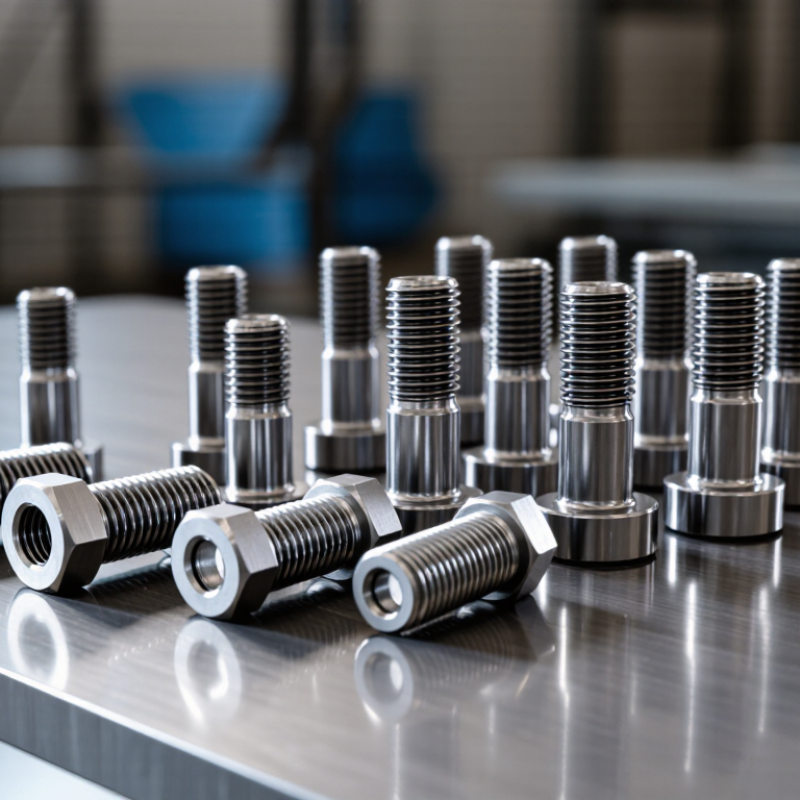
Inconel X-750, identified by UNS N07750, is a precipitation-hardening nickel-chromium alloy used for demanding fasteners. Its nickel content is at least 70%, while a density of about 8.28 g/cm³ gives bolts a substantial, solid feel. The alloy also contains elements such as chromium, iron, titanium, and aluminum. Heat treatment helps develop strength through fine strengthening precipitates. Details matter.
For buyers comparing Chinese suppliers, the alloy designation alone is not enough. Ask for material test reports that identify UNS N07750 and confirm the supplied chemistry. Check the bolt drawing, thread form, dimensions, heat-treatment condition, and required mechanical tests. A polished surface can look convincing, but it cannot prove the alloy or its properties. Traceability should connect the paperwork to the actual production lot. It is easy to overlook this step.
X-750 can retain useful strength at elevated temperatures and resist oxidation in many service environments. Performance still depends on temperature, stress, exposure, and manufacturing quality. Do not assume every X-750 bolt suits every application. Discuss operating conditions with a qualified materials engineer, and verify the applicable fastener specification before ordering. A small documentation gap may seem harmless, yet it can complicate inspection later.
Use the criteria below to assess Chinese manufacturers and distributors. No supplier ranking is implied; verify each supplier’s capabilities and documents for the specific order.
| Evaluation area | Relevant benchmark or material fact | What to verify with the supplier |
|---|---|---|
| Material identification | Inconel X-750 is a precipitation-hardening nickel-chromium alloy; its UNS designation is N07750. | Confirm the quoted alloy and UNS number on the purchase documents and material test certificate. |
| Nickel content | Nickel content is at least 70% by weight in commonly specified X-750 chemistry ranges. | Request heat-specific chemical analysis and confirm the applicable material specification and revision. |
| Other typical chemistry limits | Commonly specified ranges include chromium 14.0–17.0%, iron 5.0–9.0%, titanium 2.25–2.75%, niobium plus tantalum 0.70–1.20%, and aluminum 0.40–1.00%. | Check the exact limits against the governing specification; chemistry requirements can vary by product form or standard. |
| Density | A commonly published density for Inconel X-750 is approximately 8.28 g/cm³. | Use density as a reference value, not as a substitute for material identification or inspection. |
| Fastener manufacturing | Bolt performance depends on the specified dimensions, manufacturing route, heat treatment, and service conditions. | Ask for drawings, dimensional inspection records, thread tolerances, and the agreed heat-treatment condition. |
| Traceability and testing | Traceable heat and lot records help link finished fasteners to their raw material and inspection results. | Request a material test certificate, heat or lot traceability, and agreed mechanical or non-destructive test reports. |
| Specification control | Requirements depend on the selected product form and applicable standard; a generic alloy name alone does not define a bolt’s acceptance criteria. | State the governing standard, edition, size, thread, tolerances, heat-treatment condition, inspection plan, and required documentation in the order. |
| Supplier qualification | Production capability and quality systems should be assessed against the buyer’s technical and regulatory requirements. | Review relevant quality-system certificates, process controls, sample inspection results, lead time, and capacity for the required fastener type. |
Note: Chemical ranges and physical-property values are general reference information. Confirm the applicable specification, product form, and acceptance requirements before purchase.
Specialist fastener factories, nickel-alloy component producers, and precision machining workshops may manufacture them. Some control forming and heat treatment; others outsource these steps.
Ask for a material test certificate, heat-treatment records, dimensional inspection results, and lot-level traceability. Check that records match the delivered batch.
Look for clean thread roots, consistent dimensions, and no visible laps or cracks. A tidy surface is not proof of quality.
Strength depends on controlled solution treatment and aging, not just the alloy name on a quotation. Ask how each step is managed.
Optical emission spectroscopy or laboratory analysis can check elements such as nickel, chromium, titanium, aluminum, and niobium. Compare results with the purchase specification.
Confirm strength and elongation results come from specimens traceable to the bolt material heat. Check that the test condition and temperature match agreed requirements.
No. Hardness can help check consistency after aging, but cannot prove tensile strength or reveal every defect.
It can add confidence for large or critical orders. A trial order or site audit may reveal gaps paperwork misses. Sampling has limits.
Inconel X750 Bolts are made from a nickel-based superalloy valued for strength and resistance to heat and corrosion in demanding industrial applications. The alloy is commonly identified as UNS N07750, contains at least 70% nickel, and has a density of approximately 8.28 g/cm³. When sourcing bolts from Chinese manufacturers, buyers should confirm that the supplier can produce the required dimensions, material condition, and documentation for the intended service.
AMS 5667 and AMS 5668 specify different material conditions and processing requirements, so buyers should match the applicable standard to their design and operating needs. Supplier comparisons should consider material traceability, realistic lead times, and complete test reports. Quality verification can include chemical composition analysis, tensile testing, and hardness measurements, with results linked to the relevant batch. These checks help buyers assess consistency and make an informed decision without relying on claims alone.

 BSF