In the fast-evolving world of manufacturing, Nickel Alloy Fasteners stand out for their durability and resistance to harsh conditions. These fasteners are crucial in industries such as aerospace, marine, and oil and gas. Buyers globally need to prioritize quality and performance when selecting the right fasteners.
In 2026, various options are available, but not all are created equal. Factors like corrosion resistance, tensile strength, and temperature stability play a critical role in decision-making. It's essential to understand these properties when sourcing Nickel Alloy Fasteners. Additionally, understanding the need for compliance with industry standards cannot be overlooked.
Reflecting on past choices can guide better future purchases. Buyers often face challenges in distinguishing between premium and inferior products. Making informed decisions requires a reliable supplier with a proven track record. With the right knowledge and insights, securing the best Nickel Alloy Fasteners becomes a more attainable goal for global buyers.
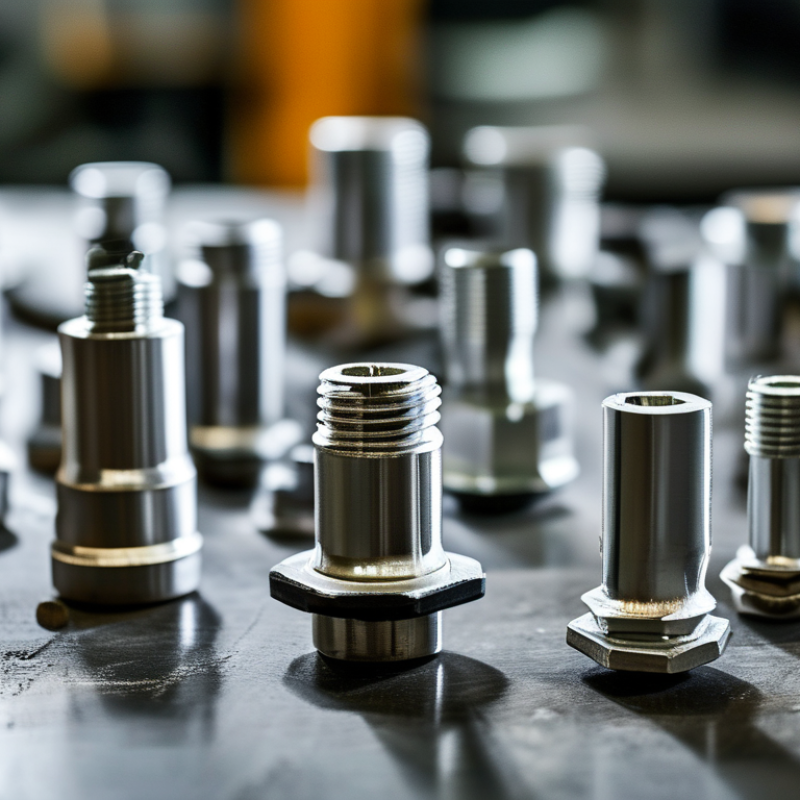
Nickel alloys are essential for fasteners, thanks to their impressive properties. These alloys offer high strength, excellent corrosion resistance, and outstanding durability. They withstand extreme temperatures, making them ideal for challenging environments. The unique combination of these properties enhances the longevity and performance of fasteners in various applications.
When selecting nickel alloy fasteners, buyers should focus on key attributes. The alloy composition plays a crucial role. For example, added elements like molybdenum can improve resistance to pitting corrosion. Additionally, the heat treatment process affects the fasteners' tensile strength and hardness. Understanding these factors is vital for making informed decisions.
Tips: Always choose fasteners based on the specific conditions they will face. Not all nickel alloys perform equally under stress or temperature variations. Conduct thorough research before making a purchase. Seek expert advice when in doubt. Evaluating options can save time and resources in the long run. Remember, the right fastener choice could significantly impact project outcomes.
Nickel alloy fasteners play a crucial role across various industries. Their unique properties, including high strength and corrosion resistance, make them ideal for demanding applications. Industries such as aerospace, marine, and chemical processing heavily depend on these fasteners. They withstand extreme conditions, which ensures the longevity and reliability of critical systems.
In the aerospace sector, nickel alloys are essential for fastening components in aircraft engines. These materials resist fatigue and high temperatures, making them suitable for flight. Similarly, in marine applications, they prevent rust and degradation due to saltwater exposure. This reliability is vital for maintaining safety in naval operations.
Tips: Always consider the specific environmental conditions where the fasteners will be used. Conduct thorough research on material properties to make informed choices. It’s important to evaluate the performance of different alloys over time. Regular inspection of fasteners can help detect wear or damage early on.
As we look forward to 2026, the demand for nickel alloy fasteners continues to rise. These fasteners are essential in various industries, including aerospace, automotive, and chemical processing. Their corrosion resistance and durability make them ideal for high-performance applications. When considering the top manufacturers, it's essential to analyze their production capabilities and material standards. The market is filled with manufacturers, but not all meet rigorous quality checks.
Many leading producers focus on innovative processes. Some invest heavily in research to improve alloy formulations. These advancements result in stronger, lighter, and more reliable fasteners. However, it's crucial to scrutinize sustainability practices too. The impact of mining and production on the environment remains a significant concern. Buyers should consider manufacturers who prioritize eco-friendly methods.
In 2026, buyer choices will hinge on performance and responsibility. It will be vital to assess not just the products but the companies behind them. Each manufacturer has strengths, yet some still struggle with transparency in sourcing materials. This lack of clarity raises questions about long-term viability. Making informed decisions means diving deeper into how these companies operate. The right fastener can enhance project outcomes significantly.
Nickel alloy fasteners are gaining prominence in various industries. Their strength and resistance to corrosion make them ideal for demanding environments. Recently, there has been a shift in design and technology trends. Factors such as weight reduction and improved mechanical properties are driving innovation.
One noteworthy trend is the move toward additive manufacturing. This technology allows for complex shapes and reduced waste. Another goal is enhancing fatigue resistance. Engineers are exploring new alloy compositions to achieve this. Various studies show promise in achieving longer service life for fasteners.
However, the integration of advanced technologies is not without challenges. The sourcing of high-quality nickel alloys can be inconsistent. Furthermore, there is a learning curve in adapting existing manufacturing processes to new methods. This evolution requires reflection from industry professionals. Continuous education about material properties is essential for maintaining reliability in applications.
Sourcing nickel alloy fasteners requires clear strategies for global buyers. The global nickel alloy market is anticipated to reach $30 billion by 2026, as per recent industry reports. This growth is fueled by rising demand in aerospace and marine sectors. Understanding market trends helps in making informed decisions.
When sourcing, it’s crucial to evaluate suppliers carefully. Consider their production capabilities and quality assurance processes. Assess certifications and industry standards they adhere to. Transparency in operations builds trust. Lack of thorough vetting can lead to unreliable supply chains.
Tip: Always request samples before bulk orders. This helps ensure that the fasteners meet your specifications. Additionally, stay updated with market prices. Nickel prices fluctuate, impacting overall costs. Monitoring these trends can optimize procurement budgets. Engaging with multiple suppliers can also prevent single points of failure, enhancing resilience in your sourcing strategy.
| Type | Material Grade | Size Range (mm) | Applications | Corrosion Resistance |
|---|---|---|---|---|
| Bolt | Alloy 625 | M6 - M24 | Aerospace, Chemical Processing | Excellent |
| Nut | Alloy 718 | M5 - M20 | Oil & Gas, Marine | Good |
| Screw | Alloy 600 | M2 - M12 | Power Generation, Marine Platforms | Excellent |
| Washer | Alloy 825 | 5 - 30 | Chemical Plants, Marine | Very Good |
: Nickel alloys provide high strength, excellent corrosion resistance, and durability, suitable for extreme temperatures.
The composition affects resistance to pitting corrosion and influences tensile strength and hardness after heat treatment.
Buyers should consider specific environmental conditions and conduct thorough research before making decisions.
Trends include weight reduction and improvements in mechanical properties through new designs and manufacturing methods.
Additive manufacturing enables complex shapes and reduces waste, offering innovative solutions for fasteners.
Sourcing high-quality materials can be unpredictable, and adapting manufacturing processes can be difficult.
Ongoing education helps maintain reliability in applications and improves the understanding of material properties.
Fasteners may not perform equally under various stresses and temperatures; conditions must be thoroughly evaluated.
Yes, if not chosen or designed correctly, fasteners may fail prematurely, leading to project issues.
Ensure the expert understands specific application needs and the unique properties of different nickel alloys.
The article titled "2026 Top Nickel Alloy Fasteners for Global Buyers to Consider" provides a comprehensive overview of nickel alloy fasteners, highlighting their key properties and industry applications. Nickel alloy fasteners are known for their excellent corrosion resistance, high-temperature stability, and mechanical strength, making them ideal for use in demanding environments such as aerospace, automotive, and chemical processing industries.
In 2026, the article emphasizes the significance of understanding current design and technology trends surrounding nickel alloy fasteners. It also outlines helpful sourcing and procurement tips for global buyers to navigate the market effectively, ensuring they select suitable products that meet their specific needs. Overall, this article serves as a valuable resource for anyone looking to enhance their knowledge of nickel alloy fasteners and make informed purchasing decisions.

BSF