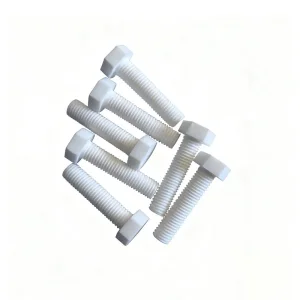
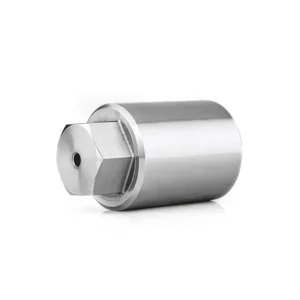
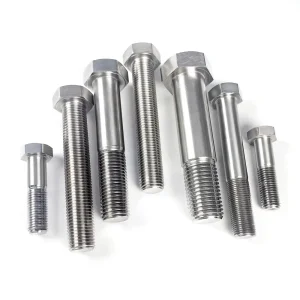
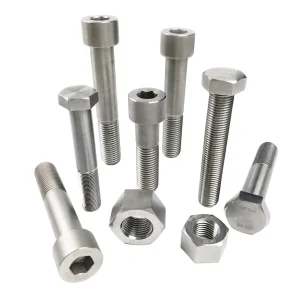
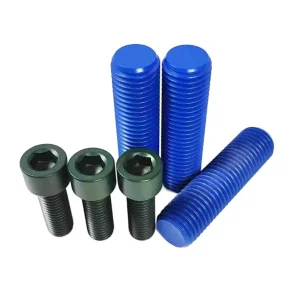
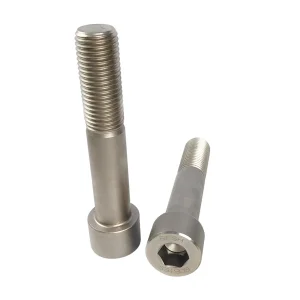
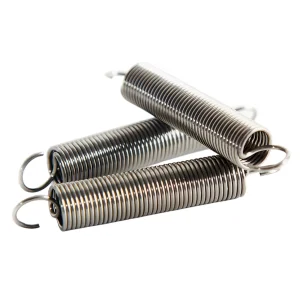
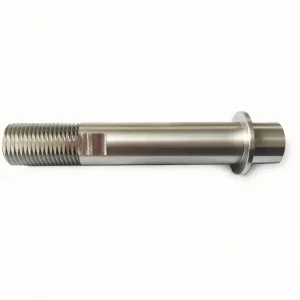
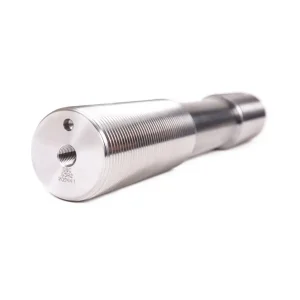
In the modern era of precision engineering, the transition from subtractive manufacturing (CNC machining) to additive manufacturing (3D printing) has revolutionized the fastener industry. At Beiersdorf, we have pioneered the integration of 3D printing technology for nuts and bolts, providing solutions that offer complex geometries, reduced weight, and optimized strength-to-weight ratios that traditional casting cannot achieve.
China has emerged as the global epicenter for industrial additive manufacturing. Leveraging advanced Metal Powder Bed Fusion (PBF) technologies and Direct Energy Deposition (DED), Chinese factories are now capable of producing high-integrity components that meet international aerospace and automotive standards. The synergy between rapid prototyping and mass-production scalability provides our clients with unmatched time-to-market advantages.
As a senior SEO growth strategist, I emphasize that content must provide Information Gain. Our commitment goes beyond manufacturing; it encompasses rigorous compliance with global standards:
Navigating the global procurement of custom 3D printed fasteners requires more than just a competitive price. Key factors for international enterprises include:
Metric Tons of Raw Material
Patented Technologies
Engineering Support
Years Industry Experience
A: Yes, with correct post-processing (heat treatment and HIP - Hot Isostatic Pressing), our 3D printed fasteners can match or exceed the mechanical properties of forged counterparts, often with superior internal consistency.
A: We support a wide range of superalloys including Inconel 718, Titanium Grade 5, Stainless Steel 316L, and high-performance engineering plastics.
A: Absolutely. The main advantage of additive manufacturing is the elimination of expensive tooling, making small-batch and custom prototyping highly cost-effective.
 BSF
BSF