Explore our leading industrial fastening range certified to meet stringent international quality benchmarks.
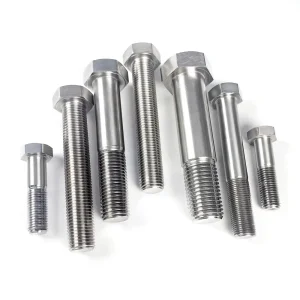
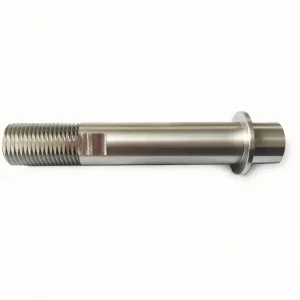
An In-Depth Engineering Analysis of Advanced Thread-Forming Geometries, Material Metallurgy, and Global Industrial Applications
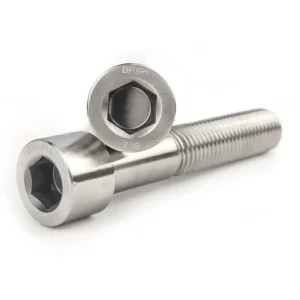
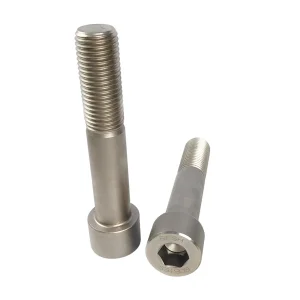
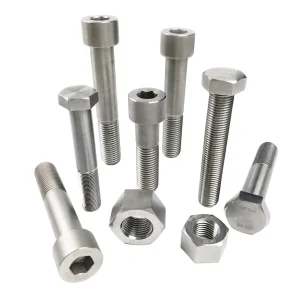
In the field of precision mechanical engineering, the choice of fastener head style directly impacts torque transmission, load distribution, and visual integration. Custom button head self-tapping screws feature a low-profile, dome-shaped head that delivers a unique combination of aesthetic refinement and functional efficiency. The broad under-head bearing surface behaves similarly to an integrated washer, distributing clamping pressure over a wider area. This reduces the risk of crushing thin or soft substrate materials like sheet metals, plastics, and composites.
Unlike standard countersunk fasteners, button heads require no pre-chamfered mating surfaces. This simplifies assembly procedures and lowers overall manufacturing costs. The integration of advanced drive styles, such as Hexagonal (Allen) or Hexalobular (Torx) recesses, enhances cam-out resistance. This allows assembly systems to apply precise torque values without slipping, minimizing surface damage and extending the operational lifespan of assembly tooling.
"Optimized fastening mechanics combine advanced drive configurations with precision-engineered thread profiles to ensure consistent joint tension under thermal cycle and vibration stresses."
Modern manufacturing industries demand fastening systems that can keep pace with lightweight materials, fast-paced production lines, and high durability requirements. Self-tapping screws eliminate the need for secondary tapping operations, which streamlines cycle times in automated automotive, consumer electronics, and heavy industrial assembly plants.
Globally, the transition to Industry 4.0 has heightened requirements for component traceability and manufacturing precision. As an exporter of custom button head self-tapping screws, Beiersdorf Industrial Technology integrates high-grade raw materials with advanced cold-heading machinery to meet strict global tolerances. From high-speed rail systems to marine infrastructure, our fasteners are designed to maintain preload and resist structural relaxation under dynamic loads.
Selecting the correct material grade is critical for preventing joint failures, such as galvanic corrosion, stress corrosion cracking (SCC), and hydrogen embrittlement. Beiersdorf manufactures custom fasteners from a variety of advanced alloys to suit challenging operational environments:
Austenitic Stainless Steel (A4-80, A5-80): Provides excellent marine corrosion resistance, maintaining structural strength in salt spray and chemical processing environments.
Super Duplex Alloys (2205/2507): Combines the benefits of austenitic and ferritic steels, offering high yield strength alongside resistance to localized pitting and crevice corrosion.
Titanium & Cobalt Alloys: Crucial for aerospace and biomedical applications where high strength-to-weight ratios and bio-compatibility are required.
Non-Magnetic Materials: Vital for semiconductor assembly, medical MRI housings, and scientific instrumentation where stray magnetic fields can interfere with sensitive electronics.
How Beiersdorf ensures zero-defect engineering and supply chain resilience for international markets.
We implement a strict sampling and optical sorting inspection protocol, striving for zero defects in every production run leaving our facility.
Our engineering group holds more than 100 utility model patents and 8 invention patents, keeping us at the forefront of global fastening technology.
We maintain approximately 100,000 product configurations, backed by 500 tons of specialty raw materials and 10,000 tons of standard stainless steel parts in stock.
Precision-made fasteners supporting structural safety in demanding physical environments.
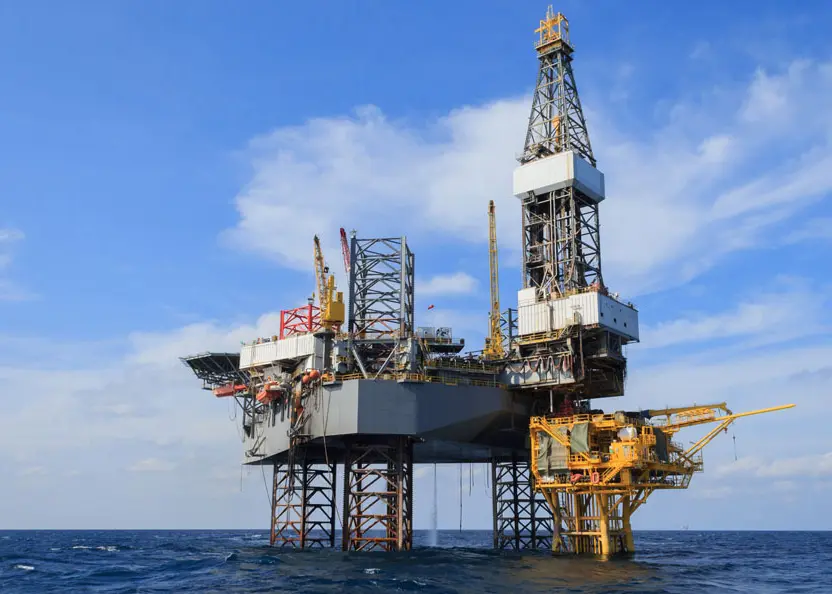
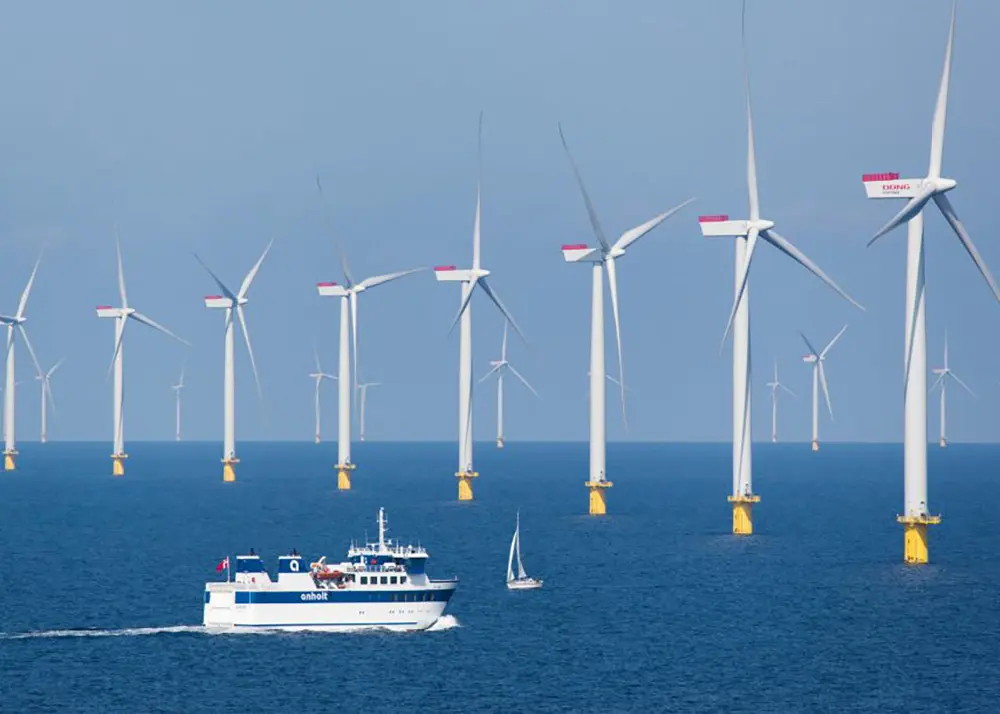
Our specialty fasteners are widely utilized in shipbuilding, marine propulsion, offshore wind energy, and oil platforms. Solutions include CCS-certified A4-80, A5-80, Super Duplex 2205, and Inconel 718 bolts built for high marine salinity.
Designed for gas turbines, generators, and nuclear power auxiliary equipment, these fasteners withstand thermal expansion and contraction cycles under high operating temperatures up to 1200℃.
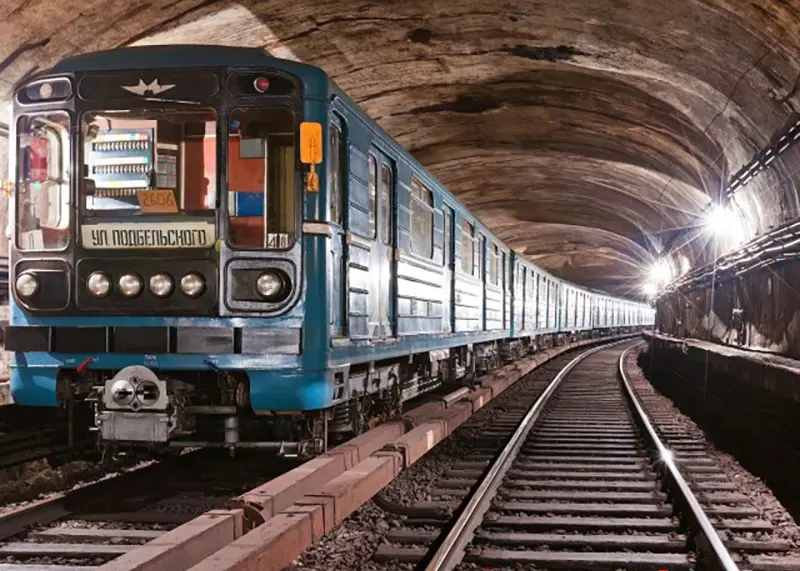
High-vibration resistance is essential in rail cars and undercarriage structural frames. Our locking self-tapping systems protect track and coach sub-assemblies from dynamic stress loosening.

Ultra-high precision machined components and non-magnetic fasteners protect micro-circuit configurations from electromagnetism, helping maintain signal integrity in telecom base stations.
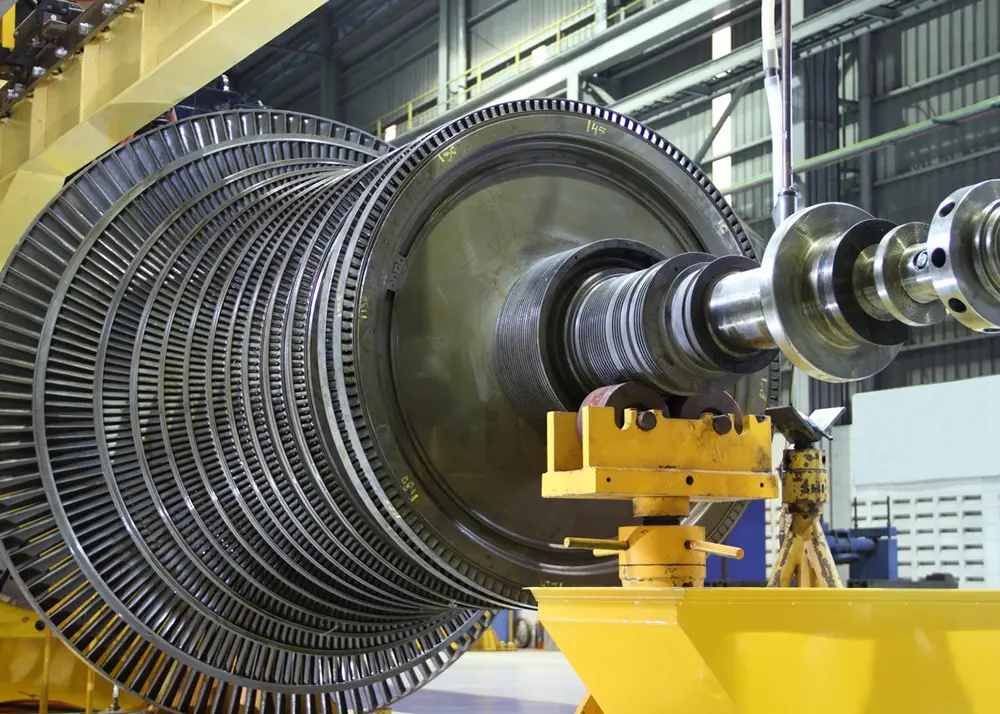
Withstanding high-pressure pipelines and highly acidic processing mediums, our special alloy fasteners and Inconel bolts protect petrochemical plants from costly containment failures.
Stay informed with the latest updates on manufacturing expansion, engineering trends, and global supply chain logistics.
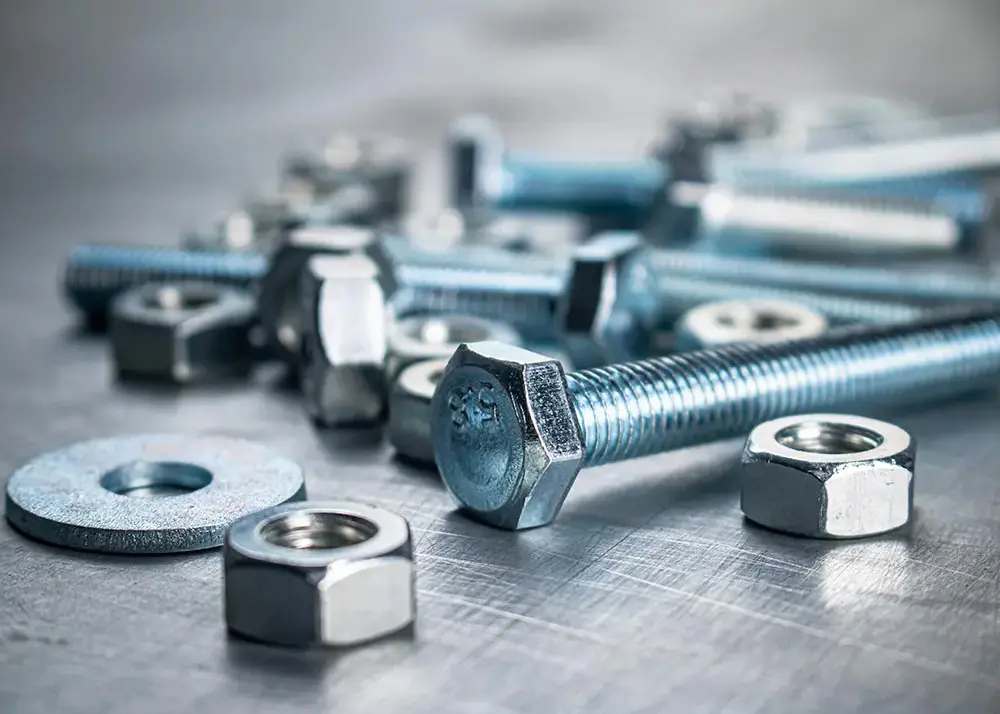
In the heart of the global industrial landscape, the fastener industry stands as a silent but crucial cog driving the machinery of progress. As we step into 2025, the future of fasteners is poised...
View More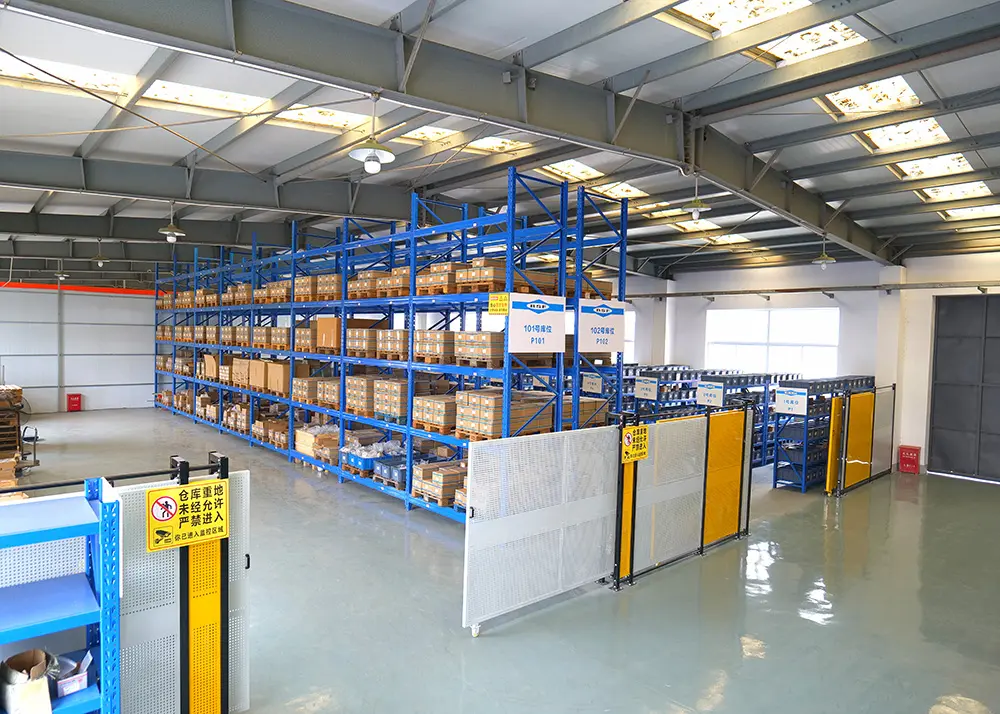
Beiersdorf, a leading global fasteners supply company, has announced the commencement of a comprehensive warehouse renovation project. This initiative is part of the company's ongoing commitment...
View More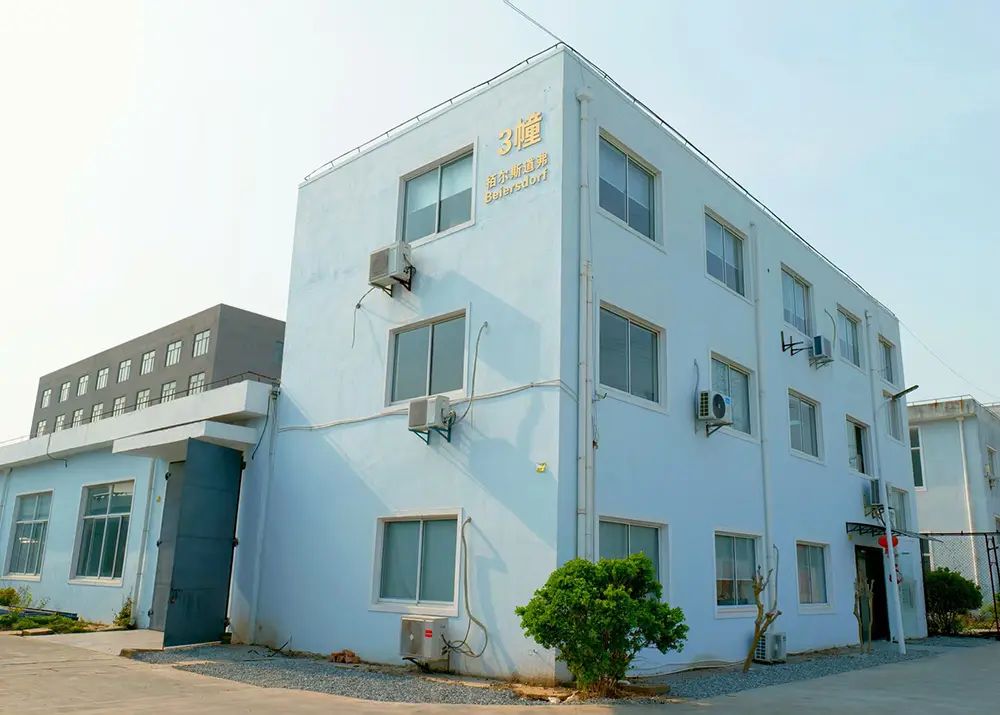
Beiersdorf (Shanghai) was founded in 2015. We are a company with a global perspective dedicated to providing professional fastener solutions. Fasteners, as the most basic and common mechanical parts...
View MoreServing OEM/ODM partners across Europe, the Americas, Southeast Asia, and beyond.


Common technical queries from design engineers and procurement officers regarding custom self-tapping fasteners.
Thread-cutting screws are designed with cutting edges or chip cavities that remove material from the host substrate, making them ideal for cast iron, structural plastics, and heavier sheet metals. Thread-forming screws, on the other hand, displace material outward without generating debris. This makes them suited for softer metals and assemblies where contamination from metal shavings must be avoided.
The recommended pilot hole size depends on the thickness and hardness of the substrate material. Harder materials require a slightly larger pilot hole to reduce drive torque and prevent screw breakage. Softer materials allow for a smaller pilot hole to maximize thread engagement and resistance to pull-out forces.
To counter galvanic corrosion, we match materials to their environmental context (e.g., using A4-80 stainless steel or duplex alloys for marine applications). We also apply specialized zinc-nickel coatings or passivation treatments that separate active electrical potentials between the fastener and the surrounding metal structure.
At high temperatures (up to 1200℃), standard carbon steels lose mechanical strength and suffer from oxidation and thread relaxation. To maintain joint tension, we construct fasteners from superalloys like Inconel 718 or high-strength titanium alloys, which resist creep deformation and thermal breakdown under extreme conditions.
Yes. Our non-magnetic fasteners are engineered from specialized titanium or high-grade stainless alloys that preserve their low-magnetic signature while retaining their high yield strength. For vibration-heavy applications, these fasteners can be combined with locking thread profiles or anaerobic thread-locking compounds to maintain integrity.
Yes. We specialize in custom manufacturing, offering tailored thread pitches, length specifications, driver recess styles, and custom collar profiles to meet specific engineering drawings.
Beiersdorf provides technical consultations and guidance related to fasteners, including the selection of raw materials during the design stage, as well as installation and maintenance support.
Need a Consultation? Contact Us 24/7
Our extended collection of high-tensile fasteners, non-magnetic solutions, and marine classification certified hardware.
 BSF
BSF