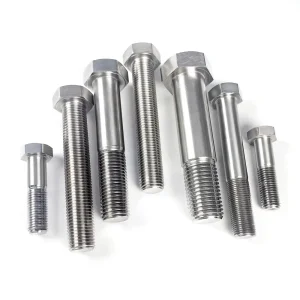
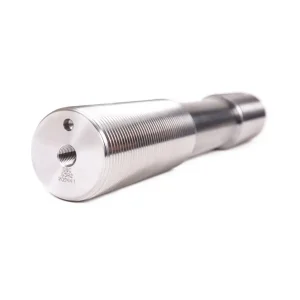
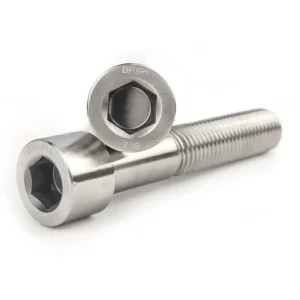
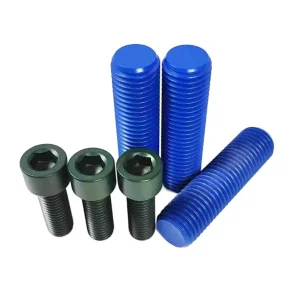
In modern high-tolerance manufacturing, fastener mismatches are more than minor annoyances; they represent critical points of structural failure. Utilizing a highly precise Custom Nut and Bolt Identifier is paramount to ensuring mechanical integrity in industries ranging from deep-sea marine exploration to sub-zero aerospace applications. Proper thread classification relies on accurate gauge readings of pitch, major and minor diameters, thread angle, and helix directions.
A comprehensive nut and bolt identification workflow encompasses dimensional inspection and metallurgical identification. Fasteners must be assessed for material composition, heat treatment certifications, and mechanical properties. Standard carbon steel fasteners might suffice for general engineering, but specialized applications demand materials such as super stainless steel, titanium, cobalt alloys, and nickel alloys to handle extreme thermal, mechanical, and chemical challenges.
For custom high-strength alloy bolts, measuring the outer crest-to-crest diameter is only the first step. True identification requires verification of the pitch circle diameter (PCD) and thread profile parameters via optical comparators or digital profile checkers to prevent cross-threading under heavy torque loads.
Beiersdorf Industrial Technology (Shanghai) Co., Ltd. has established a highly sophisticated manufacturing footprint in Shanghai, China since 2015. Our 2,535 m² production base is designed to meet the rigorous demands of custom component fabrication. By leveraging China’s highly integrated steel mill and chemical supply chains, we maintain access to specialized raw materials, ensuring continuous availability and rapid turnaround times.
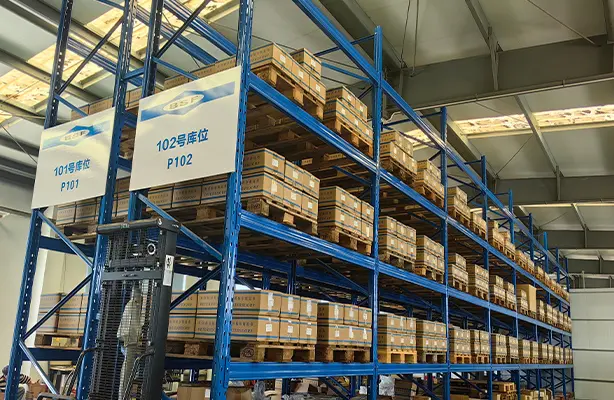
Our warehouse operations currently carry nearly 100,000 product models, backed by an active stock of 500 tons of special raw materials and 10,000 tons of finished stainless steel standard parts. This significant volume of stock buffers global supply chains against volatile material markets and logistical disruptions, allowing us to supply global clients without long lead times.
Our strict sampling and inspection systems aim for zero defects, utilizing non-destructive testing (NDT), ultrasonic testing, and precise dimensional verification for every outbound batch.
Driven by technical innovation, our group holds over 100 utility model patents and 8 invention patents, keeping us at the forefront of fastener engineering.
Our smart inventory system manages millions of high-precision components, facilitating rapid dispatch and customs processing to simplify global shipping.
Global engineering procurement teams face strict safety and regulatory demands. Materials used in deep-water marine setups, petrochemical plants, and rail transit systems must comply with international standards like ASTM, DIN, EN, and ISO. When source materials are modified to improve corrosion resistance or strength, matching thread identifiers to these custom compositions becomes a critical task.
For maritime engineering, classification society approval is a primary regulatory hurdle. Beiersdorf supplies fasteners certified by major international classification societies (such as China Classification Society - CCS), guaranteeing that every batch meets density, yield strength, and shear limits for shipbuilding and offshore oil platforms. Additionally, our fasteners are engineered to handle extreme temperatures, ranging from -270℃ low-temperature storage units up to 1200℃ high-temperature exhaust and combustion environments.
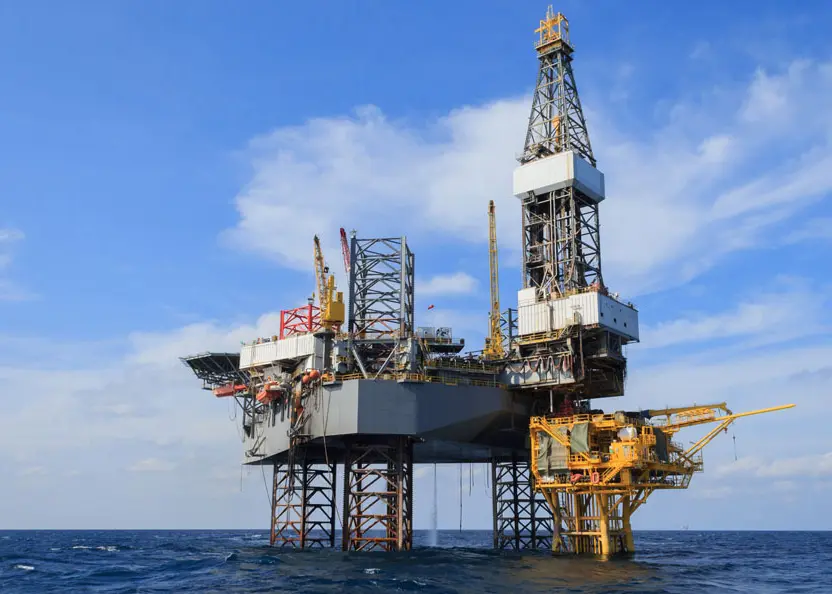
Specialized fasteners like A4-80, A5-80, D8-80, D6-70, Duplex 2205, L7, and 40CrNiMoA are extensively utilized in marine propulsion systems, offshore drilling rigs, submarine pipelines, and wind power installations. Compliance with marine classification society requirements prevents galvanic corrosion in highly saline coastal environments.
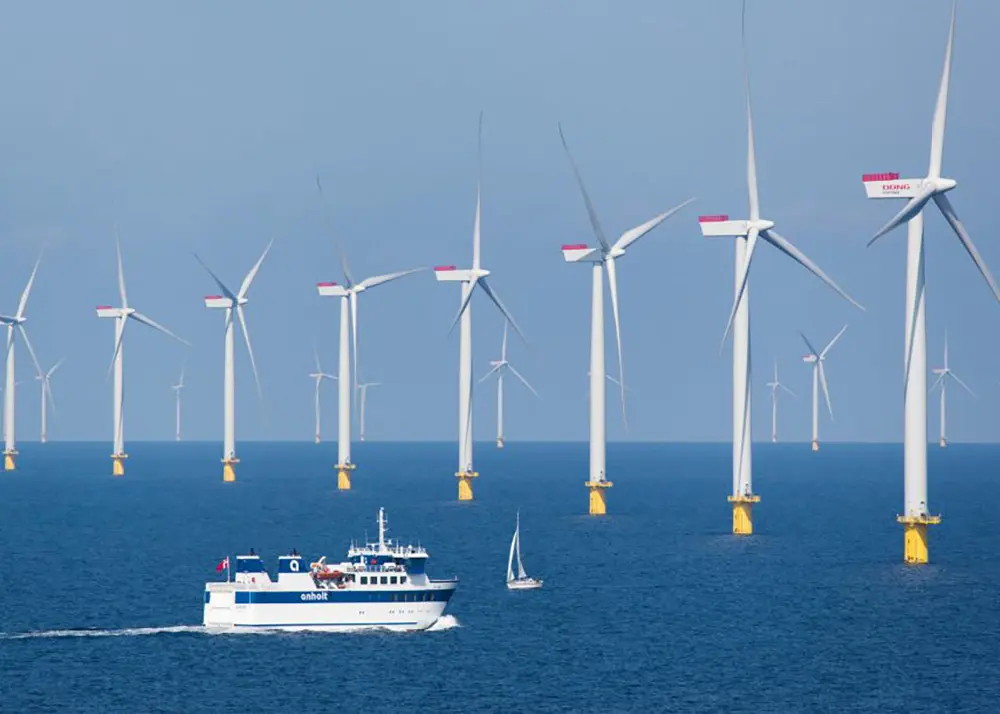
Power generation applications require fasteners capable of withstanding intense thermal cycles and extreme vibration. High-temperature fasteners rated up to 1200℃ and high-tensile fasteners (up to 1900 MPa) ensure structural stability in turbines, reactors, and thermal generators.
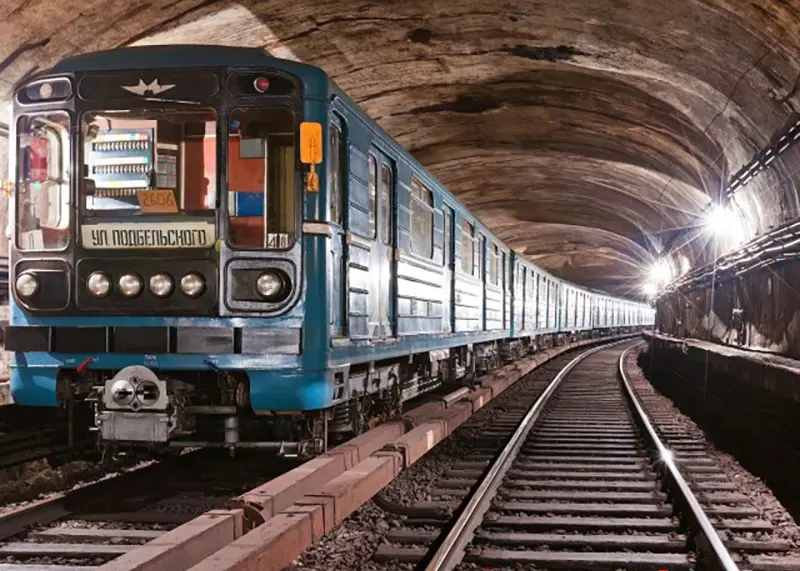
High-speed rail requires materials resistant to fatigue and dynamic mechanical stress. We offer customized alloy fasteners that maintain clamping force under sustained vibrational stress, supported by material traceability to verify tensile and impact performance.

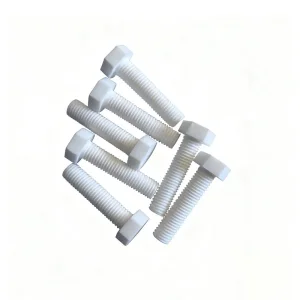
Non-magnetic fasteners are critical for precision electronics and aerospace equipment to prevent electromagnetic interference. In petrochemical applications, our chemical-resistant plastic and special alloy bolts handle corrosive chemicals and high pressures.
The global industrial fastener sector is shifting toward smart tracking, automated sorting, and advanced material science. Modern supply chains increasingly deploy digital thread recognition tools alongside mechanical nut and bolt identifiers. Handheld digital analyzers and laser-marking systems help operators instantly check thread pitches, diameters, and metallurgical composition in the field, minimizing errors and saving valuable maintenance time.
Simultaneously, the demand for lightweight and super-strong materials is rising. Titanium Grade 5 (Ti-6Al-4V) and advanced polymers are replacing standard heavy carbon steels in weight-sensitive applications. Modern fasteners are also expected to operate in broader temperature envelopes. High-pressure cryogenic systems need materials that avoid low-temperature brittleness down to -270℃, while jet engines and chemical processing plants require alloys that resist thermal oxidation at temperatures exceeding 1000℃.
Established in 2015 in Shanghai, China, Beiersdorf Industrial Technology (Shanghai) Co., Ltd. has developed into a specialized supplier of custom fasteners and ultra-high-precision components. Guided by the principle that "Product quality is the foundation for an enterprise's survival," we combine rigorous technical R&D with advanced quality control systems.
We supply a global customer base with critical components for marine engineering, rail transit, aerospace, energy production, and chemical processing, maintaining high compliance standards for every project.

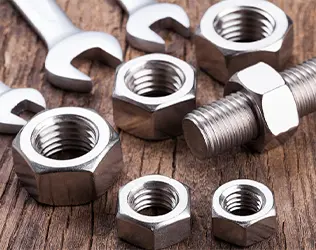
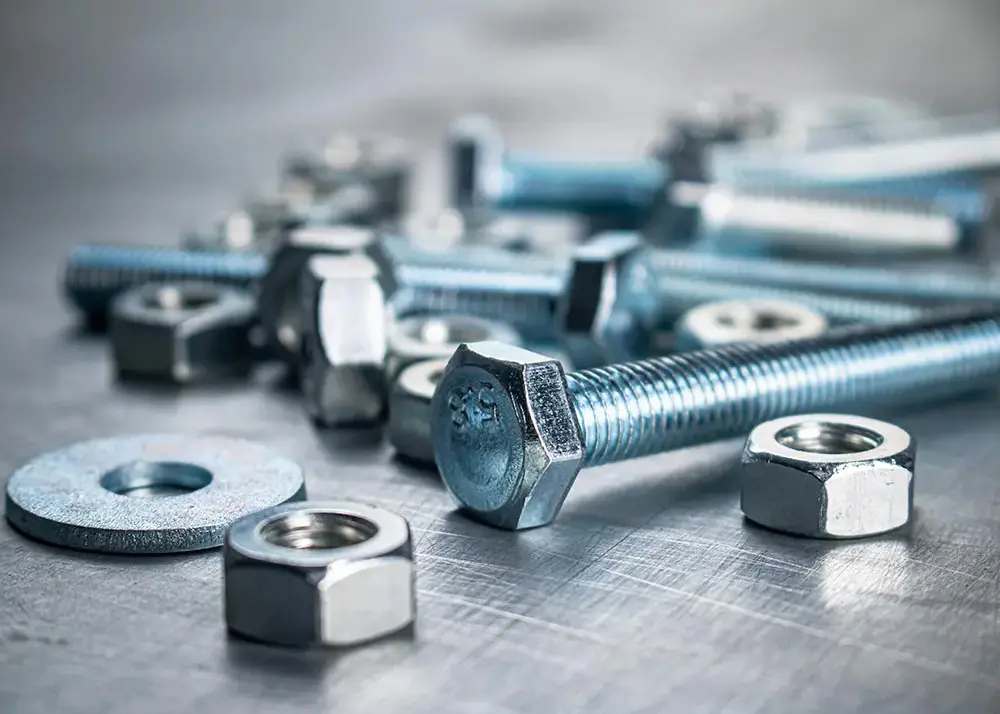
As we move into 2025, the fastener sector faces shifts toward automation, sustainability, and high-performance materials designed to lower carbon footprints...
Read More →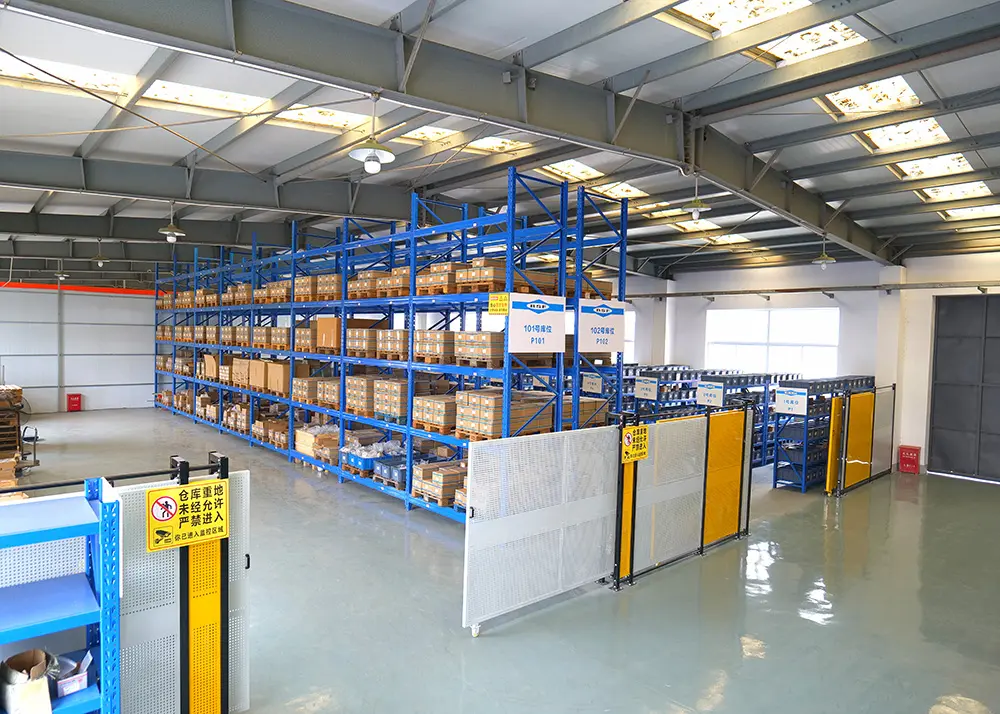
To optimize logistics and handle expanding component lines, Beiersdorf has launched a warehouse modernization initiative to streamline global order fulfillment...
Read More →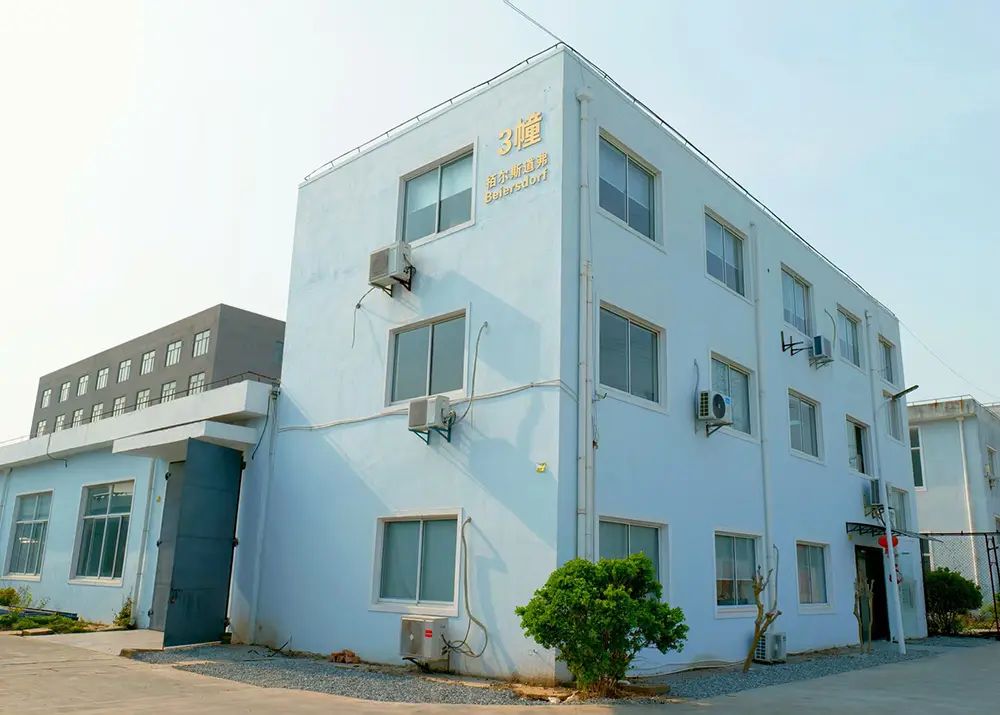
Since our founding in 2015, we have committed to delivering specialized fastener solutions and technical advisory services to engineering clients worldwide...
Read More →Our sales and service network covers key industrial hubs worldwide. Beiersdorf fasteners are utilized by engineering teams across Europe, North America, Southeast Asia, and the Middle East.
Through close coordination with local agents, we provide timely technical guidance, material testing reports, and logistics support to keep your operations running smoothly.


Beiersdorf provides technical consultation and guidance, assisting with alloy selection, thread profiling, and long-term installation support. Contact our engineering team for expert assistance on your project.
 BSF
BSF