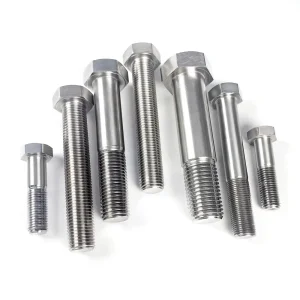
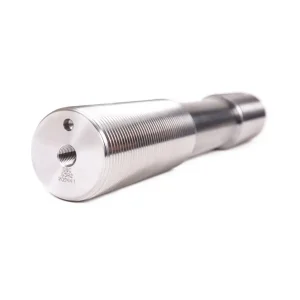
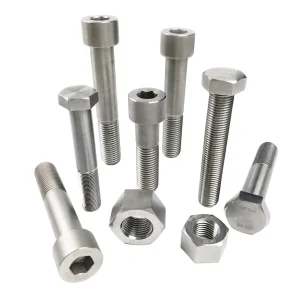
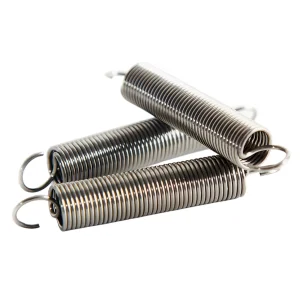
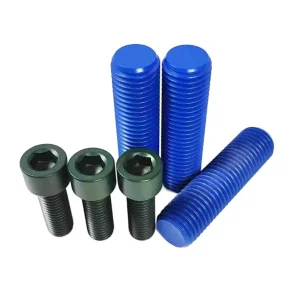
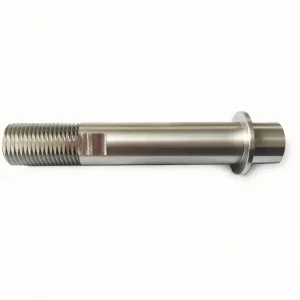
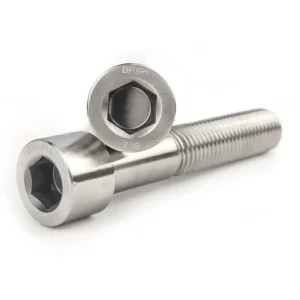
High-Precision Industrial Fasteners Optimized for Advanced Mechanical Assemblies
Stainless self-tapping screws represent a vital category of mechanical fasteners engineered to form their own mating threads when driven into pre-drilled or self-pierced pilot holes. Unlike standard machine screws that necessitate a pre-tapped mating thread, self-tapping screws utilize specialized thread profiles and structural geometries to displace or cut materials, achieving superior pull-out resistance and long-term joint integrity. This operational profile makes them critical components across high-stress applications in aerospace engineering, marine assembly, automotive construction, and civil infrastructure projects.
The mechanical performance of a self-tapping joint depends significantly on the thread configuration of the fastener. Industrial self-tapping screws are generally classified into two fundamental typologies: Thread-Forming and Thread-Cutting.
Thread-Forming Fasteners: Designed primarily for ductile materials (such as structural aluminum, plastics, and mild steels), these fasteners generate internal threads by plastic deformation. As the screw is driven into the pilot hole, the material flows around the flanks of the thread profile. This displacement process work-hardens the surrounding material, increasing the localized shear strength and overall resistance to strip-out. Since no material is removed, this method prevents the generation of chips or debris, which is critical in cleanroom, semiconductor, and sensitive electronic assemblies.
Thread-Cutting Fasteners: Engineered with cutting edges or chip-flutes carved into the leading threads, these fasteners behave like miniature taps. They cut material from the internal wall of the pilot hole as they advance. Thread-cutting self-tapping screws are particularly optimized for harder, more brittle substrates such as cast iron, structural steel, or thick fiberglass composites. The removal of material minimizes the risk of driving torque spike and radial stress fractures in brittle substrates, though it does generate particulate remnants that must be accounted for in the engineering design.
The selection of the specific stainless steel alloy grade determines both the environmental limits and structural capabilities of the self-tapping screw. The primary alloys utilized in high-performance configurations include:
State-of-the-Art Quality Assurance, Specialized Research and Scalable Global Warehousing

We have formulated the most stringent sampling inspection system, utilizing advanced optical scanners and mechanical load tests to strive to achieve zero defects for all products leaving our facility.

At present, our entire group has more than 100 utility model patented products and eight invention patented products, driving innovation in fastening materials and geometries.

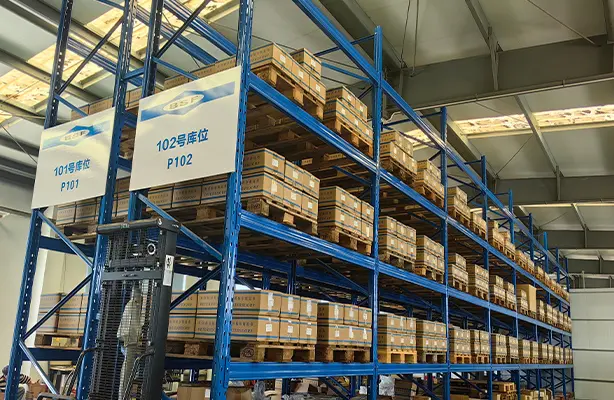
We currently operate nearly 100,000 product models, maintaining 500 tons of specialized raw material alloys and over 10,000 tons of finished stainless steel standard parts in stock for rapid global dispatch.
For global engineering departments and procurement officers, sourcing stainless self-tapping screws from Chinese industrial hubs offers a unique combination of cost optimization, raw material security, and technological agility. The concentration of integrated supply chain clusters in regions such as Shanghai, Jiangsu, and Zhejiang enables manufacturers to streamline operations and offer customization options that are difficult to replicate elsewhere.
China is a global leader in crude stainless steel production, hosting some of the world’s most advanced metallurgical processing mills. This localized concentration minimizes transportation overheads and guarantees a reliable supply of raw wire rods. By vertically integrating raw material sourcing, chemical assay validation, and wire-drawing within compact geographical clusters, Chinese manufacturers can shield clients from wild commodity price swings and supply bottlenecks. Furthermore, specialized alloy components (such as Inconel, Titanium, and Cobalt alloys) are readily available, enabling the manufacturing of hybrid fastening systems designed for extreme environments.
Modern production facilities utilize high-speed multi-station cold-heading machines and automated thread-rolling systems. These machines transform raw alloy wire into precisely formed screw blanks at rapid rates while maintaining strict dimensional tolerances. Cold-heading work-hardens the head and shank of the screw, aligning the material's grain flow to enhance fatigue resistance and shear strength. This level of automation ensures consistency across millions of units and helps lower production costs, providing global buyers with high-quality products at competitive price points.
Beiersdorf Industrial Technology (Shanghai) Co., Ltd. was established in 2015 and is located in Shanghai, China. It is an enterprise mainly engaged in the business of special fasteners and ultra-high precision components.
Guided by the principle that "Product quality is the foundation for an enterprise's survival," we strive to deliver robust structural components to our clients worldwide. Under our corporate philosophy, "Heart to sunshine, everything to prosperity," we commit to long-term collaborative partnerships powered by technical engineering support and supply chain reliability.
 Quality First
 Sunlit Innovation

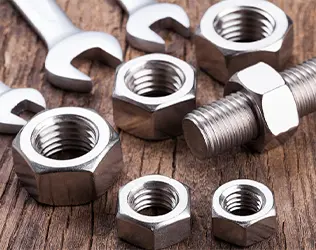

Engineered Specialties to Withstand Severe Temperatures, Loads and Corrosive Mediums
 -270℃ Low-temperature Fasteners
 Titanium Alloy Fasteners
 Cobalt Alloy Fasteners
Nickel Alloy Fasteners
High-Tensile Fasteners (Up to 1900 MPa)
1200℃ High-temperature Fasteners
Cobalt Alloy Fasteners
Nickel Alloy Fasteners
High-Tensile Fasteners (Up to 1900 MPa)
1200℃ High-temperature Fasteners
Navigating global procurement dynamics requires strict adherence to international standardizations. To guarantee compatibility, strength, and structural integrity, self-tapping screws are manufactured according to a set of recognized specifications. Understanding these standards is critical for quality control departments and mechanical engineers.
Self-tapping screws must conform to standards that govern pitch, thread depth, head dimensions, and drive types. The dominant global framework includes:
A reliable supplier must provide full mechanical and chemical trace validation for every batch of screws. For projects operating in critical environments, procurement should require:
EN 10204 3.1 Material Certificate: This document certifies the chemical composition (percentages of Chromium, Nickel, Molybdenum, Carbon, etc.) and mechanical values (yield strength, tensile strength, hardness, elongation) verified through direct tests on the product's production run.
RoHS and REACH Compliance: Verifies that the fasteners are free from hazardous substances such as lead, mercury, cadmium, or hexavalent chromium. This is mandatory for electronics sold in European and North American markets.
Classification Society Approvals: Marine and offshore applications require fasteners certified by organizations such as DNV, ABS, or CCS (China Classification Society). This certification guarantees that the fasteners can withstand dynamic marine loads, saltwater corrosion, and high fatigue requirements.
Comprehensive Catalog of Standard and Specialty Mechanical Fastening Components
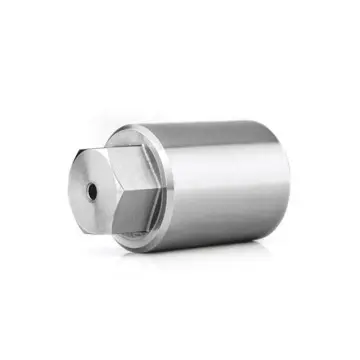
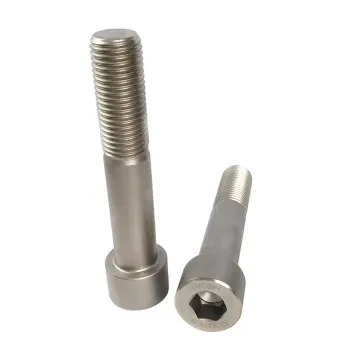
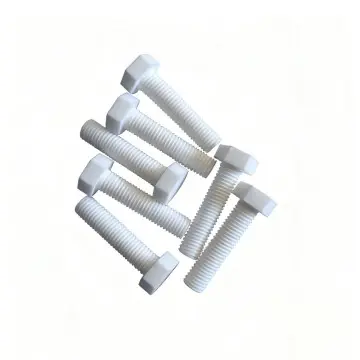
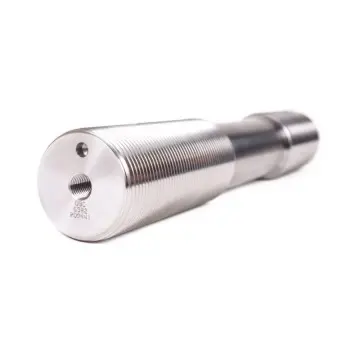
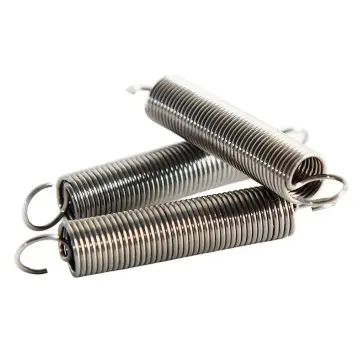
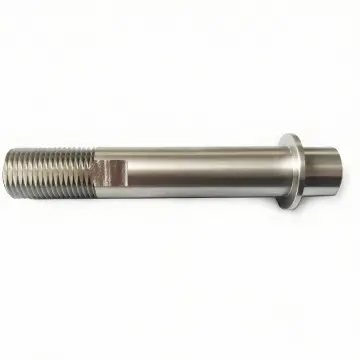
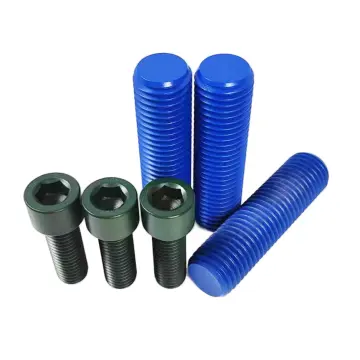
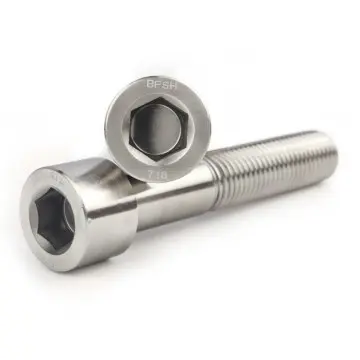
High-Performance Fasteners Tailored for Global Industries

Widely used in specialized ships, marine propulsion, offshore oil drilling platforms, submarine pipelines, and dock construction. Supported grades include A4-80, A5-80, Duplex 2205, L7, and Classification Society certified fasteners designed to withstand saltwater immersion and extreme dynamic loads.

Our fasteners support wind turbines, solar framing assemblies, nuclear power stations, and power transmission grids. These applications require high-strength creep-resistant alloys that maintain structural integrity across wide thermal ranges.

Engineered for high-speed railways, metro train cars, bogie structures, and track signaling devices. Focuses on resisting vibration-induced loosening through optimized thread geometries and high-tensile locking configurations.

Ultra-high precision micro screws engineered for computing casings, telecom towers, base stations, and aerospace avionics. Provides corrosion resistance, non-magnetic properties, and clean, chip-free thread forming.
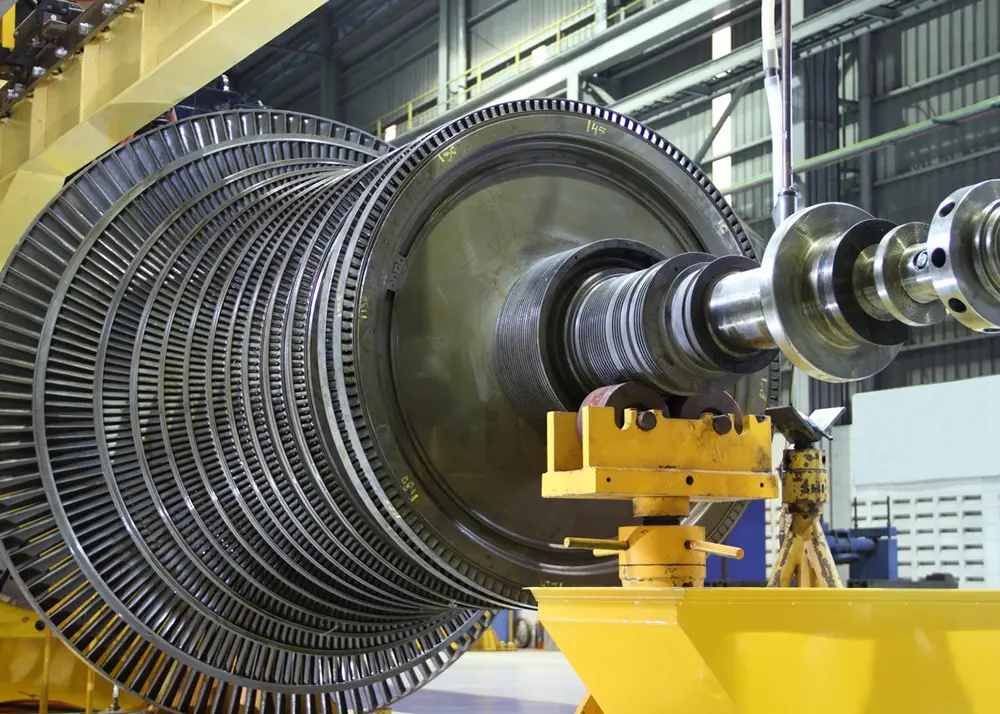
Providing fasteners for refineries, chemical reactors, pressure vessels, and processing plants. Tailored to withstand corrosive chemicals, high pressures, and extreme temperatures utilizing Super Duplex and Nickel alloys.
Providing localized engineering, regional distribution compliance, and warehousing services across the EU and Americas. We offer direct technical consultations, installation training, and just-in-time logistics support.
The global fastener landscape is evolving, driven by demands for lighter materials, higher strength, and improved sustainability. Understanding these trends helps businesses select the right fastening solutions for their future projects.
Modern design often incorporates thin-gauge high-strength steels and lightweight aluminum alloys. Traditional self-tapping screws can strip the thread in thin materials due to insufficient thread engagement. To address this, manufacturers are designing screws with optimized thread pitches and localized undercuts under the screw head. This allows the material to flow into the undercut, increasing axial pull-out resistance and preventing stripping even in sheet metals thinner than 1.0mm.
While stainless steel provides inherent corrosion resistance, specific applications require additional surface treatments. Modern options include:
Over-tightening self-tapping screws can strip the newly formed internal threads, while under-tightening compromises joint integrity. Modern assembly lines use smart electric screwdrivers with torque-angle monitoring. This technology tracks torque throughout the driving process to ensure the screw seats correctly, indicating whether the joint has been formed to specifications. Manufacturers assist this process by providing torque-to-yield and failure-torque curves for various substrates.
Beiersdorf is not only a supplier of special fasteners, but also provides technical consultations and guidance related to fasteners, including the selection of products and raw materials in the design phase, as well as installation guidance and maintenance support.
Need a Technical Consultation? Contact Us 24/7
Stay Updated with Technological Breakthroughs, Facility Renovations, and Industry Outlooks
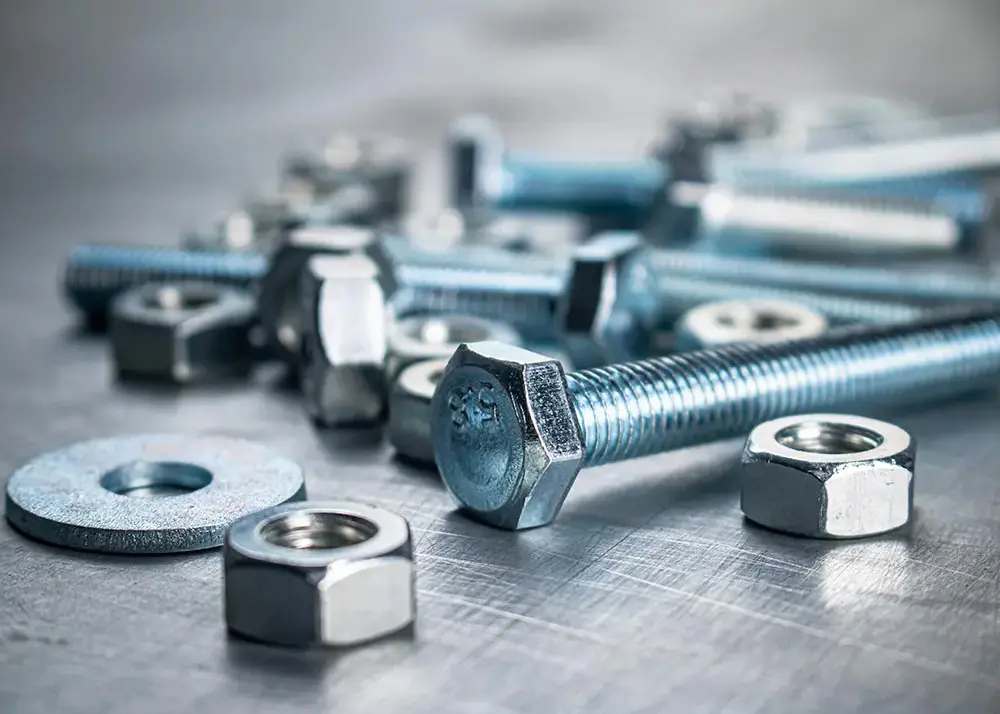
In the heart of the global industrial landscape, the fastener industry stands as a silent but crucial cog driving the machinery of progress. As we step into 2025, the future of fasteners is poised to undergo significant changes, focusing heavily on eco-friendly coating technologies and advanced thread designs.
View More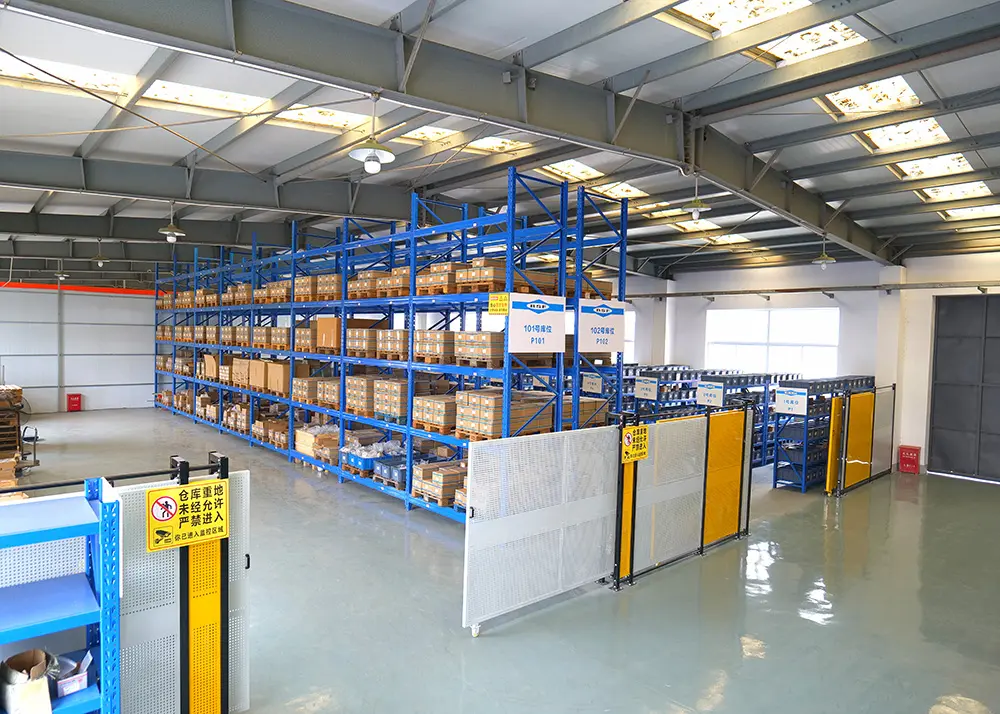
Beiersdorf, a leading global fasteners supply company, has announced the commencement of a comprehensive warehouse renovation project. This initiative is part of the company's ongoing commitment to optimize logistics, integrate modern AGV warehouse automation systems, and shorten global delivery times.
View More
Beiersdorf (Shanghai) was founded in 2015. We are a company with a global perspective dedicated to providing professional fastener solutions. Fasteners, as the most basic and common mechanical parts, are critical for maintaining structural stability in modern engineering projects.
View MoreServing OEM Partners and Structural Projects Across 60+ Countries Globally


Insights from Our Metallurgical Engineers and Technical Support Teams
Thread galling, or cold welding, occurs when friction-induced heat breaks down the protective chromium oxide surface film of stainless steel fasteners during tightening. This allows high points on the mating threads to weld together under pressure, leading to locked threads or broken fasteners. To prevent galling, designers should reduce installation speed, apply lubricant coatings (like waxes or dry film lubricants), and ensure proper thread alignment during assembly.
Austenitic grades like 304 and 316 cannot be hardened by thermal treatment, meaning they are typically softer than carbon steels and some aluminum alloys. Attempting to tap them directly into hard metals can cause the screw threads to collapse. For metal-to-metal applications, we recommend martensitic Grade 410, which can be heat-treated to achieve the necessary hardness, or utilizing pre-formed pilot holes sized to match the screw's thread parameters.
The ideal pilot hole diameter depends on the material hardness, thickness, and whether a thread-forming or thread-cutting screw is used. Generally, harder materials require slightly larger pilot holes to reduce the risk of structural splitting and installation torque spikes. The pilot hole diameter should fall between the screw's minor diameter and its pitch diameter. For critical applications, we recommend performing torque tests on sample materials to establish the optimal driving parameters.
Galvanic corrosion can occur when dissimilar metals, like stainless steel and aluminum, are in contact in the presence of an electrolyte (like moisture or saltwater). Since stainless steel is more noble, the aluminum will corrode preferentially. To mitigate this risk, you can isolate the metals using non-conductive washers (such as nylon or EPDM), apply organic or zinc-rich barrier coatings, or keep the assembly dry to eliminate the electrolyte path.
Engineered to Meet International Compliance Frameworks and Structural Load Requirements
 BSF
BSF