Explore high-precision custom metric solutions engineered to support heavy industries, marine exploration, and high-tolerance aerospace equipment.
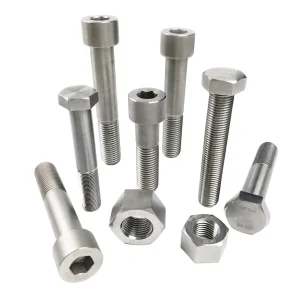
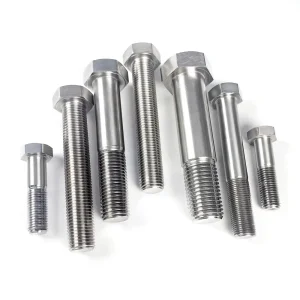
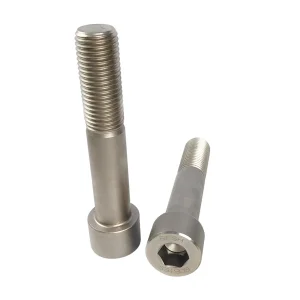
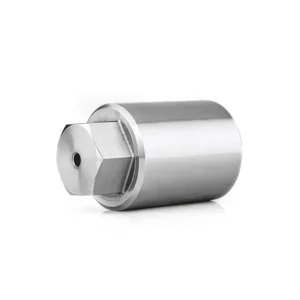
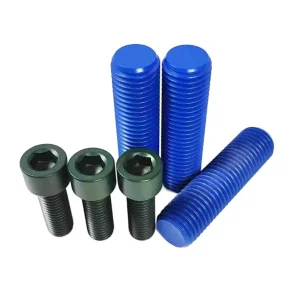
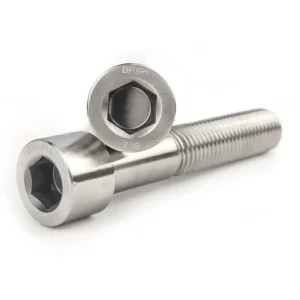
M5 stainless steel bolts represent one of the most critical structural nodes in modern micro-mechanical assemblies, electronic enclosures, automotive sub-systems, and precision marine instruments. Standardized under ISO and DIN specifications, the nominal thread diameter of 5mm (with a standard thread pitch of 0.8mm for coarse threads and 0.5mm for fine threads) offers an optimal balance between torque transmission, space-saving design, and sheer load capacity. In critical procurement phases, engineering teams look beyond basic sizing to analyze the metallurgical characteristics, manufacturing processes, and exact corrosion-resistance attributes that determine in-field survival.
While coarse-pitch (0.8mm) threads are standard for fast installation and reliable thread engagement in softer materials, fine-pitch (0.5mm) M5 bolts provide finer adjustments and significantly higher resistance to vibrational loosening, making them indispensable in automotive and aerospace electronics.
The performance of an M5 bolt is heavily defined by its material composition. Austenitic stainless steels such as A2 (equivalent to Grade 304/SUS304) and A4 (equivalent to Grade 316/SUS316) represent the backbone of global B2B procurement, but specialized environments require high-strength nickel or titanium alloys:
| Fastener Material Grade | Nominal Tensile Strength | Chemical Composition Features | Optimal Applications |
|---|---|---|---|
| A2-70 (304 Stainless) | 700 MPa | 18% Cr, 8% Ni | General assembly, indoor machinery |
| A4-80 (316 Marine) | 800 MPa | 18% Cr, 10% Ni, 2% Mo | Coastal equipment, chemical processing |
| Duplex 2205 | 900 - 1100 MPa | 22% Cr, 5% Ni, 3% Mo, N | Offshore structural nodes, pumping rigs |
| Inconel 718 | 1200 - 1400 MPa | 52.5% Ni, 19% Cr, 3% Mo, 5% Nb | Aerospace engines, high-temp reactors |
Due to the relatively small stress area of M5 threads (approximately 14.2 mm²), calculating tightening torque values ($T = K \cdot F_p \cdot d$) is essential to prevent plastic deformation or premature fatigue failure. Mechanical engineers must strictly monitor torque parameters to avoid over-tightening, which leads to thread stripping or stress-induced cracking, especially in automated assembly lines. Proper passivation is crucial for stainless steel fasteners to restore the passive Chromium Oxide ($Cr_2O_3$) protective layer that prevents surface oxidation and thread galling during installation.
In Google's E-E-A-T search framework, genuine technical depth separates reputable factories from drop-shippers. This document details actual metallurgical engineering data to assist global procurement managers in selecting the exact fastener specification for high-stress applications.
Need help calculating torque limits or choosing the right alloy for corrosive chemical processing? Ask our R&D team directly.
Call: +86(0)21-38022886Beiersdorf Industrial Technology integrates modern manufacturing standards to secure continuous raw material supply, optimize production, and guarantee zero-defect shipments.
Innovation is key. At present, our entire group holds more than 100 utility model patented products and eight invention patented products, ensuring advanced designs are integrated directly into our custom client applications.
We have formulated the most stringent sampling inspection system. Through mechanical, physical, and optical screening tests, we strive to achieve zero defects for every batch leaving our factory floors.
We operate nearly 100,000 product models. To buffer against raw material price spikes and shipping delays, we maintain 500 tons of special raw materials and 10,000 tons of finished stainless steel standard parts in stock.
Beiersdorf manufactures high-end fasteners to resist dynamic fatigue and corrosion across extreme thermal and chemical environments.
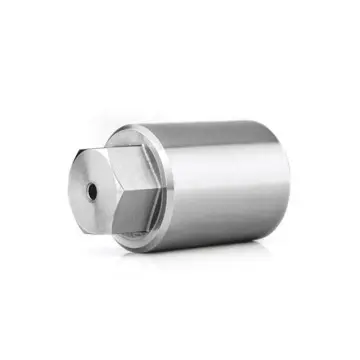
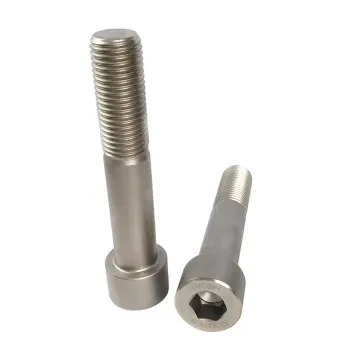
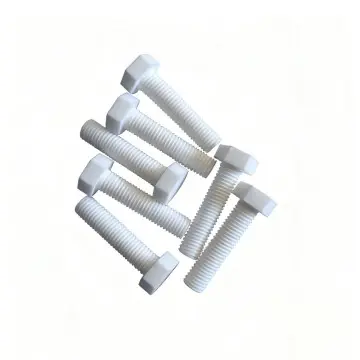
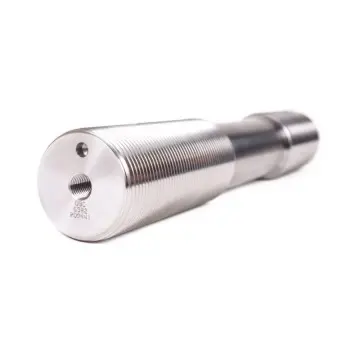
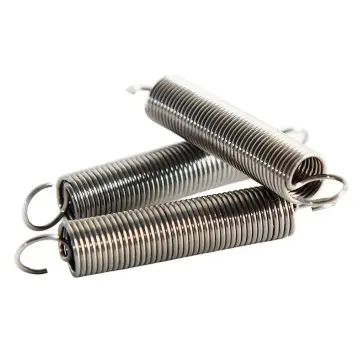
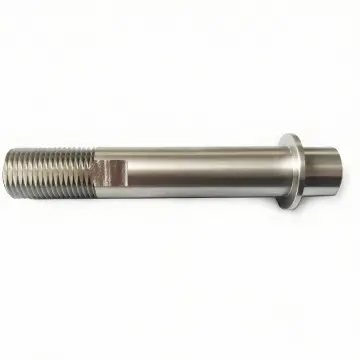
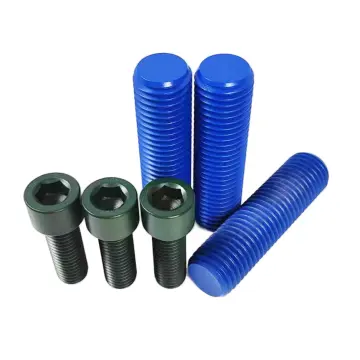
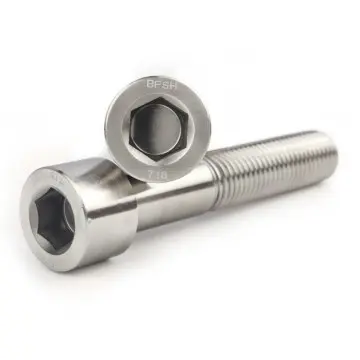
Industrial machinery often operates far beyond ambient temperatures. At the lower end of the scale, applications like superconducting magnet assemblies, cryogenic fuel storage tanks, and space exploration equipment require materials that do not undergo a ductile-to-brittle transition. Standard carbon steels fracture instantly under stress at low temperatures. In contrast, Beiersdorf’s custom low-temperature fasteners maintain ductility down to -270℃. For ultra-high temperature applications such as petrochemical crackers, marine diesel exhaust turbines, and industrial kiln hinges, we design fasteners using nickel-chromium-cobalt superalloys capable of resisting thermal creep, oxidation, and structural deformation up to 1200℃.
In addition, electrical systems, MRI equipment, and highly sensitive radar installations require fasteners that will not disrupt magnetic fields. Standard steel fasteners, even some common stainless steel options that have undergone cold work, develop a level of ferromagnetism. Beiersdorf produces completely non-magnetic options through specialized annealing processes and careful chemical control of elements like manganese and nitrogen, ensuring they remain magnetically inert.
Providing technical solutions for ocean vessels, power plants, public transit systems, and critical chemical infrastructures.
Our special fasteners are widely used in the field of shipbuilding and oceanography engineering, specifically in the manufacture of special ships, marine propulsion, marine accessories, yacht manufacturing, offshore oil drilling platforms, submarine pipelines, offshore wind power, underwater lifeboats, port machinery, dock construction, etc.
Certified Alloys: A4-80, A5-80, D8-80, D6-70, Duplex 2205, L7, 40CrNiMoA, Inconel 718, EN14399 connection pairs.
Our engineering support covers wind turbines, solar framing, hydroelectric plant assemblies, and traditional thermal generators. Fasteners deployed in these fields are subjected to constant vibrations, wind shear loads, and thermal expansion cycles. We deliver high-tensile fasteners (up to 1900 MPa) to maintain tight structural preloads under varying operational states.
From rail track components to the micro-screws inside railway communication cabinets, dimensional stability and environmental isolation are vital. Our plastic, non-magnetic, and specialized alloy metric fasteners prevent galvanic corrosion when joining aluminum structural frames to steel components, ensuring structural integrity over decades of continuous usage.
Practical advice from our engineering team to help you make informed procurement decisions.
Lubrication reduces the coefficient of friction ($K$) from approximately 0.20 (dry) to 0.10–0.12 (lubricated). For an M5 bolt, this means achieving the target clamping load requires significantly less torque. Applying dry torque values to a lubricated M5 bolt will cause yielding and potential thread failure, making precise calibration crucial during automated assembly.
Standard fasteners are shipped immediately from our finished inventory. Custom dimensions or rare material grades (such as Inconel 718 or Hastelloy) require cold heading, thread rolling, heat treatment, and custom passivation, which typically takes between 15 and 30 days depending on volume and inspection protocols.
Our quality assurance workflow includes Positive Material Identification (PMI via XRF spectrum analysis), dimensional checks using automated optical sorting systems, hardness tests (Vickers/Rockwell), ultimate tensile strength testing, and salt spray exposure (ASTM B117) to confirm corrosion resistance.
SCC occurs under the combined influence of tensile stress and a corrosive environment (specifically chlorides). In maritime environments, standard A2/304 fasteners can fail suddenly due to SCC. Upgrading to A4/316 or Duplex 2205 resolves this issue by adding molybdenum and altering the grain structure to prevent crack propagation.
Insights into the evolution of global fastening technologies, sustainability goals, and our manufacturing facilities in Shanghai.
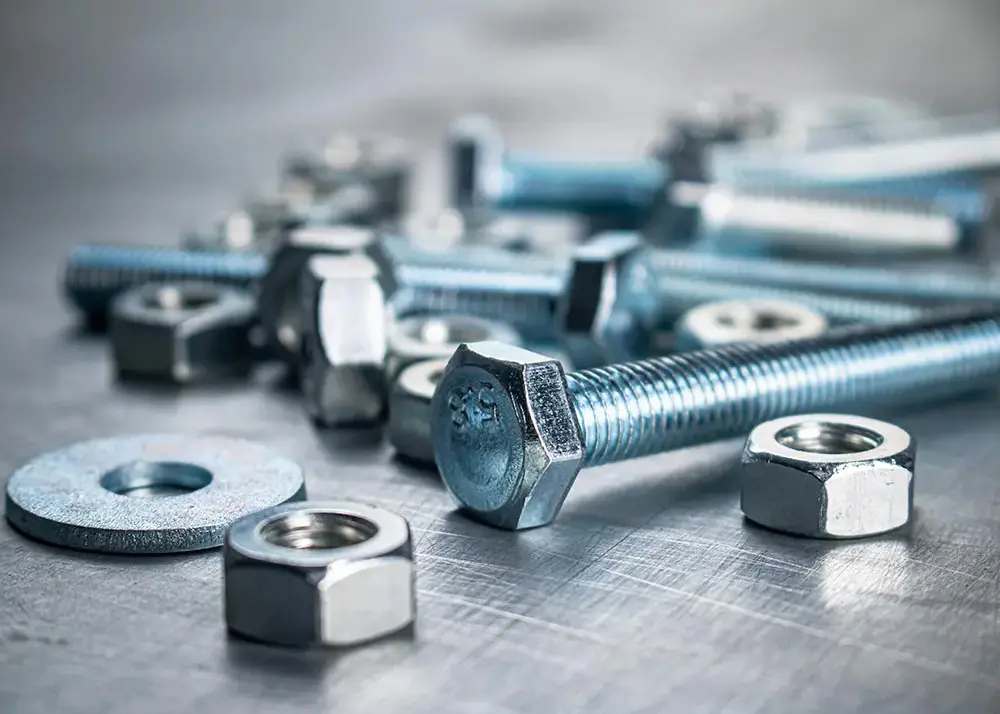
In the heart of the global industrial landscape, the fastener industry stands as a silent but crucial cog driving the machinery of progress. As we step into 2025, the future of fasteners is poised to transform under green manufacturing mandates.
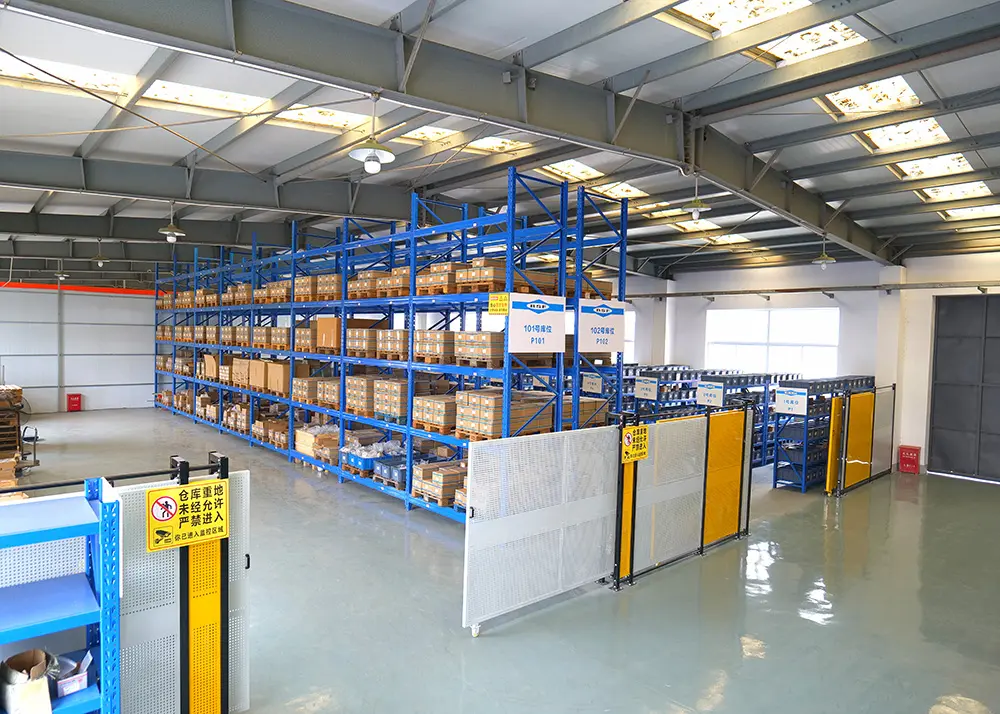
Beiersdorf, a leading global fasteners supply company, has announced the commencement of a comprehensive warehouse renovation project. This initiative integrates smart bin tracking and automated retrieval to slice order processing times by 40%.
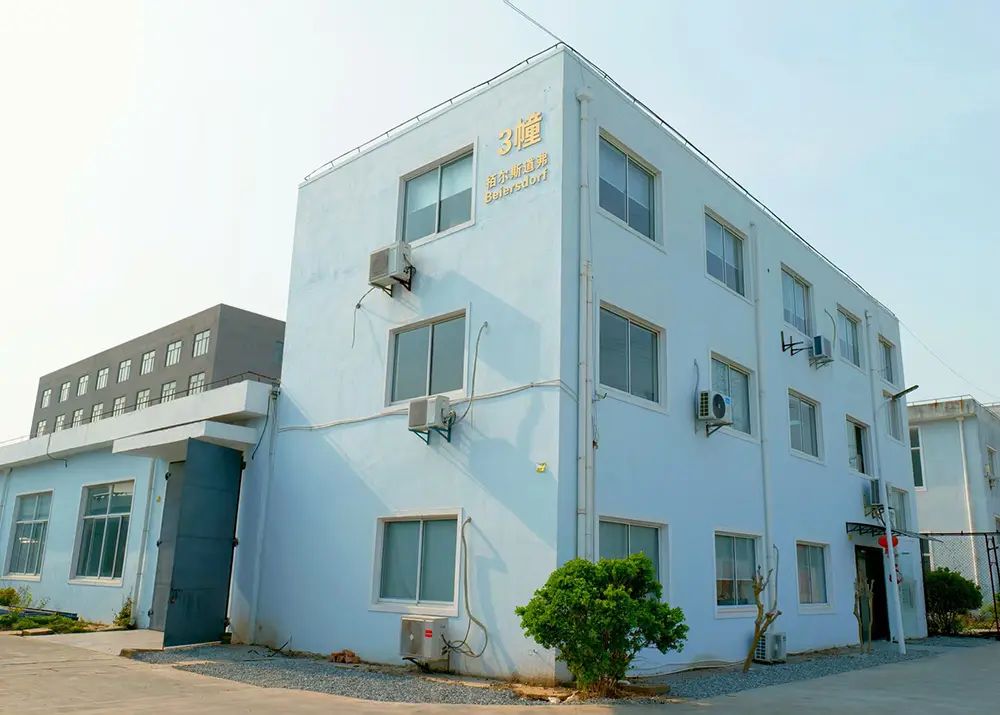
Beiersdorf (Shanghai) was founded in 2015. We are a company with a global perspective dedicated to providing professional fastener solutions. Fasteners, as the most basic and common mechanical parts, form the foundation of safety.
Delivering high-precision M5 fasteners to production lines and storage facilities across North America, Europe, Asia, and oceanic mining sites.


Custom specialty fasteners developed for severe low temperature, extreme high temperature, and marine class certification requirements.
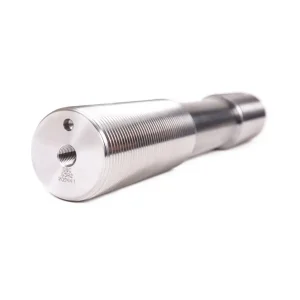
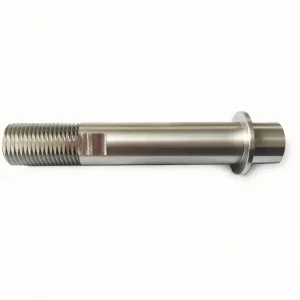
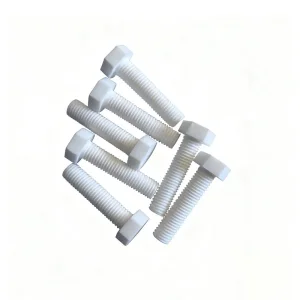
Beiersdorf is not only a supplier of special fasteners, but also provides comprehensive technical consultations and engineering guidance. This includes early-stage metallurgy selection, raw material evaluations, and subsequent installation and maintenance guidance.
Whether you require standard M5 configurations, custom head shapes, or specific coatings for corrosive service, our R&D desk is ready to support your engineering requirements.
Need a Consultation? Contact Us 24/7
 BSF
BSF