 BSF
BSF
1 / 5
In high-temperature environments (>200℃), 42CrMo chromium-molybdenum alloy steel (such as A193 B7) should be used. It can withstand temperatures up to 480℃ and has a tensile strength of ≥860 MPa.
Extremely cold environments (<-50℃) recommend A320 L7 material with nickel-chromium-molybdenum composite strengthening.
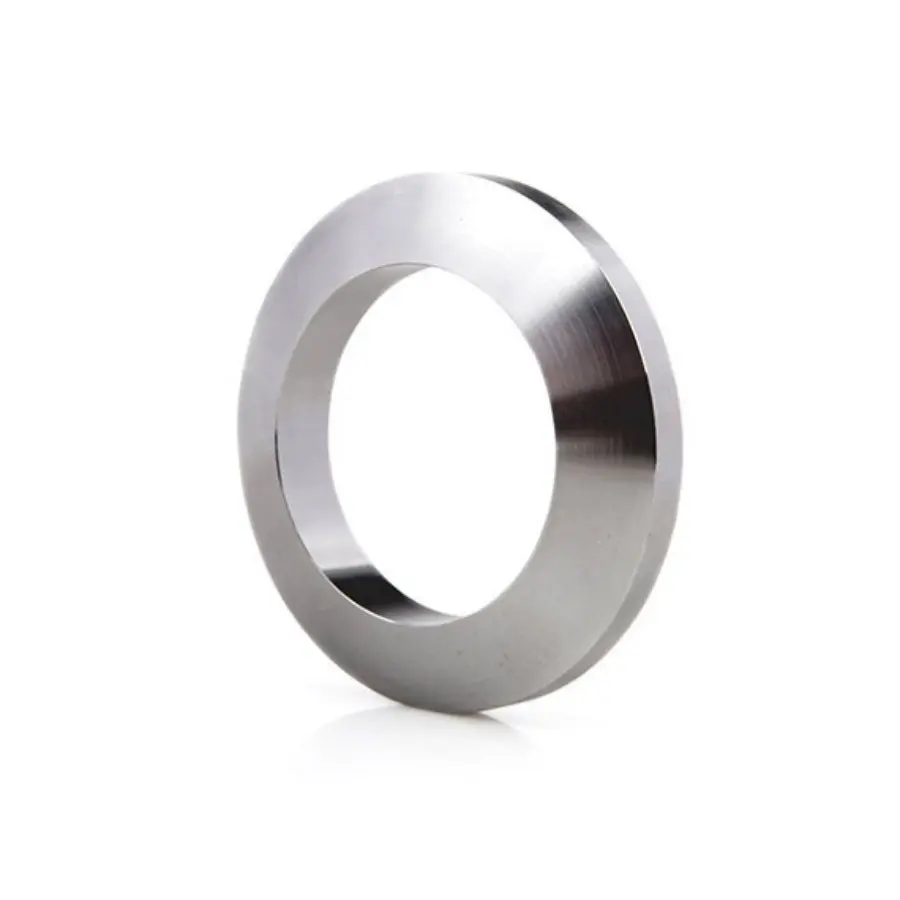
Wedge-shaped lock washers (such as the Nord-Lock system) are used. The geometric structure with a slope angle greater than the thread rise angle is adopted to prevent vibration loosening, and the radial fine teeth form indentations on the contact surface.
Bolt/nut combinations for critical parts such as decks, bulkheads, and keels. Must comply with ISO 3506-3 standards (salt spray corrosion resistance grade ≥ 720 hours).
Main unit base bolts must pass dynamic load tests (tensile strength ≥ 800 MPa). Material is mostly 316L stainless steel.
Mooring frame connection components must pass the -40℃ low-temperature impact test and comply with DNV-OS-C501 specification.
Low-temperature flange bolts made of nickel-based alloys (such as Inconel 718) ensure sealing performance under -196℃ conditions.
Locking nuts must have self-locking function (torque attenuation rate ≤ 5%). Material is duplex stainless steel 2205.
Foundation ring bolts must meet ISO 4014 tolerance grade (M24–M64) with shear strength ≥ 600 MPa.
Underwater fasteners require bio-adhesion protection treatment with coating thickness ≥ 50 μm.
Prestressed anchor components must undergo 2 million fatigue tests and comply with EN 1090 standard.