 BSF
BSF
1 / 4
The weight of plastic fasteners is approximately 30% of that of metal, which can significantly reduce the overall weight of the equipment and is suitable for fields such as aerospace and automotive where weight sensitivity is a concern.
Materials such as PEEK and PVDF have excellent resistance to chemical corrosion and can be used for a long time in environments with strong acids and strong bases. The PVDF material can last for more than ten years in corrosive workshops.
Materials such as nylon do not conduct electricity and are widely used for fixing PCB circuit boards to avoid short-circuit risks.
Suitable for electromagnetic compatibility requirements of precision instruments (such as optical equipment).
Some engineering plastics (such as POM) can maintain their performance within the range of -30℃ to 120℃, while fluoropolymers (such as PTFE) have a temperature resistance of up to 260℃.
Exhibits minimal deformation under long-term loading, making it suitable for scenarios with high durability requirements such as automotive interiors.
Suitable for food contact or medical equipment (such as an alternative solution of 316L stainless steel).
Compared to metal parts, plastic fasteners have lower production costs in mass production and do not require rust prevention treatment.
Used for the fixation of body, interior and exterior trims, chassis and other components, such as push-in fasteners (anchor-type fasteners, Christmas tree fasteners) to achieve rapid assembly, and plastic nuts in combination with bolts to complete detachable connections.
Fasteners made of PEEK material (such as bearings and gears) can reduce weight by 40%, and are suitable for battery modules and motor components of new energy vehicles.
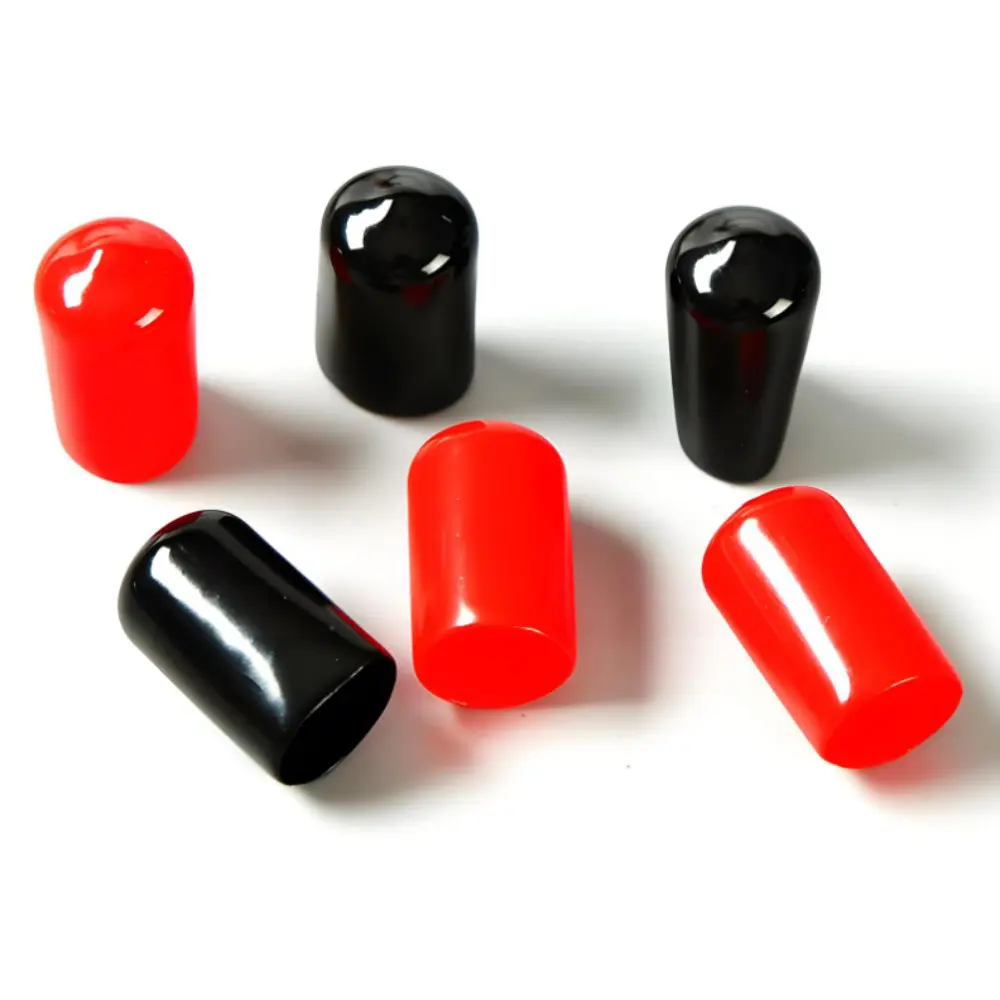
The plastic end bolts are both detachable and waterproof, and are suitable for engine compartments or electronic and electrical modules.
Alternative metal fasteners are used in humid environments (such as basements, coastal buildings) to avoid rusting problems.
Plastic cable ties are used for cable management or temporary structure fixation, providing flexible solutions in disaster relief and event setup.
PEEK material is used for artificial spinal columns, joints and other implants. It has better biocompatibility than metals and does not affect medical imaging examinations.
Aerospace: PEEK fasteners are resistant to high temperatures and lightweight, and are used in aircraft structures or cabin components.
Semiconductor manufacturing: Anti-static PEEK profiles are used for precision components such as wafer carriers.
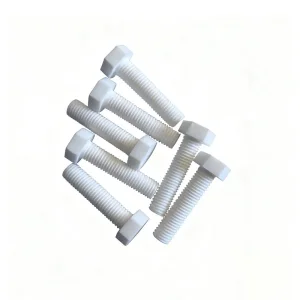
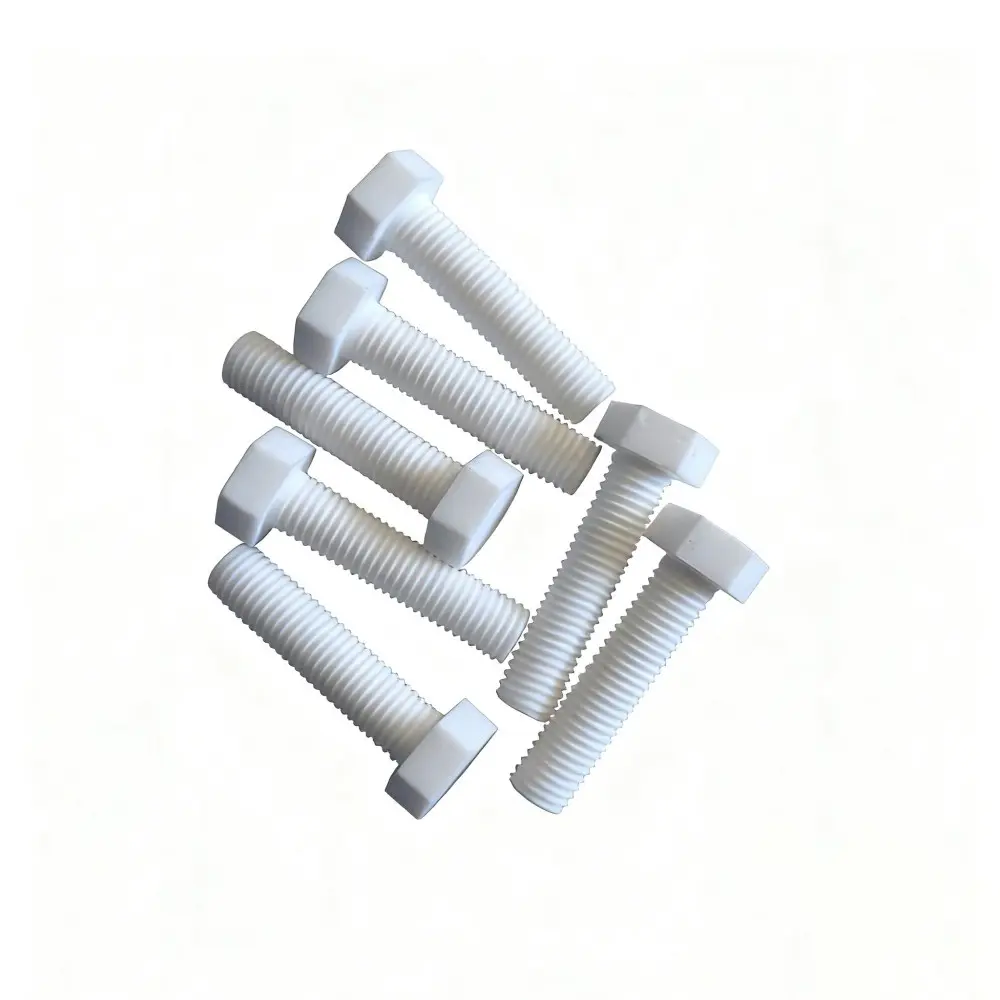
Plastic fasteners offer a significant weight reduction (about 30% of the weight of metal counterparts), excellent chemical corrosion resistance, electrical insulation, and non-magnetic operation. They are highly economical in mass production and do not require rust prevention treatments.
PEEK fasteners exhibit exceptional stability across wide temperature ranges, chemical resistance, and lightweight characteristics. They can reduce weight by up to 40% in critical assemblies and are commonly utilized in demanding sectors like aerospace, automotive battery modules, and semiconductor manufacturing.
Yes, high-performance plastics like PEEK are ideal for medical implants (such as artificial spinal columns and joints) due to their biocompatibility and radiolucency (not affecting medical imaging). They also offer zero metal contamination, making them excellent alternatives to 316L stainless steel for food contact equipment.
Materials such as PEEK and PVDF are highly recommended. They possess outstanding resistance to aggressive chemical corrosion. For instance, PVDF fasteners can maintain integrity and function for over ten years in corrosive workshop environments.
Absolutely. Non-conductive materials like nylon are extensively utilized for fixing PCB circuit boards and other electronic modules to completely eliminate the risk of electrical short-circuits.