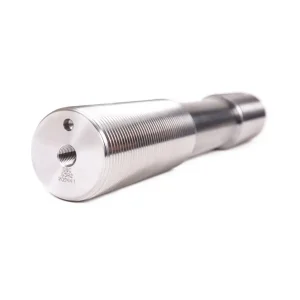
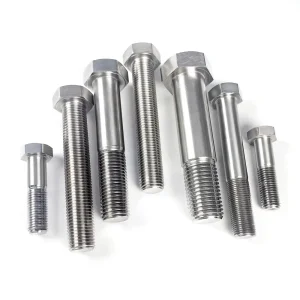
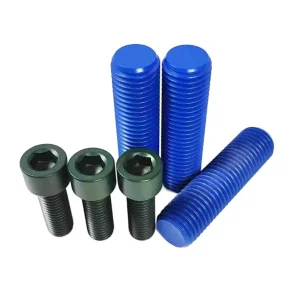
Explore our premium product series engineered for extreme structural stability, low-temperature resilience, and advanced marine engineering projects.
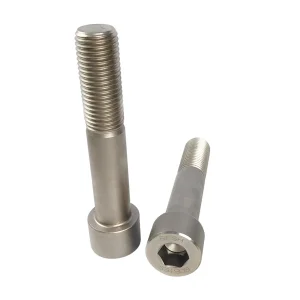
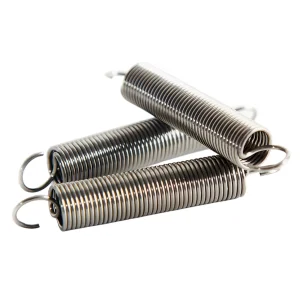
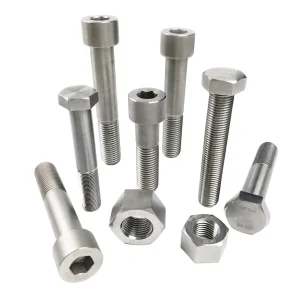
Established in 2015 in Shanghai, China, Beiersdorf Industrial Technology (Shanghai) Co., Ltd. is a leading premier manufacturer and strategic supplier of high-end special fasteners and ultra-high precision machined components.
By specializing in structural hot dip galvanized bolt and nut assemblies alongside highly engineered super alloys (Inconel, Titanium, and Cobalt), we bridge the gap between traditional heavy industry requirements and state-of-the-art metallurgical performance. Our operations are governed by two vital founding principles:
Quality control is not an afterthought; it is integrated directly into our raw material selection, metallurgical heat treatments, and precision threading processes.
We approach client partnership and complex industrial problem-solving with transparent communication, dedication, and engineering integrity.

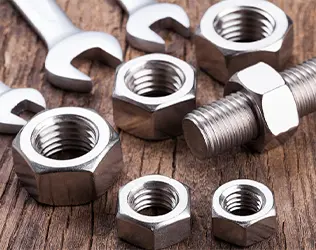
Understanding the metallurgical bond, coating thickness, and critical engineering parameters of Hot Dip Galvanized (HDG) fastening systems.
In heavy structural applications, corrosion is the primary catalyst for catastrophic mechanical failures. Hot Dip Galvanizing (HDG) provides an unparalleled sacrificial barrier by dipping fabricated steel components into molten zinc at approximately 840°F (450°C). This thermal bath generates a series of zinc-iron alloy layers that are harder than the base steel itself, delivering exceptional wear resistance alongside cathodic protection.
Unlike paints or electroplated zinc coatings which merely adhere physically to the steel surface, HDG forms an interplanetary diffusion bond. The inner Gamma, Delta, and Zeta layers consist of zinc-iron alloys, while the outer Eta layer is pure zinc, resulting in a cohesive structure that resists impact during structural erection.
Due to the substantial thickness of hot-dip galvanized coatings (typically 50-80 microns), standard mating dimensions do not apply. Structural design requires over-tapping the mating internal threads (nuts) to accommodate the zinc thickness on the external threads (bolts), safeguarding structural alignment without stripping.
Zinc acts as a sacrificial anode. If the galvanized layer is scratched or physically gouged during shipping or installation, the surrounding zinc sacrifices itself chemically to protect the exposed steel core, preventing lateral corrosion creep beneath the protective boundary.
During the pickling phase of galvanizing, acid exposure can introduce atomic hydrogen into high-strength steels (particularly tensile strengths exceeding 1000 MPa / Class 10.9). Beiersdorf employs mechanical descaling or advanced acid pickling inhibitors coupled with immediate baking (thermal desorption) to eliminate hydrogen embrittlement risks, validating our structural fasteners for extreme dynamic load designs.

As governments worldwide invest heavily in renewable energy, coastal defense, and structural expansions, the demand for durable heavy-duty fasteners is escalating. Offshore wind substations, solar arrays in high-salinity desert environments, and deep-sea marine engineering infrastructure require components that can sustain a 25-to-50-year service life without maintenance interventions.
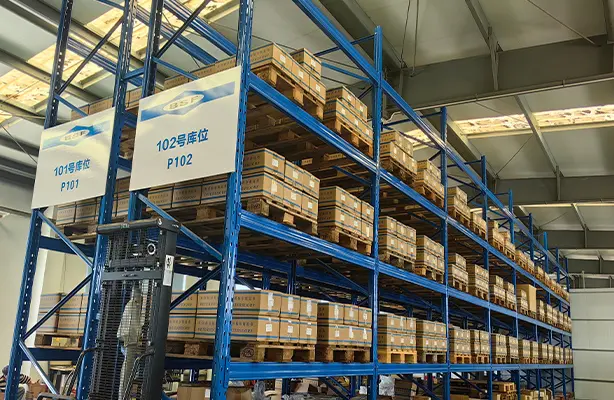
Beiersdorf’s comprehensive inventory and raw material capacity position us as a vital supply partner. We manage nearly 100,000 product models, maintaining 500 tons of specialty raw alloys and 10,000 tons of standard stainless steel and carbon steel parts in stock, enabling fast turnaround times for complex industrial developments.
Our global distribution capabilities span key economic zones in North America, Europe, Asia-Pacific, and South America, ensuring that projects remain on schedule and fully compliant with regional engineering directives.
Ensuring absolute alignment with international engineering codes for safety-critical assemblies.
We supply heavy hex structural HDG bolts matching ASTM A325 and A490 standards, optimized for structural steel connections in bridges, buildings, and highway infrastructure.
Our hot-dip galvanizing lines adhere strictly to ISO 1461 (batch processes) and ISO 10684 (fastener coatings), regulating uniform thickness, thread tolerance, and adhesion testing.
Certified by the China Classification Society (CCS), our marine-grade fasteners meet the rigorous standards demanded for shipbuilding, propulsion systems, and offshore engineering platforms.
Where Beiersdorf special fasteners and hot dip galvanized solutions excel under real-world stresses.
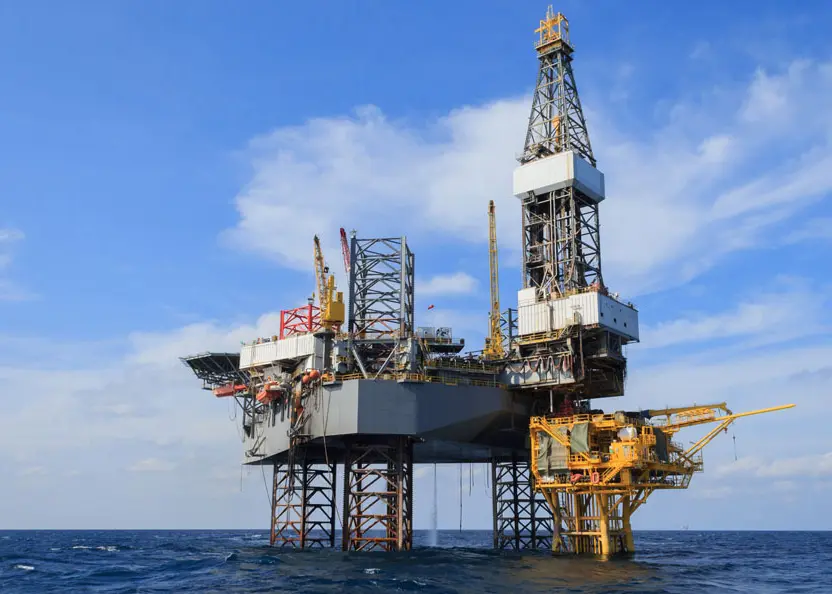
Our specialty fasteners are widely utilized in shipbuilding and oceanography, specifically in heavy cargo vessels, marine propulsion systems, yacht manufacturing, offshore oil drilling platforms, undersea piping networks, port cranes, and coastal structures.
These components are forged from high-resistance materials including A4-80, A5-80, D8-80, D6-70, Duplex 2205, L7 low-temperature steel, 40CrNiMoA, Inconel 718, and EN14399 structural assemblies carrying certified classification society approvals.
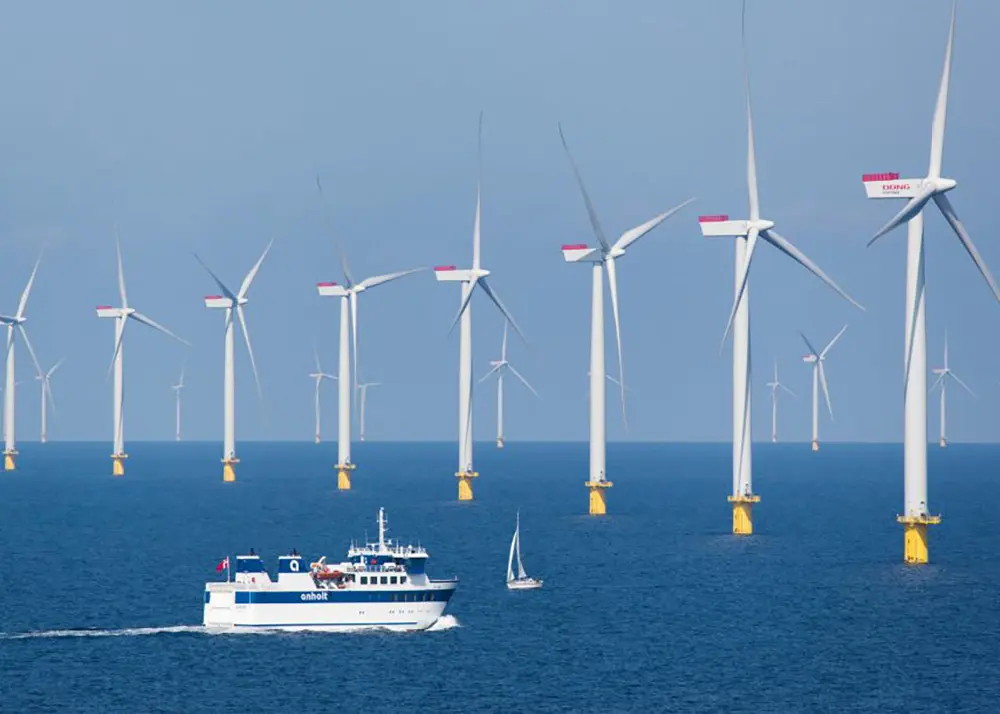
From structural tower fasteners in onshore/offshore wind turbines to nuclear power plant sub-assemblies, our HDG bolts ensure steady clamping force over decades of cyclic loading. Our bolts are engineered to handle high torque-tension ratios, providing critical security in high-stress vibrational zones.
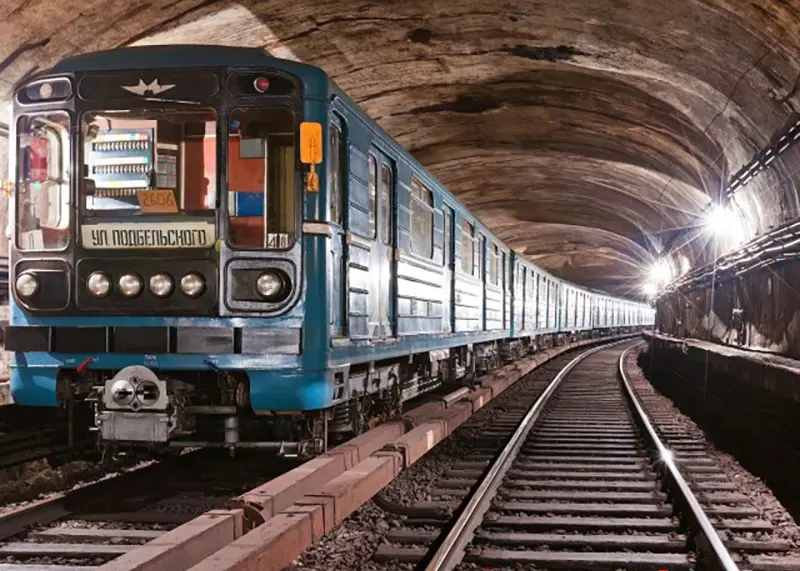
High-speed rail networks require fasteners that can withstand severe dynamic loads, thermal fluctuations, and structural vibration. Our range of specialized fasteners provides reliable, zero-maintenance joints for overhead line fittings, structural bridges, and rail vehicle sub-frames.
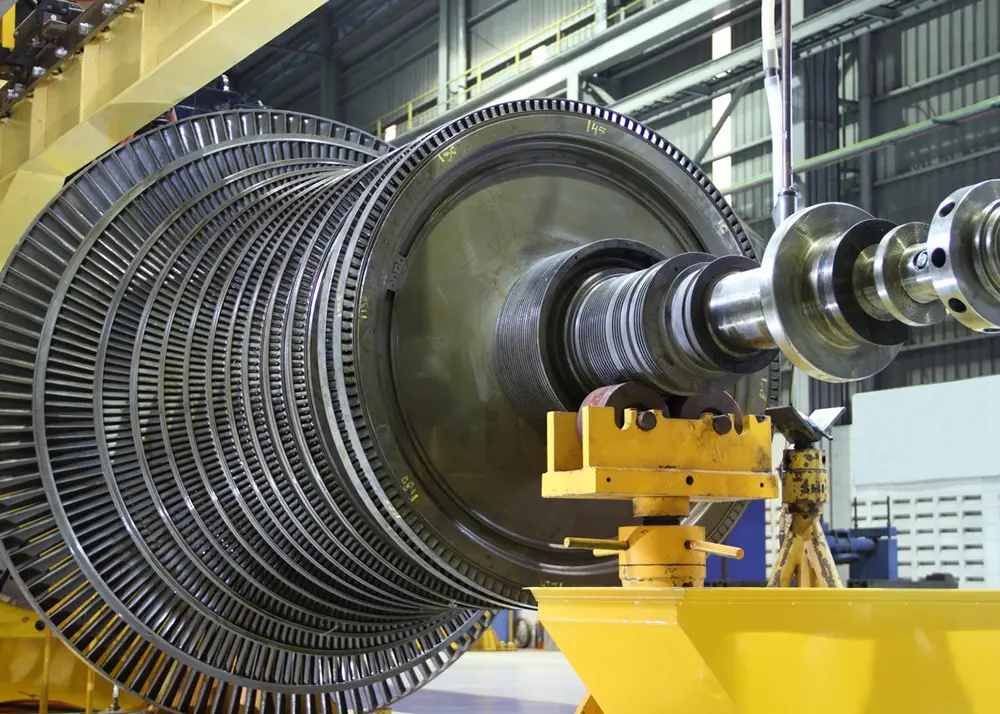
In oil refineries and chemical plants, structural steel components are constantly exposed to sulfur compounds, acidic fumes, and saline air. Our hot dip galvanized structural bolt packages, coupled with non-magnetic and high-temperature alloy fasteners (resisting up to 1200°C), deliver unmatched protection against atmospheric corrosion and industrial chemical attack.
How Beiersdorf is driving the future of heavy fastening with green galvanizing technology and smart manufacturing.
The global fastener industry is transforming under pressure from sustainability goals, automation, and real-time structural health monitoring. As a pioneer in fastening systems, Beiersdorf is actively executing a technology roadmap to meet these emerging challenges:
We are optimizing our galvanizing lines with lead-free, low-fume zinc chemistries and waste heat recovery systems to reduce carbon emissions, meeting stringent global environmental standards.
Our R&D team is developing bolt assemblies with embedded RFID tags to track torque levels, production batches, and maintenance intervals in critical infrastructure networks.
We are expanding our range of high-strength, low-temperature fasteners (down to -270°C) and lightweight titanium/cobalt compounds for next-generation aerospace and clean energy applications.
Our senior engineering team answers critical questions regarding design, specification, and assembly of hot dip galvanized fasteners.
During the galvanizing process, a layer of zinc averaging 50-80 microns is deposited onto the external threads of the bolt. Because this coating is significantly thicker than electroplating, standard-sized nuts will not thread onto the bolt. To accommodate this zinc buildup, internal threads must be tapped oversize to industry-standard allowances (e.g., ASTM A563 specifications) to ensure smooth assembly without damaging the protective zinc coating.
Yes, but with strict controls. High-strength bolts with hardness ratings exceeding 39 HRC (such as Grade 8 or Class 12.9) are highly susceptible to hydrogen embrittlement if pickled in acid prior to galvanizing. To mitigate this risk, we use mechanical descaling (shot blasting) instead of acid pickling, or apply post-pickling thermal baking to release trapped hydrogen before dipping the steel into the molten zinc bath.
Zinc electroplating produces a thin (typically 5-15 microns), bright aesthetic coating ideal for indoor use. In contrast, HDG produces a much thicker (50-100+ microns) coating with zinc-iron alloys that are metallurgically bonded to the steel. HDG offers superior outdoor corrosion resistance (typically 50+ years in industrial environments), though it has a rougher, matte grey appearance.
Generally, pairing carbon steel HDG bolts with stainless steel nuts is not recommended in highly corrosive environments. While zinc and stainless steel have minor galvanic reactivity, the potential difference between stainless steel and zinc can accelerate zinc consumption, leading to premature localized corrosion. Using galvanized bolts with galvanized nuts is the standard for long-term structural reliability.
The zinc coating itself remains stable at low temperatures, but the underlying carbon steel bolt can undergo ductile-to-brittle transition. For cryogenic applications (down to -270°C), specialized stainless steel or cobalt alloys should be specified instead of standard structural carbon steels. Beiersdorf supplies dedicated low-temperature fasteners certified for marine LNG systems and aerospace configurations.
Because the zinc layer is relatively soft and has a high coefficient of friction, the torque-tension relationship of galvanized fasteners can vary widely. Unlubricated galvanized threads can bind or seize during installation. To ensure consistent clamping force, we supply galvanized nuts lubricated with a wax or dry lubricant film, which lowers and stabilizes the torque coefficient.
Beiersdorf is more than a manufacturer. We provide technical consulting, material selection analysis, and long-term installation support. Reach out to our application engineers for custom requests, high-volume bids, and specialized testing documentation.
Get a response from our engineering team within 24 hours.
Stay updated with our manufacturing milestones, quality research, and global commercial operations.
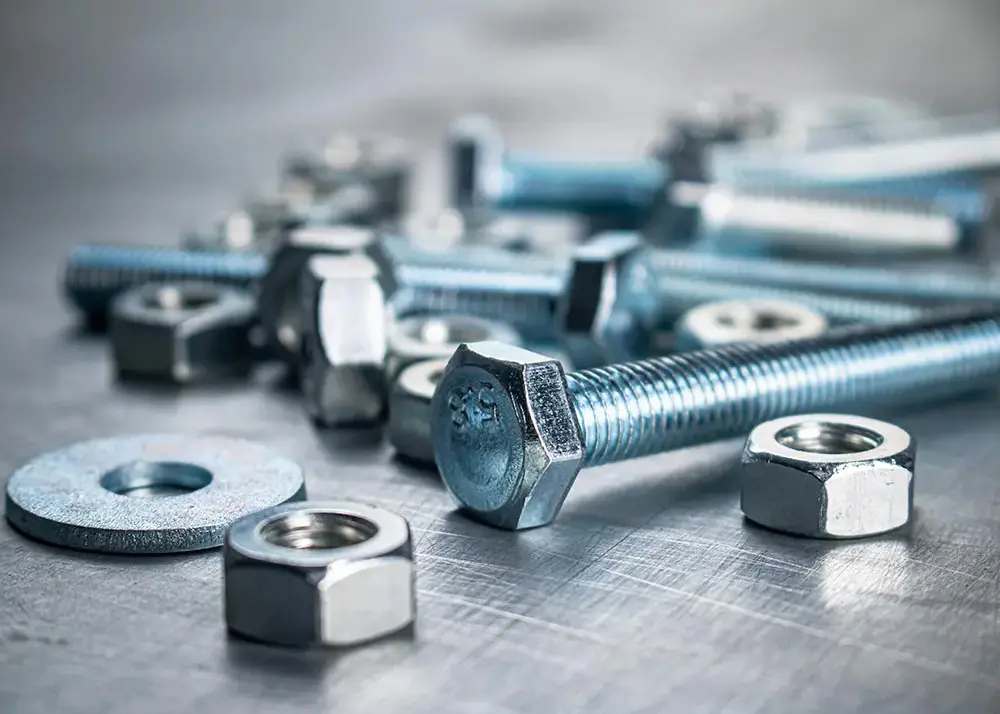
Discover how modern standardizations and green manufacturing practices are shaping the next generation of industrial fastening technologies.
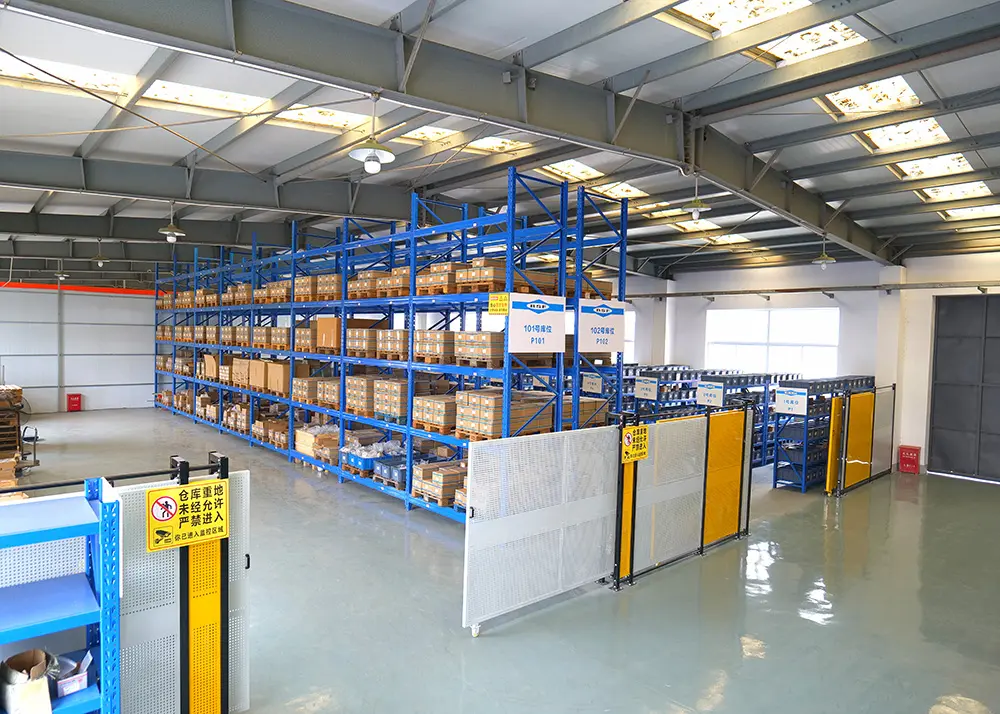
We have launched a comprehensive modernization of our stock management systems to guarantee rapid processing and delivery for high-volume orders.
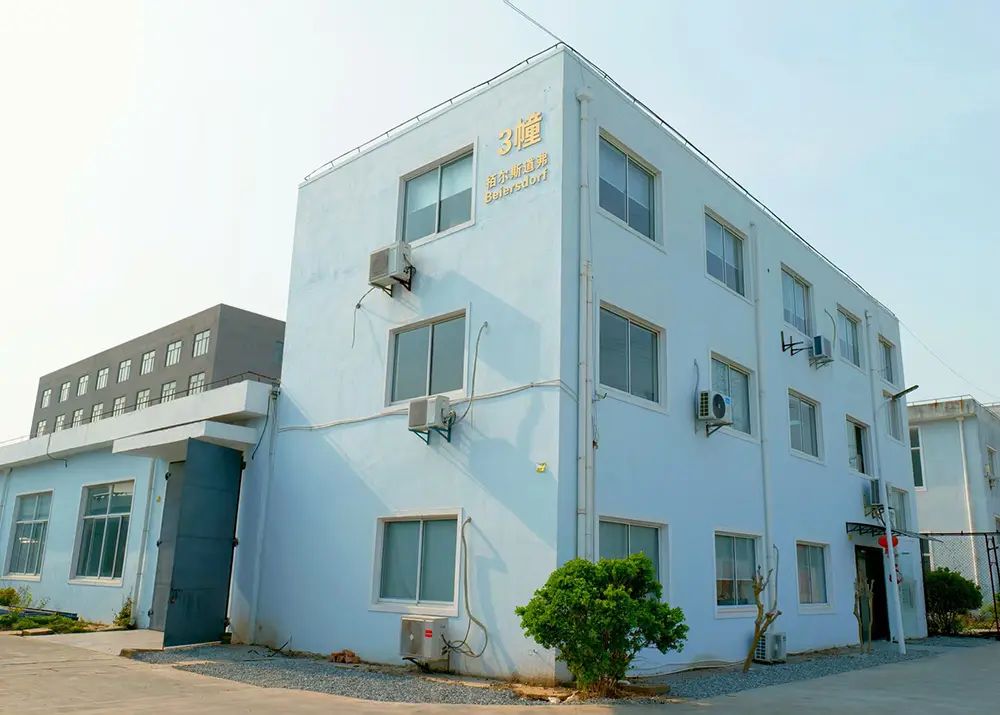
Reflecting on our foundation in 2015 and our journey to become a trusted global supplier of specialized fasteners and custom components.
We export our high-integrity fastening systems to over 50 countries, supporting offshore oil drilling, infrastructure installations, and precision manufacturing hubs.

High-tensile raw materials, precision machined parts, and extreme environment fastening solutions.
 BSF
BSF