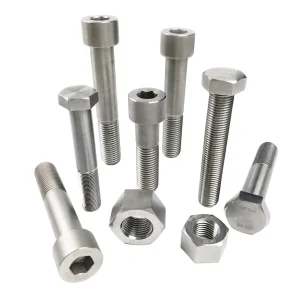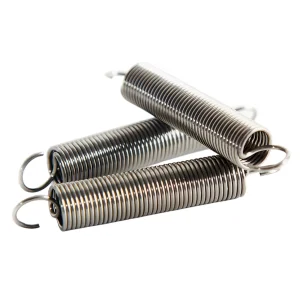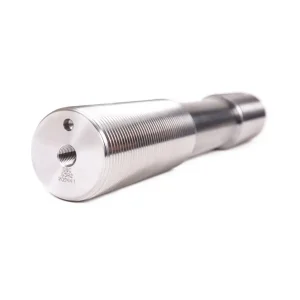
China Non-Magnetic Fasteners from China Suppliers and Factory for Precision Machinery and Aerospace Applications Exporter, Exporters

Non-magnetic stainless steel is a specialized material characterized by its minimal magnetic properties, making it ideal for applications where magnetic interference is a concern. As a leading supplier in China, our factory prides itself on producing high-quality non-magnetic stainless steel that meets stringent industry standards. This material is widely used in various sectors, ensuring both durability and safety in environments sensitive to magnetic fields. Trust our China-based factory to deliver superior non-magnetic stainless steel products that cater to your specific needs

Product Description

Products Features

1
Magnetic-free Characteristic

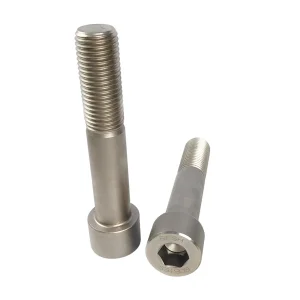
Titanium alloy fasteners take advantage of the completely non-magnetic property of titanium metal, making them suitable for precision machinery and aerospace applications, avoiding magnetic interference to the equipment.

2
Austenitic Stainless Steel (e.g. 302HQ)

Usually exhibits non-magnetic or weak magnetic properties, making it suitable for applications in electronic instruments and other scenarios.

3
Advantages of Material Properties

Titanium alloy: Low density, high strength, strong corrosion resistance (especially seawater and chemical environments), and high temperature resistance up to 500℃.

Austenitic stainless steel: Enhanced corrosion resistance (304, 316) with elements like Mo and Cu, offering excellent cold working properties.

4
Usage Precautions

Stainless steel fasteners may exhibit slight magnetic properties after cold heading due to processing stress; this is not a material defect. Verify authenticity through certification rather than simple magnetic tests.

Key Applications

🧲 MRI Equipment

Fixation of magnetic resonance imaging systems to prevent field interference and ensure imaging accuracy.

🛰️ Navigation System

Satellite and aircraft components using materials like beryllium-cobalt copper to avoid gyroscope interference.

📡 Radar Equipment

High-frequency signal transmission components connected through non-magnetic connectors to reduce distortion.

🔬 Precision Instruments

Measuring equipment like spectrometers utilize non-magnetic connectors to prevent signal drift.

⚛️ Quantum Laboratory

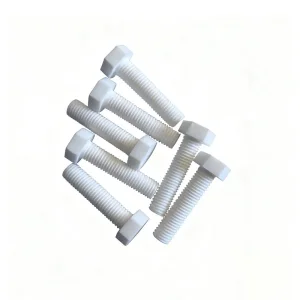
Superconducting quantum bits are sensitive to fields; non-magnetic PEEK materials are essential here.

💨 Wind Power Equipment

Amorphous alloy bolts are used for transformer cores to effectively reduce eddy current losses.

Non-magnetic Series Reference

Main Types of Non-magnetic Fasteners
A286 1.498 Gr.660
OCr21Ni6Mn9N OCr16Ni22Mn9Mo2 1.4436

Frequently Asked Questions

QWhat are non-magnetic fasteners and why are they important?
Non-magnetic fasteners are hardware components made from materials that do not exhibit magnetic properties, such as titanium alloys and austenitic stainless steels. They are critical in applications where magnetic interference can compromise equipment accuracy or safety, such as MRI machines and navigation systems.
QWhat materials are commonly used for non-magnetic fasteners?
Common materials include titanium alloys, austenitic stainless steels (302HQ, 304, 316, A286), beryllium-cobalt copper (C17500), and PEEK. The choice depends on the specific corrosion resistance and strength requirements of the environment.
QWhy do stainless steel fasteners sometimes become slightly magnetic after processing?
During cold heading, austenite can partially convert to martensite due to mechanical stress. This introduces slight magnetism but is a processing-induced phenomenon, not a material defect. The base alloy composition remains non-magnetic.
QWhat is the difference between titanium alloy and stainless steel fasteners?
Titanium alloys offer lower density (lighter weight), higher strength-to-weight ratios, and superior resistance to seawater. Austenitic stainless steels provide excellent cold working properties and are highly cost-effective for general industrial and chemical applications.
QHow can I verify the authenticity of non-magnetic fasteners?
Always request material certification and mill test reports. Verify chemical composition against recognized standards. Be wary of "non-magnetic and non-nickel" claims without proper documentation, as these can indicate low-quality materials.
QIn which industries are these fasteners most widely used?
They are predominantly used in Medical (MRI), Aerospace (Satellites/Radar), Scientific Research (Quantum Labs), and high-precision electronic measuring sectors where electromagnetic compatibility is mandatory.

Related Products