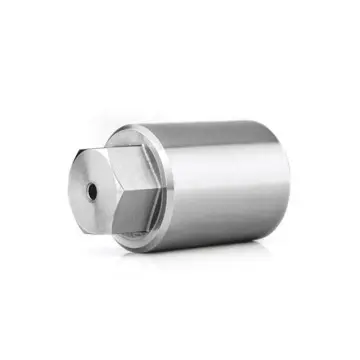
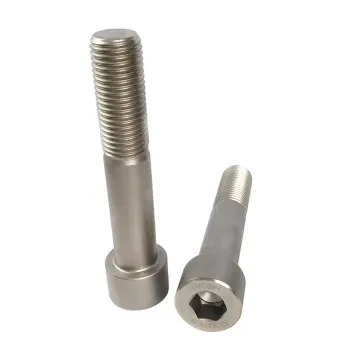
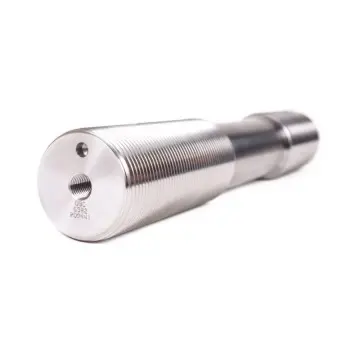
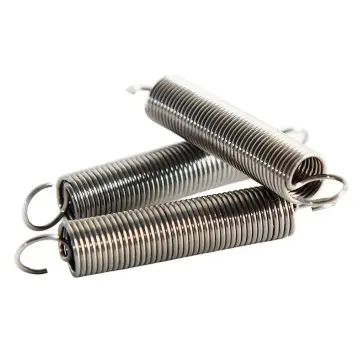
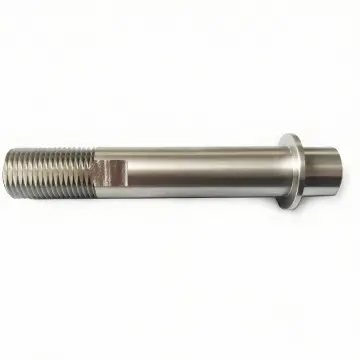
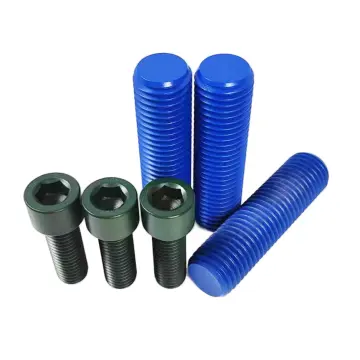
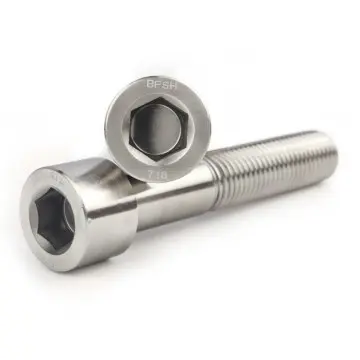
Explore our range of classification society certified components, high-tensile spring wire materials, and extreme-temperature resistant fasteners engineered to withstand harsh operating conditions.
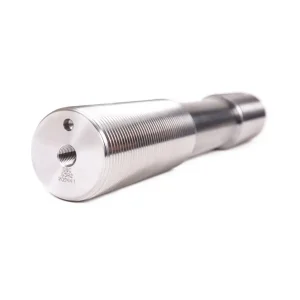
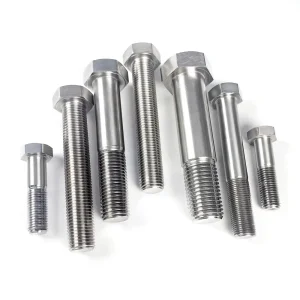
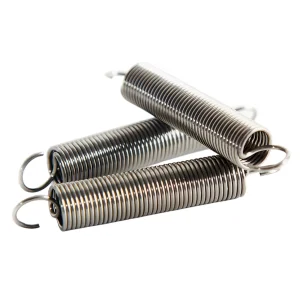
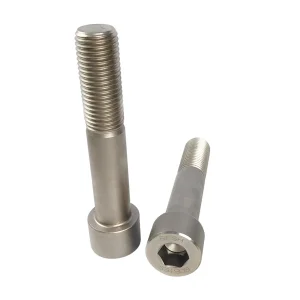
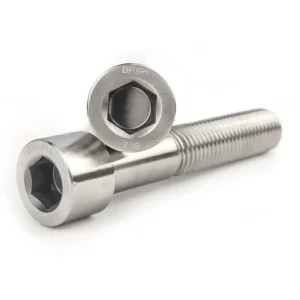
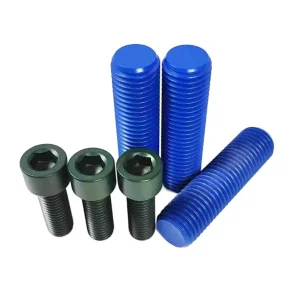
In the sphere of mechanical engineering, fastener selection directly influences the structural integrity, safety, and longevity of assembly structures. Fine thread self-tapping screws represent an optimized fastening category specifically engineered to provide superior performance in pre-drilled or self-pierced pilot holes. Unlike standard coarse threads, fine-pitch profiles feature a smaller lead angle and a higher number of threads per inch (TPI) or millimeter. This configuration significantly reduces the pitch, leading to several mechanical advantages that are crucial for high-stress industrial applications.
The fundamental mechanics of fine threads relate directly to their geometry. A smaller pitch means a larger minor (root) diameter for a given nominal size. This increased cross-sectional area enhances the screw's tensile and shear strength, minimizing the risk of fastener failure under dynamic fatigue loads. Furthermore, the shallower thread depth of fine profiles reduces the installation torque required to form mating threads in harder metallic materials, such as high-strength steel sheets, aluminum castings, and titanium alloys.
Globally, the demand for precision fine-thread self-tapping screws is expanding rapidly, driven by industrial automation, automotive lightweighting, and structural electronics. As manufacturers transition to thin-gauge metals and composite-metal layups to optimize structural weight, conventional coarse threads often fail to provide sufficient thread engagement, leading to stripping. Fine threads solve this by securing more threads within thin panels, assuring a secure, vibration-resistant lock.
Beiersdorf integrates advanced research and development with strict quality management protocols to supply high-precision fastening solutions worldwide.

We have formulated the most stringent sampling inspection system, utilizing high-resolution optical scanners and automated metrology, to achieve zero defects for all products leaving our facility.

Innovation is our foundation. At present, our entire group holds more than 100 utility model patented products and eight invention patented products, pushing the limits of thread profile design.

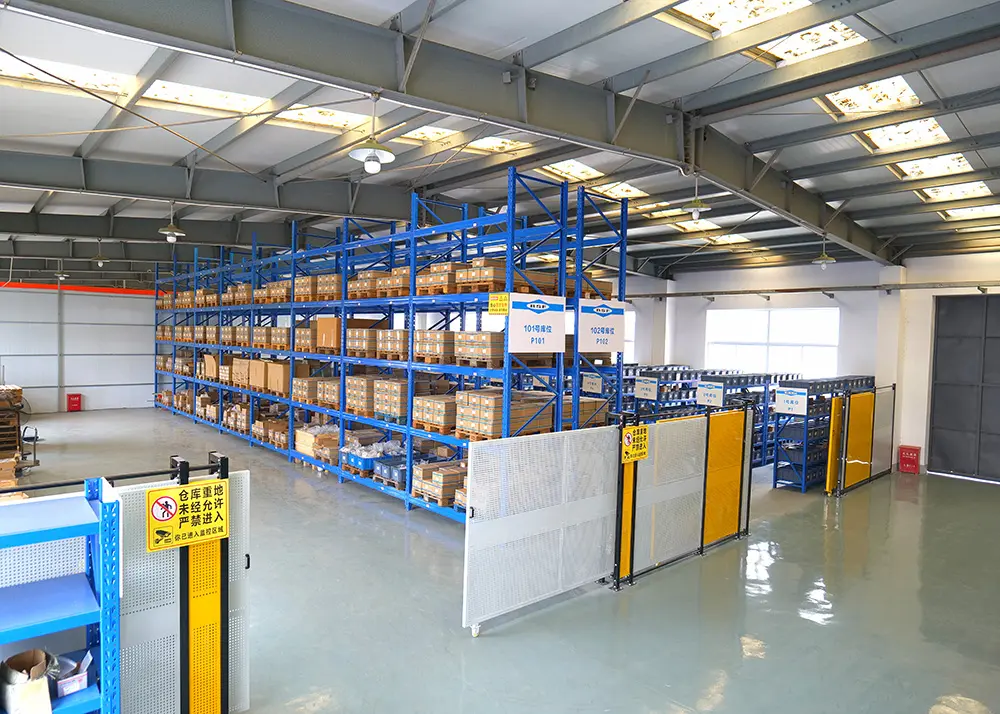
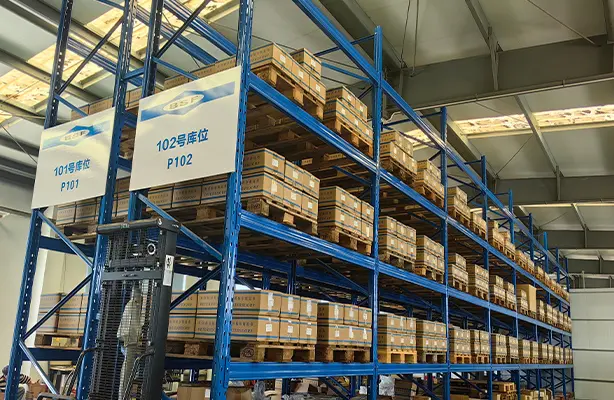
We currently operate nearly 100,000 product models, maintaining 500 tons of special raw materials and 10,000 tons of finished stainless steel standard parts in stock for fast global delivery.
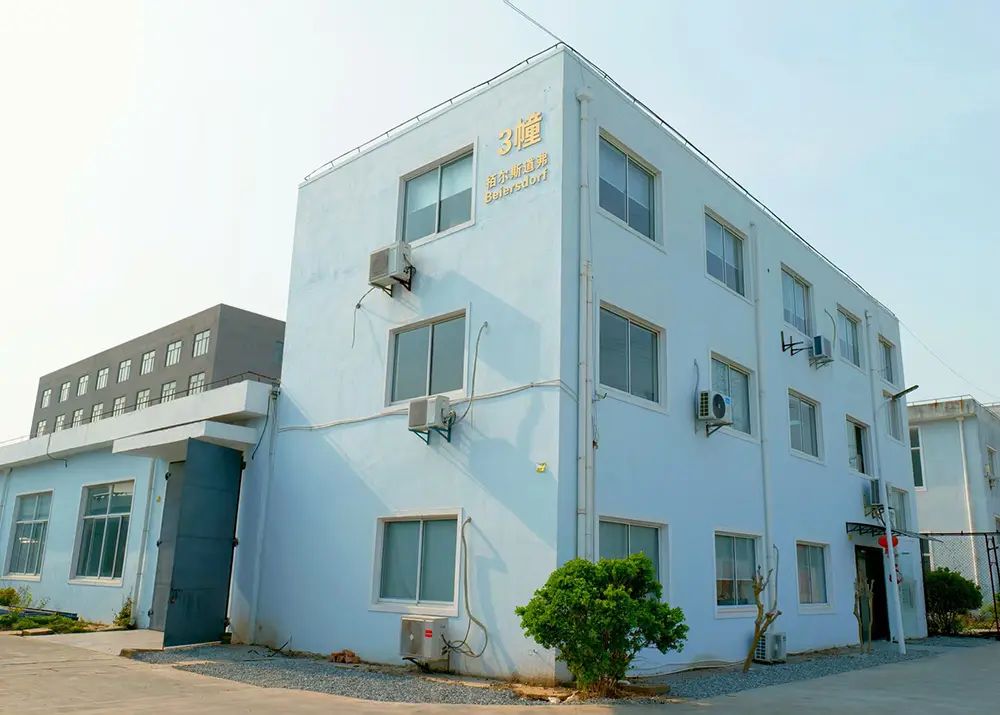
Established in 2015 and headquartered in the industrial hub of Shanghai, China, Beiersdorf Industrial Technology (Shanghai) Co., Ltd. has grown into a leading manufacturer of special fasteners and ultra-high precision components. We serve industries that demand high reliability, from marine engineering to aerospace and petrochemical plants.
"Product quality is the foundation for an enterprise's survival. Heart to sunshine, everything to prosperity."
Our manufacturing philosophy focuses on continuous technical advancement and material integrity. By offering specialized raw materials like titanium alloys, nickel-based superalloys, and cobalt-based materials, we ensure our custom fine-thread self-tapping screws perform consistently under high vibration, temperature extremes, and corrosive environments.

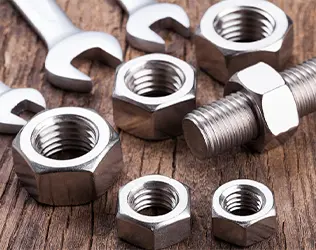
In fine-thread self-tapping fasteners, material selection and heat treatment determine performance. Because self-tapping screws must generate their own mating thread, the hardness of the screw must exceed the hardness of the target substrate. When assembling materials like high-strength alloys or thick plastics, the screw profile requires precise metallurgy and heat treatment.
Our manufacturing facility uses several high-grade materials to meet diverse industry needs:
| Material Class | Common Designation | Tensile Strength (MPa) | Operating Temp Range | Primary Application Suitability |
|---|---|---|---|---|
| Super Stainless Steel | Duplex 2205 / A4-80 | 800 - 1000 MPa | -60°C to 300°C | Marine structures, chemical processing, offshore drilling rigs |
| Titanium Alloys | Gr. 5 (Ti-6Al-4V) | 950 - 1050 MPa | -100°C to 400°C | Aerospace structures, high-performance yacht building |
| Nickel Superalloys | Inconel 718 / 625 | 1200 - 1400 MPa | -270°C to 700°C | Gas turbines, exhaust manifolds, cryogenic fuel tanks |
| Cobalt Alloys | Co-Cr Alloys | 1000 - 1300 MPa | Up to 1200°C | High-wear, high-temperature furnace structures |
| High-Tensile Alloys | 40CrNiMoA | 1900 MPa | -50°C to 450°C | Heavy-duty rail transit, heavy machinery drivetrains |
Case hardening methods, such as carbonitriding and induction hardening, are applied selectively to carbon and alloy steel screws. This process creates a hard, wear-resistant outer shell (typically >45 HRC) to cut clean threads, while preserving a ductile, tough core to prevent shear failures from sudden shocks or dynamic loads.
Our specialized product series are designed to meet strict performance metrics across challenging operating environments.
Beiersdorf fasteners are deployed in key global infrastructure projects where failure is not an option.
In saltwater environments, standard fasteners face extreme galvanic and crevice corrosion. Our specialized fasteners are widely used in shipbuilding and oceanography engineering, specifically in marine propulsion systems, offshore oil drilling platforms, yacht construction, submarine pipelines, and offshore wind power installations.
To meet marine requirements, we use corrosion-resistant materials such as Duplex 2205, A4-80 stainless steel, titanium alloys, and L7 alloy steels, complete with official marine classification society certifications.

As global industries pursue net-zero targets and smart factory automation, the requirements for mechanical joints have become more demanding. The technological roadmap for custom fine-thread self-tapping screws focuses on three main engineering trends:
1. Advanced Dry-Film Lubrication and Coating Integration: Modern installations require consistent torque-tension control. Traditional wet lubricants attract contaminants and can compromise cleanroom environments. Applying micro-encapsulated thread sealants and thin-film inorganic zinc flake coatings reduces the coefficient of friction during installation, preventing galling in tough materials like stainless steel and titanium.
2. High-Speed Automated Feeding Integration: In assembly plants, self-tapping screws are often fed through automated pneumatic systems. Fine threads require strict dimensional tolerance control (within 6G/6g limits) to prevent cross-threading when the screw meets the pilot hole, ensuring smooth automated assembly.
3. Smart Metallurgy: By alloying traditional materials with micro-additives like Boron and Niobium, we improve case hardening depths without causing hydrogen embrittlement. This approach produces high-hardness self-tapping fasteners that maintain a tough, fracture-resistant core.

Technical answers to common engineering questions regarding the application, mechanical design, and selection of fine-pitch self-tapping screws.
Fine-thread self-tapping screws provide several key mechanical advantages:
1. Higher Stripping Resistance: By fitting more threads into the same engagement depth, fine threads distribute shear loads across a larger surface area, which is vital in thin-sheet metal assemblies.
2. Superior Shear Strength: The smaller thread height means fine-thread screws have a larger minor root diameter, increasing their cross-sectional area and resistance to high shear loads.
3. Vibration Resistance: The smaller lead angle of fine threads prevents rotation and loosening under dynamic vibration, reducing the need for thread-locking fluids.
Determining the correct pilot hole size depends on the material hardness, ductility, and thickness of the target substrate. Generally, harder materials require a larger pilot hole (typically 85% to 90% of the screw's outer thread diameter) to reduce installation torque and prevent head shearing or thread stripping. Ductile, softer materials allow for a smaller pilot hole (typically 75% to 80% of the outer diameter) to maximize thread engagement depth.
For high-temperature applications up to 1200°C, we manufacture our fasteners from specialized superalloys like Inconel 718 and cobalt-based materials. These alloys resist creep and oxidation, preventing stress relaxation and keeping joints secure under prolonged high-temperature conditions.
Hydrogen embrittlement is a serious concern for high-strength fasteners. To address this risk, we control our chemical cleaning, electroplating, and heat treatment cycles. Post-plating, fasteners undergo a baking process (typically at 200°C for 4 to 24 hours depending on strength grade) to drive out diffusable atomic hydrogen, preventing sudden structural failures under load.
Stay informed on international standards, manufacturing innovations, and strategic infrastructure developments at Beiersdorf.
Serving customers across North America, Europe, Asia, and emerging industrial markets from our centralized logistics hub in Shanghai.
We supply specialized fasteners and offer comprehensive technical consultations. From initial raw material selection to installation and ongoing maintenance advice, our team supports your project from start to finish.
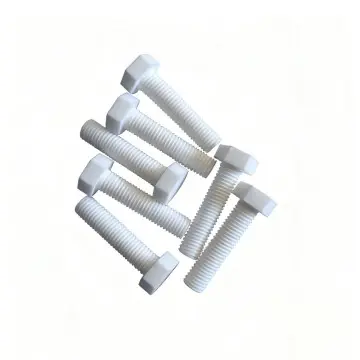
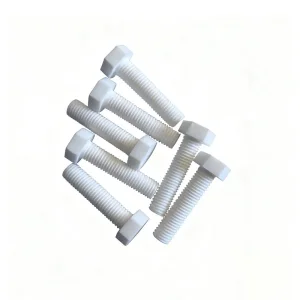
Browse our range of special material bolts, high-temperature solutions, and lightweight plastic fasteners designed for specific engineering environments.
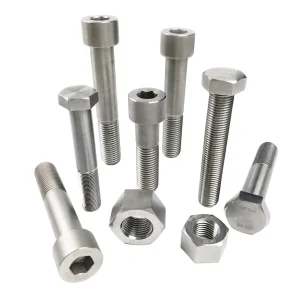
 BSF
BSF