Industrial grade, lightweight, and corrosion-resistant fasteners engineered to meet high tolerances in precision machinery, aerospace, marine engineering, and chemical processing.
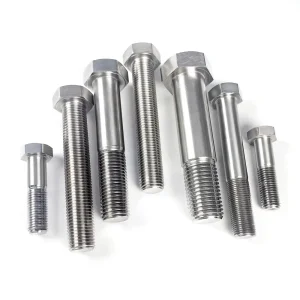
Production Base
Utility Patents
Standard Parts Stock
Defect Inspection Target
In modern industrial assembly lines, the selection of fastening components plays a pivotal role in maintaining structural integrity and preventing galvanic corrosion. As global supply chains face volatile raw material costs and increasing pressure to comply with international manufacturing standards, procuring high-quality custom stainless steel pan head self tapping screws has become a strategic focus for procurement directors and senior mechanical engineers alike.
Stainless steel pan head self tapping screws are uniquely designed with a wider surface area under the head, which distributes clamping pressure evenly over the mating materials. This reduces the risk of crushing or stripping softer substrates, such as aluminum, plastics, and composite materials. Understanding the metallurgy behind these fasteners is critical. Choosing between austenitic grades like AISI 304 (A2) and AISI 316 (A4) or higher-performance duplex and super-alloys can mean the difference between a project life cycle that spans decades or one plagued by premature fatigue and stress corrosion cracking (SCC).
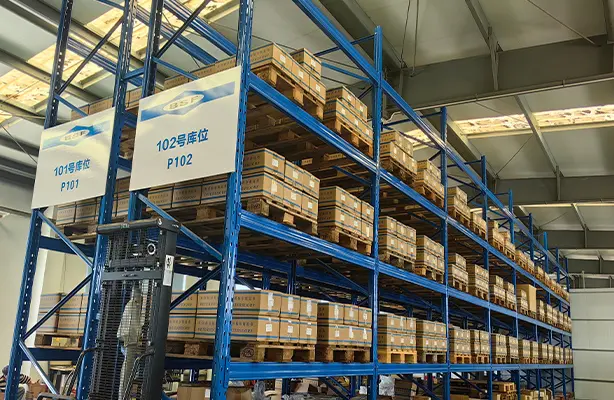

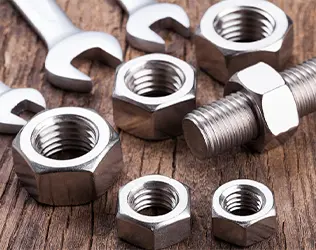
Ensuring operational reliability through rigorous quality checks, continuous innovation, and vast raw material inventories.

We have formulated the most stringent sampling inspection system, leveraging automated optical sorting and torque testers, so as to strive to achieve zero defects for all products out of our factory.

At present, our entire group has more than 100 utility model patented products and eight invention patented products, pushing the boundaries of high-temperature and non-magnetic fastener alloys.

We currently operate nearly 100,000 product models, with 500 tons of special raw materials in stock and 10,000 tons of finished stainless steel standard parts ready for immediate global shipping.
Self-tapping screws represent a marvel of micro-engineering. Unlike traditional bolts that require a pre-tapped mating thread, self-tapping fasteners cut or form their own matching threads during installation. For stainless steel variants, balancing mechanical hardness (to ensure the screw can thread into steel or aluminum without damage to its own lead threads) with structural ductility is a significant challenge.
When engineering customized pan head self tapping screws, selecting the appropriate thread profile is essential:
| Parameter | AISI 304 (A2 Stainless) | AISI 316 (A4 Stainless) | Duplex 2205 (EN 1.4462) | Inconel 718 (Nickel-Alloy) |
|---|---|---|---|---|
| Tensile Strength (MPa) | 500 - 700 | 500 - 800 | 650 - 880 | 965 - 1300 |
| Yield Strength 0.2% (MPa) | 200 | 220 | 450 | 550 - 1030 |
| Corrosion Resistance | Moderate (General Industrial) | High (Marine & Acid environments) | Outstanding (Pitting resistant) | Extreme (Cryogenic to High Temp) |
| Temperature Range Limit | -196°C to 800°C | -270°C to 800°C | -50°C to 300°C | -270°C to 1200°C |
| Magnetic Permeability | Non-magnetic (practically) | Non-magnetic (completely) | Ferromagnetic | Non-magnetic |
One of the primary failure modes for high-strength steel self-tapping screws is Hydrogen Embrittlement (HE). However, austenitic stainless steel screws (such as 304 and 316) are inherently highly resistant to HE because they do not undergo carbon-martensite phase transformations. In environments where stainless steel screws are driven into aluminum sheets (such as in solar panel tracking arrays or automotive bodies), galvanic corrosion is prevented by deploying specialized surface coatings like passivating finishes, zinc-flake barriers, or PTFE coatings. This ensures that the potential difference between the dissimilar metals does not trigger electrical currents that lead to material degradation.
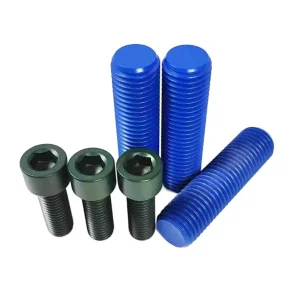
We provide a comprehensive range of custom structural fasteners designed for extreme temperatures, low magnetic interference, and maritime deployment.
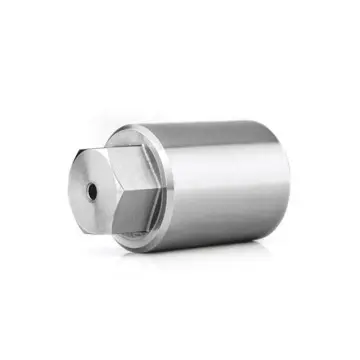
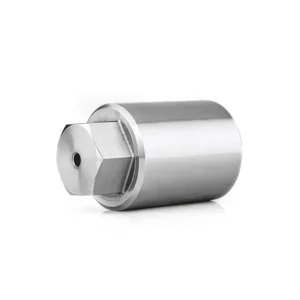
Specially formulated alloys designed for high-end MRI scanners, precision aerospace electronics, and semiconductor inspection instruments.
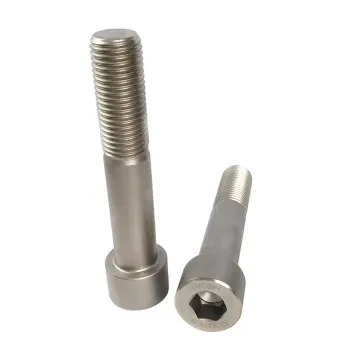
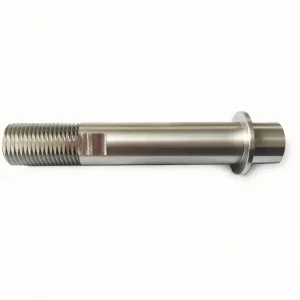
Includes high-end superalloys, Hastelloy, Monel, and titanium fasteners engineered for high tensile strength and chemical corrosion resistance.
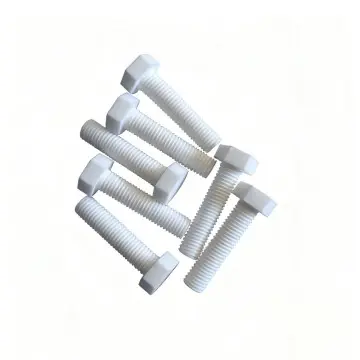
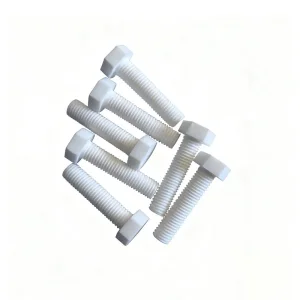
Lightweight and corrosion-resistant fasteners constructed from high-performance PEEK, PVDF, and Nylon-66 for electronics and medical labs.
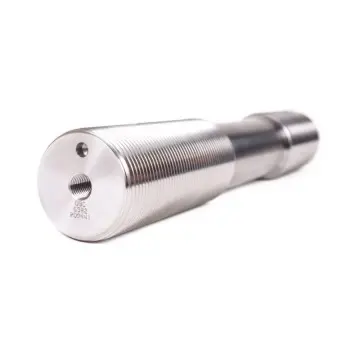
Certified marine fasteners used in shipbuilding, propeller installations, and offshore wind platforms, backed by official maritime credentials.
Delivering high-precision structural integrity across diverse, challenging industrial applications.
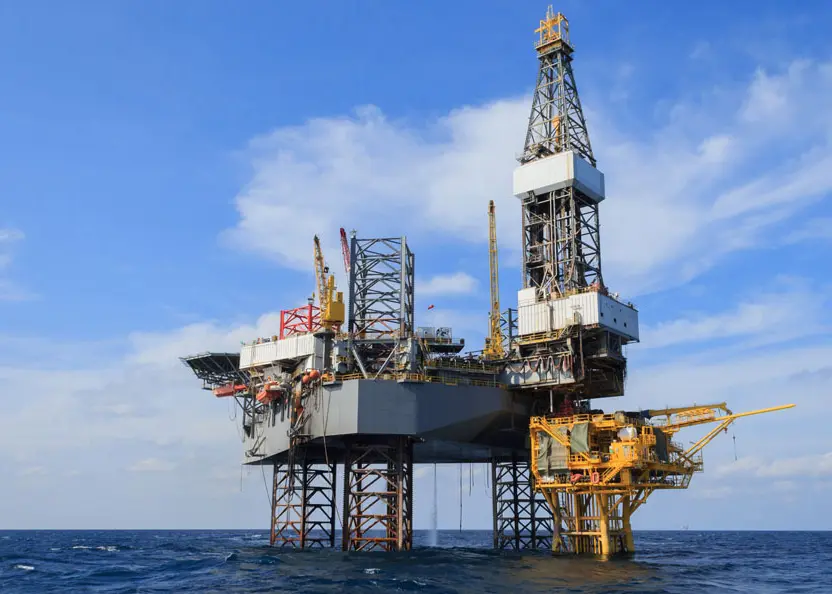
Our special fasteners are widely used in shipbuilding and oceanography engineering, specifically in the manufacture of special ships, marine propulsion systems, marine accessories, yacht manufacturing, offshore oil drilling platforms, submarine pipelines, offshore wind power towers, underwater lifeboats, port machinery, and dock construction.
These special fasteners mainly include A4-80, A5-80, D8-80, D6-70, Duplex 2205, L7, 40CrNiMoA, Alloy 718, EN14399 steel structure connection pairs, and classification society certificate fasteners.
High-tensile fasteners used in nuclear reactors, high-temperature steam pipelines, solar tracker gearboxes, and gas turbines where creep resistance and structural integrity are paramount.
Vibration-proof fastening systems that withstand continuous cyclic loading, shear forces, and thermal contraction on transcontinental rail networks.
Non-magnetic self-tapping screws and ultra-high-precision components ensuring zero magnetic interference in complex medical imaging devices (MRI) and telecommunication bases.
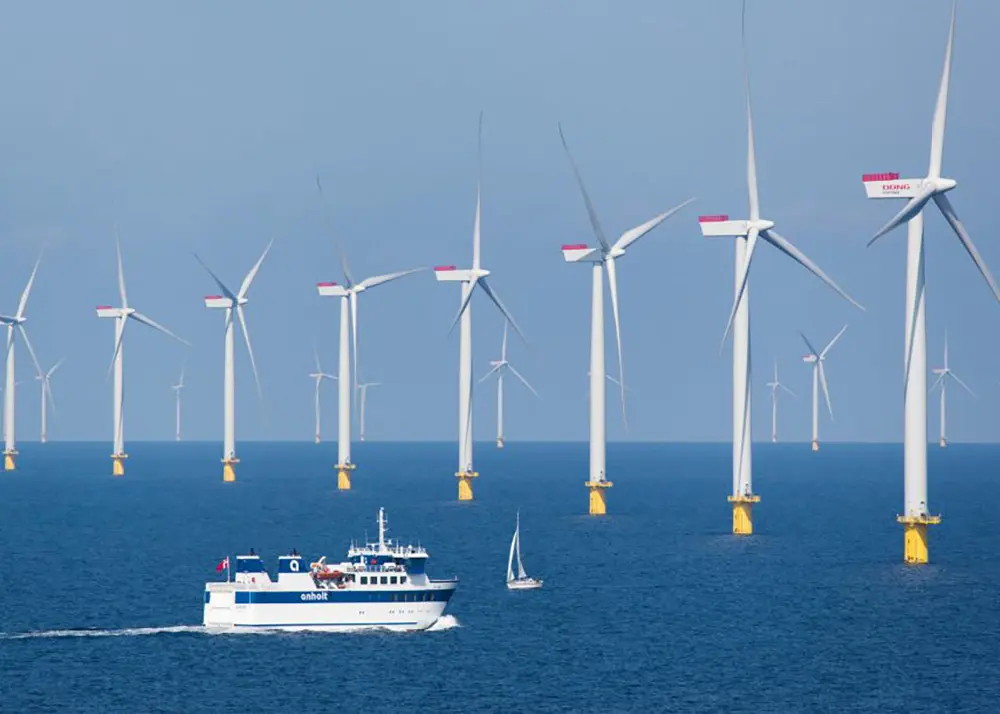
The fastener industry is undergoing a digital and materials-science transformation. The demand for lightweight, higher tensile strength, and smart-sensor embedded fastening systems has driven Beiersdorf to invest heavily in the following key research areas:
Designed for LNG storage containment systems, liquid nitrogen logistics, and space exploration payloads where materials typically transition from ductile to brittle states.
Engineered for high-stress automotive drivetrains and critical aerospace linkages, pushing the limits of metallurgical stress thresholds.
Fasteners fabricated from nickel-based superalloys (such as Inconel 718 and Nimonic) to prevent fastener relaxation and creep deformation in furnace liners and aerospace engines.
With environmental compliance regulations tightening across North America (EPA) and Europe (REACH / RoHS), the shift toward eco-friendly fasteners is critical. Our technical roadmap focuses on utilizing 100% recyclable stainless steel, minimizing acid chemical usage during passivation treatments, and eliminating heavy metals (like hexavalent chromium) in plating lines. This guarantees that our products comply with RoHS and REACH regulations, facilitating smoother custom clearances for global exporters.
Answering key engineering questions regarding torque specifications, material compatibility, and mechanical limits of self-tapping screws.
Self-tapping screws (often Type AB or B) require a pre-drilled pilot hole to cut or form their matching threads. Self-drilling screws, however, feature a built-in drill point (similar to a drill bit) that drills the hole and forms the thread in a single, continuous operation, bypassing the need for a separate drilling step.
A pan head fastener sits flat on the surface with a low, rounded top profile. This design distributes clamping force over a broader surface area compared to flat or countersunk designs, preventing damage to thin sheet metals or soft plastics while maintaining high pull-through resistance.
For marine, offshore, and petrochemical settings, 316 stainless steel is highly recommended. It contains 2-3% molybdenum, which drastically enhances its resistance to chloride-induced pitting and crevice corrosion compared to standard 304 stainless steel.
Galling is common with stainless steel fasteners when sliding friction generates intense heat, causing the threads to fuse. To prevent this, apply anti-seize lubricants, reduce installation speeds, and use precise torque settings to avoid over-torquing during assembly.
Yes. As an OEM manufacturer, we design and produce pan head self-tapping fasteners to your precise specifications, including non-standard thread pitches, customized lengths, and specific raw materials like titanium, Inconel, and various superalloys.
Our marine engineering and shipbuilding fasteners are certified by recognized Classification Societies. This guarantees compliance with global maritime standards for ship structural assembly and offshore installations.
Beiersdorf Industrial Technology (Shanghai) Co., Ltd. is a premier partner for high-precision fastening systems. Our engineering team provides end-to-end technical support, from material selection advice to post-installation maintenance plans.
Have a Technical Inquiry? Call our Shanghai Office:
+86(0)21-38022886Submit your custom specifications and receive a comprehensive price quote within 24 business hours.
Stay up to date with metallurgical innovations, supply chain logistics, and company advancements at Beiersdorf.
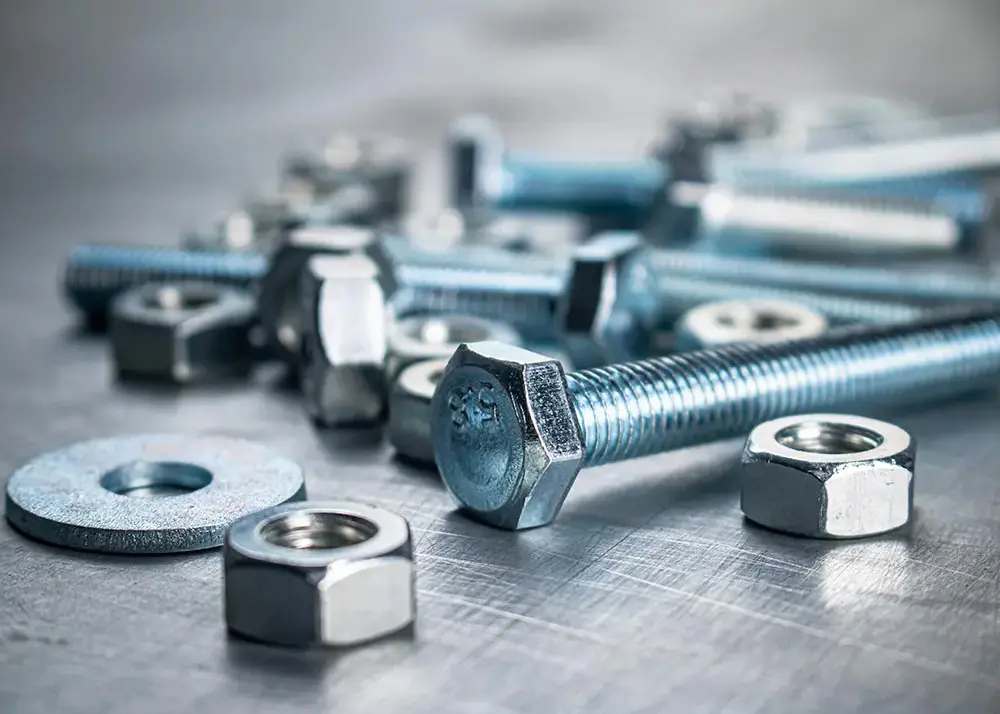
In the heart of the global industrial landscape, the fastener industry stands as a silent but crucial cog driving the machinery of progress. As we step into 2025, the future of fasteners is poised to reach new heights...
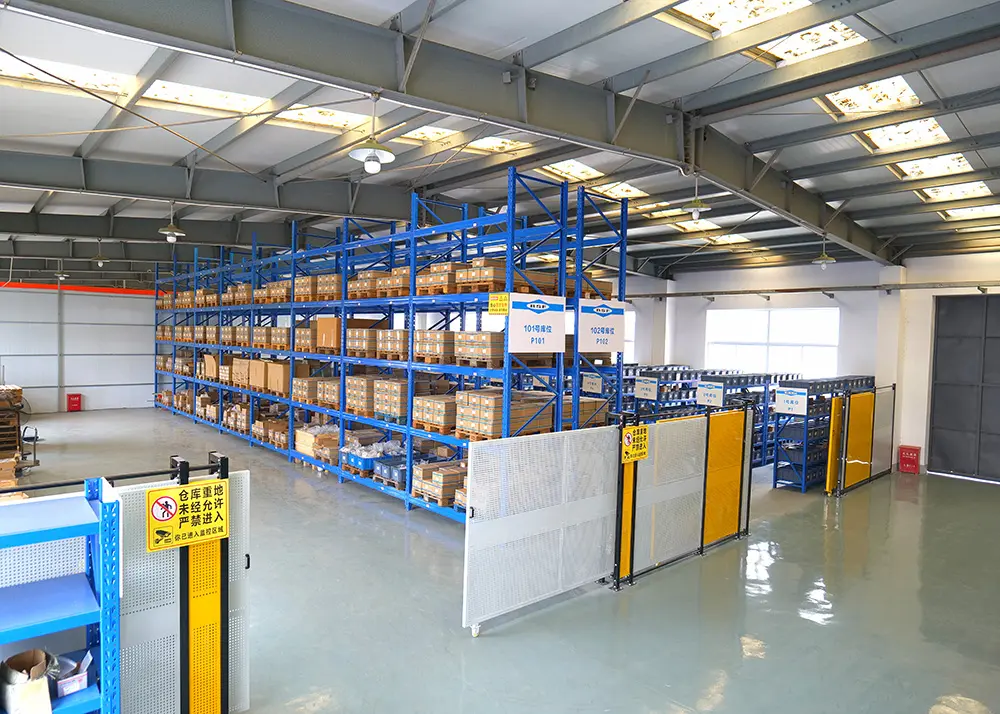
Beiersdorf, a leading global fasteners supply company, has announced the commencement of a comprehensive warehouse renovation project. This initiative is part of the company's ongoing commitment...
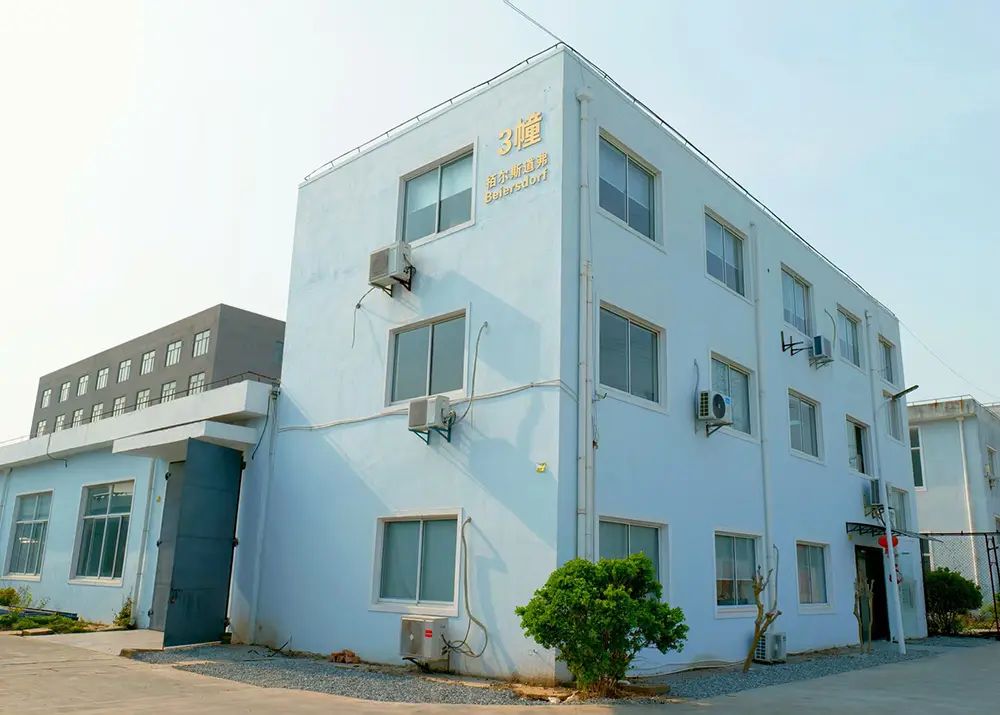
Beiersdorf (Shanghai) was founded in 2015. We are a company with a global perspective dedicated to providing professional fastener solutions. Fasteners, as the most basic and common mechanical parts...
Exporting high-precision structural components and custom fasteners to major industrial hubs across North America, Europe, Asia-Pacific, and the Middle East.

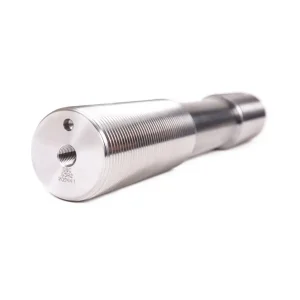
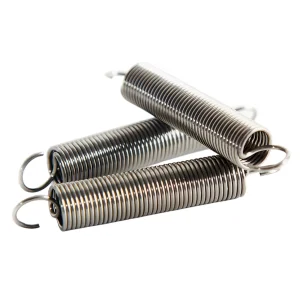
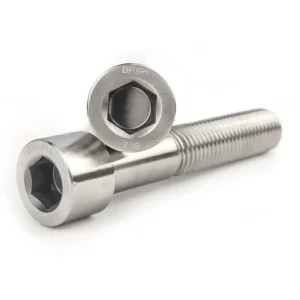
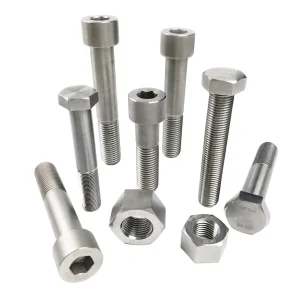
Additional engineering-grade fasteners, high-tensile springs, and high-precision CNC machined parts designed to withstand extreme stresses.
 BSF
BSF