 BSF
BSF
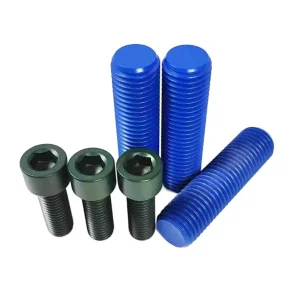
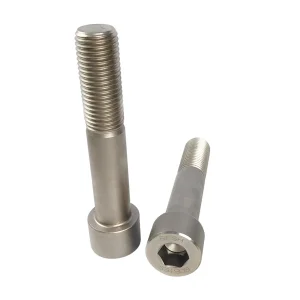
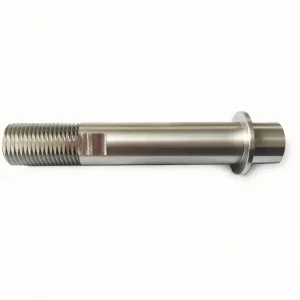
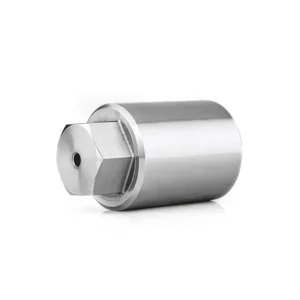
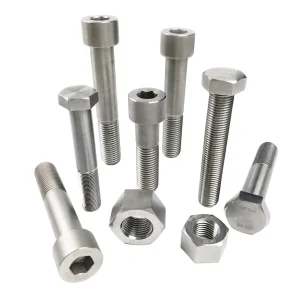
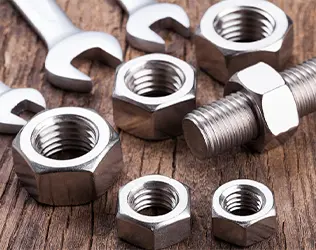

Industrial Whitepaper: Engineering High-Performance Custom Standard Bolts & Nuts for Critical Global Infrastructure
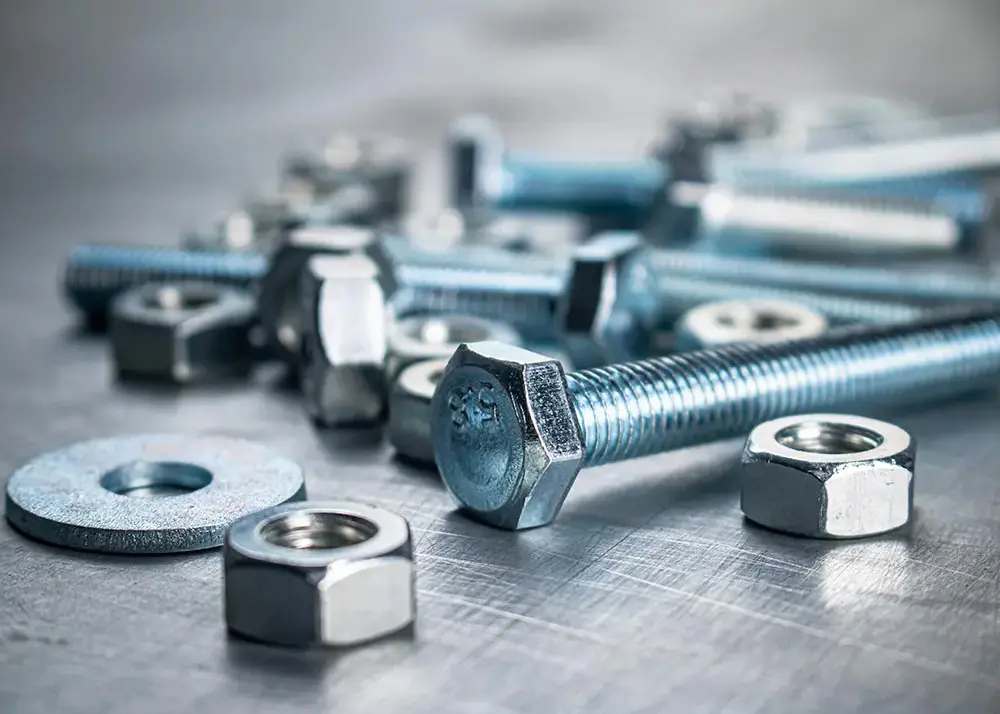
In modern industrial engineering, the integrity of a fastening system dictates the threshold performance, reliability, and lifespan of entire assemblies. Bolts and nuts are far from passive hardware; they are critical load-bearing mechanical elements that undergo massive stress distributions. As heavy machinery, marine engineering, aerospace networks, and sub-zero logistics chains grow in mechanical complexity, standard fasteners often hit operational limits. The emergence of customized standard bolts and nuts has rewritten performance profiles, enabling operations under high pressure, severe corrosion, and extreme temperatures.
1. The Global Commercial & Industrial Landscape of Modern Fasteners
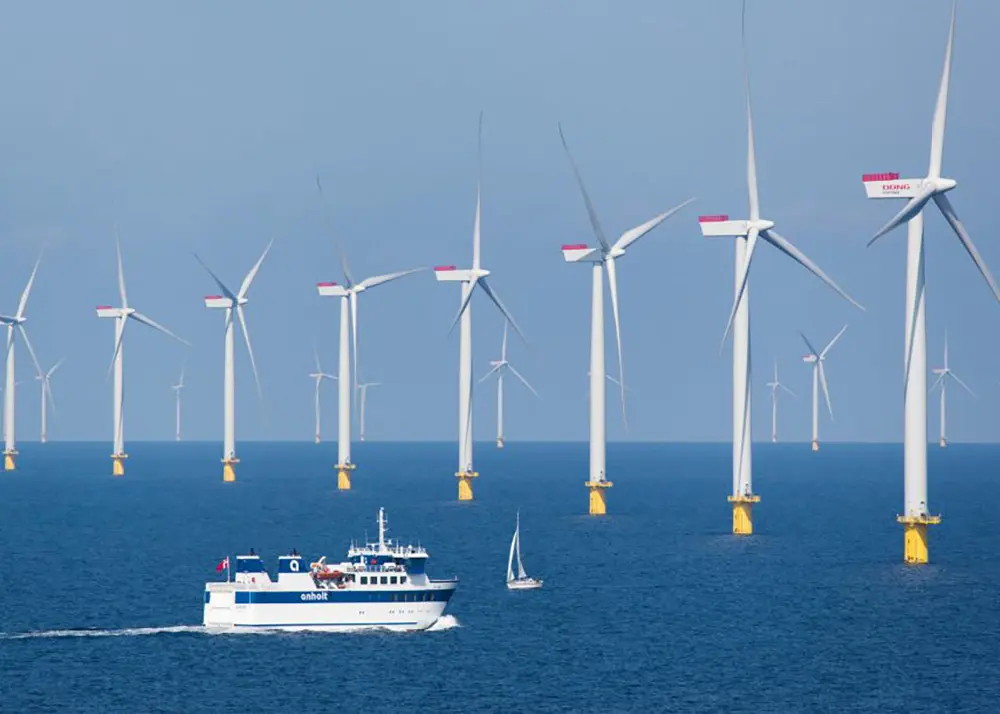
The global industrial fasteners market is transitioning from simple structural carbon steel components toward high-value, highly engineered alloy assemblies. Driven by rapid expansion in deep-sea petroleum extraction, high-speed rail networks, and clean energy generation, the demand for specialized bolts and nuts has skyrocketed. Manufacturers must navigate diverse international standards (including ISO, DIN, ANSI, ASME, and JIS) to supply components that integrate seamlessly into complex mechanical arrays.
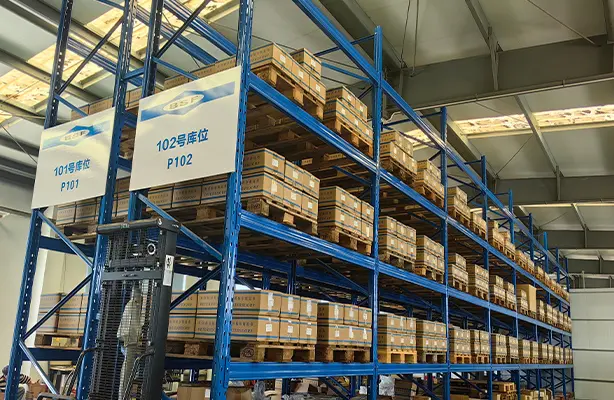
With major global sourcing hubs shifting toward advanced industrial clusters, Chinese manufacturers like Beiersdorf have set new benchmarks in scale and metallurgical depth. High-end fasteners must retain mechanical compliance in fluctuating global markets where raw material costs, supply chain bottlenecks, and environmental regulations continuously shift production boundaries. To survive, modern suppliers must bridge the gap between stock availability and customized engineering support.
2. Deep Metallurgical Analysis of Extreme Condition Fastening
Critical failure points in structural joints are direct consequences of microstructural degradation under mechanical load. Designing fasteners for extreme applications requires absolute control over metallurgical phases:
- Cryogenic Performance (-270℃ to 0℃): Standard ferritic steels exhibit a sharp ductile-to-brittle transition temperature (DBTT) when subjected to low temperatures, leading to sudden mechanical cleavage under stress. Our cryogenic fasteners maintain a face-centered cubic (FCC) austenitic crystal structure (via optimized nickel and chromium concentrations) to ensure high impact toughness even at temperatures near absolute zero. Such properties are paramount for liquid helium transport and LNG storage infrastructure.
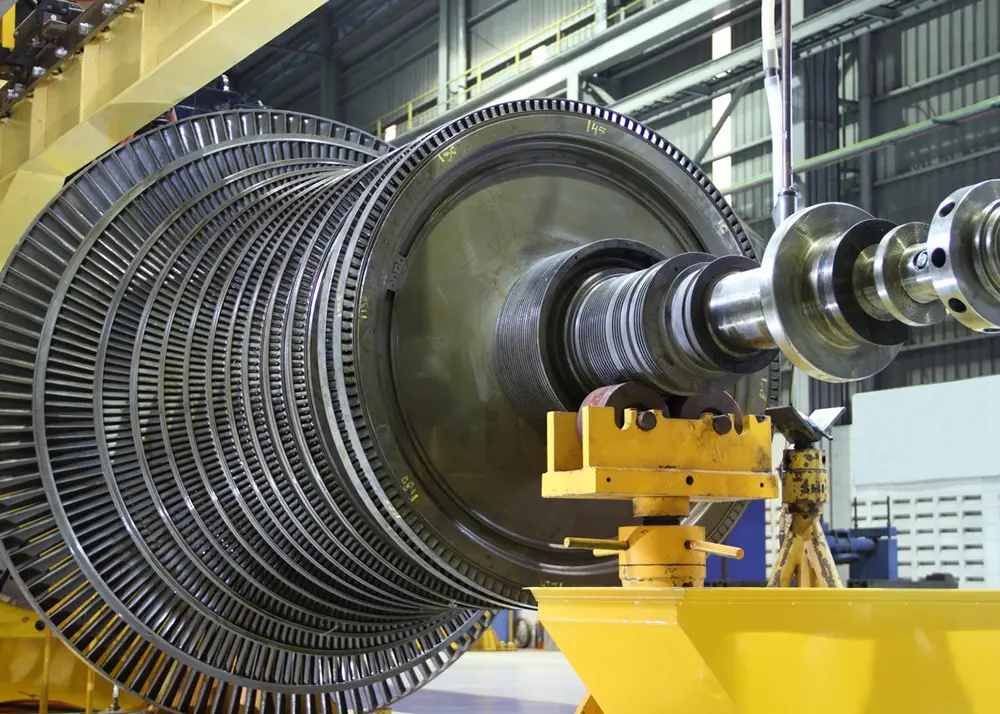
- High-Temperature Integrity (up to 1200℃): For thermal processing units and aerospace propulsion systems, standard alloys suffer from rapid oxidation, recrystallization, and creep deformation. We leverage nickel-based superalloys (such as Inconel 718 and Inconel 625) and cobalt alloys, where gamma-prime (γ') precipitations act as barriers against dislocation movement, maintaining critical shear strength under sustained high thermal loads.
- Ultra-High Tensile Strengths (up to 1900 MPa): Attaining high ultimate tensile strength values requires rigorous heat treatment processes. By controlling quenching temperatures and tempering durations, we control the dispersion of fine martensitic and carbide phases to prevent internal dislocation voids, providing high elasticity metrics and resistance to cyclic fatigue.
3. Future Trends: Digitalization, Smart Fasteners, and Green Metallurgy
The roadmap for fastening engineering is deeply intertwined with industrial automation. Emerging fields, such as structural health monitoring, demand "Smart Fasteners" embedded with micro-sensors that measure preload relaxation, axial tension changes, and localized temperature spikes in real-time. This eliminates routine manual inspection overhead, turning passive bolts into active elements of predictive industrial maintenance programs.
Simultaneously, green metallurgy is driving clean production practices. Decreasing the carbon footprint during steel smelting and implementing eco-friendly surface coatings (such as trivalent zinc or polymer plating instead of hexavalent chromium coatings) are essential steps to comply with RoHS and REACH regulations without sacrificing salt-spray corrosion resistance.
4. Macro Industry Solutions: Seamless Engineering Across Critical Sectors
Beiersdorf provides tailored packages that address sector-specific mechanical challenges:
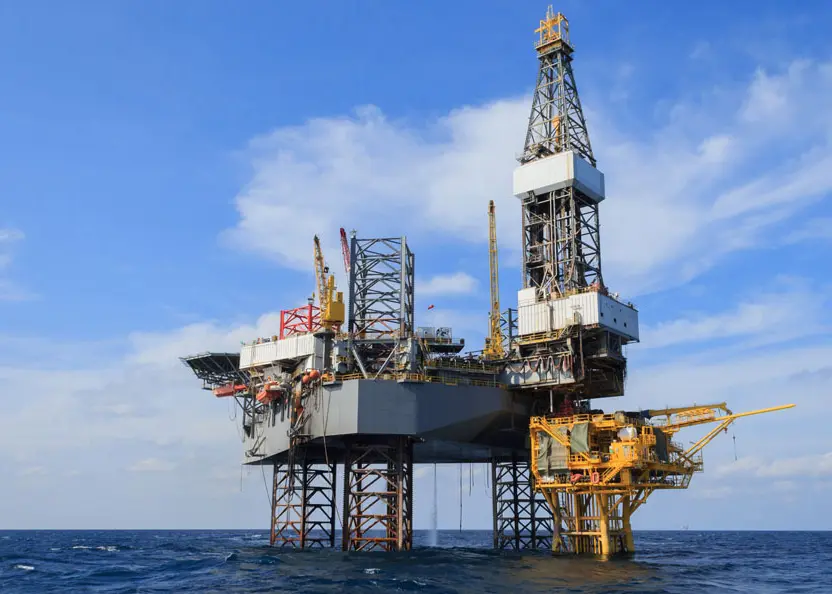
- Marine & Offshore Energy: Sea-spray and submerged marine installations suffer from severe galvanic and pitting corrosion. Our duplex and super-duplex stainless-steel fasteners (such as 2205) resist chloride-induced stress corrosion. In parallel, classification society certified fasteners meet international maritime construction requirements.
- Aerospace & Space Systems: Minimizing structural mass while keeping tensile load values high requires using titanium alloys (such as Ti-6Al-4V) and non-magnetic materials that prevent electromagnetic interference in guidance computers and delicate communications suites.
- High-Speed Transit & Rail Infrastructure: These systems face constant vibration and shear force vectors. Precise thread profiles, mechanical thread locking, and specific torque tolerances prevent dangerous self-loosening events under cyclic stress profiles.