 BSF
BSF
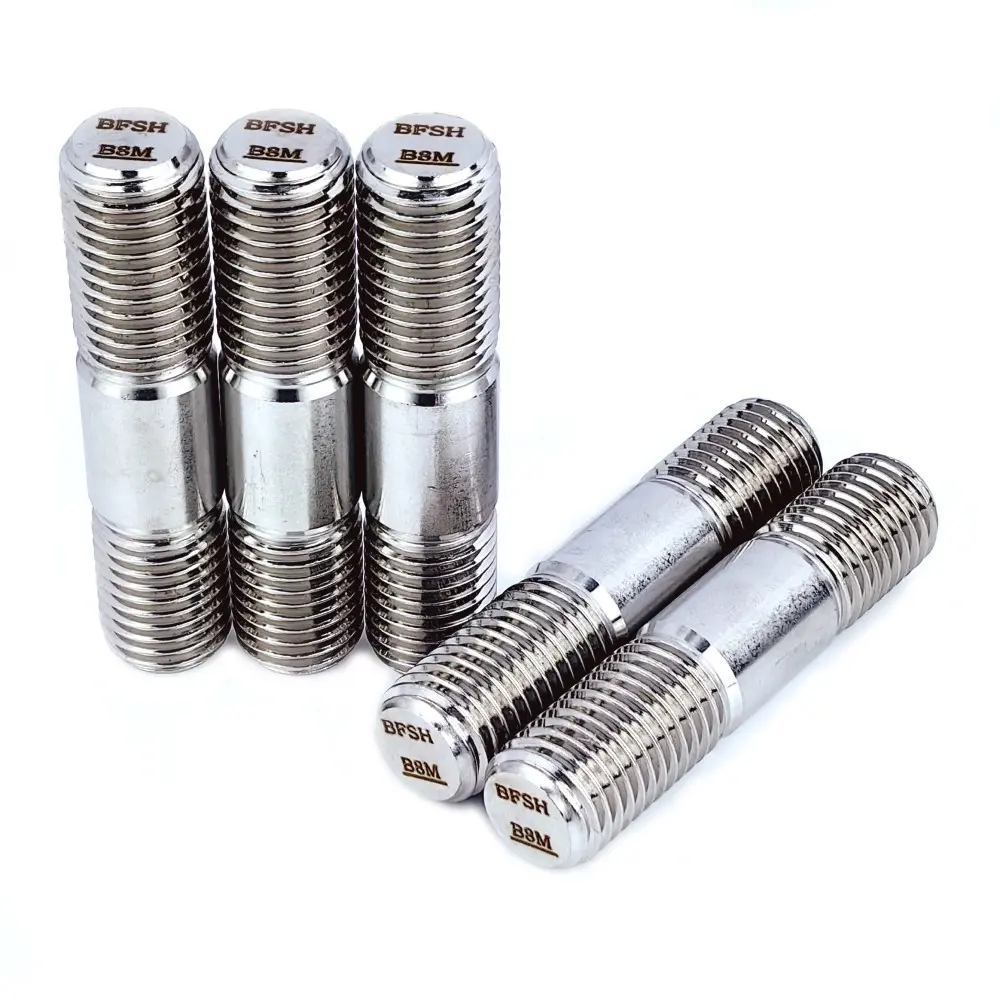
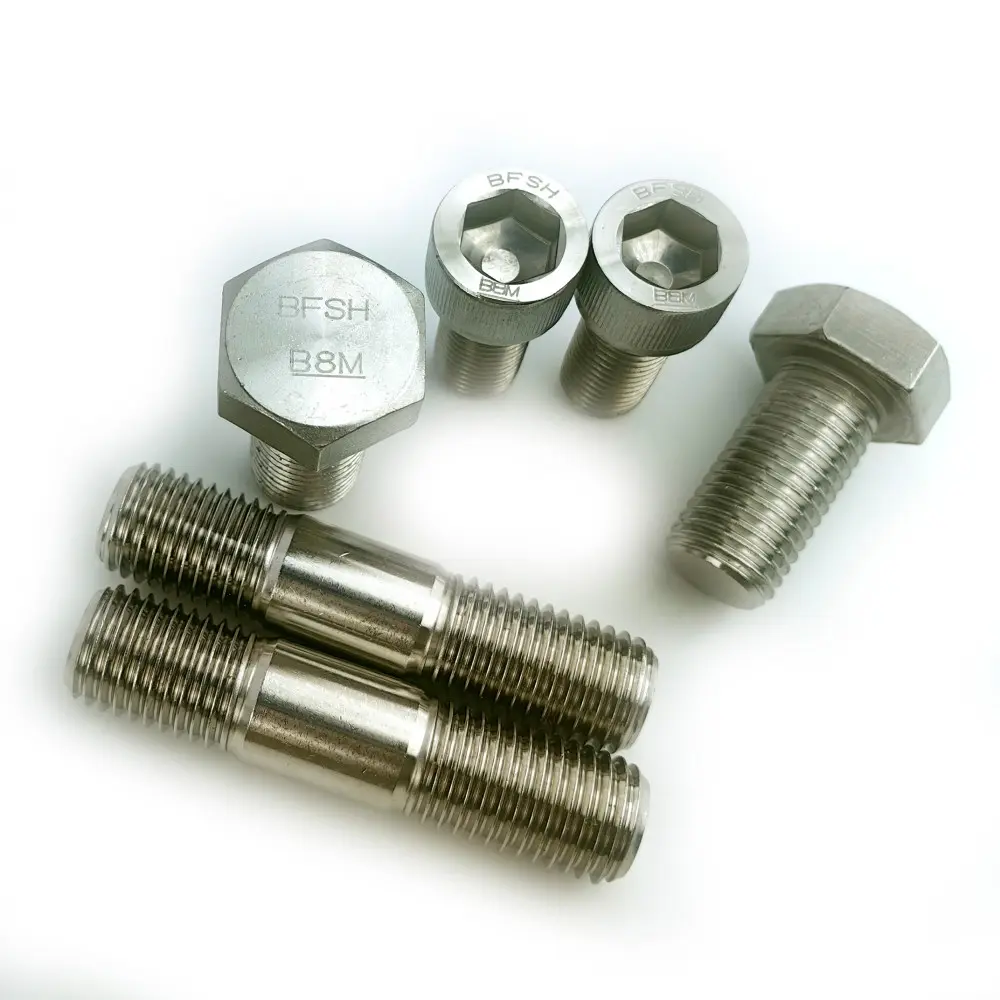
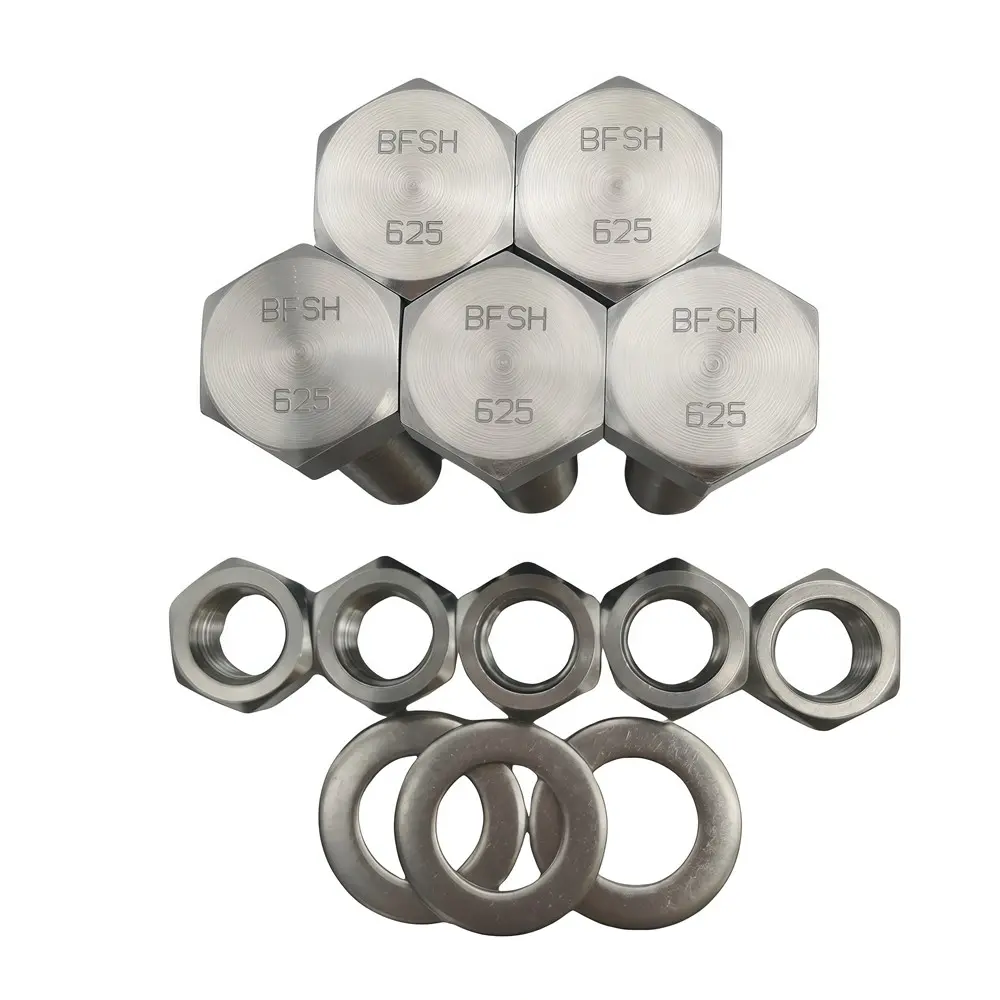
1 / 5
It maintains high strength even below -60℃, preventing brittle fracture. It is suitable for equipment such as liquefied natural gas pumps and liquid nitrogen pumps.
Carbon steel or alloy steel (such as 35CrMoA/42CrMoA) with a body-centered cubic crystal structure can have its hardness and impact performance optimized through tempering heat treatment.
The preload force is positively correlated with temperature: For A-286 stainless steel screws, at -275℉ (-170℃), due to the thermal contraction effect, the thread friction increases, and the locking performance improves.
The glass fiber/epoxy resin composite material joints have a 15% higher load-bearing capacity at -40℃ compared to at room temperature, and the pre-tightening torque effect is even more significant.
Stainless steel fasteners (as per the ISO 3506-1 standard) possess both corrosion resistance and mechanical properties in low-temperature environments.
Wind turbine bolts (such as 10.9/12.9 grade) need to withstand multi-axis stress and dynamic loads, and should avoid brittle fracture at low temperatures.
The low-friction coefficient design facilitates installation and disassembly in low-temperature environments.
Rocket fuel storage tanks, liquid hydrogen/liquid oxygen pipeline connections (such as in SpaceX's cryogenic propulsion system). The wind tunnel model employs a low-temperature locking device, which enhances the connection stability through the thermal contraction effect.
LNG storage tanks, transport ships and pipeline flange connections (with working temperatures as low as -162°C). Liquid nitrogen/liquid helium storage equipment (such as for fixing superconducting magnets).
The cryogenic support structure of superconducting magnets (such as those in MRI equipment), The cryogenic thermostat of a quantum computer (close to absolute zero).
Fixed shelves for ultra-low temperature cold storage (-80°C). Liquid nitrogen quick-freezing equipment conveyor belt fasteners.
| Low Temperature Fasteners Available Types | |||
|---|---|---|---|
| Digital Grade | Material | Executive Standard | Withstand Temperature |
| 1.1133 | 20Mn5 | -20℃ | |
| 1.6582 | 34CrNiMo6 | DIN EN 10269 | -40℃ |
| 1.6580 | 30CrNiMo8 | DIN EN 10269 | -40℃ |
| 1.5523 | 19MnB4 | -60℃ | |
| 1.7218 | 25CrMo4 | -60℃ | |
| 1.7219 | 26CrMo4 | -60℃ | |
| 1.7225 | 42CrMo4 | -100℃ | |
| 1.6583 | 41NiCrMo7-3-2 | -100℃ | |
| 1.5680 | X12Ni5 | DIN EN 10269 | -120℃ |
| 2.4952 | NiCr20TiAI | DIN EN 10269 | -196℃ |
| 2.4669 | NiCr15Fe7TiAI | -196℃ | |
| 1.4980 | X6NiCrTiMoVB25-15-2 | DIN EN 10269 | -196℃ |
| 1.5662 | X8Ni9 | -196℃ | |
| 1.4401 | X5CrNiMo17-12-2 | -196℃ | |
| 1.4404 | X2CrNiMo17-12-2 | -196℃ | |
| 1.4403 | X4CrNi18-12 | DIN EN 10269 | -196℃ |
| 1.4301 | X4CrNi18-10 | -196℃ | |
| 1.4948 | X6CrNi18-10 | -196℃ | |
| 1.4307 | X2CrNi18-9 | -196℃ | |
| 1.4919 | X6CrNiMoB17-12-2 | -196℃ | |
| 1.4941 | X6CrNiTiB18-10 | -196℃ | |
| 2.4856/UNS N06625/Alloy625 | NiCr22Mo9Nb | ASTM B446/B564/E112 | -196℃ |
| 2.4610/UNS N06455/Alloy C4 | NiMo16Cr16Ti | ASTM B 574/B 564 | -196℃ |
| 2.4605/UNS N06059/Alloy59 | NiCr23Mo16AI | ASTM B 574/B 564 | -196℃ |
| 2.4602/UNS N06022/Alloy C22 | NiCr21Mo14W | ASTM B 574/B 564 | -196℃ |
| 1.6909wk | X5CrMnNiN18-9 | -196℃ | |
| 1.4562/UNS N08031/Alloy31 | X1NiCrMoCu32-28-7 | ASTM B581/B649 | -196℃ |
| HiMo88 | A4-80/A4L-80/316L | -200℃ | |
| 1.4429 | X2CrNiMoN17-13-3 | -270℃ | |
| 1.4910 | X3CrNiMoBN17-13-3 | -270℃ | |
| 2.4668/UNS N07718/Alloy 718 | NiCr19Fe19Nb5Mo3 | DIN EN 10269/ASTM B637 | -273℃ |
| 1.4980/Alloy 286/660A/B/C/D | X6NiCrTiMoVB25-15-2 | DIN EN 10269/ASTM 453 | -273℃ |
| 1.4910 | X3CrNiMoBN17-13-3 | DIN EN 10269 | -273℃ |
| 1.4571/AISI316Ti | X6CrNiMoTi17-12-2 | DIN EN10088/10272 | -273℃ |
| 1.4541/AISI321 | X6CrNiTiB18-10 | DIN EN10088/10272 | -273℃ |
| 1.4436/AISI 316L | X3CrNiMo17-13-3 | DIN EN10088/10272 | -273℃ |
| 1.4435/AISI 316L | X2CrNiMo18-14-3 | DIN EN10088/10272 | -273℃ |
| 1.4429/AISI 316LN | X2CrNiMoN17-13-3 | DIN EN10269/10272 | -273℃ |
| 1.4306/AISI 306 | X2CrNi19-11 | DIN EN10088/10272 | -273℃ |
A1: These fasteners offer high stability below -60℃ to prevent brittle fracture, high resistance to corrosion in harsh environments (following standards like ISO 3506-1), and feature low-friction coefficient designs for ease of installation and disassembly.
A2: At extremely low temperatures, such as -275℉ (-170℃), the thermal contraction effect increases thread friction, which subsequently improves the overall locking performance and increases preload force.
A3: They are widely applied in Aerospace (rocket fuel tanks, wind tunnels), LNG and energy (pipeline flanges and storage equipment), Superconductivity and quantum technologies (cryogenic support structures in MRI or quantum computers), and ultra-low temperature food cold chains.
A4: High-performance alloys and steels such as UNS N07718 (Alloy 718), A-286 (1.4980), 1.4571 (AISI 316Ti), and 1.4429 (AISI 316LN) are compliant with standards like DIN EN 10269 and can withstand extreme conditions down to -273℃.
A5: For body-centered cubic crystal structures (like 35CrMoA or 42CrMoA), tempering heat treatment is applied to optimize hardness and impact performance, preventing brittle failures at low temperatures.