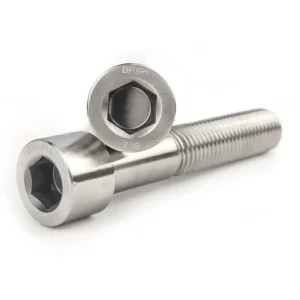
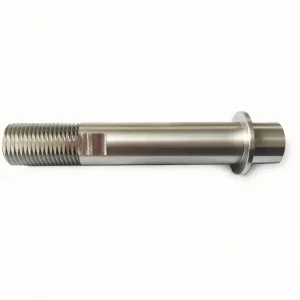
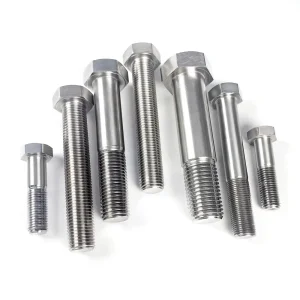
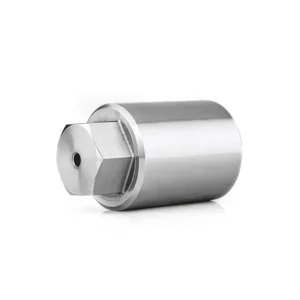
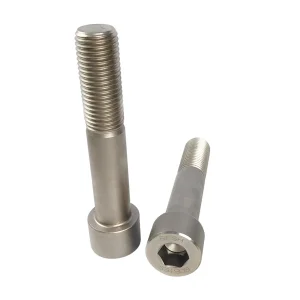
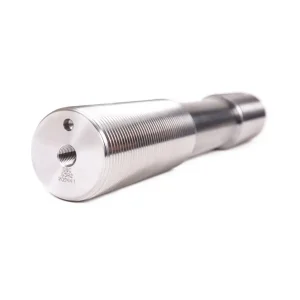
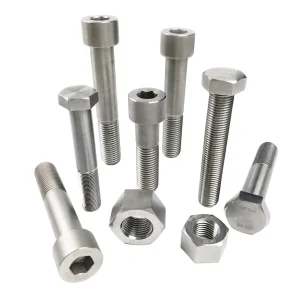
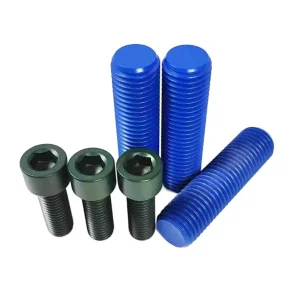
Advanced fastening components engineered to maintain peak performance and ultimate safety margins under intensive thermal stress environments.
Hungary has positioned itself as one of Central Europe's most dynamic industrial epicenters. Bolstered by strategic government policies encouraging foreign direct investment, the country has transitioned from a traditional manufacturing hub into a cutting-edge corridor for electromobility, automotive assembly, and chemical processing. This industrial shift, highlighted by massive gigafactories such as CATL's multi-billion-euro battery project in Debrecen and BYD's new EV assembly lines in Szeged, requires an entirely new tier of structural components. Specifically, high-temperature fasteners have become a fundamental design parameter to ensure operational safety and system reliability under intense thermal stress.
In electric vehicle battery modules, thermal management components, and modern chemical processing facilities near Miskolc and Tiszaújváros, fasteners are subjected to severe conditions. Standard steel alloys fail rapidly in these environments, suffering from creep deformation, high-temperature oxidation, and thermal expansion mismatch. Consequently, automotive tier-1 suppliers and chemical engineering consortiums operating within Hungary are transitioning to specialized alloys. These alloys must offer superior mechanical properties at elevated operational thresholds, guaranteeing that structural joints maintain their clamping forces even when temperatures surge past 800°C to 1200°C.
For engineering leads and procurement managers sourcing parts for Hungarian projects, material science is key. High-temperature fastening requires a deep understanding of metallurgy:
Leveraging state-of-the-art Chinese manufacturing, extensive R&D patents, and strict quality assurance protocols to deliver high-performance solutions globally.

We have formulated the most stringent sampling inspection system, so as to strive to achieve zero defects for the products out of our factory.

At present, our entire group has more than 100 utility model patented products and eight invention patented products.

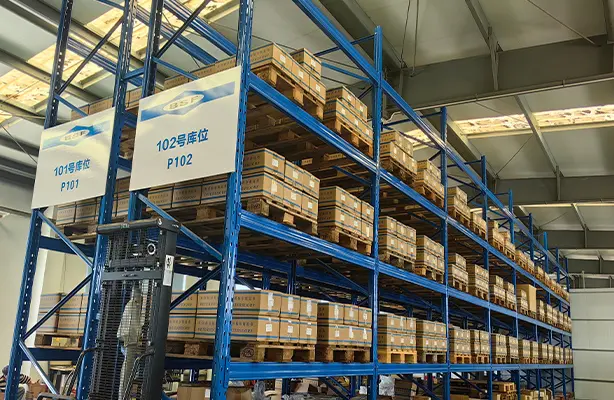
We currently operate nearly 100,000 product models, with 500 tons of special raw materials in stock and 10,000 tons of finished stainless steel standard parts in stock.
Beiersdorf Industrial Technology (Shanghai) Co., Ltd. was established in 2015 and is located in Shanghai, China. It is an enterprise mainly engaged in the business of special fasteners and ultra-high precision components. We supply critical mechanical fasteners designed for harsh operating environments, serving global customers across sectors such as petrochemical engineering, new energy automotive production, marine logistics, and aerospace components.
 “Product quality is the foundation for an enterprise's survival.”
 “Heart to sunshine, everything to prosperity”

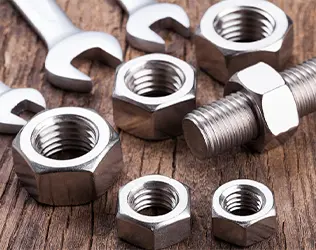
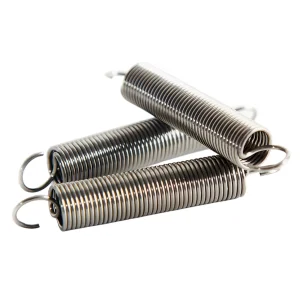
Specially manufactured wires and bolts for applications requiring extreme tensile limits and thermal stability.
 -270℃ Low-temperature Fasteners
 Titanium Alloy Fasteners
 Cobalt Alloy Fasteners
Nickel Alloy Fasteners
Best Seller Series
Fasteners with 1900 MPa Tensile Strength
1200℃ High-temperature Fasteners
Super Stainless Steel Alloys
Cobalt Alloy Fasteners
Nickel Alloy Fasteners
Best Seller Series
Fasteners with 1900 MPa Tensile Strength
1200℃ High-temperature Fasteners
Super Stainless Steel Alloys
For European buyers managing complex programs in Hungary, manufacturing resilience is a key differentiator. The Chinese fastener manufacturing industry has evolved from low-value mass production into a highly specialized sector. Advanced metallurgical equipment, coupled with access to direct domestic raw material processing and strong steel industries, enables Beiersdorf to deliver high-performance fasteners at lower price points and with shorter lead times than European competitors.
Our facility in Shanghai maintains a robust inventory system, holding over 500 tons of raw alloy materials (including high-grade Inconel, Monel, and Titanium stock) and upwards of 10,000 tons of finished stainless steel fasteners. This inventory buffer acts as a hedge against global supply chain volatility, insulating our Hungarian partners from raw material delivery delays and price hikes. Additionally, our R&D department holds more than 100 utility model patents and 8 invention patents. This capability allows us to customize fasteners to exact specifications, matching custom geometry and thread pitches with metallurgical profiles optimized for specific thermal and mechanical demands.
Our fasteners are integrated across critical application areas in industrial plants worldwide:
Engineered for safety-critical environments in maritime, heavy energy, transport, and petrochemical infrastructure.
Our special fasteners are widely used in the field of shipbuilding and oceanography engineering, specifically in the manufacture of special ships, marine propulsion, marine accessories, yacht manufacturing, offshore oil drilling platforms, submarine pipelines, offshore wind power, underwater lifeboats, port machinery, dock construction, etc.
These special fasteners mainly include A4-80, A5-80, D8-80, D6-70, 2205, L7, 40CrNiMoA, 718, EN14399 steel structure connection pair, classification society certificate fasteners, etc.
Request Oceanography Certifications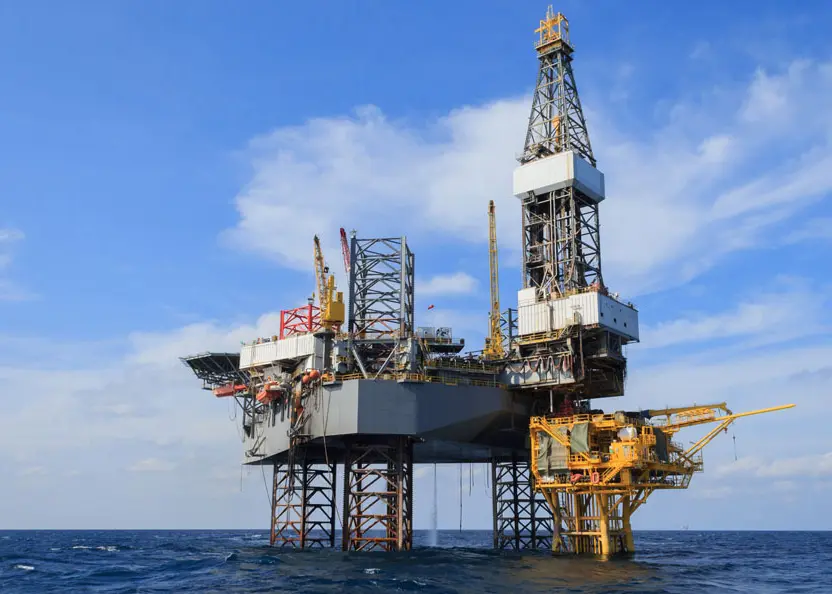
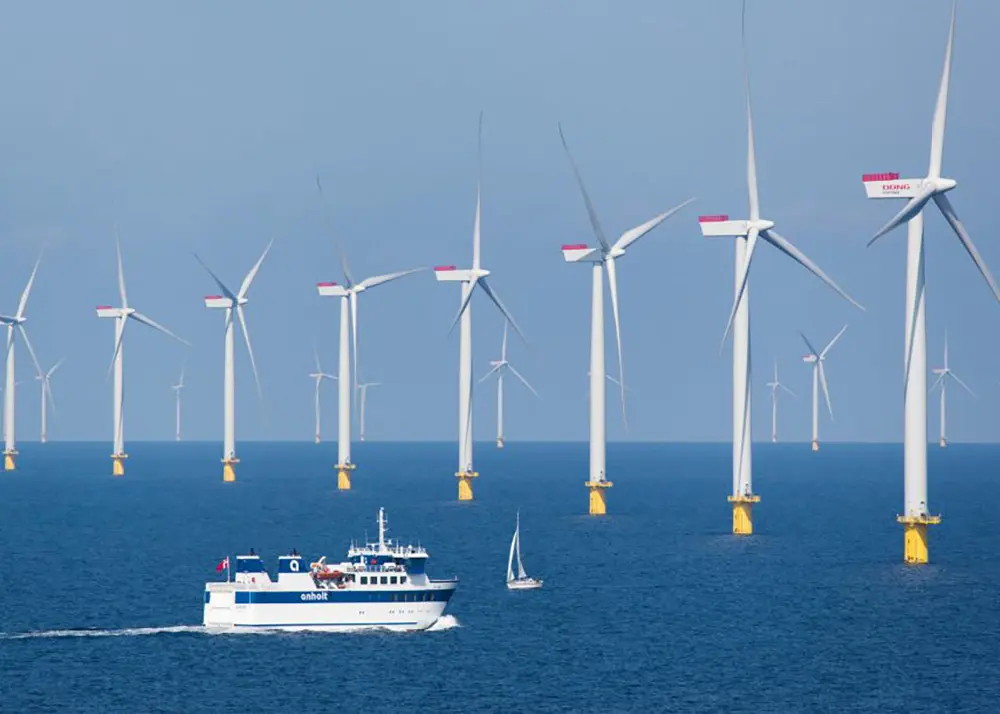
Turbines, solar systems, heat exchangers, and traditional coal/gas power plant components.
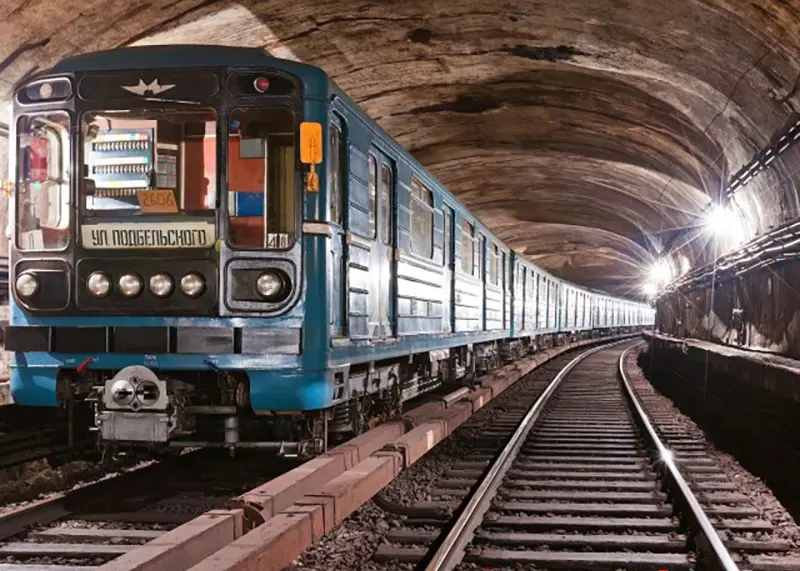
High-speed locomotive structures, track components, electrification systems, and wheelsets.

High-precision hardware, micro-fasteners, server enclosures, and outdoor stations.
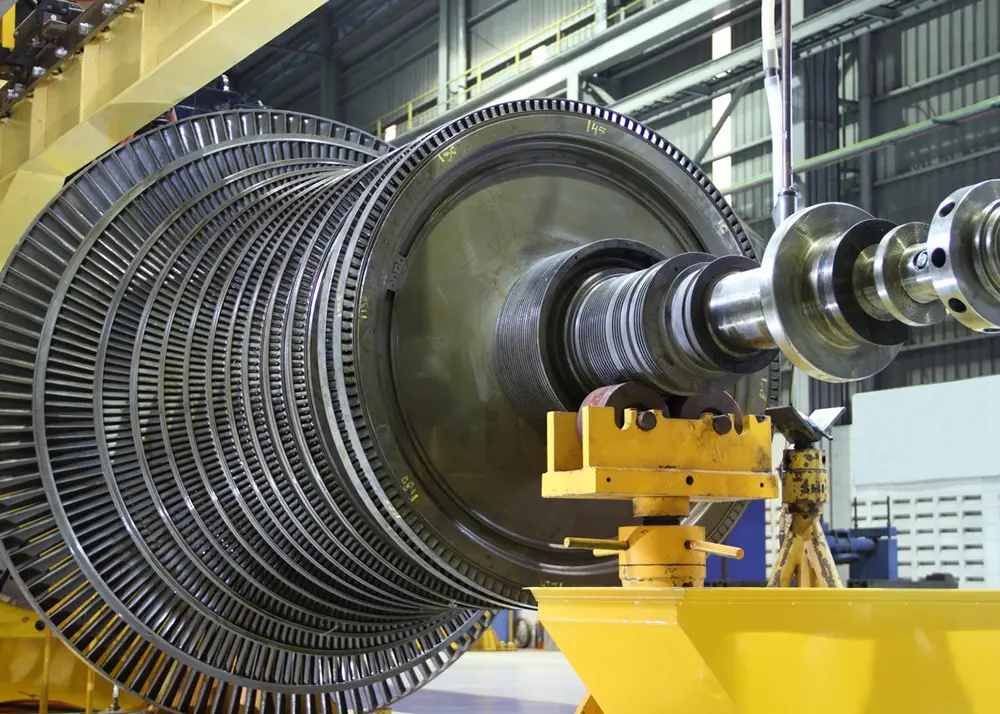
High-pressure flange connections, chemical reactor piping, and refinery storage fasteners.
The global industrial transition toward carbon neutrality is shifting the design criteria for fasteners. Engines, processes, and chemical systems now operate at higher pressures and temperatures to maximize thermal efficiency and reduce energy losses. For instance, hydrogen combustion and advanced biomass conversion systems generate operating temperatures that regularly test the limits of standard high-strength steel. This shift requires the use of specialized superalloys, non-magnetic stainless steels, and titanium fasteners.
At the same time, digitalization has reached the structural assembly level. Manufacturers are increasingly using "Smart Fasteners" equipped with integrated sensor arrays to monitor torque loss, thermal expansion, and mechanical vibration in real time. While these systems are still developing, they highlight the growing demand for high-precision machining. These machined parts must feature tight dimensional tolerances (under 5 microns) to accommodate embedded sensors and telemetry components without compromising the structural integrity of the joint.
Addressing the common design, metallurgical, and sourcing questions faced by engineering and procurement teams.
Thermal cycling causes materials to expand and contract. If the bolt and the clamped joint components have different coefficients of thermal expansion (CTE), the joint's clamping force can fluctuate. At high temperatures, the bolt may stretch beyond its elastic limit, causing permanent plastic deformation. Upon cooling, this deformation leads to a loss of preload (clamping force), which can result in joint separation, gas leakage, or fatigue failure under dynamic loads. Using matched materials like Inconel 718 or Titanium Grade 5 helps mitigate these thermal expansion issues.
Standard A4-80 stainless steel fasteners (typically Grade 316) perform well in environments up to approximately 300°C to 400°C. Beyond 400°C, the alloy undergoes carbide precipitation at the grain boundaries, which lowers its corrosion resistance and leads to thermal creep. In high-pressure joints operating above 400°C, engineers should specify high-nickel superalloys or specialized refractory metals to prevent structural failure.
In medical applications like Magnetic Resonance Imaging (MRI), or precision semiconductor fabrication tools, stray magnetic fields disrupt the sensors and imaging arrays. Fasteners made from materials with low magnetic permeability, such as specific non-magnetic stainless steels or engineering plastics, are required to prevent magnetic interference and ensure accurate system operation.
We use a multi-tiered inspection protocol. This includes Non-Destructive Testing (NDT) like ultrasonic and magnetic particle testing, mechanical testing (tensile, proof load, impact resistance), and metallurgical analysis (grain size evaluation, intergranular corrosion tests). Our Hash Detection sampling system aims for zero-defect shipments from our factory.
Explore our full range of certified classification, non-magnetic, and special raw material wire products engineered for European industrial applications.
Our sales and logistics network supports partners across major industrial corridors, including central Europe and the Hungarian market.


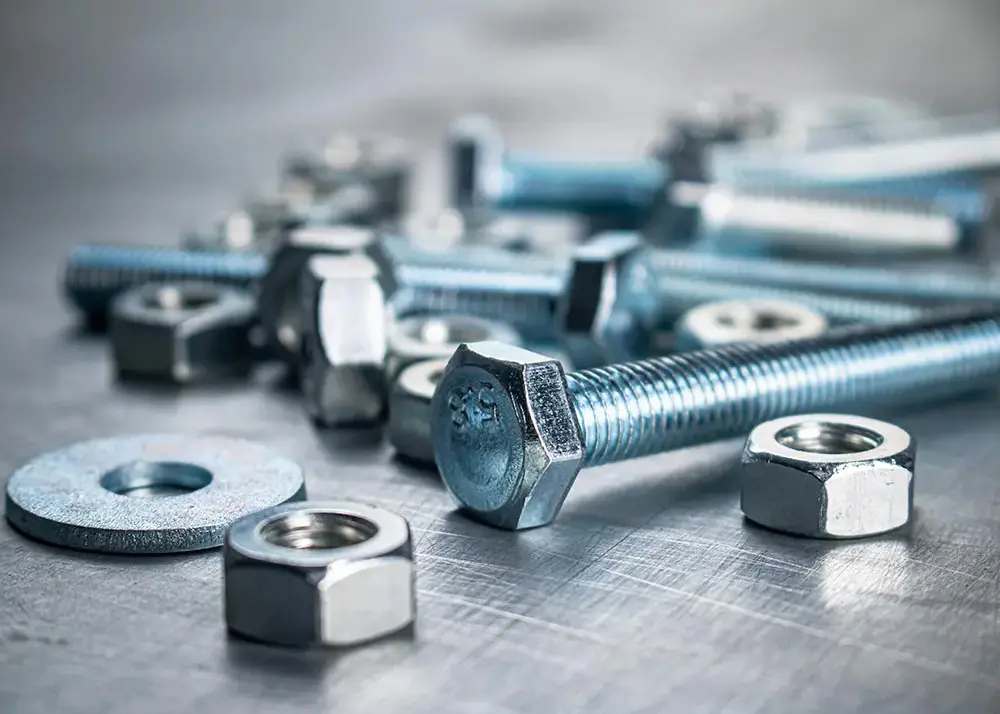
As we step into 2025, the future of fasteners is poised to undergo significant transformation, driven by automation, material advancements, and sustainable manufacturing standards.
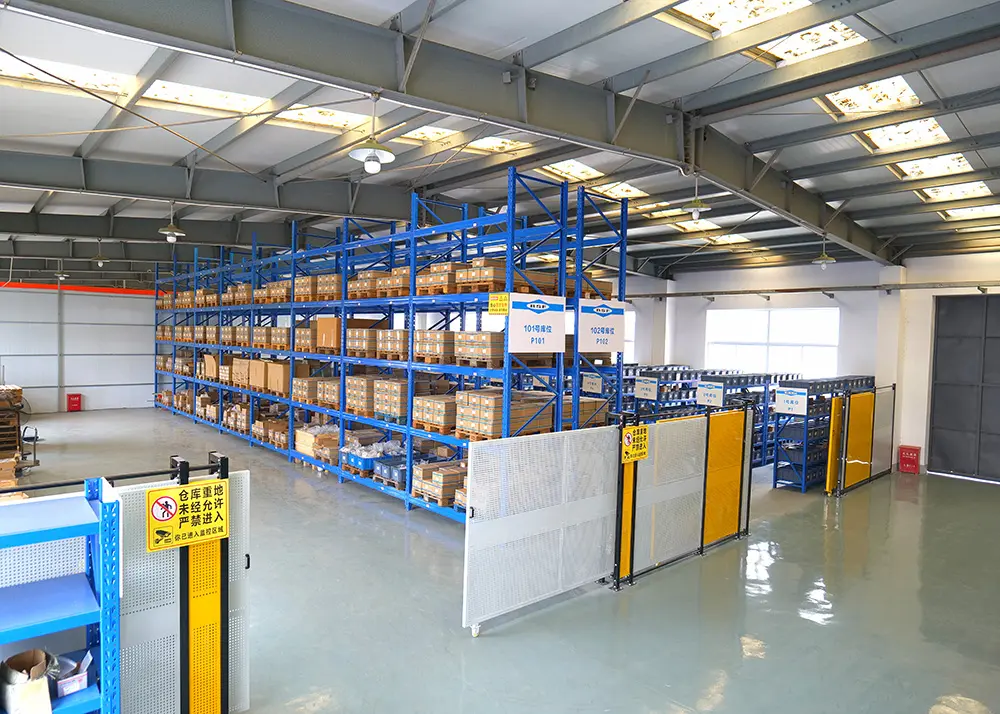
Beiersdorf, a leading global fasteners supply company, has announced the commencement of a comprehensive warehouse renovation project to optimize processing speeds.
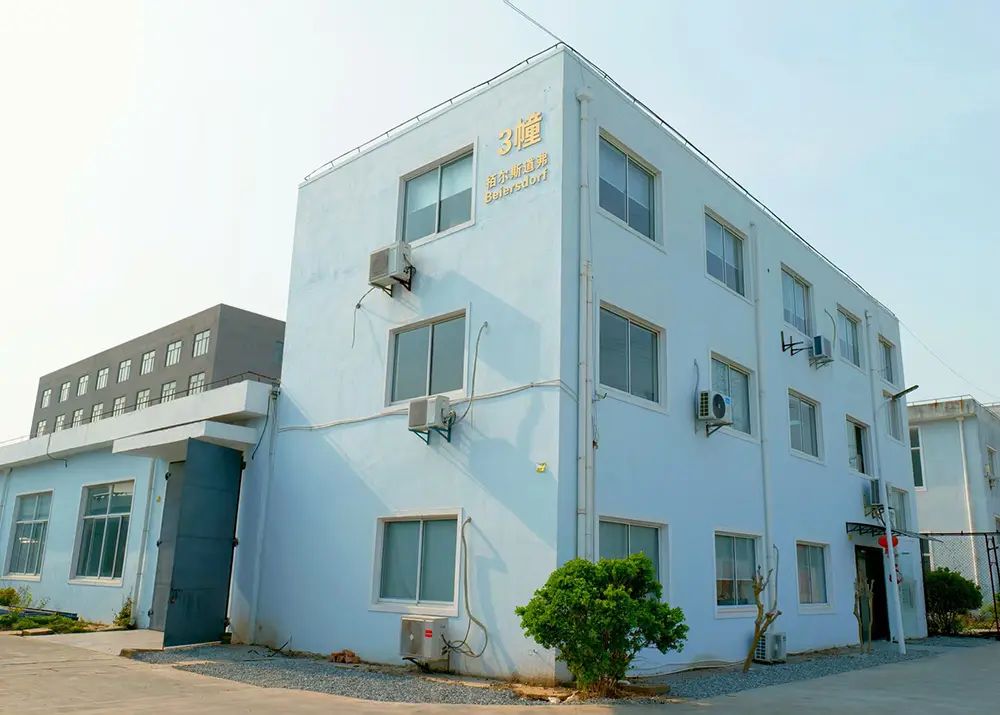
Beiersdorf (Shanghai) was founded in 2015. We are a company with a global perspective dedicated to providing professional, custom-engineered fastener solutions.
Beiersdorf is not only a supplier of special fasteners, but also can provide various technical consultations and guidance related to fasteners, including the selection of products and raw materials in the early stage, as well as the installation guidance and maintenance of fasteners in the subsequent stage.
Need a Consultation? Contact Us 24/7
 BSF
BSF