Galvanization represents one of the most reliable and cost-effective methods of protecting structural steel components from atmospheric corrosion. In the context of fasteners—specifically high-strength bolts, nuts, and washers—the application of zinc coatings requires strict control of chemical compositions, thermal processes, and physical tolerances. Global industrial expansion and aggressive climate profiles (such as marine C5-M environments) have driven rapid innovations in galvanizing technologies.
Traditional Hot-Dip Galvanizing (HDG), governed by standards like ISO 1461 and ASTM A153/A153M, remains the gold standard for long-term corrosion resistance. By immersing steel fasteners in molten zinc at approximately 450°C, a series of iron-zinc alloy layers are formed, culminating in a pure zinc outer layer. This metallurgical bond offers self-healing cathodic protection, where the zinc acts as a sacrificial anode to safeguard the underlying steel substrate.
However, high-strength bolts (Grade 8.8, 10.9, and 12.9) face severe challenges when undergoing chemical pickling and thermal zinc bath cycles. Chief among these is Hydrogen Embrittlement (HE), which can cause sudden, catastrophic failure under load. Modern Chinese manufacturing processes combat this through advanced mechanical cleaning, acid-free pickling alternatives, and mandatory baking cycles (de-embrittlement at 200°C for 4 to 24 hours immediately post-treatment), ensuring structural safety without sacrificing corrosion resilience.
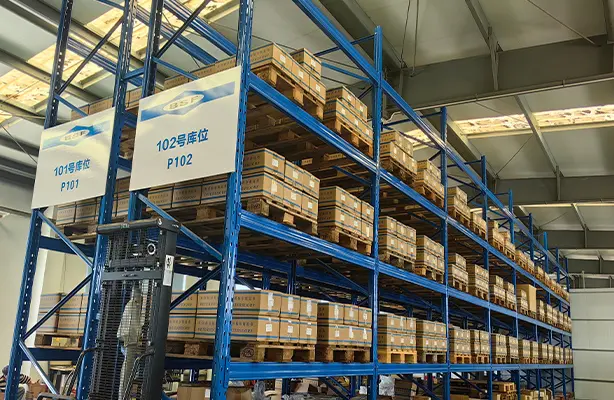
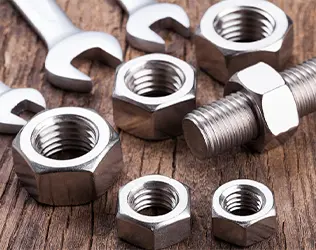


We have formulated the most stringent sampling inspection system, utilizing high-precision optical scanners and non-destructive testing (NDT) to strive to achieve zero defects for all products leaving our facility.

Innovation is in our DNA. Our entire group holds more than 100 utility model patented products and eight pioneering invention patents, specializing in structural performance and materials science.

We currently operate and support nearly 100,000 distinct product models. We maintain over 500 tons of specialized high-grade raw materials in stock and over 10,000 tons of finished stainless steel standard parts to guarantee immediate dispatch.
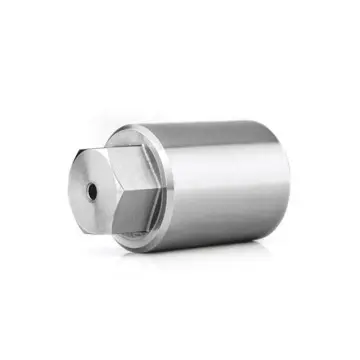
Optimized for medical, high-precision electronic equipment, and scientific instruments demanding complete magnetic neutrality.
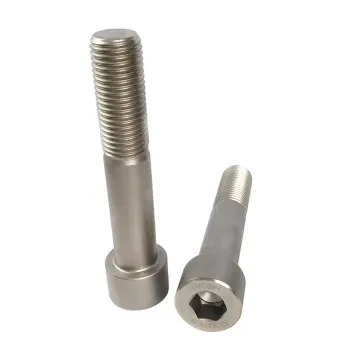
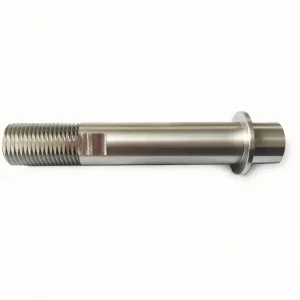
Composed of titanium alloys, nickel-based superalloys, and super duplex stainless steels for maximum environmental endurance.
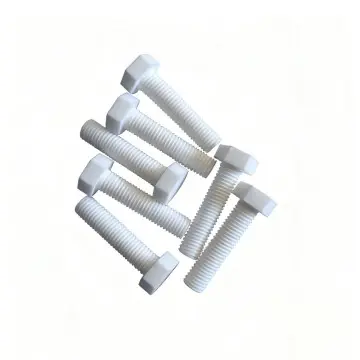
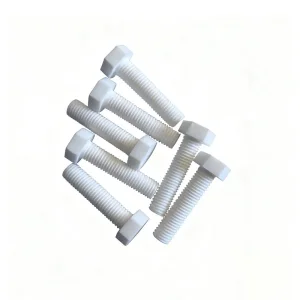
Engineered for lightweight, corrosion-free applications across chemical processing, automotive systems, and consumer electronics.
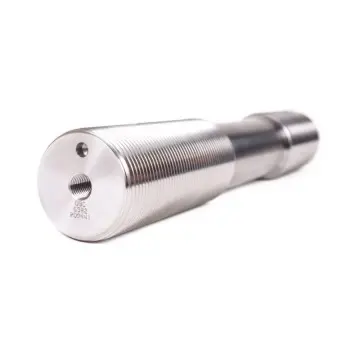
Fully certified and traceable components complying with major maritime societies for ship hulls, propulsion, and offshore rigging.
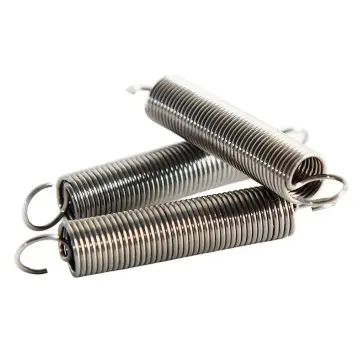
High tensile strength steel spring wires developed for heavy industrial mechanics, valve assemblies, and high-frequency cyclical loads.
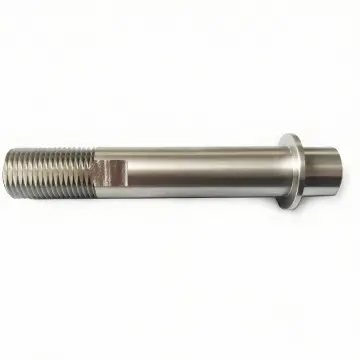
Ultra-high precision micro components designed for semiconductor, high-end consumer hardware, and specialized medical implants.
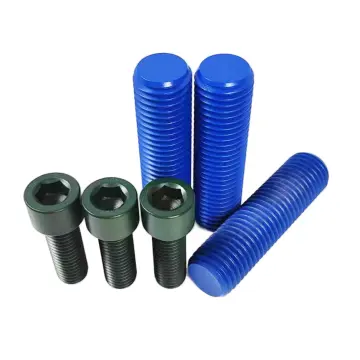
Engineered to remain structurally stable and highly resistant to brittle fracture at temperatures down to cryogenic limits (-270℃).
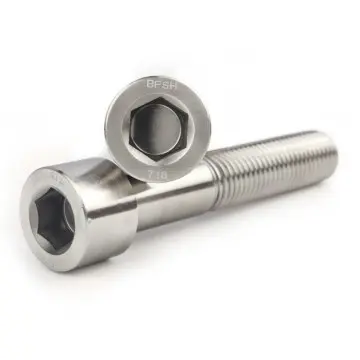
Maintains mechanical tensile integrity and creep resistance under elevated thermal stress parameters up to 1200℃.
Sourcing galvanised bolts and nuts internationally requires a deep understanding of thread chemistry, tolerances, and mating characteristics. When hot-dip galvanizing is applied to threads, it adds a layer thickness ranging from 40 to 80 microns. This additional thickness will prevent normal assembly if standard external and internal threads are mated together. Therefore, distinct structural compensations are required during manufacturing.
To accommodate the zinc coating, female threads (nuts) are typically overtapped after heat treatment but prior to assembly (or in some cases tapped oversized to account for the incoming zinc thickness on the bolt). Standards such as ASTM A563 or ISO 965-5 define specific overtapping allowances. For example, an M20 nut might be tapped 0.40mm over the nominal size to ensure smooth manual threading onto a galvanised bolt. Failure to calibrate these tolerances leads to thread galling, coating shear, and reduced joint integrity.
Hot-dip zinc is inherently softer than steel, which alters the friction coefficient of the threads. In structural applications, bolts are tightened to precise preloads (tensions) based on torque calculations. The use of galvanised components drastically changes the torque coefficient (the *K-factor*). Without proper lubrication, a galvanised joint can experience erratic tightening profiles, leading to undertensioning or thread stripping. Leading manufacturers apply specialized lubricants or wax coatings (like torque-control sealants) to the nuts to standardize the K-factor and ensure reliable installation values.
Industrial project procurement demands complete traceability. Our manufacturing base ensures that all shipments contain certified test reports according to EN 10204 Type 3.1 or 3.2. By conducting regular Charpy impact tests, proof load tests, and salt spray exposure validations (e.g., ISO 9227), we secure a robust and compliant supply chain that meets the requirements of municipal infrastructure engineers and marine surveyors worldwide.
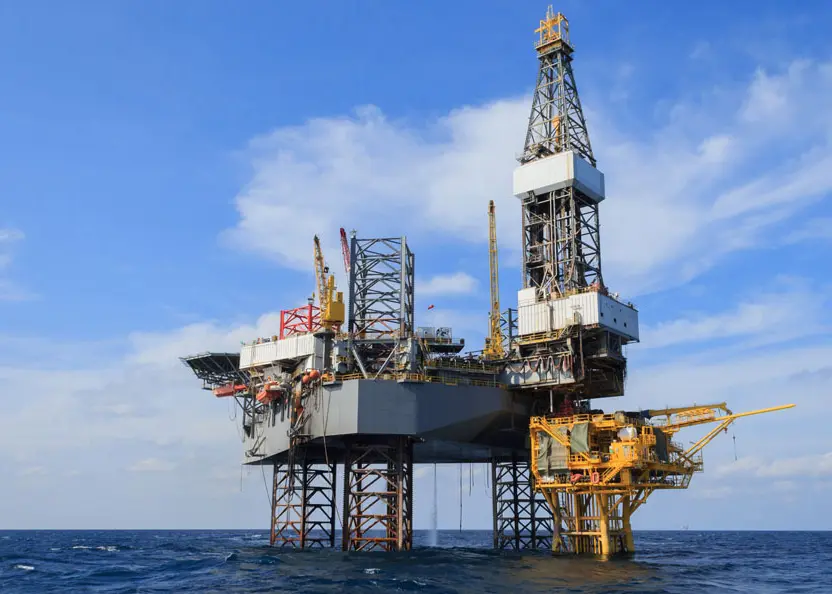
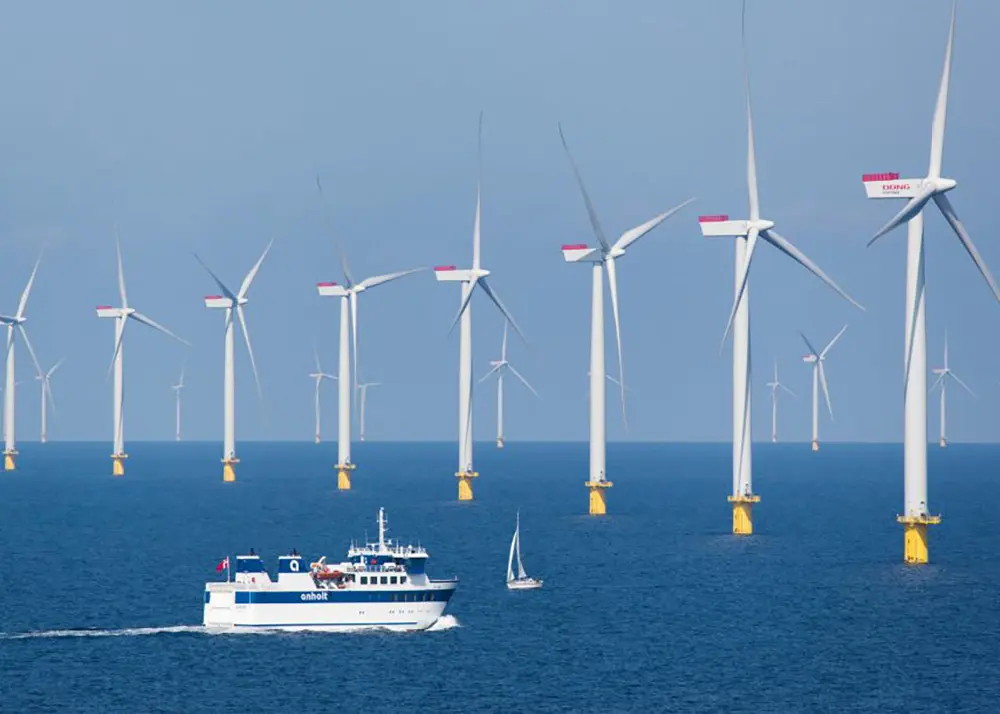
Our fasteners are integrated into specialized ocean vessels, marine propulsion systems, offshore wind arrays, petrochemical drilling platforms, port machinery, and marine piling. Tested materials include A4-80, D8-80, Duplex 2205, L7, and classification-certified bolting groups.
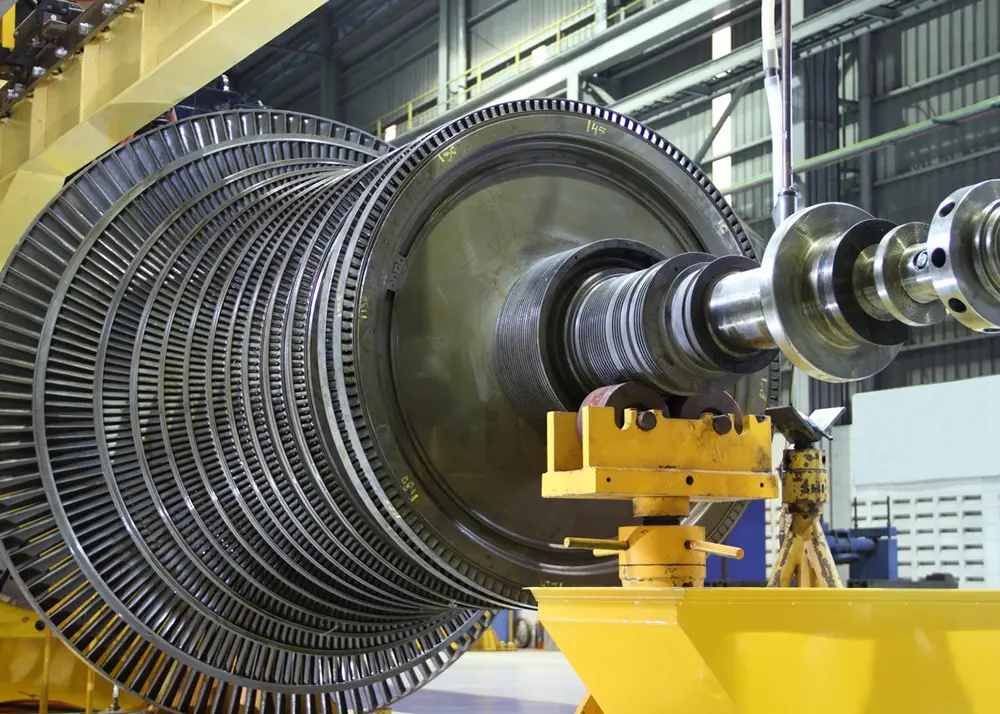
Designed for power distribution grids, high-voltage transmission towers, thermal power plant boilers, and nuclear containment structures. Our fasteners resist mechanical vibration and structural shifting in extreme conditions.
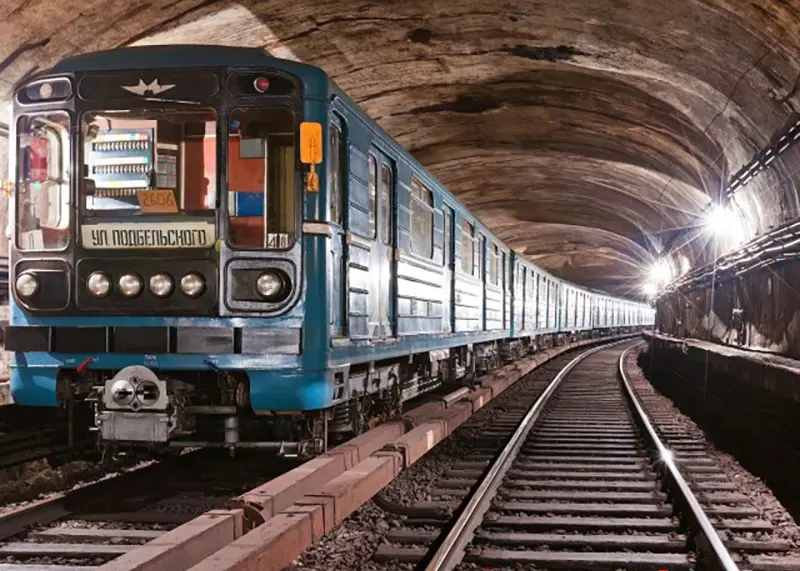
Supporting high-speed railway track assemblies, bridge girder structures, overhead catenary foundations, and subterranean transit tunnels. Engineered with specific stress-fatigue limits and high tensile strength.
Supplying non-magnetic fasteners, micro precision parts, and hardware configurations for telecommunication base towers, computing servers, semiconductor devices, and high-frequency radar enclosures.
Engineered to withstand highly corrosive sour gas, high operating pressures, and chemical solvents. Our alloys prevent stress-corrosion cracking (SCC) in processing pipes, refineries, and pressure vessels.
As global environmental regulations tighten, the industrial coatings sector is shifting. Traditional hot-dip galvanizing, although effective, faces pressure from emissions limitations and energy consumption constraints. Additionally, the industrial demand for thinner coatings with equal or superior corrosion resistance has led to the adoption of advanced alternative systems.
Zinc flake coatings, widely known under trade names such as Geomet or Dacromet, consist of overlapping zinc and aluminum flakes in an inorganic binder. These coatings are extremely thin (typically 5 to 15 microns) yet provide exceptional salt spray resistance (over 1000 hours without red rust). Crucially, the application process involves no pickling acid and no electroplating current, entirely eliminating the risk of hydrogen embrittlement. This makes zinc flake technology the preferred choice for Grade 10.9 and 12.9 high-tensile structural bolts.
Modern production facilities in China are actively implementing sustainable, low-emission technologies. By utilizing closed-loop acid reclamation plants, recapturing waste heat from molten zinc kettles to dry incoming steel, and shifting away from hexavalent chromium passivations in line with RoHS and REACH requirements, Chinese manufacturers are meeting the stringent procurement criteria of modern global buyers.
Hot-dip galvanizing adds a substantial protective layer of zinc (usually 40 to 80 microns) to fastener surfaces. To ensure that the internal threads of the nut can fit onto the coated external threads of the bolt without stripping the zinc protective layer, the nut is tapped slightly oversize (overtapped) in accordance with ASTM A563 or ISO 965-5 standards.
High-strength bolts (Grade 10.9 and above) are susceptible to hydrogen embrittlement if hydrogen gas is absorbed during chemical cleaning or plating. To prevent this, manufacturers use mechanical blasting (such as shot blasting) instead of acid pickling, or conduct a baking process (de-embrittlement baking at 200°C for 4+ hours) immediately after the galvanizing or electroplating process.
HDG involves dipping the steel into molten zinc, forming a thick (40-80μm), metallurgically bonded iron-zinc alloy layer suitable for harsh outdoor and marine conditions. Electro-galvanizing uses an electrochemical bath to apply a much thinner (5-12μm) and smoother zinc layer, primarily intended for indoor applications or parts needing precise aesthetics and thread fits.
All shipping batches are accompanied by comprehensive Quality Test Certificates matching EN 10204 3.1. These include material chemical analysis, mechanical property validations (tensile test, proof load, hardness), coating thickness inspection report, and classification society approval certificates where requested.
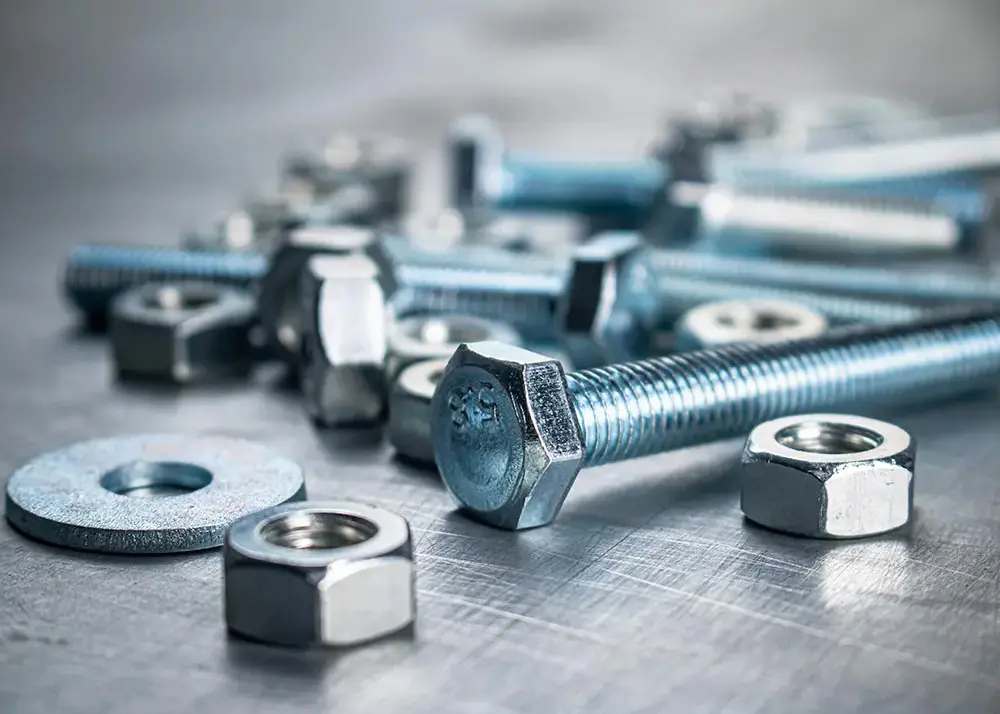
In the heart of the global industrial landscape, the fastener industry stands as a silent but crucial cog driving the machinery of progress. As we step into 2025, the future of fasteners is poised to align with green manufacturing initiatives and technical automation systems.
View More →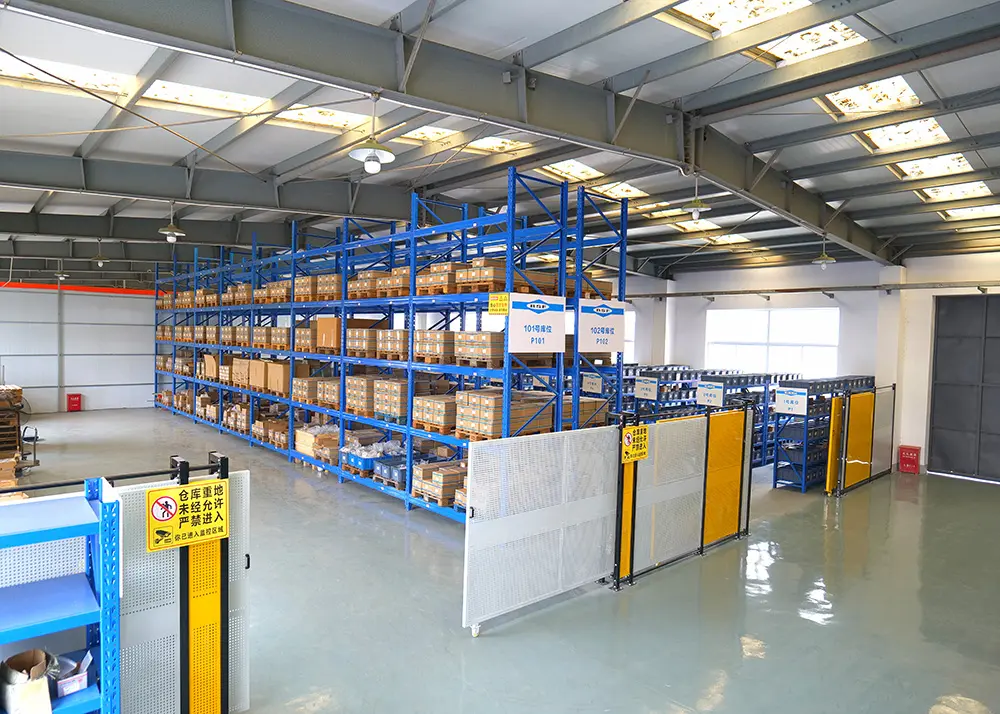
Beiersdorf, a leading global fasteners supply company, has announced the commencement of a comprehensive warehouse renovation project. This initiative integrates smart sorting automation to double operational capacity.
View More →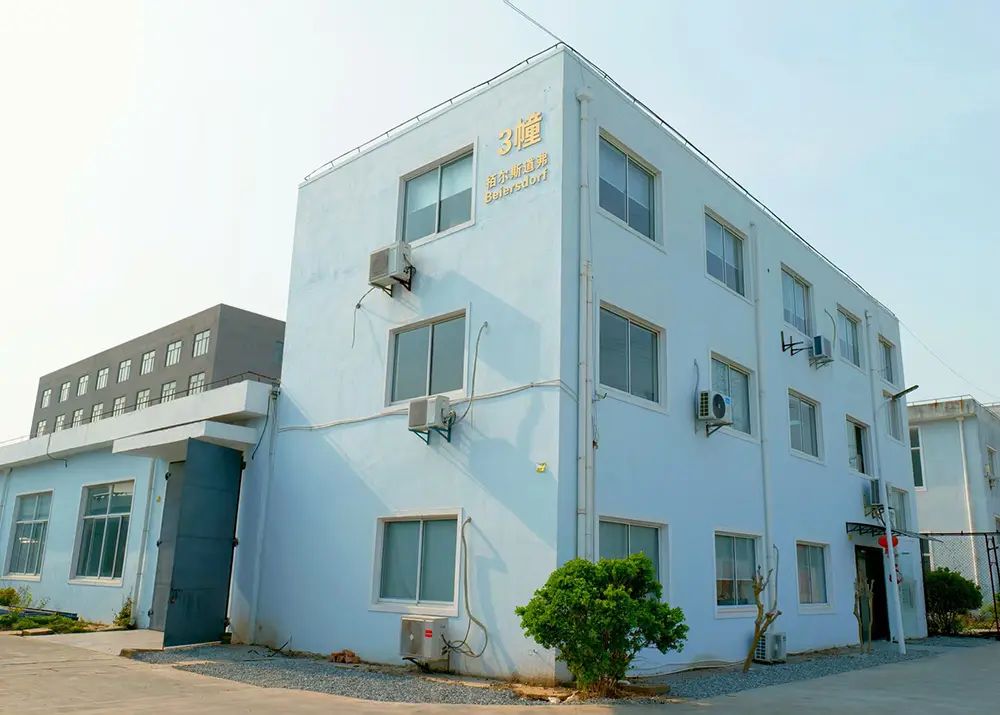
Beiersdorf (Shanghai) was founded in 2015. We are a company with a global perspective dedicated to providing professional fastener solutions. Fasteners, as the most basic mechanical parts, connect modern structures.
View More →Beiersdorf is not only a reliable supplier of special fasteners, but we also offer comprehensive design consultancies and material guidance. Our metallurgical experts assist you in raw material selection, coating specifications, installation torque guidelines, and maintenance procedures.
Need structural calculations or chemical certification? Contact our engineering team 24/7.
 BSF
BSF