Explore our leading industrial standard products engineered for demanding stress-load and extreme temperature requirements.
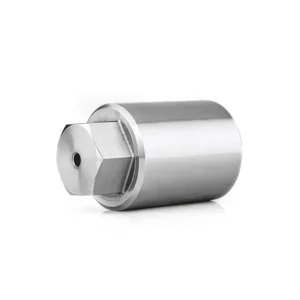
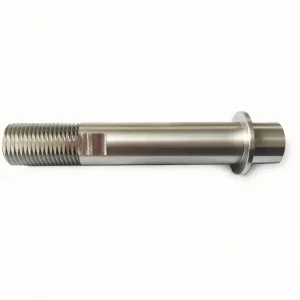
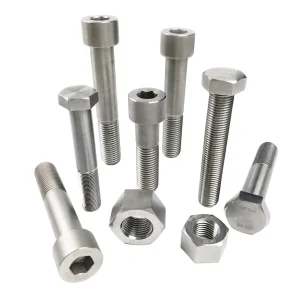
An in-depth analysis of metallurgical trends, extreme application challenges, and material advancements in industrial custom fasteners.
In modern high-performance manufacturing, the dependency on customized fastening configurations has transitioned from simple standard-compliant assembly components to complex engineering nodes designed to endure intense environmental stresses. In fields such as deep-sea exploration, aerospace structural grids, chemical refineries, and semiconductor manufacturing cleanrooms, fasteners are subjected to mechanical limits. Fasteners must withstand severe tensile stress, deep-cryogenic thermal shock, high-temperature oxidation, and dynamic shear loads.
Internationally, the market for high-strength specialty nuts, bolts, and custom-machined parts is undergoing a material science transition. Standard carbon steel fasteners are increasingly replaced by high-performance super duplex stainless steels (such as Duplex 2205 and 2507), superalloys (Inconel 718, Inconel 625, Hastelloy, Cobalt-based alloys), and grade 5 Titanium (Ti-6Al-4V). The growth of local manufacturing bases in heavy industrial areas is driving demand for custom structural assortments tailored for high reliability.
The engineering criteria for select components depend heavily on the environment. For instance, in maritime applications, marine atmospheric corrosion and hydrogen embrittlement present major points of failure. Special Classification Society Certified Fasteners (e.g., matching requirements from DNV, ABS, or CCS) are manufactured with exact chemical formulations and heat treatments to ensure long-term structural integrity under cyclic fatigue.
| Material Class | Common Grade/Alloy | Operating Temperature Range | Primary Performance Attributes |
|---|---|---|---|
| Super Stainless Steel | A4-80, 2205 Duplex | -196°C to 300°C | High tensile strength, chloride pitting resistance, magnetic neutrality options. |
| Nickel Superalloys | Inconel 718 / 625 | -250°C to 700°C+ | Excellent creep-rupture strength, high oxidation resistance at elevated temperatures. |
| Titanium Alloys | Ti-6Al-4V (Grade 5) | -200°C to 450°C | Extreme strength-to-weight ratio, exceptional corrosion resistance in saline environments. |
| Cobalt Alloys | Co-Cr Alloys | Up to 1000°C | High wear resistance, thermal stability, resistance to mechanical galling. |
| Engineered Polymers | PEEK, PVDF | -40°C to 180°C | Ultra-lightweight, zero magnetic interference, high chemical resistance. |
One of the primary challenges in custom bolt fabrication is managing stress concentration at the root of the thread. Conventional cut threads often introduce micro-fractures and disrupt the grain flow of the alloy. Leading exporters utilize precision thread rolling after heat treatment. This method displaces metal grains compressively rather than shearing them, resulting in continuous grain lines that improve the fatigue life of the fastener by up to 300% under dynamic operating conditions.
We utilize advanced sampling and non-destructive examination (NDE) methods to detect surface cracks, material voids, and structural inconsistencies, targeting zero defects for all delivered batches.
Our engineering research team has secured more than 100 utility model patents and eight invention patents, focusing on advanced alloys and mechanical coupling designs.
We maintain access to nearly 100,000 components, backed by over 500 tons of raw alloy stock and 10,000 tons of finished stainless steel inventory to support global operations.
High-grade structural elements built to meet standard specs, offering longevity and wear resistance.
 -270℃ Low-temperature Fastener
 Titanium Alloy Fasteners
 Cobalt Alloy Fasteners
Nickel Alloy Fasteners
1900 MPa Tensile Fasteners
1200℃ High-temperature Fastener
Cobalt Alloy Fasteners
Nickel Alloy Fasteners
1900 MPa Tensile Fasteners
1200℃ High-temperature Fastener
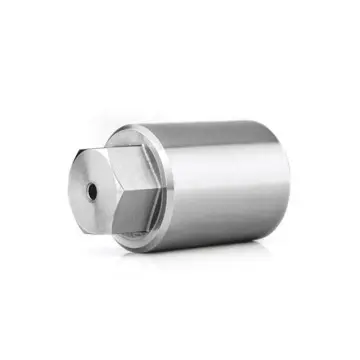
Designed for high-precision machinery, medical imaging apparatus (MRI), and aerospace applications where electromagnetic fields must not be disrupted.
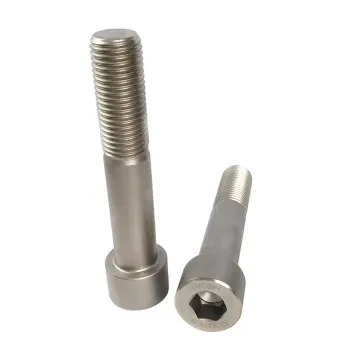
Forged using super duplex stainless steel, titanium alloys, nickel-base superalloys, and cobalt alloys for exceptional corrosion protection.
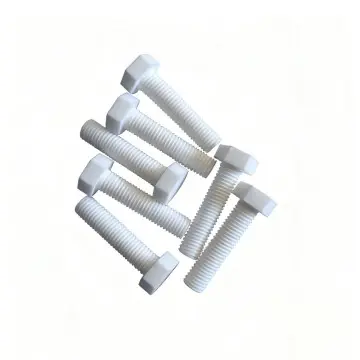
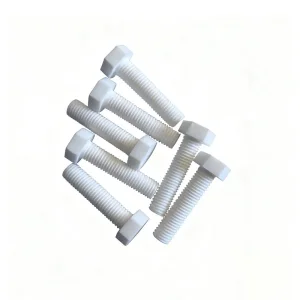
Highly chemical-resistant, insulated, and lightweight fasteners engineered from materials like PEEK, PVDF, and high-performance nylon.
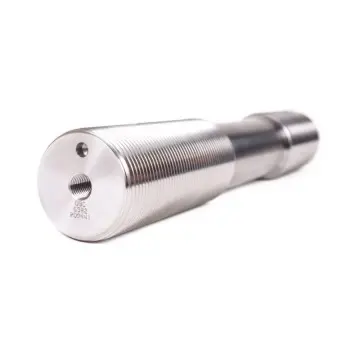
Certified components for marine and ocean engineering, designed to resist harsh saltwater environments and structural fatigue.
A breakdown of our manufacturing steps to ensure structural reliability across critical environments.
When operating near absolute zero, standard steel fasteners face low-temperature embrittlement, where the crystal lattice structure shifts from ductile to brittle state, increasing the risk of sudden shearing. Our cryogenic fastening series uses controlled austenitic stainless steels and high-purity titanium alloys. These materials maintain structural toughness down to -270°C. By implementing tight tolerances on chemical composition (limiting impurity elements such as phosphorus and sulfur) and refining grain structures through thermal treatments, we minimize micro-fractures under high stress.
In aerospace combustion systems, gas turbines, and waste treatment plants, structural fasteners face problems from thermal creep and high-temperature oxidation. Our high-temperature fasteners use heat-resistant alloys like Inconel 718, Incoloy, and custom cobalt formulations. These materials rely on precipitation hardening, where secondary-phase precipitates block dislocation movement at high temperatures. In addition, the chrome and aluminum content forms a passivated oxide layer on the bolt surface, preventing hot gas corrosion and extending component lifespan.
Our fasteners are deployed in demanding environments, offering reliable mechanical connections across key industries.
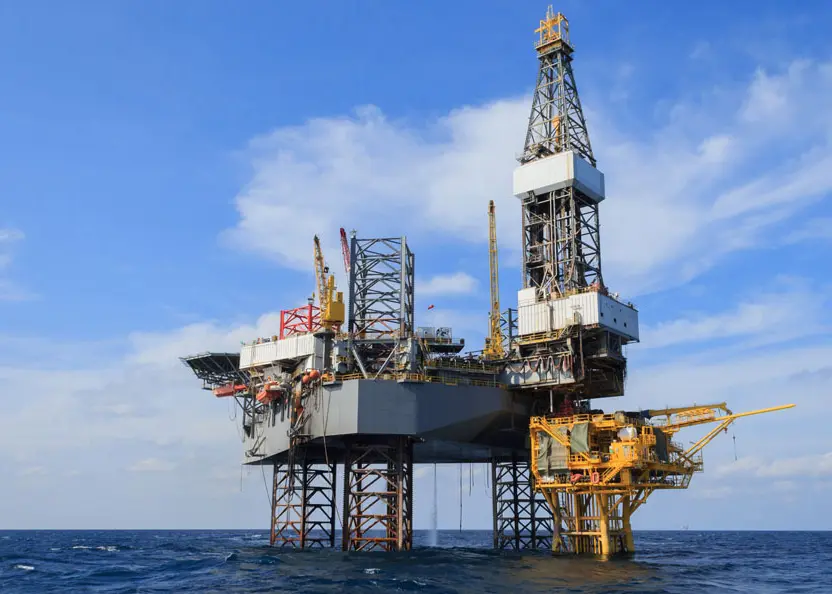
Applied in marine propulsion units, offshore drilling structures, submarine pipelines, and port equipment. Utilizes materials like Duplex 2205, A4-80, and certified structural fasteners to withstand marine corrosion.
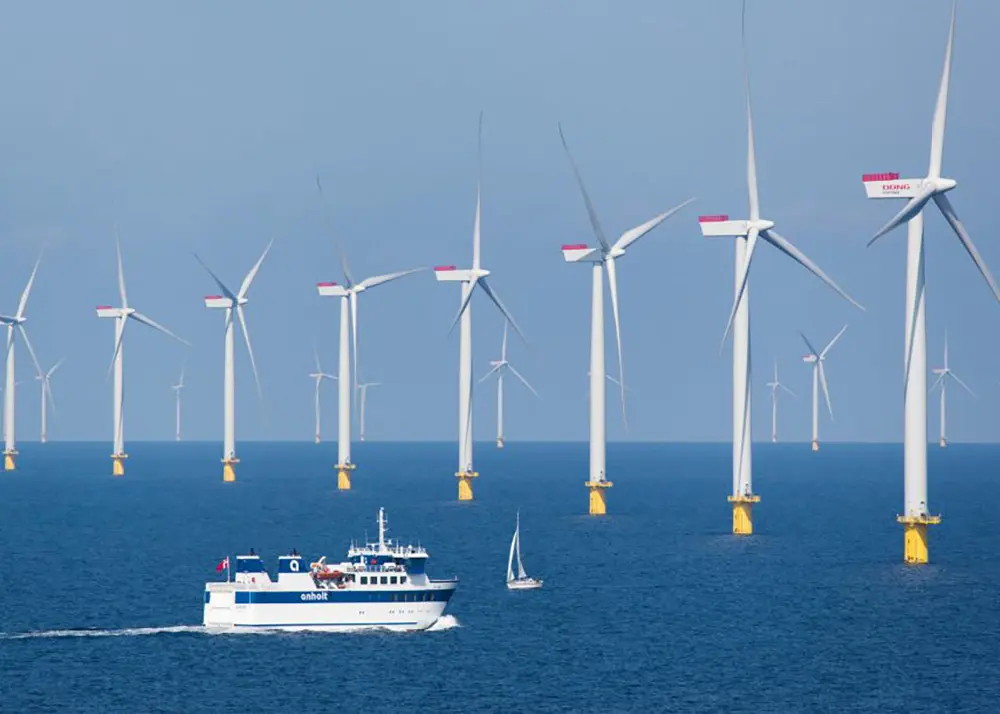
Engineered for high-pressure boilers, gas turbines, wind installations, and nuclear power components requiring high creep resistance and structural integrity under constant thermal cycling.
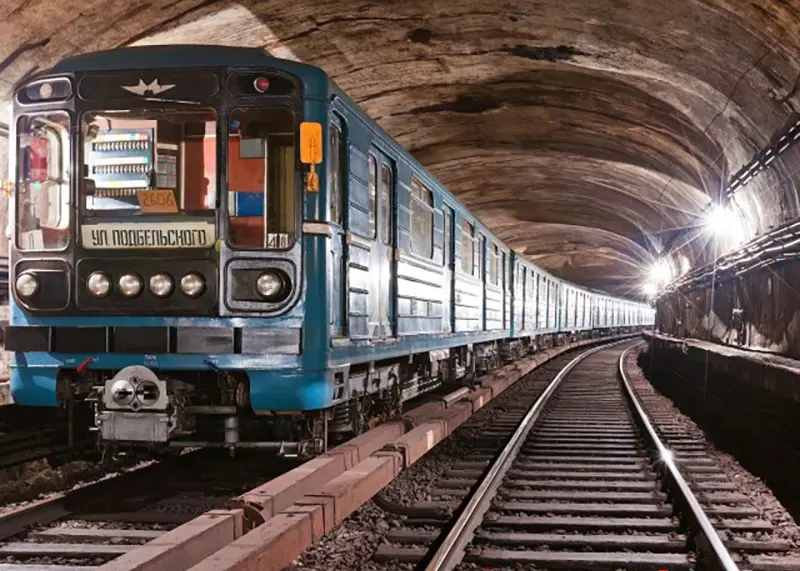
High-tensile fasteners and vibration-resistant locking nuts designed for locomotives, bogies, track components, and overhead electrical systems that face continuous mechanical vibration.

Non-magnetic, lightweight structural components used in medical systems, cleanrooms, and high-frequency communication transmitters where magnetic field neutrality is critical.
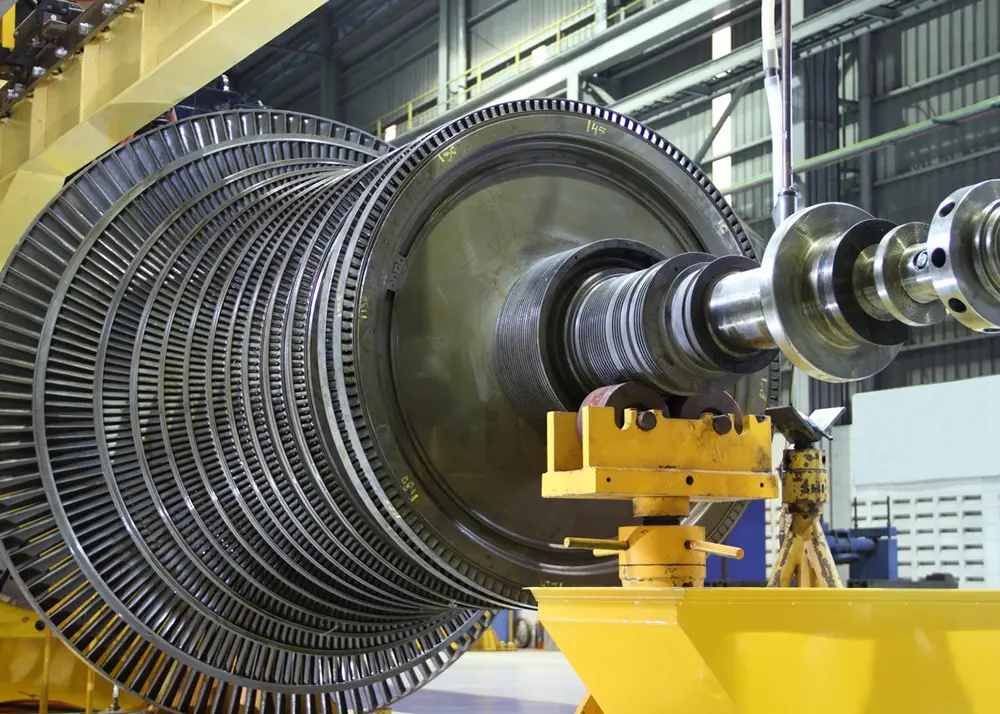
Resistant to high chemical corrosion, sour gas environments, and high-pressure steam lines. Made from super alloys to help prevent leakage and structural failure.
Established in 2015 in Shanghai, China, Beiersdorf Industrial Technology (Shanghai) Co., Ltd. supplies high-precision components and specialized fasteners for demanding industrial applications.
Guided by our core values, we prioritize product quality and precision manufacturing to provide reliable engineering solutions for our global clients.
Provide your design parameters and material requirements. Our engineering team will review your specifications.
Direct answers from our metallurgical and structural engineers regarding common issues in challenging applications.
Providing high-precision components and updates to various markets across Europe, the Americas, and Asia.

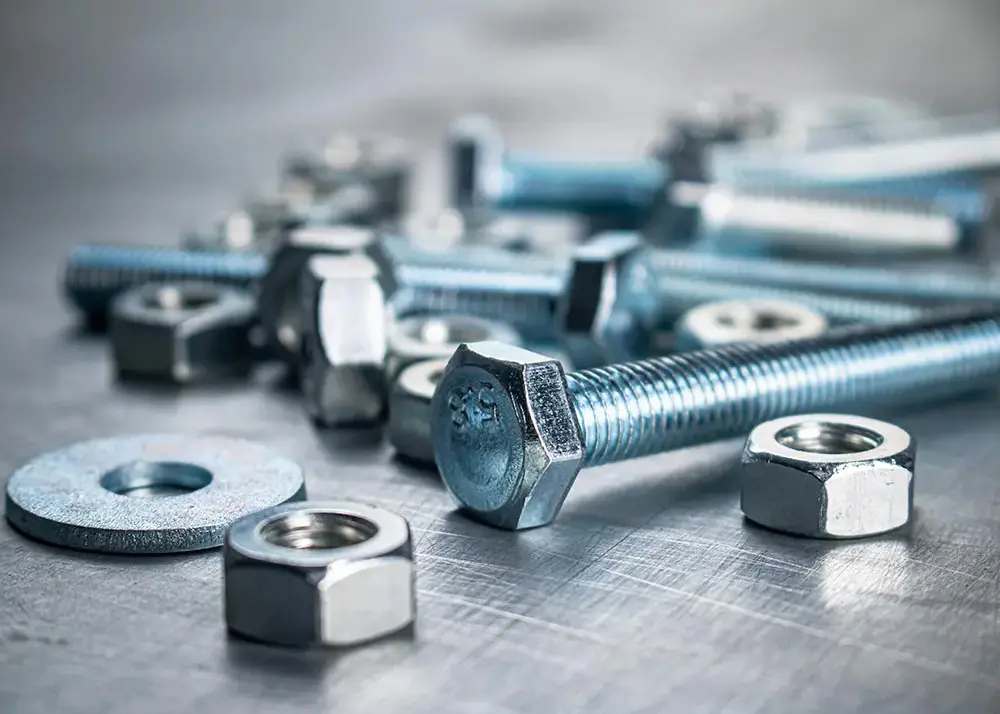
Investigating how clean energy initiatives and lightweight designs are changing alloy requirements across industrial production lines.
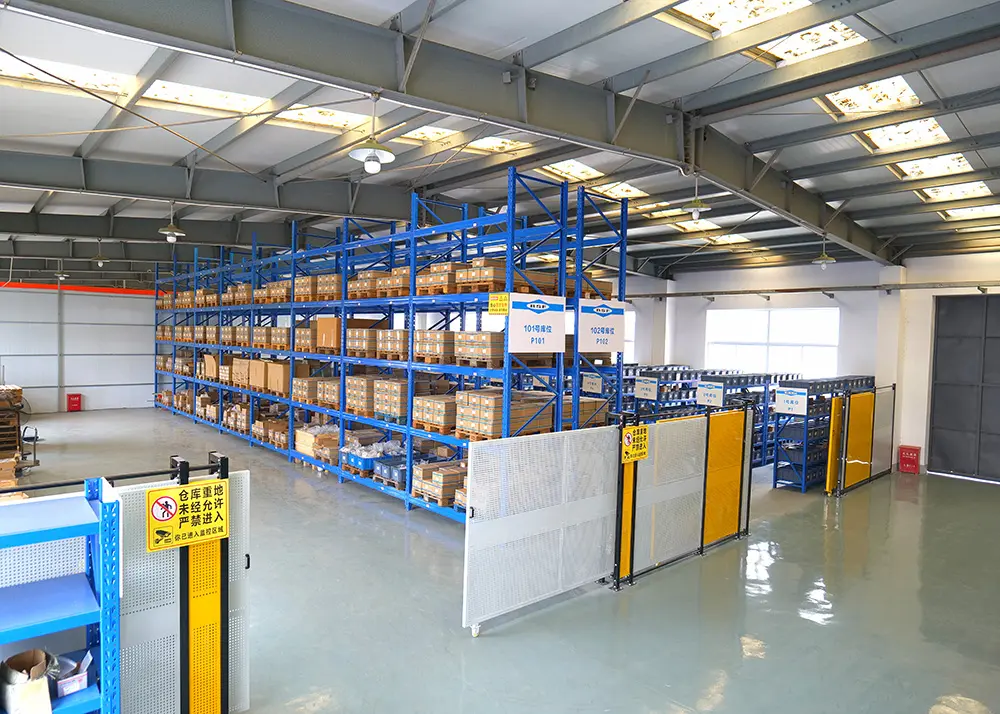
Expanding storage capacity and implementing digital inventory tracking to reduce delivery times for global specialty orders.
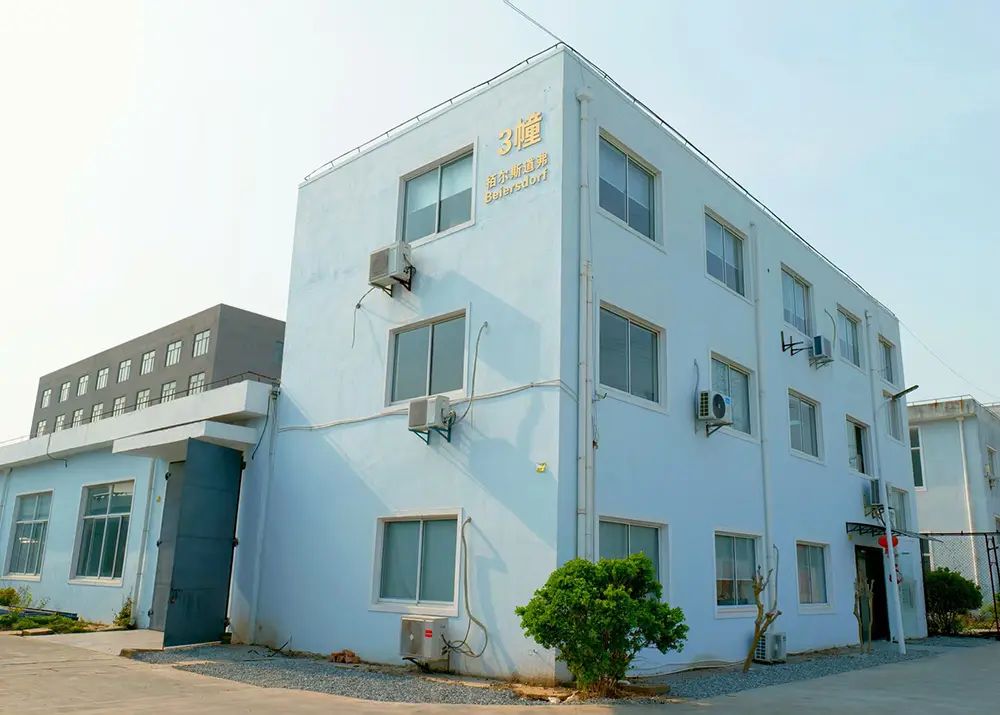
Looking back at our growth since 2015 as we develop high-precision solutions for demanding global engineering projects.
Explore our selections for electronics, sub-zero setups, and high-tensile installations.
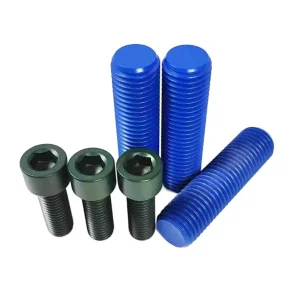
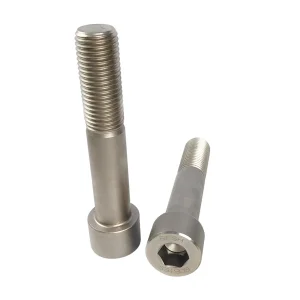
 BSF
BSF