 BSF
BSF
1 / 5
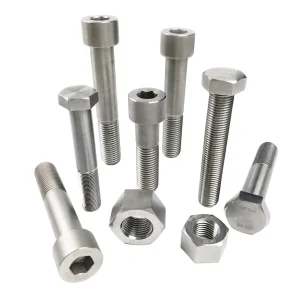
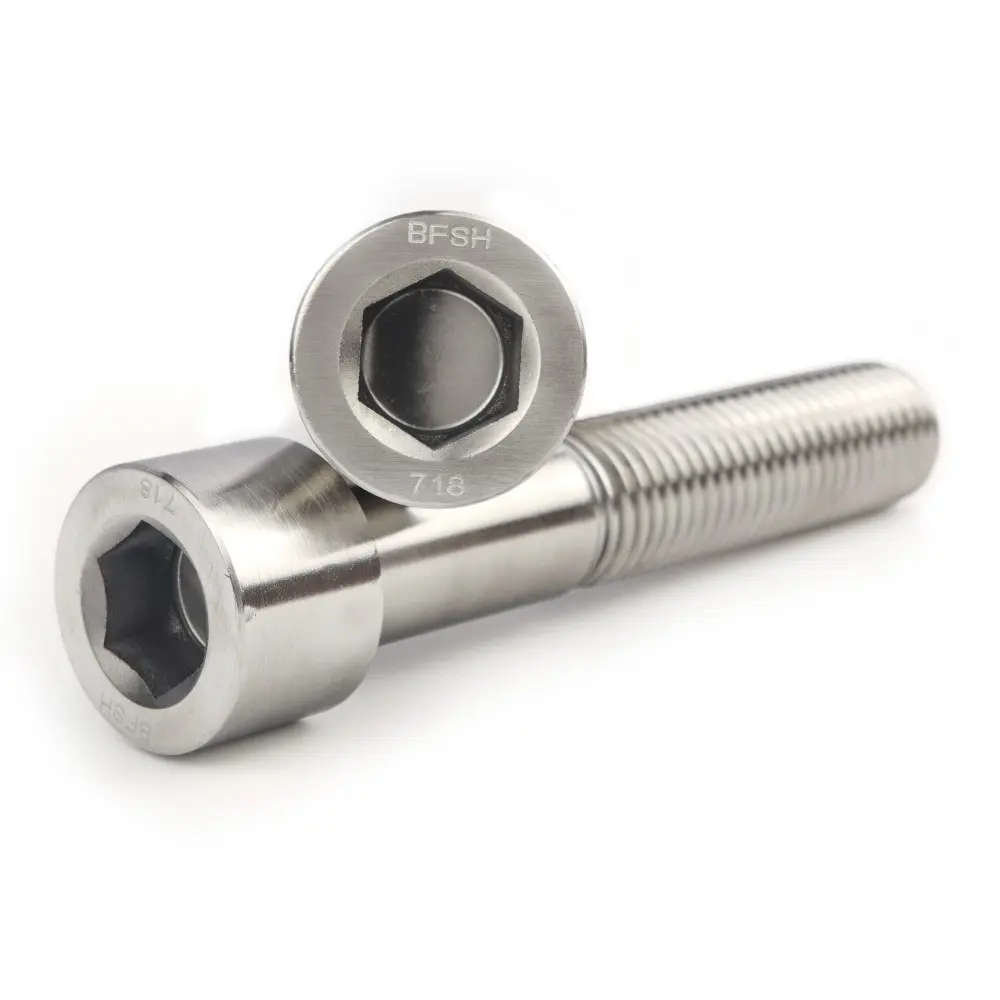
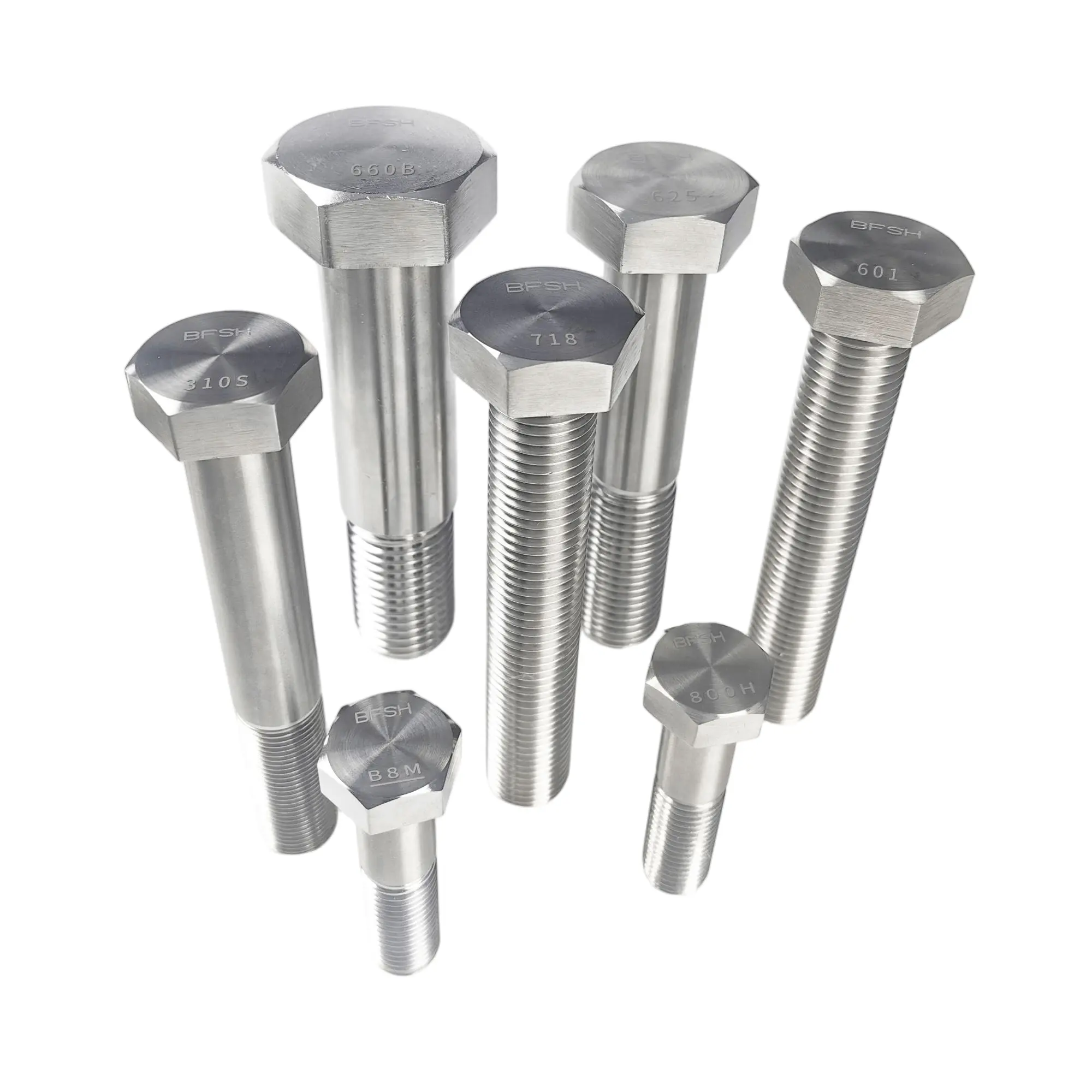
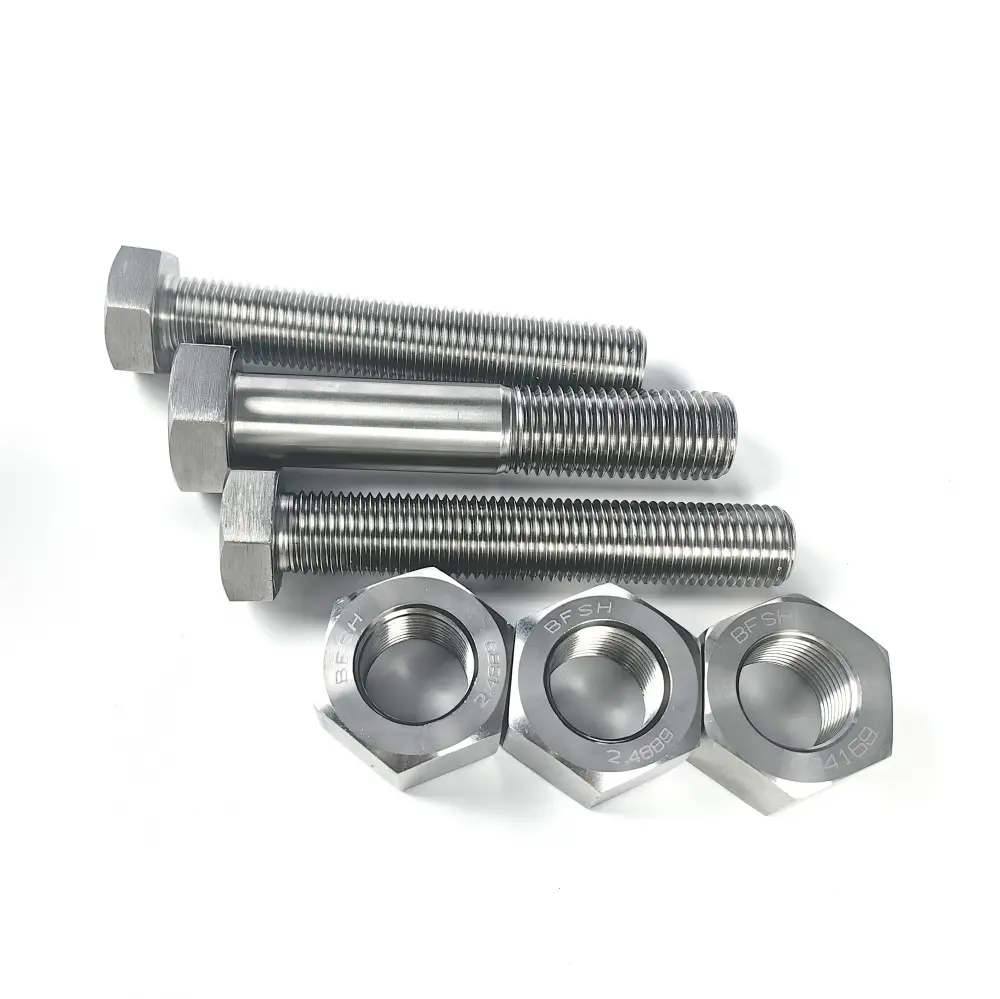
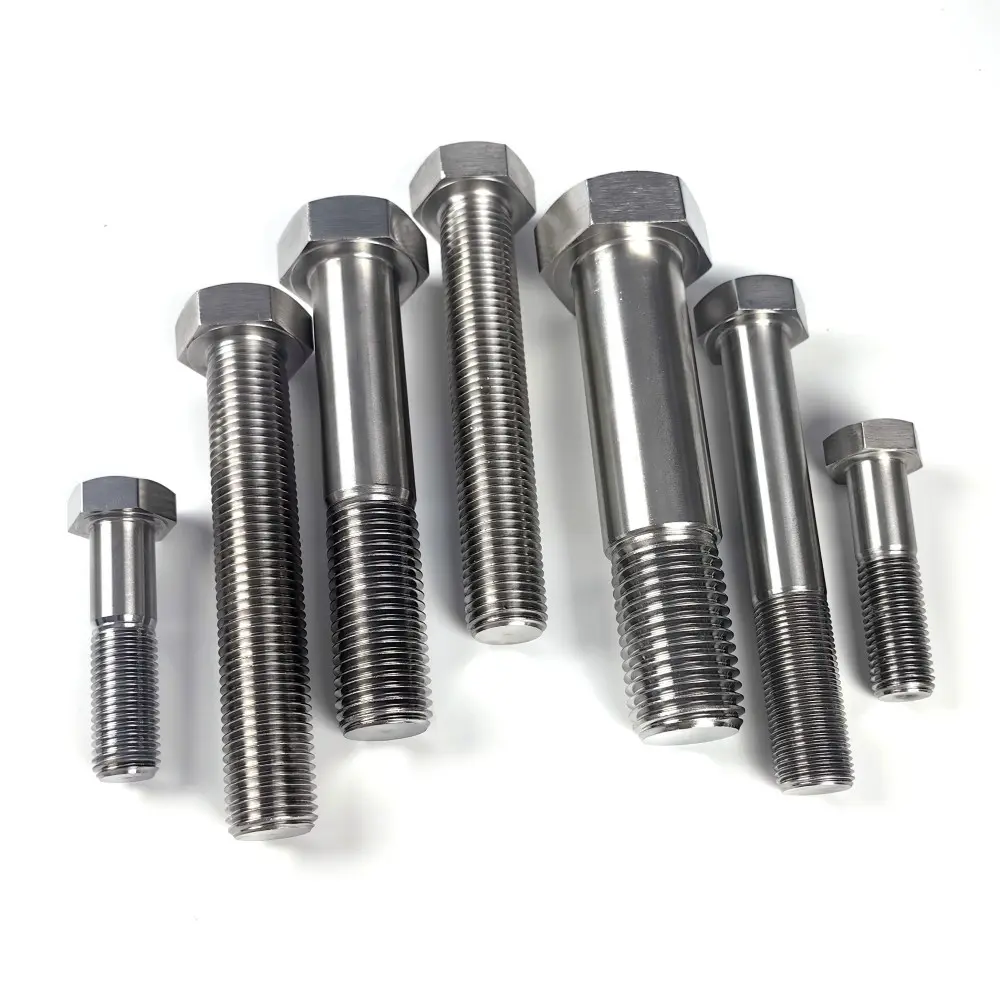
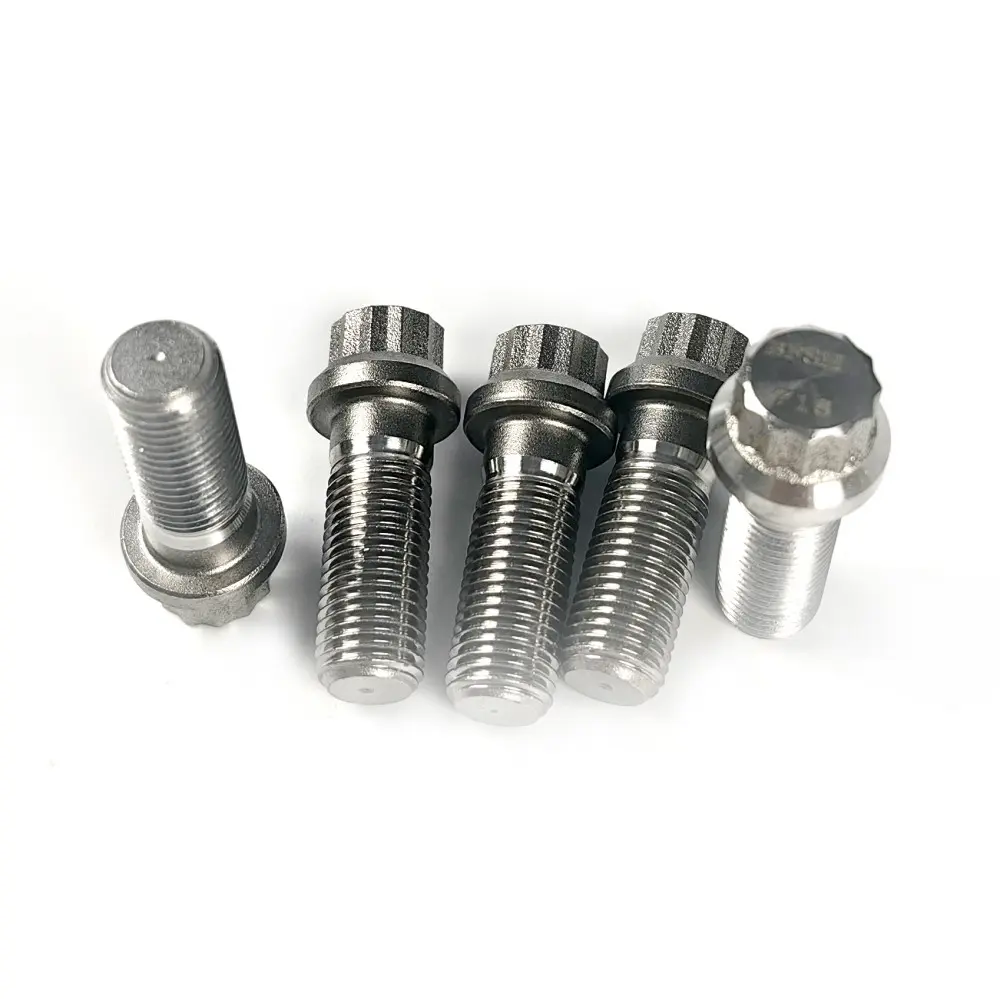
High-temperature high-strength fasteners need to simultaneously meet requirements such as high-temperature strength, anti-rust property and corrosion resistance in extreme environments.
Aerospace engine: Turbine blade fasteners use nickel-based high-temperature alloys, maintaining high tensile strength and processed via die forging technology.
Spacecraft structure: Components connecting rocket engine combustion chambers must withstand instantaneous high temperatures and vibration loads.
Nuclear power plant: Reactor pressure vessel bolts must meet high lasting strength standards, preventing hydrogen embrittlement and stress corrosion cracking.
Gas turbine: High-temperature bolts fix turbine discs and must undergo rigorous creep limit tests.
Refining and processing unit: Hydrogenation reactor bolts must operate long-term under high temperature and high pressure, requiring materials that pass hydrogen-induced delayed fracture tests.
Mold manufacturing: Fastening components of composite material molds need to match a low thermal expansion coefficient to maintain dimensional stability.
New energy vehicles: Motor shaft bolts are made of titanium alloy with high tensile strength and no magnetic interference.
| High Temperature Fasteners Available Types | |||
| Digital Grade | Material | Executive Standard | Withstand Temperature |
|---|---|---|---|
| 2.4851 / UNS N06601 | NiCr23Fe | ASTM B166 | 1200℃ |
| 2.4633 / UNS N06025 | NiCr25FeALY | ASTM B166 | 1200℃ |
| 2.4816 / UNS N06600 | NiCr15Fe | ASTM B166 | 1150℃ |
| 2.4665 / UNS N06002 | NiCr19NbMo | ASTM B572 | 1100℃ |
| 2.4668 / UNS N07718 | NiCr19Fe19Nb5Mo3 | ASTM B637 | 700℃ |
| 1.7709 | 21CrMoV5-7 | DIN EN 10269 | 550℃ |
| 2.4858 / UNS N08825 | NiCr21Mo | ASTM B425 | 450℃ |