Products Features
🔩
1. Material Selection
In high-temperature environments (>200℃), 42CrMo chromium-molybdenum alloy steel (such as A193 B7) should be used. It can withstand temperatures up to 480℃ and has a tensile strength of ≥860 MPa.
Extremely cold environments (<-50℃) recommend A320 L7 material with nickel-chromium-molybdenum composite strengthening.
🔐
2. Anti-Loosening Technology
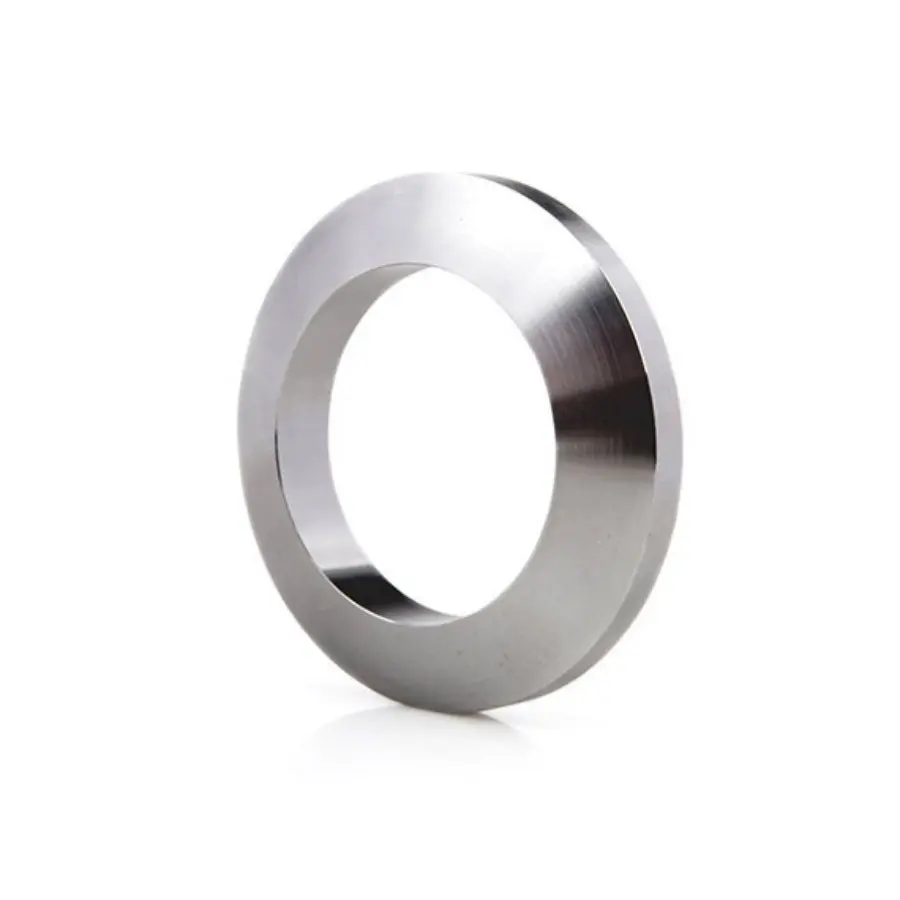
Wedge-shaped lock washers (such as the Nord-Lock system) are used. The geometric structure with a slope angle greater than the thread rise angle is adopted to prevent vibration loosening. Radial fine teeth form indentations on the contact surface.
💡
The creep vibration test is used to verify anti-loosening performance and is applicable to scenarios with dynamic loads such as wind turbine towers and ship decks.
Application
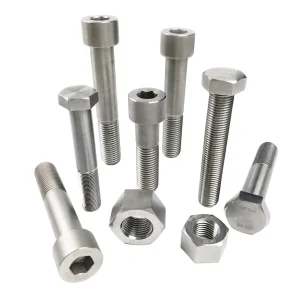
Classification Society Fasteners (Certified Shipbuilding Fasteners) are specialized fasteners that have been rigorously certified by international ship classification societies (such as DNV, ABS, LR, etc.). Their application fields mainly focus on ships, marine engineering, and related industries. The core application directions are as follows:
🚢
(1) Ship Structure Connection
Bolt/nut combinations for critical parts such as decks, bulkheads, and keels must comply with ISO 3506-3 standards (salt spray corrosion resistance grade ≥ 720 hours).
⚙️
(2) Power System Fixed
Main unit base bolts must pass dynamic load tests (tensile strength ≥ 800 MPa); material is mostly 316L stainless steel.
🏗️
(3) Offshore Platform Construction
Mooring frame connection components must pass the -40℃ low-temperature impact test and comply with the DNV-OS-C501 specification.
🧊
(4) LNG Storage Tank Installation
Low-temperature flange bolts made of nickel-based alloys (such as Inconel 718) to ensure sealing performance under -196℃ conditions.
⚓
(5) Dock Mooring System
Locking nuts must have self-locking function (torque attenuation rate ≤ 5%); material is duplex stainless steel 2205.
🌬️
(6) Offshore Wind Turbine Tower
Foundation ring bolts must meet ISO 4014 tolerance grade (M24–M64) and have a shear strength of ≥ 600 MPa.
🌊
(7) Tidal Energy Device
Underwater fasteners need bio-adhesion protection treatment (coating thickness ≥ 50 μm).
🌉
(8) Anchor Fixation of Cross-Sea Bridge
Prestressed anchor components must undergo 2 million fatigue tests and comply with the EN 1090 standard.
Frequently Asked Questions (FAQ)
Q1
What material should be used for fasteners in high-temperature environments above 200℃?
For high-temperature environments exceeding 200℃, 42CrMo chromium-molybdenum alloy steel (such as A193 B7) is recommended. It can withstand temperatures up to 480℃ with a tensile strength of ≥860 MPa, making it suitable for demanding thermal conditions.
Q2
How does the Nord-Lock wedge-shaped lock washer system prevent fastener loosening?
The Nord-Lock system uses a geometric structure with a slope angle greater than the thread rise angle. This design, combined with radial fine teeth that form indentations on the contact surface, effectively resists vibration-induced loosening. Its performance is verified through creep vibration tests.
Q3
Which classification societies certify shipbuilding fasteners, and why is certification important?
Major international classification societies such as DNV, ABS, and LR certify shipbuilding fasteners. Certification ensures that fasteners meet rigorous standards for corrosion resistance, mechanical strength, and environmental performance — critical for safety in marine and offshore applications.
Q4
What fastener material is recommended for LNG storage tank installations at extremely low temperatures?
Nickel-based alloys such as Inconel 718 are recommended for LNG storage tank flange bolts. These materials maintain structural integrity and sealing performance under cryogenic conditions as low as -196℃, preventing dangerous leaks in LNG systems.
Q5
What are the key requirements for fasteners used in offshore wind turbine tower foundations?
Foundation ring bolts for offshore wind turbine towers must conform to ISO 4014 tolerance grades (M24–M64) and achieve a shear strength of ≥600 MPa. These specifications ensure the structural stability of towers subjected to continuous dynamic wind and wave loads.
Q6
What protection treatment is required for underwater fasteners used in tidal energy devices?
Underwater fasteners used in tidal energy devices must undergo bio-adhesion protection treatment with a coating thickness of ≥50 μm. This prevents marine organism attachment and corrosion, extending the service life of fasteners in submerged environments.
 BSF
BSF