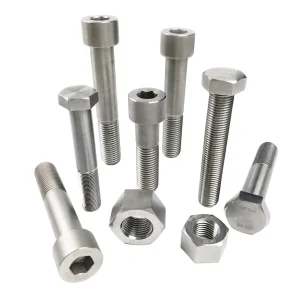
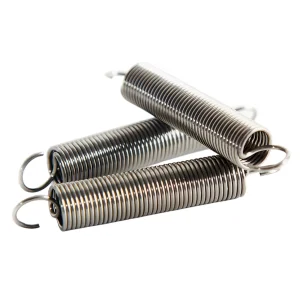
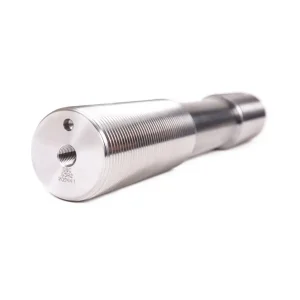
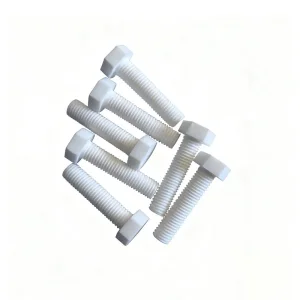
High Strength Stainless Steel Fasteners Exporters & Product in Azerbaijan

Engineered Fastening Solutions for Caspian Oil & Gas Projects, Aerospace Applications, and Heavy Marine Infrastructure

Strategic Role of High-Strength Fasteners in Azerbaijan's Industrial Evolution

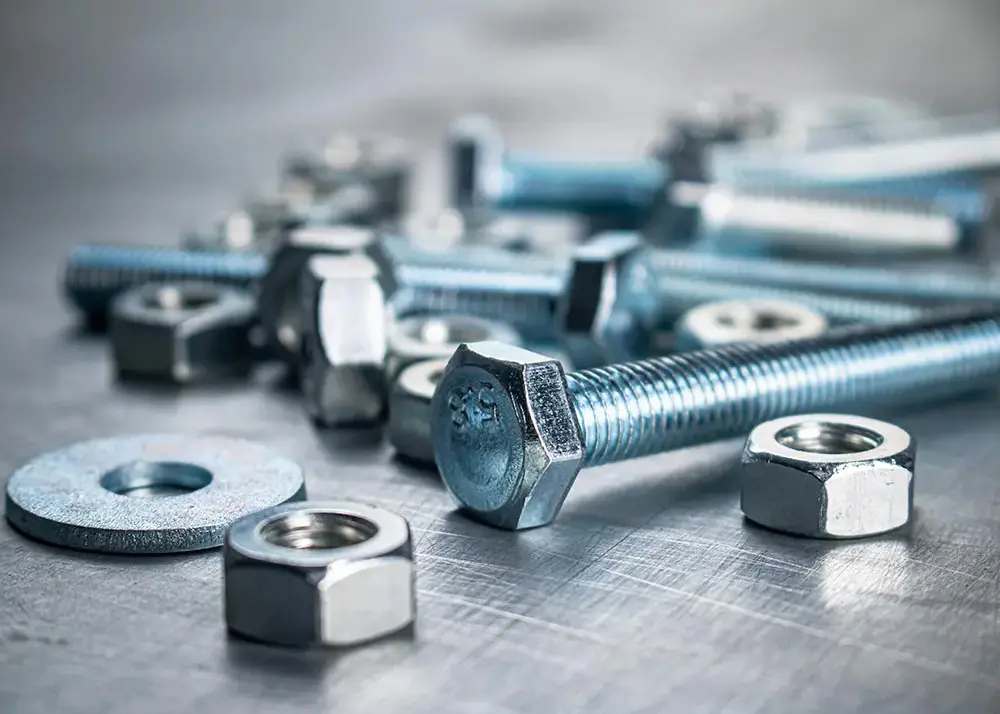
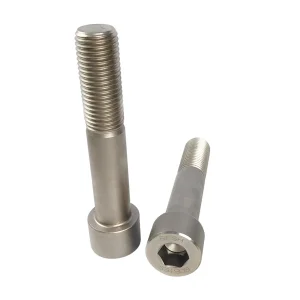
Azerbaijan, strategically located at the crossroads of Eastern Europe and Western Asia, has established itself as the energy hub of the South Caucasus. The development of critical offshore projects in the Caspian Sea—such as the Shah Deniz gas field, the Azeri-Chirag-Gunashli (ACG) oil fields, and massive infrastructure developments along the Baku-Tbilisi-Ceyhan pipeline—has heightened requirements for advanced engineering elements. High-strength stainless steel fasteners are no longer minor commodities; they are critical safety components.

In offshore drilling, chemical processing, and naval systems, industrial fasteners must withstand severe atmospheric, thermal, and mechanical stresses. Standard steel alternatives fail to deliver necessary safety thresholds, making specialized alloys like Inconel, duplex steel, and ultra-high-tensile stainless steels essential. By bridging global raw material supply chains with regional EPC contractors, exporters provide vital support to Azerbaijan's modern energy sector.

Key Engineering Metric: Standard A2/A4 stainless fasteners provide a tensile strength of 700 to 800 MPa. Our specialized high-strength lines offer up to 1900 MPa tensile strength, engineered for extreme load applications.

Global Fastener Dynamics & The Shift to Super Alloys

The global fastener market is transitioning from basic carbon steel products toward high-value, corrosion-resistant, and high-tensile superalloys. Modern structures demand longer operating lifespans with minimal maintenance cycles. Material science advancements have enabled the production of fasteners that resist chloride stress corrosion cracking, hydrogen embrittlement, and oxidation at high temperatures.

This global demand is characterized by strict regulatory compliance. Marine, petrochemical, and defense projects require certification from international classification societies such as DNV, Bureau Veritas, and ABS. As safety margins tighten globally, the sourcing of certified raw materials and audited fabrication processes has become standard procedure.

China's Manufacturing Capabilities: Efficiency & QA Protocols

China's fastener industry has transitioned from high-volume manufacturing to advanced precision engineering. Integrated supply chains, specialized tooling centers, and robust materials research allow Chinese factories to deliver high-specification fasteners efficiently.

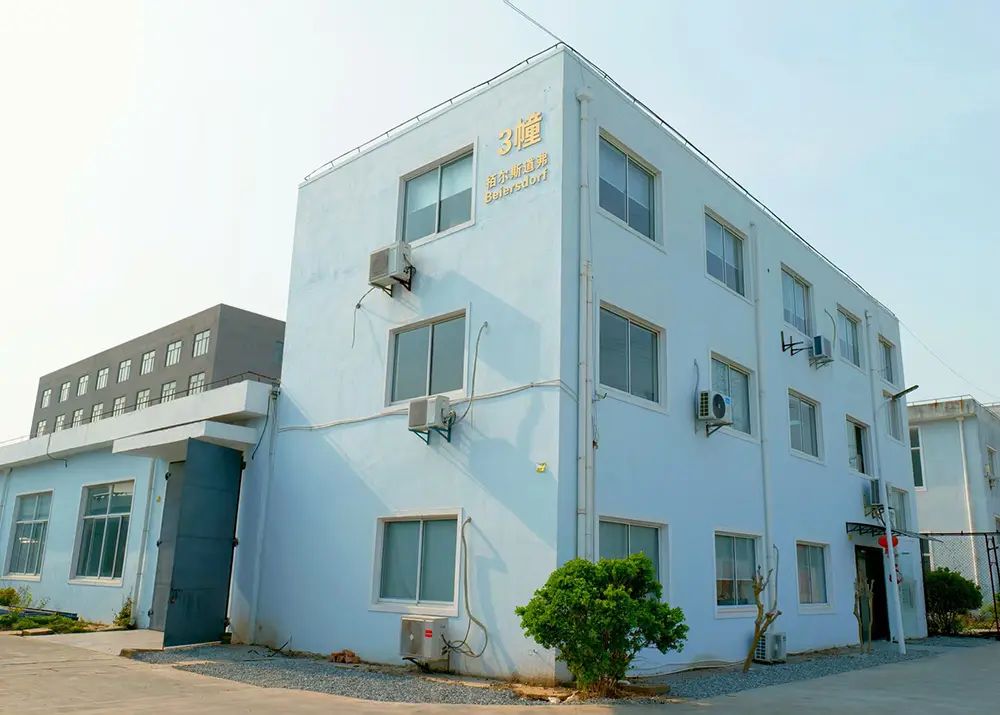
At Beiersdorf, our production base in Shanghai implements strict Quality Assurance protocols:

  • Raw Material Traceability: Maintaining 500 tons of raw materials (such as titanium, duplex, and nickel alloys) in stock allows for precise metallurgical tracing.
  • Advanced Testing: We employ a strict sampling inspection system utilizing spectroscopic analysis, ultrasonic testing, and tensile testing machines to identify defects.
  • Precision Tooling: High-speed thread rollers and multi-stage cold formers ensure tight dimensional tolerances for aerospace and medical applications.

Application Fields & Localized Scenarios in Azerbaijan

Azerbaijan's industrial zones, including the Sumgait Chemical Industrial Park and the Alat Free Economic Zone, require components suited for specific operating conditions:

1. Caspian Offshore and Oceanography Engineering

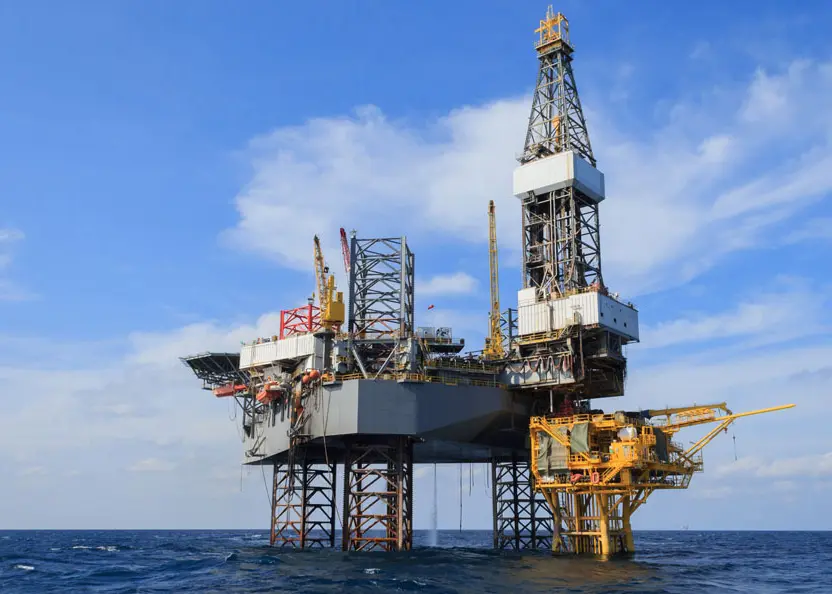
The Caspian Sea contains highly corrosive saline environments. Drilling equipment, pipelines, and naval vessels rely on duplex stainless steel (2205/2507) and classification-certified marine fasteners. These alloys prevent pitting and crevice corrosion under high salinity.

2. Petrochemical Plants & Gas Processing

At refinery complexes near Baku, reactors and heat exchangers operate at high temperatures. Fasteners manufactured from Inconel and specialized high-temperature alloys maintain structural integrity at temperatures exceeding 800°C.

3. Transport and Logistics Infrastructure

Regional rail networks, including the Baku-Tbilisi-Kars rail corridor, require vibration-resistant high-strength fasteners. These components must withstand continuous dynamic loads and changing ambient temperatures.


Engineered Competence & Quality Metrics

Hash Detection

Hash Detection & QA

We implement a strict sampling inspection system to minimize defects in fasteners leaving our facility.

Technology R&D

Technology R&D

Our group holds more than 100 utility model patented products and eight invention patents.

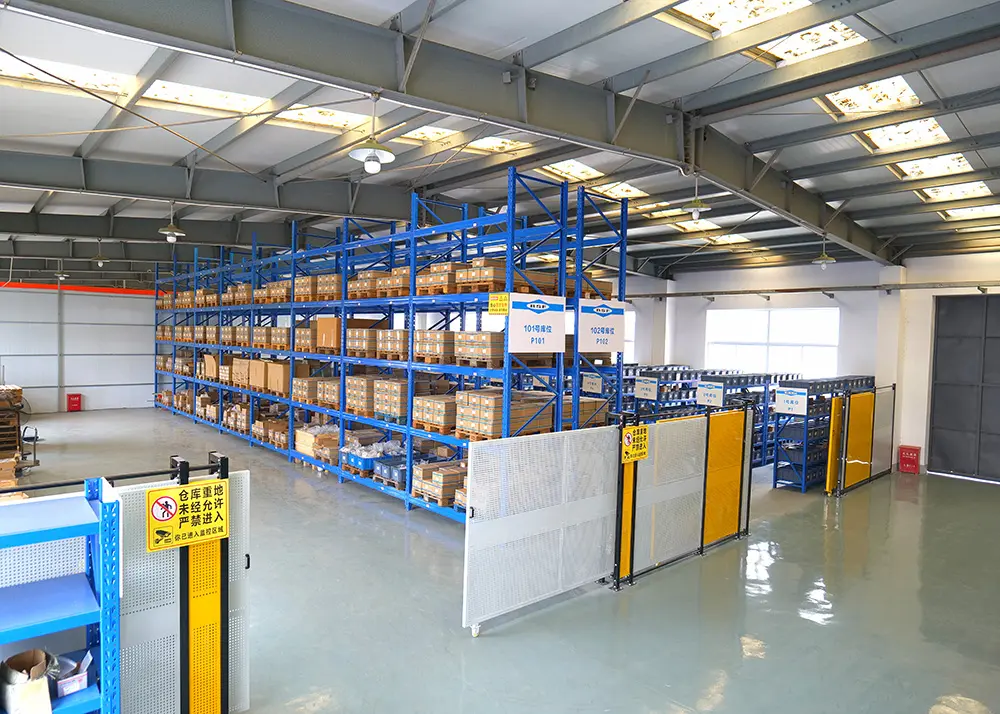
Warehouse Logistics

Warehouse & Logistics

We manage approximately 100,000 product models and maintain a stock of 10,000 tons of finished stainless steel standard parts.

Shipbuilding & Marine Operations

Caspian Sea Marine Logistics & Subsea Systems

Our specialized fasteners are utilized in shipbuilding and oceanography engineering, including offshore oil drilling platforms, marine propulsion systems, yacht construction, and submarine pipelines.

Material specifications include:

  • Super Austenitic and Duplex Alloys (A4-80, A5-80, 2205)
  • High-Performance Structural Steels (40CrNiMoA, L7, 718)
  • EN14399 High-Strength Structural Bolting Assemblies
  • Classification Society Certified Fasteners
Shipbuilding and Oceanography Engineering Field

Technical Sourcing FAQ

Which fastener materials are suitable for Caspian Sea offshore oil platforms?

Duplex stainless steels (such as 2205 and 2507) are typically specified due to the high chloride levels and sour gas conditions in the Caspian Sea. In highly demanding marine zones, Nickel-based superalloys like Inconel 718 provide high strength and resistance to stress corrosion cracking.

What certifications are required for marine engineering fasteners?

Fasteners used on offshore drilling platforms and commercial ships must be certified by Classification Societies such as DNV-GL, ABS, or Lloyd's Register. These certificates verify that the chemical composition, tensile strength, and impact values meet international standards.

How do cryogenic fasteners maintain stability at -270℃?

Under cryogenic temperatures, standard carbon steels become brittle. Specialized austenitic stainless steels, nickel-based alloys, and titanium alloys retain their ductility and impact toughness down to -270℃, making them suitable for liquefied natural gas (LNG) transport and space applications.

What are the lead times for custom-engineered fastener exports to Baku?

We ship from our Shanghai logistics hub via direct rail corridors or container shipping. Standard items ship immediately from our 10,000-ton inventory, while custom-engineered production runs typically require 15 to 30 days, including full materials testing and certification.

Latest Industrial Insights

The Future of Fasteners
Jan 24, 2025

The Future of Fasteners: Innovation, Standardization, and Sustainability

How digitalization, automated assembly, and strict environmental limits are shaping fastener production.

View More
Warehouse Renovation
Jan 24, 2025

Beiersdorf Embarks on Warehouse Renovation to Enhance Operational Efficiency

Our smart logistics system tracks 10,000 tons of finished stock to optimize delivery cycles for global buyers.

View More
Establishment of Beiersdorf
Jan 24, 2025

Connect the World, Fasten the Future -- Establishment of Beiersdorf

Founded in 2015, Beiersdorf Industrial Technology provides engineering fasteners to demanding sectors worldwide.

View More

Export Distribution Network

We supply fasteners to industrial markets in Central Asia, Europe, and the Middle East, with logistics routing to Azerbaijan's ports and industrial zones.

Market Distribution Map

Request a Quote for Azerbaijan & Global Projects

Beiersdorf provides technical consulting and product guidance, including alloy selection and installation parameters for high-stress environments.

Have Any Questions? Call Us Free: +86(0)21-38022886