Engineered structural systems built to withstand rapid thermal shifts down to extreme sub-zero levels
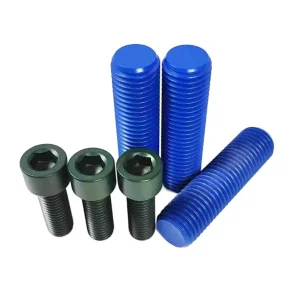
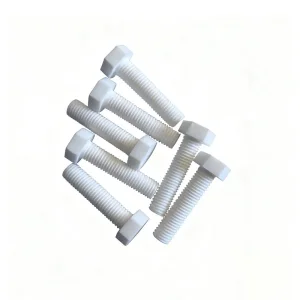
As Malaysia solidifies its position as a dominant energy, logistics, and advanced technological powerhouse in Southeast Asia, the Klang Valley and Kuala Lumpur's surrounding industrial zones have emerged as crucial procurement hubs. Low-temperature fasteners, specifically engineered to operate below -29°C and all the way down to -270°C for cryogenic environments, are pivotal in preventing catastrophic structural failures. In applications ranging from Liquefied Natural Gas (LNG) processing plants in Bintulu and terminal expansion works near Port Klang to high-tech semiconductor manufacturing facilities, standard carbon steel bolts risk ductile-to-brittle transition. This failure mechanism occurs when a metal shifts from a tough, energy-absorbing state to a brittle state under low temperatures, leading to spontaneous fractures under nominal stress conditions.
Standard grade structural fasteners, such as ASTM A193 B7, are optimized for ambient to high-temperature service. However, under freezing temperatures, their body-centered cubic (BCC) crystal structure experiences a sharp decline in impact energy absorption. Under cryogenic thermal conditions, this lack of flexibility can lead to sudden shear stress fractures without prior deformation. To combat this physical limitation, Beiersdorf produces specialized alloys featuring face-centered cubic (FCC) crystal lattices, such as austenitic stainless steels (including AISI 304, 316, and high-alloy nitrogen-strengthened classes) and nickel-based superalloys like Inconel 718. The FCC structure is inherently resistant to sub-zero embrittlement because it contains active slip planes that facilitate dislocation movements even at liquid helium levels (-270°C).
| Material Specification | Applicable Temperature Range | Primary Alloying Elements | Common Application in Malaysia |
|---|---|---|---|
| ASTM A320 L7 / L7M | -65°C to -101°C | Chromium-Molybdenum (AISI 4140) | LNG pipelines, LPG handling units, cold storage chambers |
| ASTM A320 B8 / B8M | -196°C to -269°C | Chrome-Nickel / Chrome-Nickel-Moly | Cryogenic pumps, liquid nitrogen distribution, medical gas storage |
| Alloy 718 (Inconel) | -270°C to 700°C | Nickel-Chromium-Columbium | Aerospace launch vehicles, high-stress deepwater wellheads |
| Titanium Grade 5 (Ti-6Al-4V) | -250°C to 400°C | Titanium-Aluminum-Vanadium | Satellite systems, weight-critical sub-zero aerospace rigs |
Our core capabilities ensure maximum reliability, zero assembly failures, and customized engineering support
We implement a stringent zero-defect sampling protocol. Our facilities are equipped with ultrasonic inspection, magnetic particle testing, and liquid penetrant detection systems to ensure every structural fastener has no internal defects.
Our research unit maintains over 100 utility model patents and 8 key invention patents focusing on mechanical integrity in thermal transition states, enabling optimized design of customized specialty fasteners.
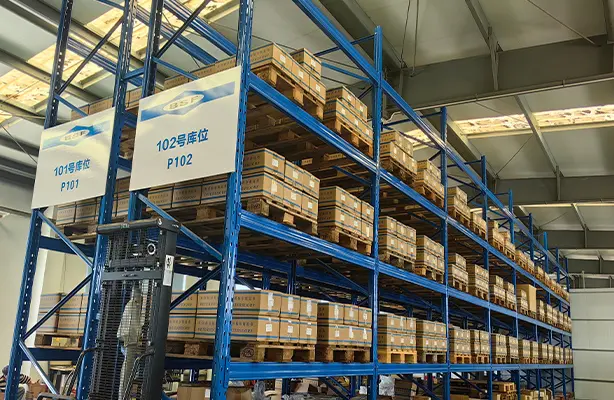
With an inventory encompassing 100,000 product models and 10,000 tons of finished stainless steel standard parts, we minimize lead times for project shutdowns and urgent repairs in Kuala Lumpur.
A trusted global leader in special fasteners and ultra-high precision engineering components.
Beiersdorf Industrial Technology (Shanghai) Co., Ltd. was established in 2015. Over the last decade, we have built a reputation as a leading manufacturer of critical structural bolting systems. With a strong commitment to quality control and raw material selection, we support key infrastructure, cryogenic storage units, marine vessels, and petrochemical networks globally.
Strict compliance with ISO 9001 and CE standards.
A customer-centric approach to global supply chain solutions.
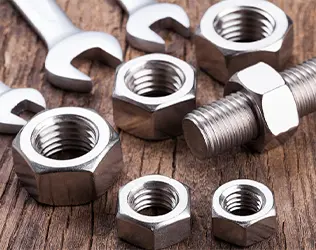
Modern petrochemical processing plants in the Klang Valley operate complex processing systems where temperatures drop rapidly down to -101°C or lower. Standard fasteners exposed to these sub-zero processes risk structural cracking, which can lead to hazardous gas leaks, unplanned shutdowns, or containment failures. To mitigate these risks, procurement managers look to specialty fasteners. For temperatures ranging from -46°C to -101°C, ASTM A320 Grade L7 (alloyed with chromium and molybdenum) is the industry standard. For colder, cryogenic applications involving liquefied nitrogen, hydrogen, or helium, austenitic stainless steels like ASTM A320 Grade B8 and B8M are specified due to their exceptional low-temperature mechanical property retention.
In addition to material selection, surface coatings play a critical role in low-temperature fastener performance. Traditional electroplating methods can introduce atomic hydrogen into the steel matrix, causing hydrogen embrittlement—a failure mechanism that is further accelerated in freezing conditions. Beiersdorf utilizes specialized mechanical plating processes and PTF coatings to prevent embrittlement. These coatings provide consistent torque-tension relationships, which prevent thread galling during installation on cryogenic pipelines and valves.
Port Klang and nearby maritime terminals handle significant volumes of LNG and chemical products. The storage tanks and transfer lines at these terminals require bolting systems that can handle extreme thermal cycling. As liquefied gases are pumped from tankers into insulated onshore storage tanks, the temperature shifts rapidly from tropical ambient heat to cryogenic sub-zero levels. This rapid thermal fluctuation induces severe stress on all joint connections. Choosing high-performance fasteners specifically rated for thermal expansion and contraction prevents leakage at flange faces, protecting both the facility and the surrounding environment.
Providing specialized fastening systems across critical engineering sectors in Malaysia and globally
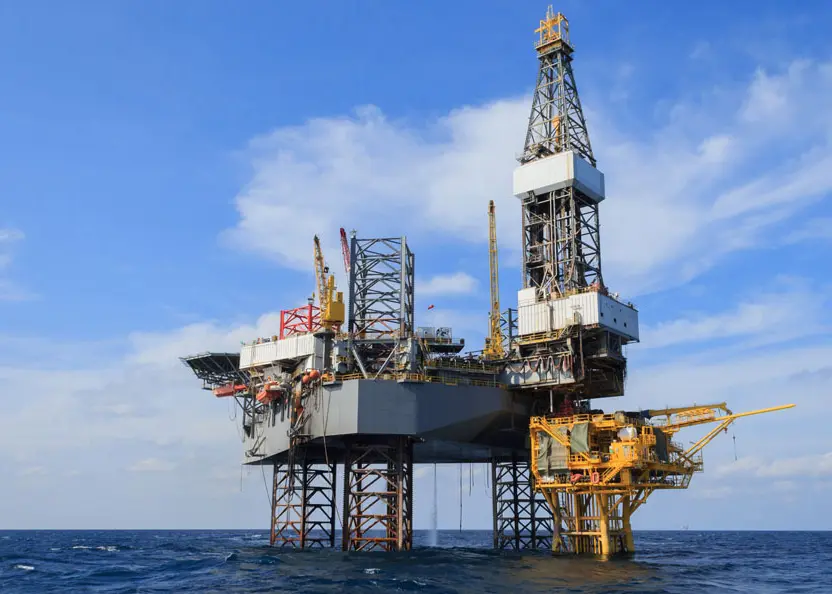
Our fasteners are widely used on special vessels, marine propulsion systems, offshore drilling rigs, and submarine pipelines, featuring corrosion-resistant alloys like A4-80, A5-80, Duplex 2205, and Inconel 718.
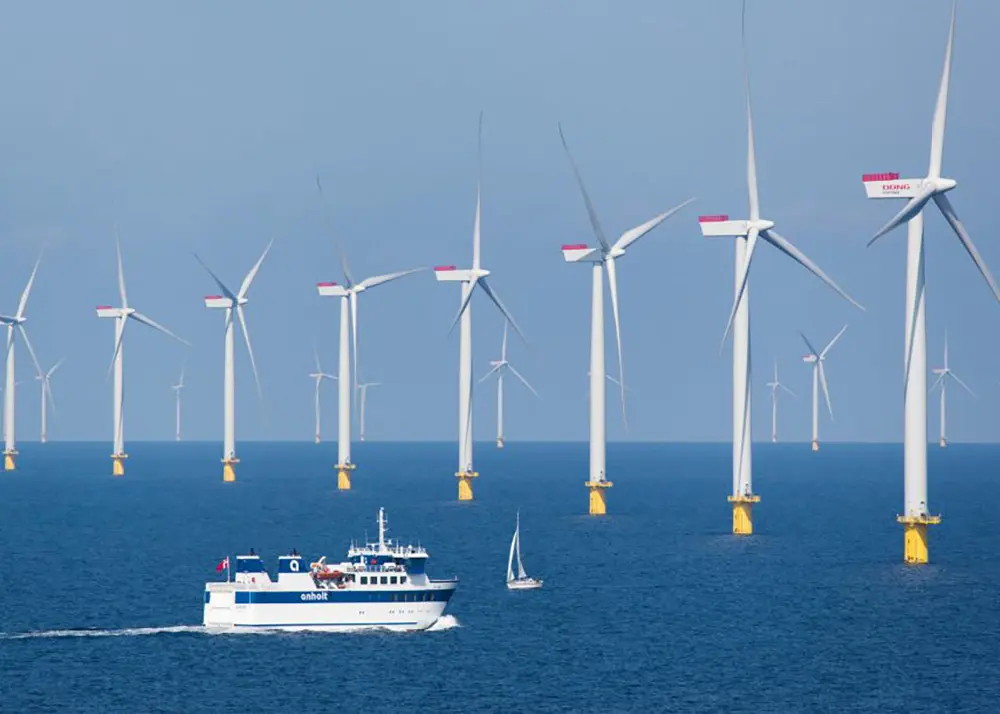
Engineered to perform in steam turbines, nuclear containment areas, and cryogenic gas generation facilities. These fasteners retain mechanical strength during extreme thermal cycles.
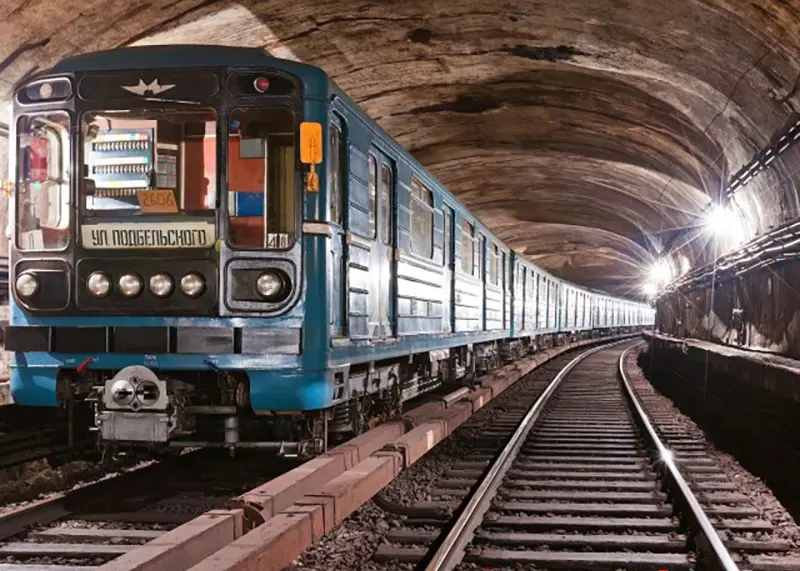
Heavy structural connections designed to handle continuous vibrations, dynamic shear stresses, and varying weather patterns, keeping urban rail systems safe and reliable.
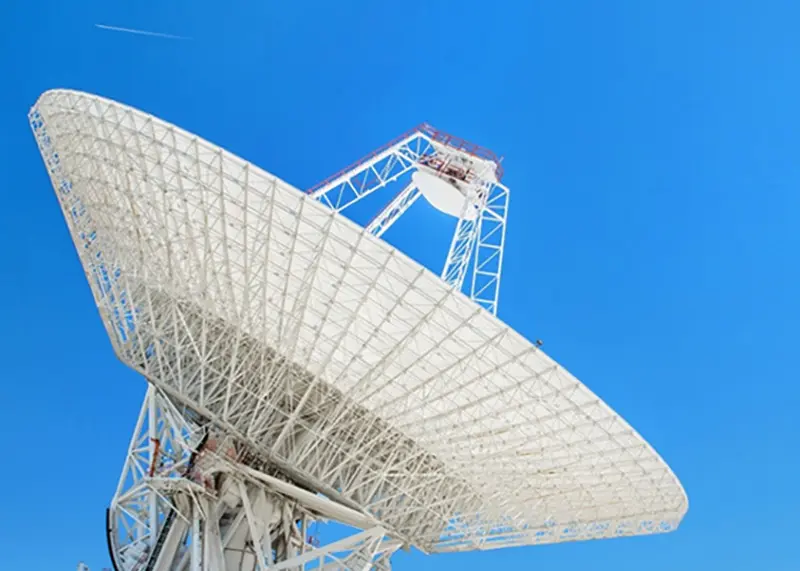
We produce high-precision micro-machined fasteners and non-magnetic components for cleanrooms, high-frequency transmitters, and advanced semiconductor manufacturing equipment.
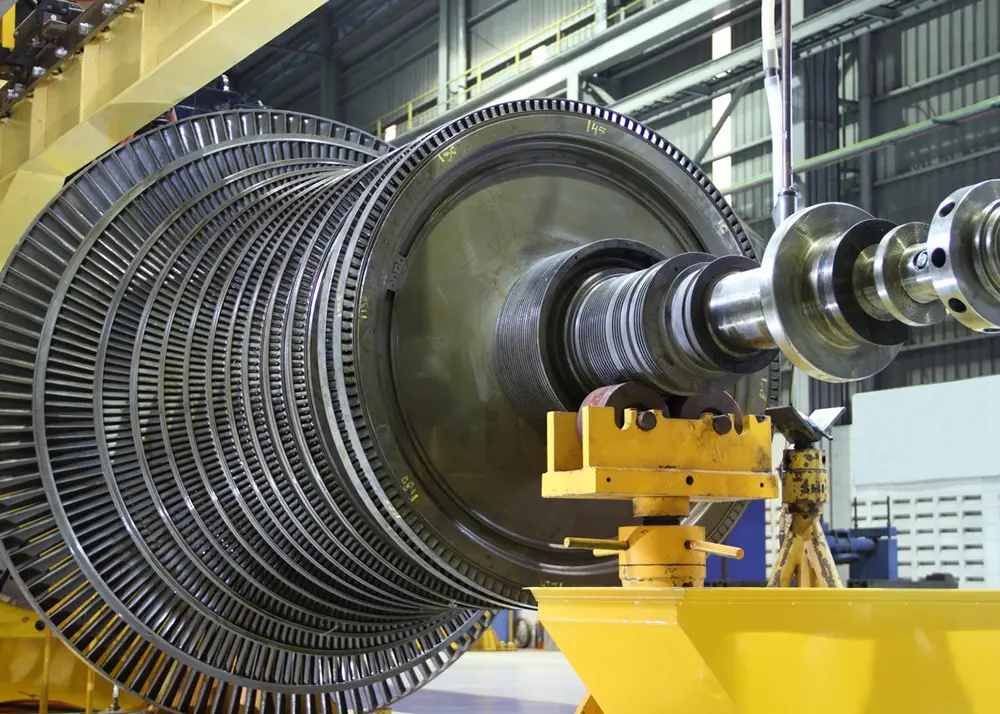
Designed for the harsh chemical processing environments of refinery reactors, cracking columns, and high-pressure cryogenic units. Resistant to both chemical corrosion and extreme cold embrittlement.
For industrial projects in Malaysia, compliance with local safety regulations is a key procurement requirement. Under the Department of Occupational Safety and Health (DOSH) guidelines and the Factories and Machinery Act, all pressurized containers and piping systems must use certified, traceably documented fasteners. Standard structural bolts cannot be used in pressure-retaining components. Beiersdorf supplies fully traceably documented fasteners matching BS EN 10204 Type 3.1 certification. This ensures all raw materials undergo complete ladle chemical analysis and physical testing, ensuring compliance with both international codes and Malaysian safety standards.
Our cryogenic fasteners meet the strict requirements of ASME B31.3 (Process Piping) and ASME Section VIII (Pressure Vessels). These codes require materials to undergo Charpy V-Notch impact testing to verify they retain minimum energy absorption levels (typically 20 Joules or 15 ft-lbs) at the lowest design temperature. Our testing processes are designed to prove compliance with these requirements, providing engineering teams in Kuala Lumpur with reliable, documented proof of component performance.
Looking ahead, Beiersdorf is actively researching smart fastening technologies. Standard pressure-retaining joints must be manually inspected for bolt tension loss over time. For sub-zero pipelines, this process requires removing insulation layers. To address this, we are developing smart bolting systems with integrated strain sensors. These sensors utilize piezoelectric elements to transmit real-time clamp-load data to facility monitoring systems. This technology helps prevent leakage by identifying tension loss early, improving safety and reducing maintenance costs for operators in the region.
Answering key technical and regulatory questions for engineers and purchasing managers
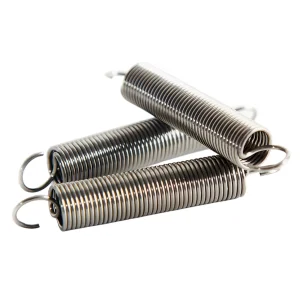
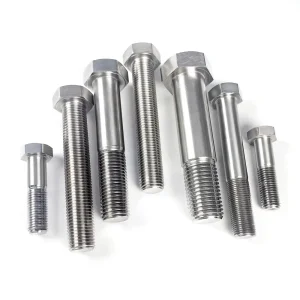
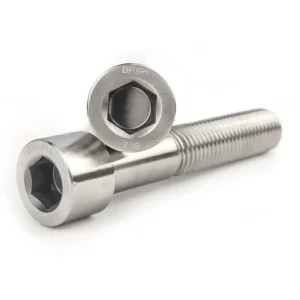
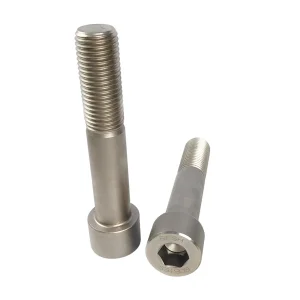
Explore our complete range of specialized industrial fasteners designed for severe conditions
Tracking innovations, standards, and expansion milestones driving global growth
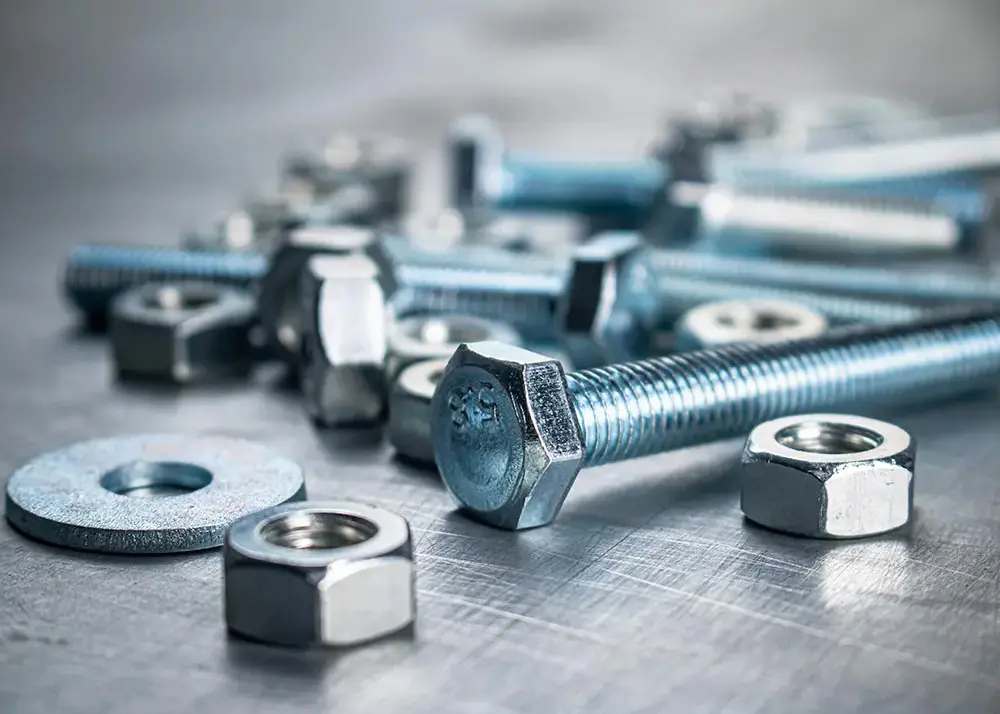
As we move through 2025, the fastener industry is shifting toward smart manufacturing, green materials, and higher traceability standards to support modern global infrastructure projects.
Read Full Article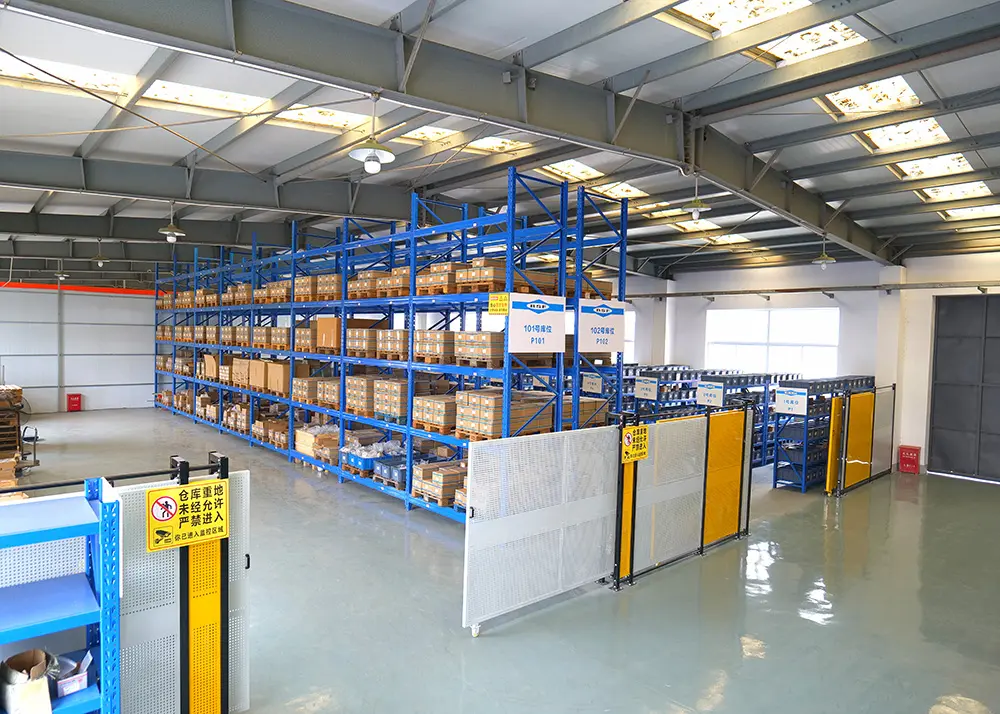
Our warehouse renovation project is underway. This upgrade integrates automated storage systems to speed up order processing and shorten lead times for global clients.
Read Full Article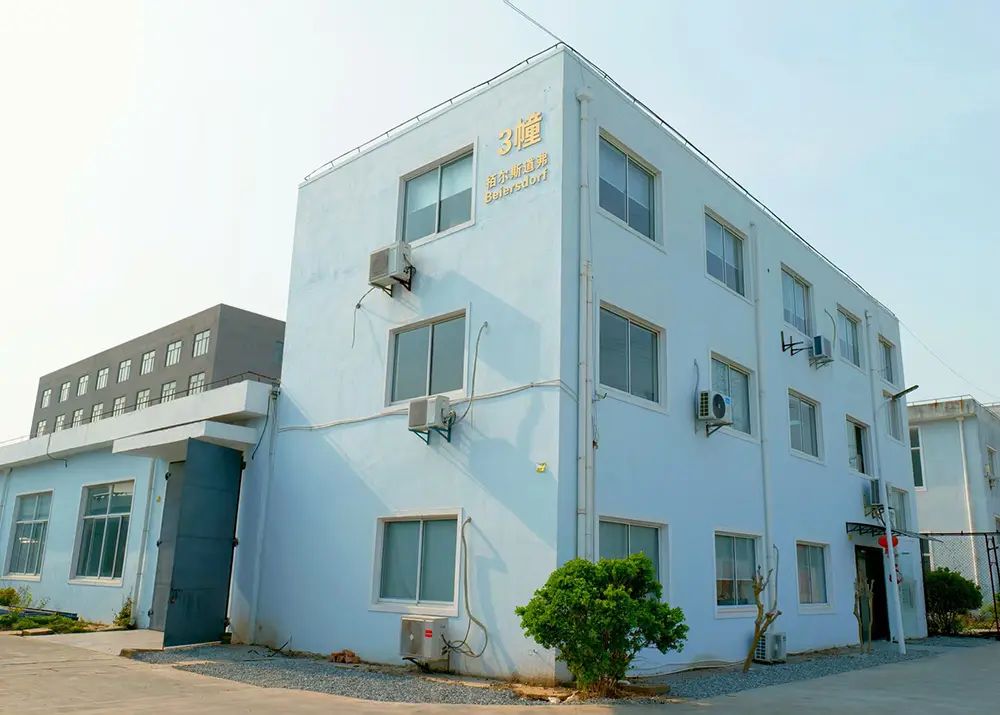
Founded in 2015, Beiersdorf (Shanghai) continues to provide engineering-grade fastener solutions, supporting critical projects across various global industries.
Read Full ArticleServing petrochemical, marine, and industrial markets across Europe, North America, and Southeast Asia


Beiersdorf provides both specialty fastener supply and engineering support. We assist engineering teams with material selection, compatibility analysis, installation procedures, and long-term joint integrity checks.
Technical Support Line:
+86 (0) 21-38022886Submit your project details and specifications to receive a detailed quote within 24 hours.
 BSF
BSF