 BSF
BSF
1 / 5
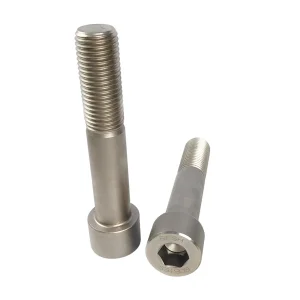
It maintains high strength even below -60℃, preventing brittle fracture. It is suitable for equipment such as liquefied natural gas pumps and liquid nitrogen pumps.
Carbon steel or alloy steel (such as 35CrMoA/42CrMoA) with a body-centered cubic crystal structure can have its hardness and impact performance optimized through tempering heat treatment.
The preload force is positively correlated with temperature: For A-286 stainless steel screws, at -275℉ (-170℃), due to the thermal contraction effect, the thread friction increases, and the locking performance improves.
The glass fiber/epoxy resin composite material joints have a 15% higher load-bearing capacity at -40℃ compared to at room temperature, and the pre-tightening torque effect is even more significant.
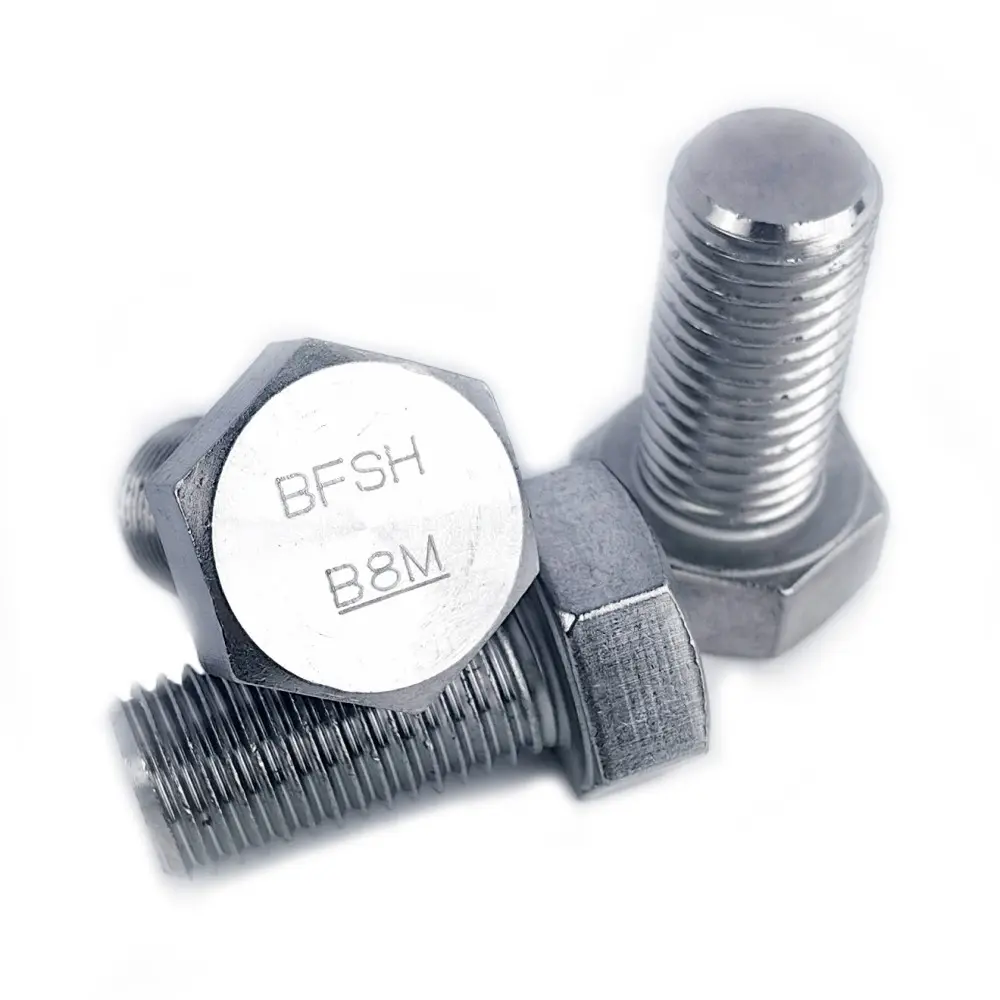
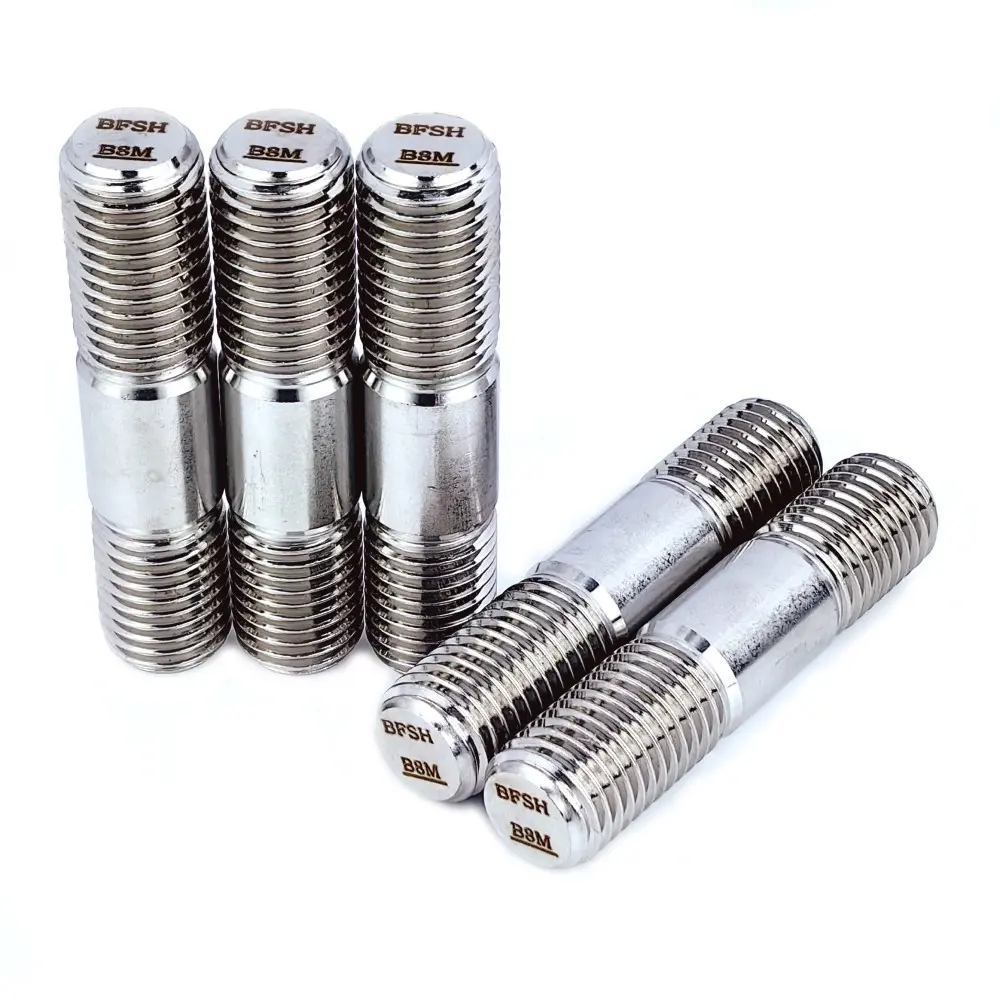
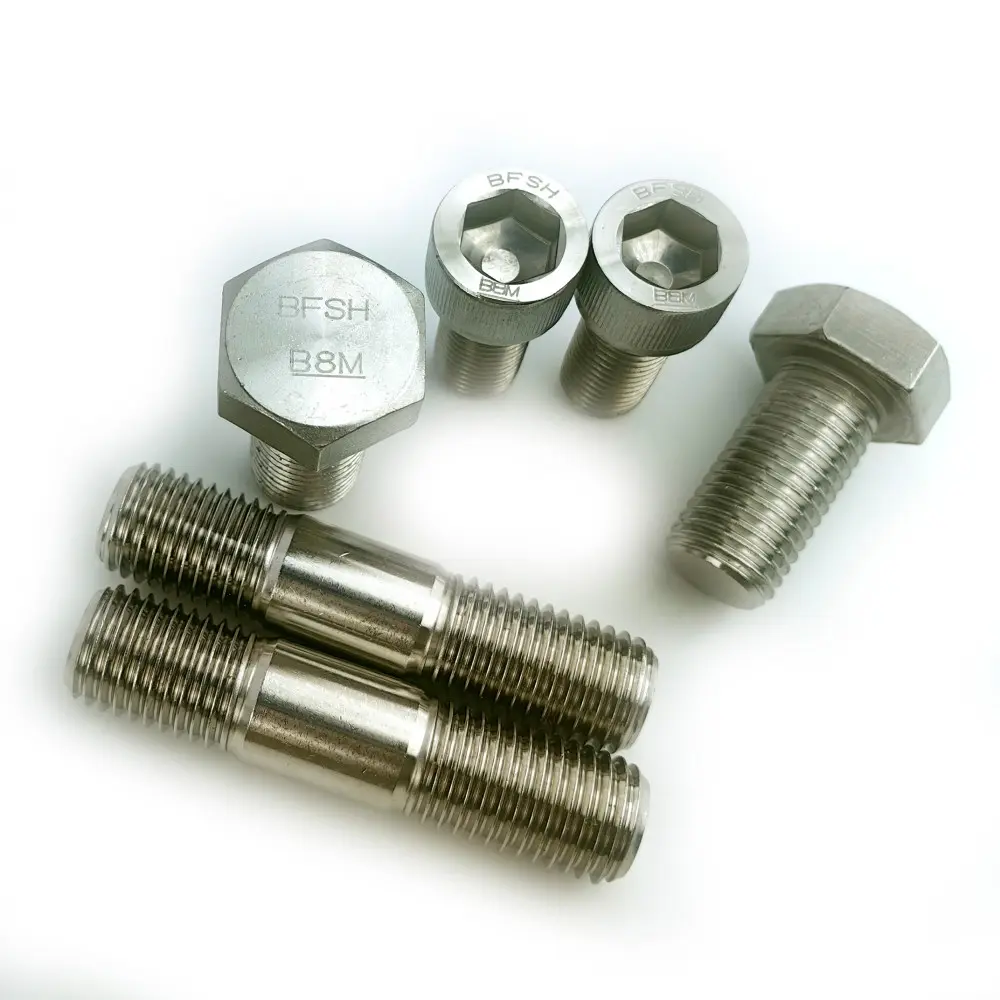
Stainless steel fasteners (as per the ISO 3506-1 standard) possess both corrosion resistance and mechanical properties in low-temperature environments.
Wind turbine bolts (such as 10.9/12.9 grade) need to withstand multi-axis stress and dynamic loads, and should avoid brittle fracture at low temperatures.
The low-friction coefficient design facilitates installation and disassembly in low-temperature environments.
Rocket fuel storage tanks, liquid hydrogen/liquid oxygen pipeline connections (such as in SpaceX's cryogenic propulsion system). The wind tunnel model employs a low-temperature locking device, which enhances the connection stability through the thermal contraction effect.
LNG storage tanks, transport ships and pipeline flange connections (with working temperatures as low as -162°C). Liquid nitrogen/liquid helium storage equipment (such as for fixing superconducting magnets).
The cryogenic support structure of superconducting magnets (such as those in MRI equipment). The cryogenic thermostat of a quantum computer (close to absolute zero).
Fixed shelves for ultra-low temperature cold storage (-80°C). Liquid nitrogen quick-freezing equipment conveyor belt fasteners.
| Digital Grade | Material | Executive Standard | Withstand Temperature |
|---|---|---|---|
| 1.1133 | 20Mn5 | — | -20℃ |
| 1.6582 | 34CrNiMo6 | DIN EN 10269 | -40℃ |
| 1.6580 | 30CrNiMo8 | DIN EN 10269 | -40℃ |
| 1.5523 | 19MnB4 | — | -60℃ |
| 1.7218 | 25CrMo4 | — | -60℃ |
| 1.7219 | 26CrMo4 | — | -60℃ |
| 1.7225 | 42CrMo4 | — | -100℃ |
| 1.6583 | 41NiCrMo7-3-2 | — | -100℃ |
| 1.5680 | X12Ni5 | DIN EN 10269 | -120℃ |
| 2.4952 | NiCr20TiAI | DIN EN 10269 | -196℃ |
| 2.4669 | NiCr15Fe7TiAI | — | -196℃ |
| 1.4980 | X6NiCrTiMoVB25-15-2 | DIN EN 10269 | -196℃ |
| 1.5662 | X8Ni9 | — | -196℃ |
| 1.4401 | X5CrNiMo17-12-2 | — | -196℃ |
| 1.4404 | X2CrNiMo17-12-2 | — | -196℃ |
| 1.4403 | X4CrNi18-12 | DIN EN 10269 | -196℃ |
| 1.4301 | X4CrNi18-10 | — | -196℃ |
| 1.4948 | X6CrNi18-10 | — | -196℃ |
| 1.4307 | X2CrNi18-9 | — | -196℃ |
| 1.4919 | X6CrNiMoB17-12-2 | — | -196℃ |
| 1.4941 | X6CrNiTiB18-10 | — | -196℃ |
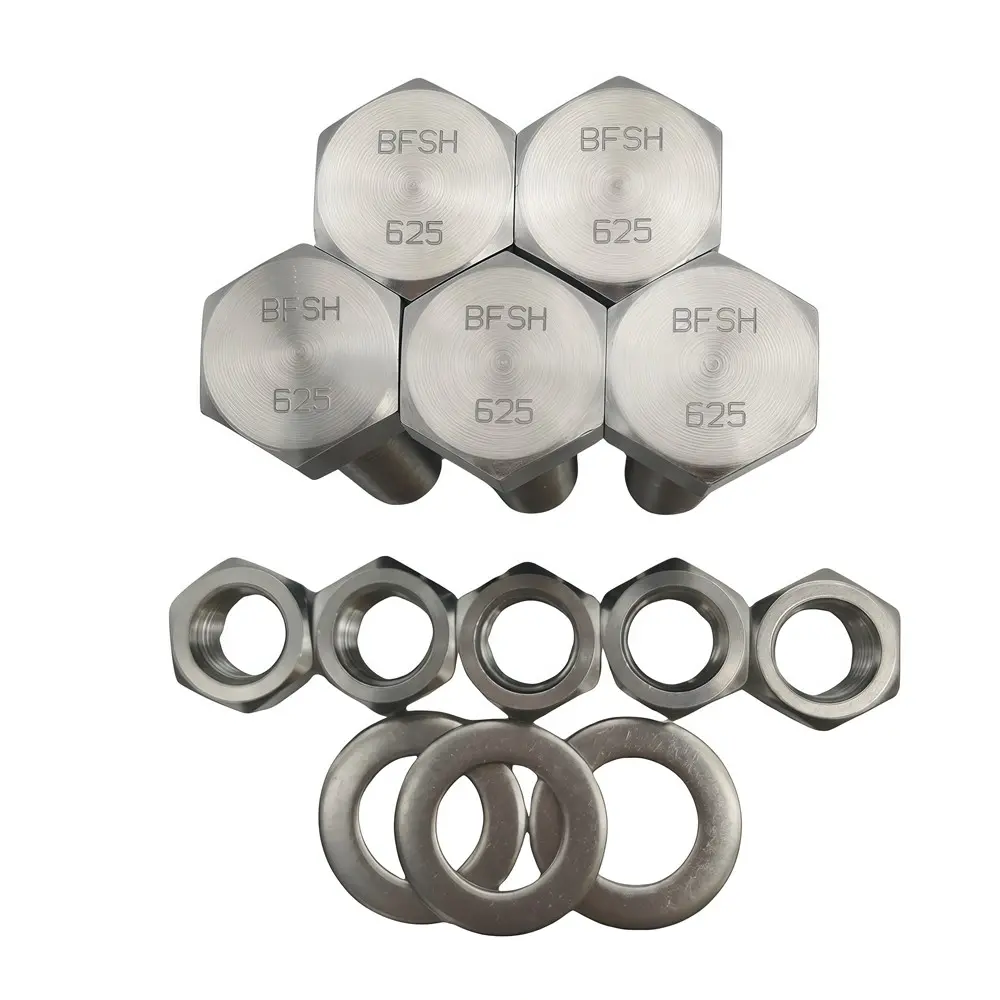
| 2.4856 / UNS N06625 | NiCr22Mo9Nb | ASTM B446/B564/E112 | -196℃ |
| 2.4610 / UNS N06455 | NiMo16Cr16Ti | ASTM B574/B564 | -196℃ |
| 2.4605 / UNS N06059 | NiCr23Mo16AI | ASTM B574/B564 | -196℃ |
| 2.4602 / UNS N06022 | NiCr21Mo14W | ASTM B574/B564 | -196℃ |
| 1.6909wk | X5CrMnNiN18-9 | — | -196℃ |
| 1.4562 / UNS N08031 | X1NiCrMoCu32-28-7 | ASTM B581/B649 | -196℃ |
| HiMo88 | A4-80 / A4L-80 / 316L | — | -200℃ |
| 1.4429 | X2CrNiMoN17-13-3 | — | -270℃ |
| 1.4910 | X3CrNiMoBN17-13-3 | — | -270℃ |
| 2.4668 / Alloy 718 | NiCr19Fe19Nb5Mo3 | DIN EN 10269 / ASTM B637 | -273℃ |
| 1.4980 / Alloy 286 | X6NiCrTiMoVB25-15-2 | DIN EN 10269 / ASTM 453 | -273℃ |
| 1.4910 | X3CrNiMoBN17-13-3 | DIN EN 10269 | -273℃ |
| 1.4571 / AISI 316Ti | X6CrNiMoTi17-12-2 | DIN EN 10088/10272 | -273℃ |
| 1.4541 / AISI 321 | X6CrNiTiB18-10 | DIN EN 10088/10272 | -273℃ |
| 1.4436 / AISI 316L | X3CrNiMo17-13-3 | DIN EN 10088/10272 | -273℃ |
| 1.4435 / AISI 316L | X2CrNiMo18-14-3 | DIN EN 10088/10272 | -273℃ |
| 1.4429 / AISI 316LN | X2CrNiMoN17-13-3 | DIN EN 10269/10272 | -273℃ |
| 1.4306 / AISI 306 | X2CrNi19-11 | DIN EN 10088/10272 | -273℃ |