Norway represents one of the world's most demanding engineering frontiers. The combination of hyper-corrosive marine atmospheres, high-pressure subsea exploration fields, cryogenic processing in LNG plants, and the rapid scale-up of offshore wind farms creates a unique set of metallurgical and geometric challenges. For Norwegian industrial companies, component failure is not an option.
To operate reliably in the Barents Sea or the Norwegian Continental Shelf, components must satisfy stringent material and geometric requirements. High-tolerance machined parts require precision down to the sub-micron level, with surface treatments that resist long-term galvanic action. Fasteners and connectors must maintain their mechanical properties when exposed to extreme thermal cycling (-270°C for liquid hydrogen or LNG systems and up to 1200°C for deepwell combustion structures).
Standard grade stainless steels often suffer from pitting and crevice corrosion under deepwater conditions. Our engineering approach prioritizes materials like Titanium Grade 5 (Ti-6Al-4V) for weight minimization, Inconel 718 for high-temperature tensile retention, and Super Duplex 2507 for robust resistance to chloride stress corrosion cracking.

The manufacturing paradigms of the next decade are heavily anchored in green transitions and automation. In Norway, projects such as the Northern Lights Carbon Capture initiative, offshore hydrogen generation facilities, and deep-sea aquaculture grids demand high performance. The roadmap for precision machined components focuses on two key fields: material innovation and digital twin-assisted tolerance profiling.
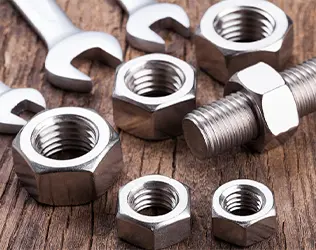
Our research and development program actively addresses these areas, developing solutions for high-frequency operations, non-magnetic enclosures, and cryogenic interfaces. We focus on stabilizing special alloy matrices during machining. Titanium and nickel-based superalloys exhibit low thermal conductivity and severe work-hardening tendencies during cutting operations. By optimizing CNC cutting tool geometry, utilizing high-pressure cryogenic cooling loops, and employing automated multi-axis Swiss milling, we deliver parts with precise finishes that do not compromise the base alloy's microstructural integrity.
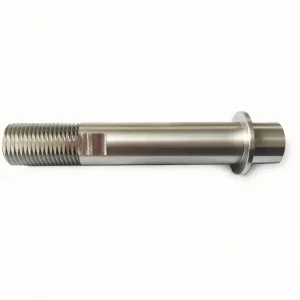
High-strength bolts engineered for load-bearing structures under extreme wind and wave fatigue.
Materials qualified to perform without degradation in saline offshore splash zones.
Alloys engineered to resist low-temperature embrittlement in cryogenic and Arctic applications.
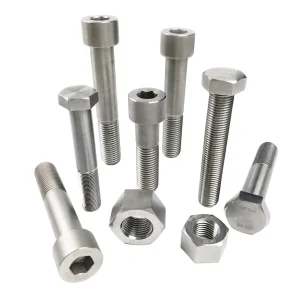
Special grade fasteners that retain structural integrity in downhole and exhaust environments.
Components deployed at depths of up to 3,000 meters face massive hydrostatic pressures. Our Super Duplex and Inconel machined connectors and fasteners provide the high yield strength and chemical resistance needed for subsea manifolds, BOP stacks, and subsea Christmas tree systems.
Floating offshore wind turbines require structural joints that can handle constant dynamic waves. We export precision-machined fasteners and anchor bolts designed to endure high cyclic fatigue, helping secure key structural parts of wind turbine generators.
Handling liquid natural gas (-162°C) and liquid hydrogen (-253°C) requires specialized metals. Our low-temperature fasteners remain ductile at cryogenic temperatures, preventing micro-fissures and catastrophic gas leaks at onshore liquefaction plants and transportation vessels.
Operating in Norway's offshore sectors requires strict adherence to international and local regulatory standards. Components must meet the safety and quality requirements of classification societies and standardizing bodies. Our production facilities and raw materials are prepared to align with these demanding certification pathways:
We source materials that conform to NORSOK standards (e.g., M-630/M-650). This verifies that special alloys like Duplex and Super Duplex are manufactured, heat-treated, and tested using qualified processes, ensuring structural reliability under extreme fatigue conditions.
We supply classification society fasteners and critical machined parts complete with full traceability reports. Our quality assurance meets the standards required for maritime engineering, guaranteeing safe deployment in offshore shipbuilding and deep-water mooring.
Every shipment of machined parts is accompanied by EN 10204 3.1 Material Certificates. These documents detail the chemical composition, heat number, yield strength, tensile limits, and impact testing values of the alloy batch used.
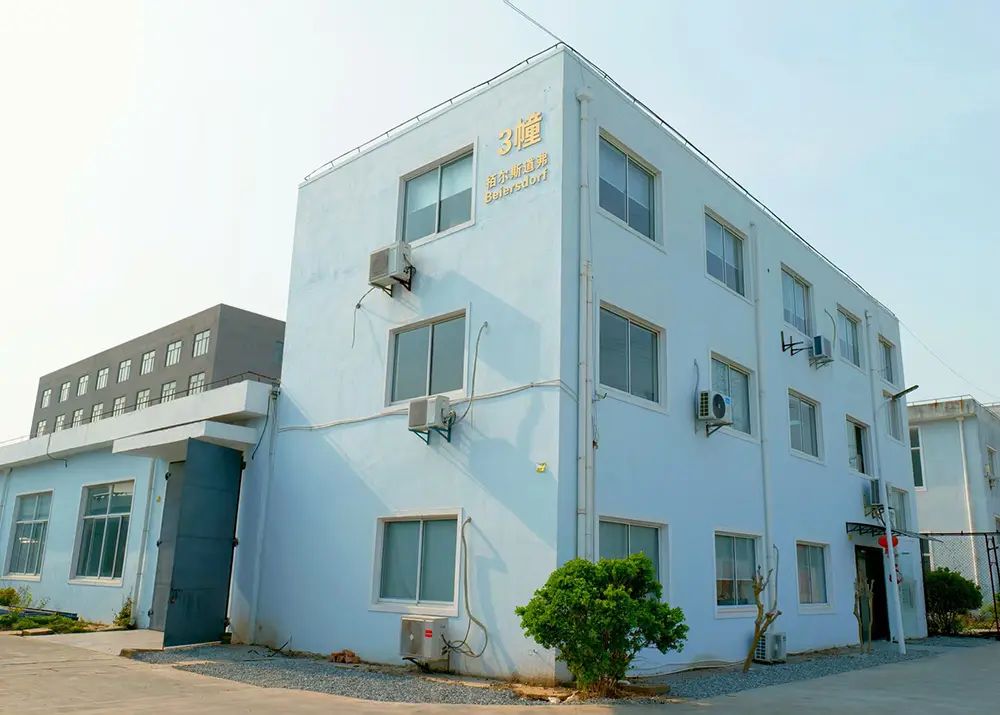
Our production base in Shanghai, China, is equipped with a digital manufacturing execution system (MES) and automated CNC cells. We bridge the gap between complex engineering requirements and cost-efficient production, delivering specialized hardware to clients across Europe and the Nordic region.
By coupling advanced CAD/CAM modeling with multi-spindle Swiss lathes, 5-axis vertical machining centers, and high-speed stamping systems, we maintain high dimensional consistency. We operate a clean-room subassembly environment and post-machining passivation lines to ensure every component arrives free of surface contaminants.


Ensuring microstructural stability and impact resistance down to -270℃.

Offering high strength-to-weight ratios for deepwater marine components.

Resisting oxidation and chemical degradation in corrosive media up to 1200℃.
Engineered for high fatigue performance in structural maritime environments.
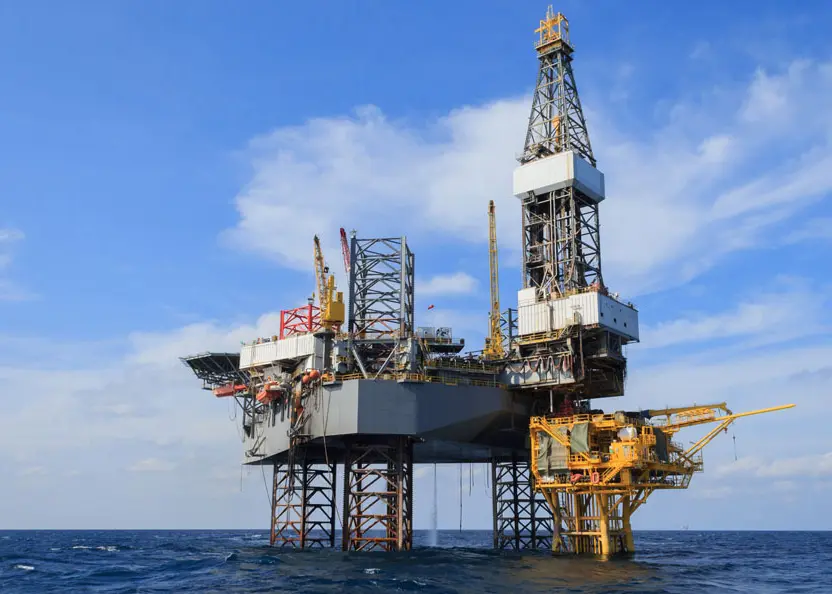
Our specialized fasteners are used in marine propulsion, marine accessories, yacht manufacturing, offshore oil drilling platforms, subsea pipelines, offshore wind farms, and dock construction.
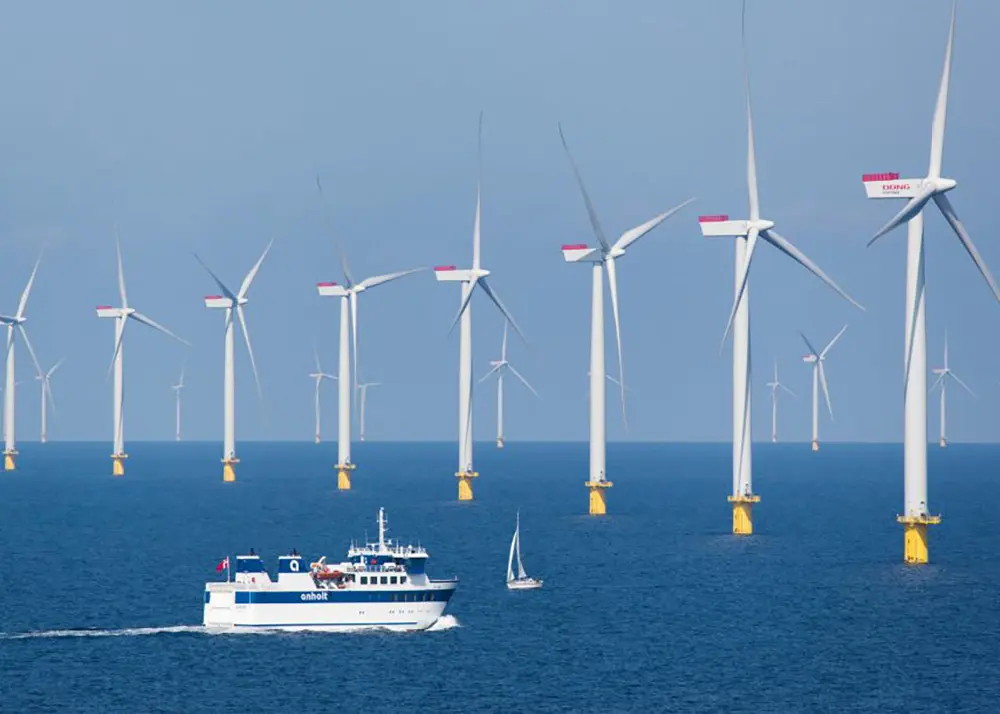
Components engineered for hydraulic turbines, gas turbines, solar energy structures, and wind generator housing.
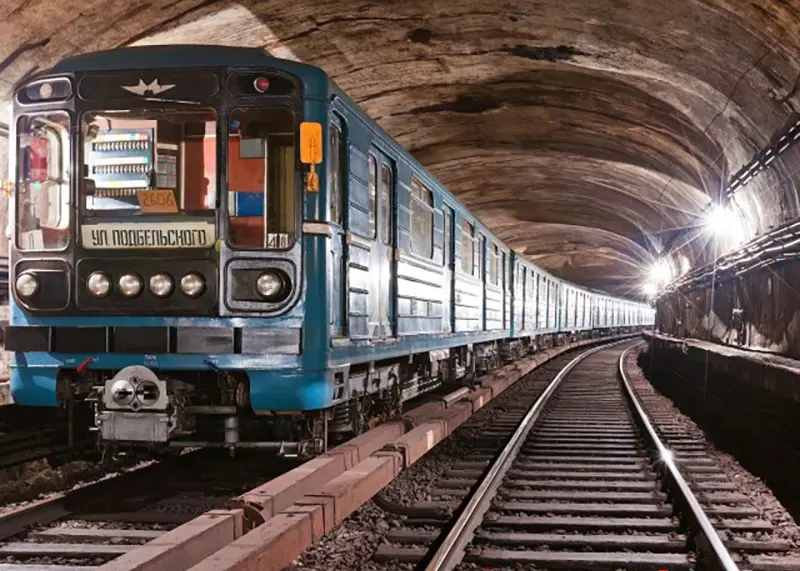
Engineered joints that withstand constant vibrational stresses in high-speed and cargo rail lines.

Non-magnetic, high-tolerance components for signal processing, medical imaging, and marine sensors.
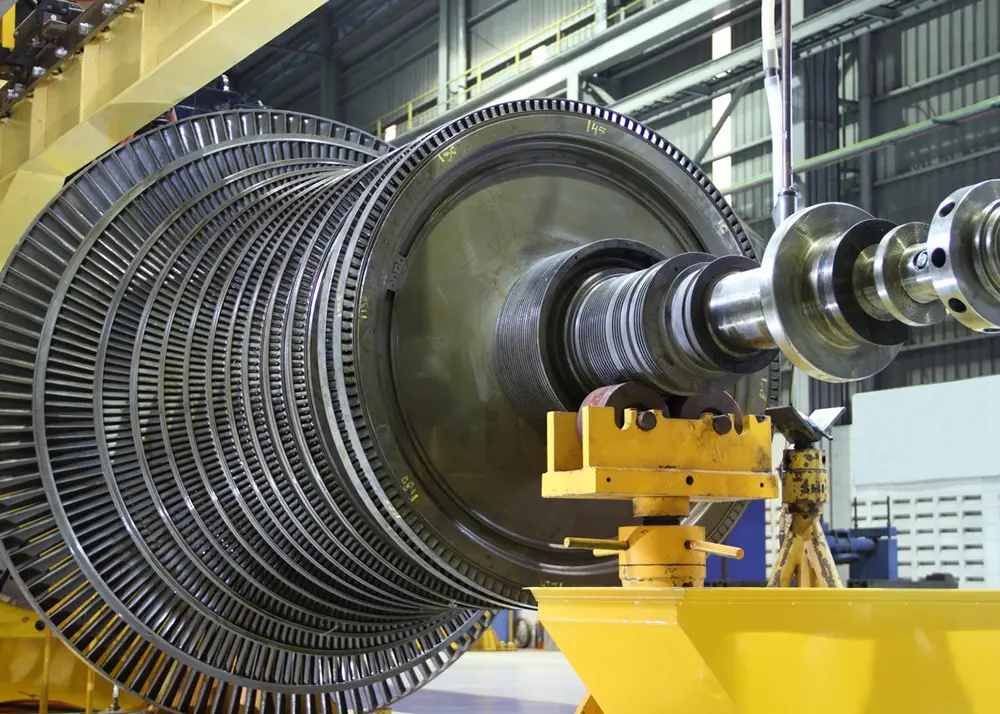
Chemical processing and refining equipment components that resist high temperatures and sour gas corrosion.
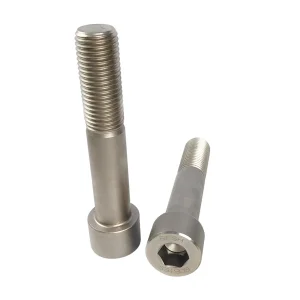
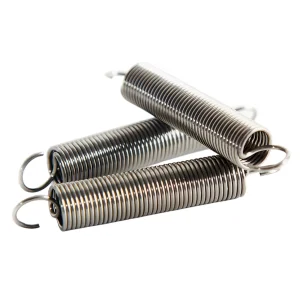
NORSOK M-650 establishes strict criteria for verifying that a manufacturer has the equipment, process controls, and metallurgical expertise required to produce duplex stainless steels, titanium, and nickel alloys with consistent microstructure and mechanical properties. This minimizes the risk of sudden hydrogen-induced stress cracking (HISC) in high-stress subsea installations.
Standard carbon steels transform from a ductile to a brittle state at sub-zero temperatures, leading to sudden failures. Cryogenic fasteners utilize specialized austenitic alloy matrices (such as high-nickel stainless steels and superalloys) that retain face-centered cubic lattice integrity, ensuring high impact toughness and resisting cracking even when handling liquid helium or LNG.
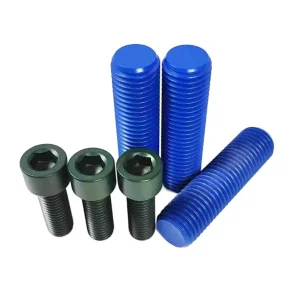
We provide a selection of materials to mitigate galvanic potential differences, including Titanium Grade 5 fasteners for marine components and advanced non-conductive plastic fasteners (PTFE/PEEK) for low-load isolation. Additionally, we offer zinc-flake and Teflon coatings to isolate metals from environmental moisture.
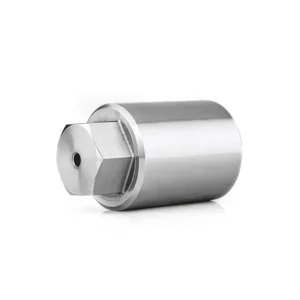
Our multi-axis CNC Swiss turning centers and milling machinery routinely achieve tolerances down to ±0.005 mm (5 microns). We inspect and document dimensional compliance using coordinated measuring machines (CMM) and digital optical profile projectors.
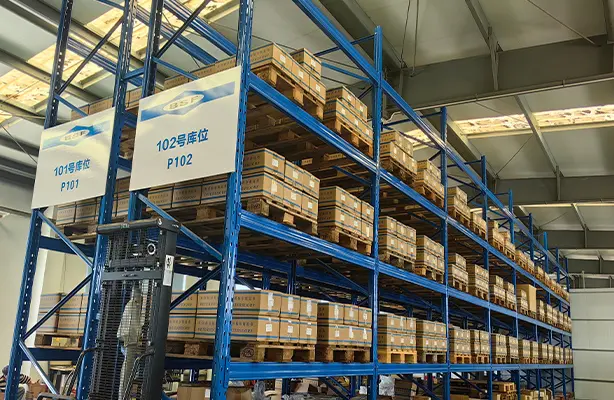
For standard components held in our inventory, logistics dispatch occurs within 48 hours. For custom production runs, we coordinate air cargo or sea freight directly to hubs such as Oslo, Bergen, and Stavanger, balancing turnaround times with freight efficiency.


 Jan 24, 2025
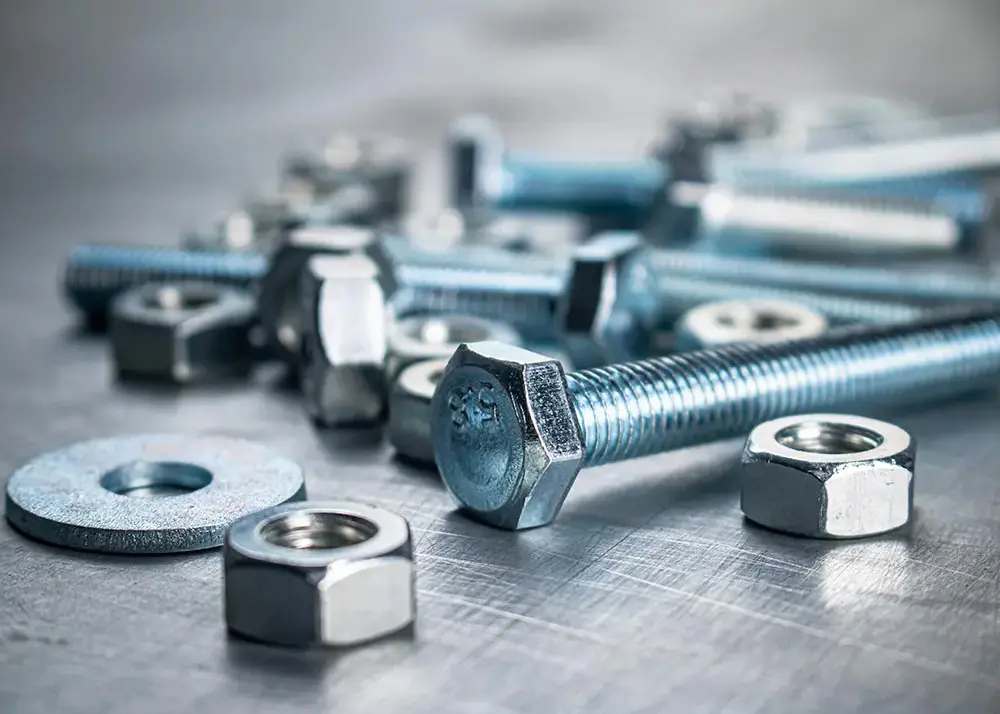
How manufacturing technology, raw material recycling, and digital supply paths support reliable operations across international industrial sectors.
 Jan 24, 2025
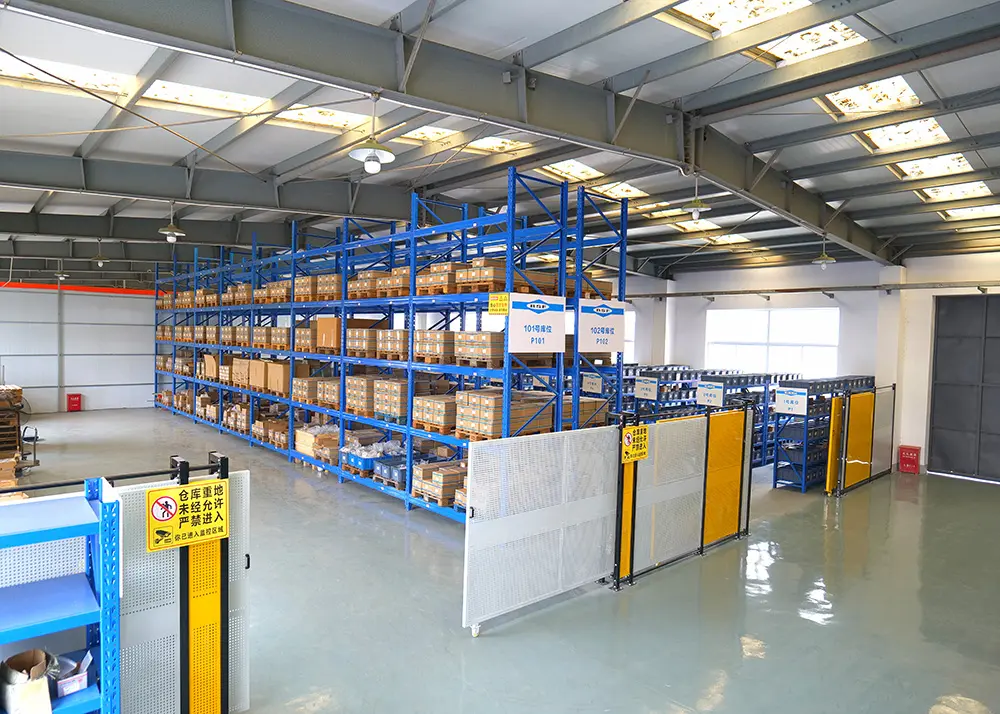
Optimized digital tracking and inventory storage workflows help reduce processing times and expedite shipments to international hubs.
 Jan 24, 2025
Tracing our expansion from a local component manufacturer to a supplier of custom high-tolerance parts and high-strength fasteners.
Our engineering team can assist you with material selection, technical drawings, DFM optimization, and project-specific pricing.
Submit your design specifications, raw material requests, and required certification standards. Our team responds within one business day.
 BSF
BSF