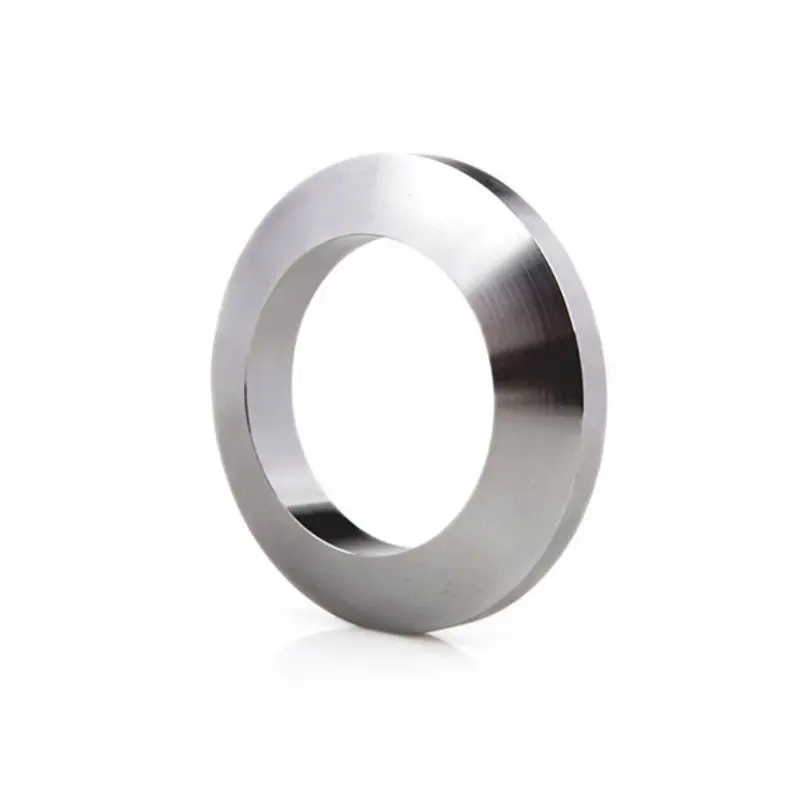
China Precision Machined Parts Factory - Ultra High Precision Suppliers for Electronics, Medical, Semiconductor & Optical Fields

,

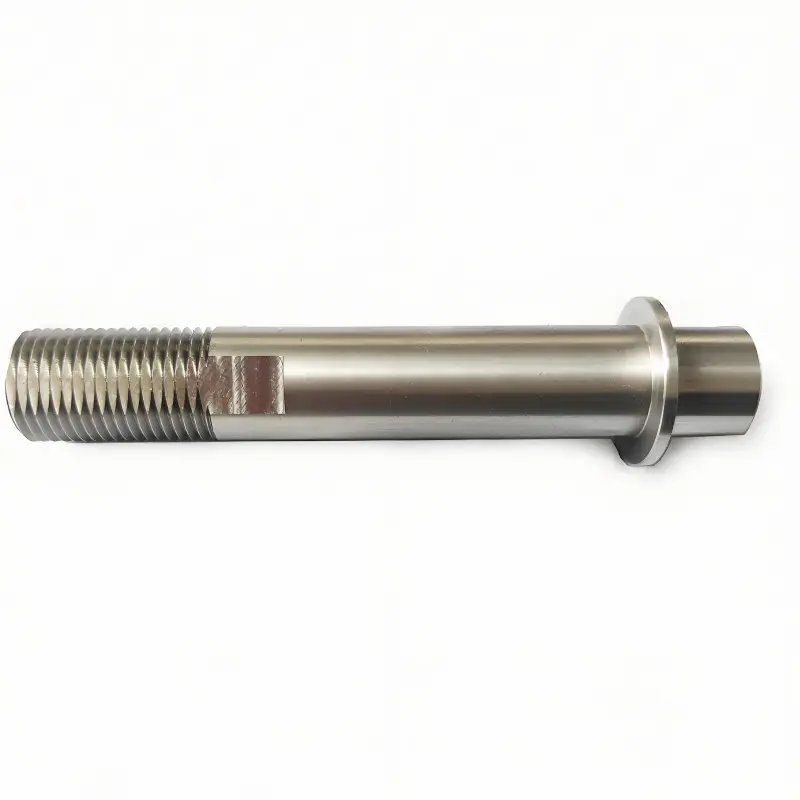
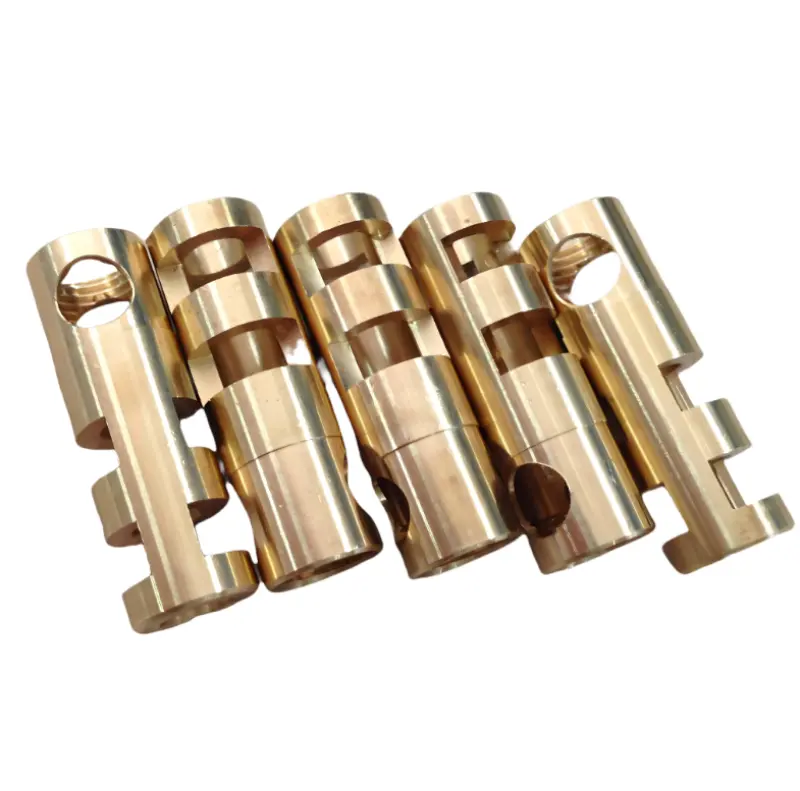
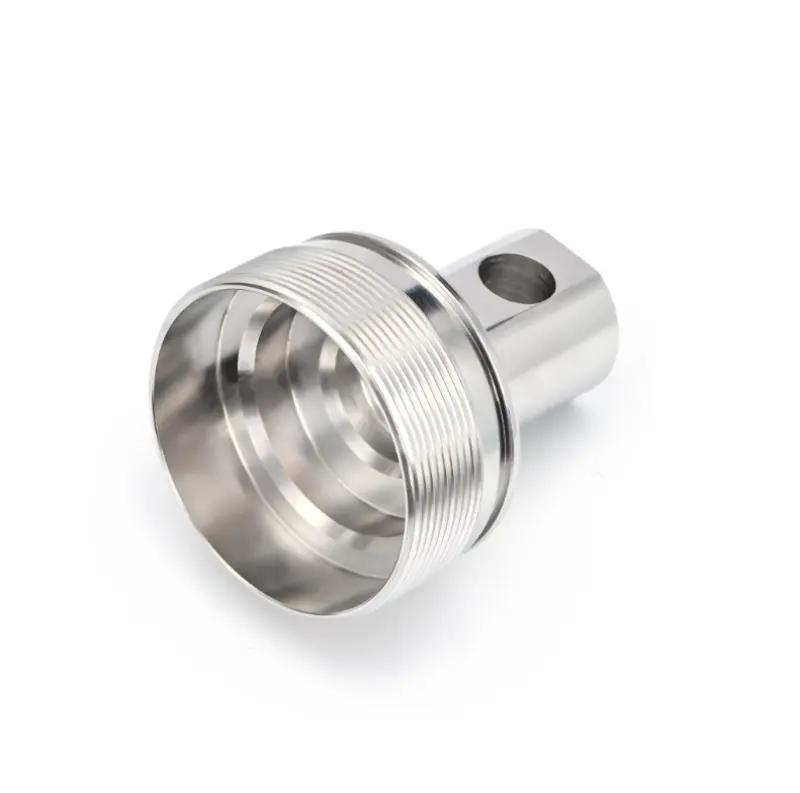
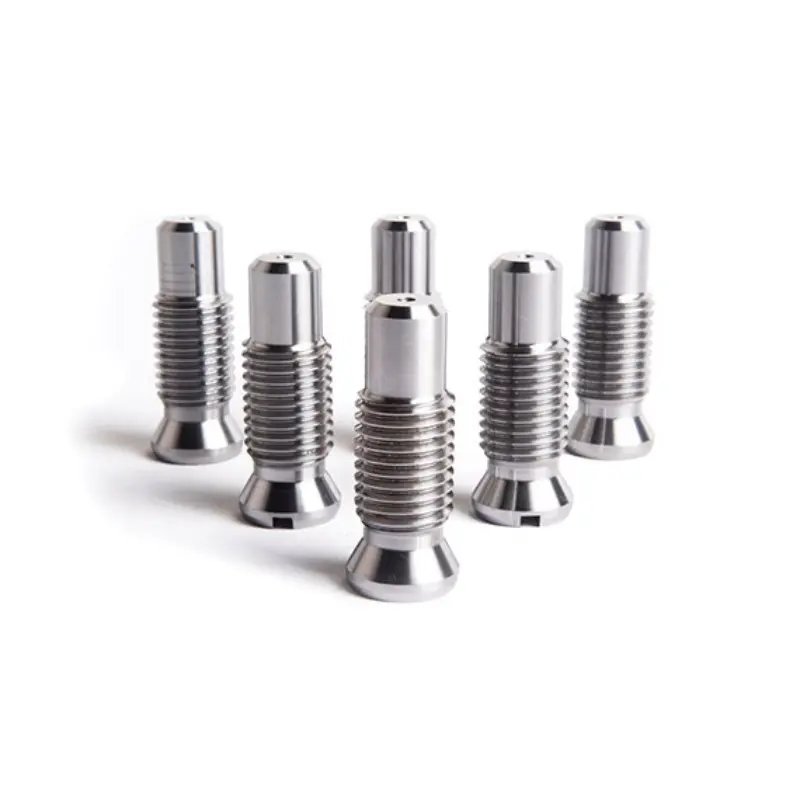
As a leading factory and suppliers in China, we utilize advanced machining centers, high-speed milling machines, CNC grinding machines, and six-axis linkage integrated processing tools to create high-precision hardware with exceptional surface quality for our clients.

,

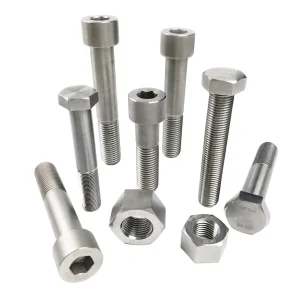
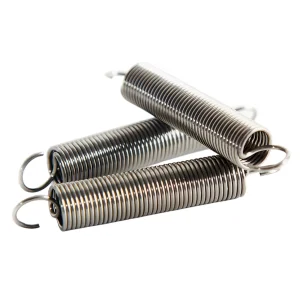
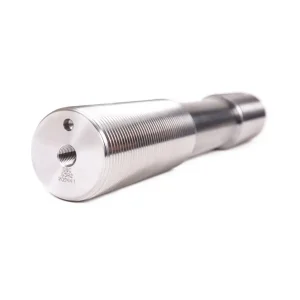
Our capabilities allow us to process metal parts with hardness levels exceeding HRC5We work with a range of materials, including stainless steel, super stainless steel, duplex stainless steel, titanium alloys, nickel base alloys, cobalt alloys, and copper-nickel alloys.

,

Our high-quality products find applications in various industries such as precision electronics, medical equipment, semiconductor manufacturing, inspection instruments, optical devices, and more. Choose our China-based factory for reliable and precise components tailored to your needs.

,

Product Description

Products Features
🎯 Ultra High Precision

By using multi-axis CNC machines (such as 5-axis machining centers), precise tolerances of ±0.005mm can be achieved. In some cases, the precision even reaches the level of 0.0025mm. A strict quality inspection system ensures that the key dimensions meet the requirements of high-end fields such as healthcare and aerospace.

🧱 Material Diversity

Support processing of various materials such as stainless steel, aluminum alloy, titanium alloy, copper and engineering plastics. The surface treatment process (such as passivation) can be selected according to the requirements to enhance performance.

⚙️ Complex Structure

By using multi-axis linkage technology, complex geometric shapes can be processed, such as those for medical devices and components of unmanned aerial vehicles.

🏭 Industry Compatibility

It is widely applied in fields such as precision instruments, automobiles, communication equipment and automated machinery.


Application Fields
Precision machined parts, with their micrometer-level precision and the ability to process complex geometries, play a crucial role in multiple high-tech fields. The core applications of these parts are as follows:
Electronic and Semiconductor Equipment
🔬 Lithography Machine Components

The silicon wafer carrier needs a flatness of ≤ 0.1 μm/100mm, and it is processed using a precision grinding method on a granite base.

📡 5G Base Station Filter

Cavity processing accuracy ±0.01mm, complex internal cavity structure is achieved through slow wire electrical discharge machining.

Medical Devices and Biotechnology Engineering
🦾 Surgical Robot Joint

Made of 316L stainless steel, precisely processed, with a mating clearance of ≤ 10 μm, ensuring smooth movement.

🦴 Implantable Device

The surface of the artificial joint needs to be mirror-polished (Ra ≤ 0.2 μm) to reduce tissue friction. The material is cobalt-chromium alloy.

Automobile and New Energy Field
Electric Drive System

The motor shaft is made of carburized steel 20CrMnTi, with gear shape accuracy reaching DIN 6 level, reducing transmission noise.

💧 Hydrogen Fuel Cell Bipolar Plate

Flow channel depth tolerance ±0.02mm, achieved through ultra-precise stamping for micrometer-level sealing.

Aerospace and Defense Industry
✈️ Aircraft Engine Components

Turbine blades and fuel nozzles need to meet geometric tolerances of ≤ 5 μm, surface roughness of Ra ≤ 0.4 μm. Complex curved surfaces are formed through five-axis CNC processing.

🚀 Missile Guidance System

The inertial navigation components (such as gyroscope mounts) need to ensure micrometer-level coaxiality through precise turning. The materials are mostly titanium alloy TC4.
Frequently Asked Questions
Q What level of precision can your CNC machined parts achieve?
Our multi-axis CNC machining centers are capable of achieving tolerances as tight as ±0.005mm, and in certain high-demand applications, precision can reach up to 0.0025mm, meeting the strict requirements of aerospace, medical, and semiconductor industries.
Q What materials can be processed for precision machined parts?
We support a wide range of materials including stainless steel (e.g., 316L), aluminum alloy, titanium alloy (e.g., TC4), copper, cobalt-chromium alloy, carburized steel (e.g., 20CrMnTi), and various engineering plastics. Surface treatments such as passivation are also available.
Q Are your precision parts suitable for medical device applications?
Yes. Our parts are used in surgical robot joints and implantable devices. For example, artificial joint surfaces can be mirror-polished to Ra ≤ 0.2 μm to minimize tissue friction, and mating clearances can be controlled to ≤ 10 μm for smooth mechanical movement.
Q Can you handle complex geometric structures for aerospace components?
Absolutely. Using five-axis CNC machining and multi-axis linkage technology, we can manufacture complex curved surface components such as turbine blades and fuel nozzles, achieving geometric tolerances of ≤ 5 μm and surface roughness of Ra ≤ 0.4 μm.
Q What industries do your precision machined parts serve?
Our precision parts are widely applied across multiple industries including electronics and semiconductors, medical devices and biotechnology, automotive and new energy (EV and hydrogen fuel cells), aerospace and defense, precision instruments, communication equipment, and industrial automation.
Q How do you ensure quality consistency for high-precision machined components?
We implement a strict quality inspection system throughout the entire production process. Key dimensions are verified using high-precision measurement equipment to ensure every component meets the required tolerances and industry standards, particularly for critical applications in healthcare and aerospace.

Related Products