Q1What materials are recommended for fasteners used in extreme high-temperature environments?
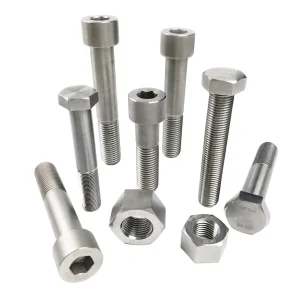
For environments exceeding 200℃, 42CrMo chromium-molybdenum alloy steel (ASTM A193 B7) is the standard choice. It maintains structural integrity up to 480℃ and delivers a tensile strength of ≥860 MPa, making it well-suited for high-demand industrial and marine applications requiring consistent performance under sustained thermal stress.
Q2How do wedge-shaped lock washers prevent loosening under vibration?
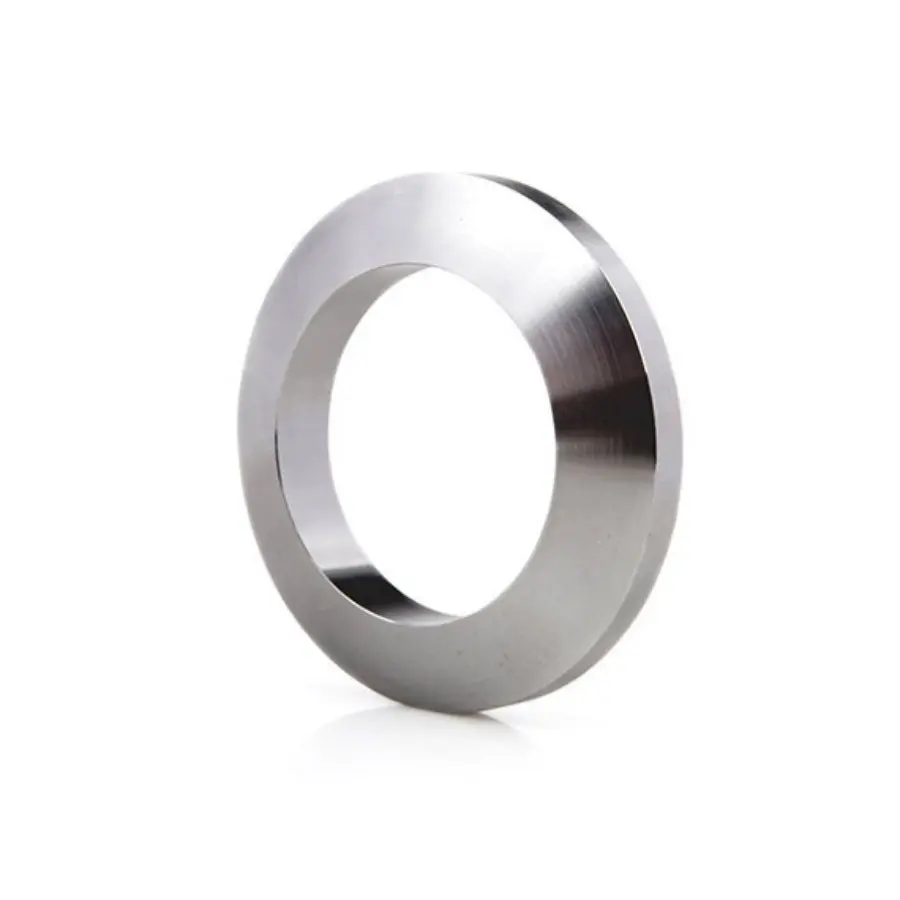
Systems such as Nord-Lock use a geometry where the cam slope angle exceeds the thread rise angle. When tightened, the radial fine teeth bite into the mating surface, forming micro-indentations. Any tendency of the fastener to rotate under vibration actually increases clamping force rather than releasing it — a principle validated by creep vibration testing for applications like wind turbine towers and ship decks.
Q3Which classification societies certify shipbuilding fasteners, and what do the certifications cover?
The leading bodies are DNV (Det Norske Veritas), ABS (American Bureau of Shipping), and LR (Lloyd's Register). Their certifications cover mechanical strength, corrosion resistance (e.g., ISO 3506-3 salt spray ≥ 720 hours), material traceability, and dimensional tolerances — ensuring fasteners are fit for the demanding conditions of ships, offshore platforms, and marine infrastructure.
Q4What fastener material is required for LNG storage tanks operating at cryogenic temperatures?
Nickel-based alloys, in particular Inconel 718, are specified for LNG flange bolt applications. These alloys retain excellent toughness, tensile strength, and dimensional stability at temperatures as low as -196℃, preventing brittle fracture, leakage, and sealing failure in liquefied natural gas containment systems.
Q5What standard and mechanical specifications apply to offshore wind turbine foundation ring bolts?
Foundation ring bolts must conform to ISO 4014 tolerance grade, covering bolt sizes from M24 to M64. A minimum shear strength of ≥ 600 MPa is required to handle the cyclic and dynamic loads generated by turbine operation. Corrosion protection is also critical given the continuous salt spray exposure in offshore environments.
Q6Why is duplex stainless steel 2205 the preferred material for dock mooring locking nuts?
Duplex stainless steel 2205 combines high strength with outstanding resistance to chloride-induced corrosion and stress corrosion cracking — the primary failure modes in marine mooring environments. Its self-locking design ensures a torque attenuation rate of ≤ 5%, maintaining reliable clamping force over the long service life expected in dock and port infrastructure.
 BSF
BSF