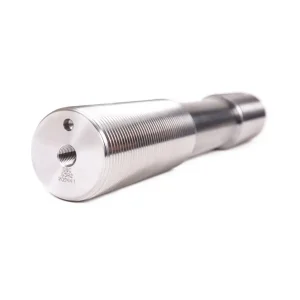
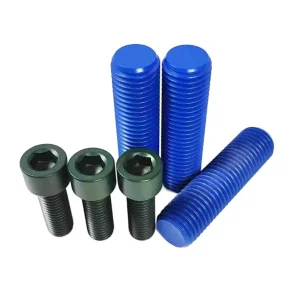
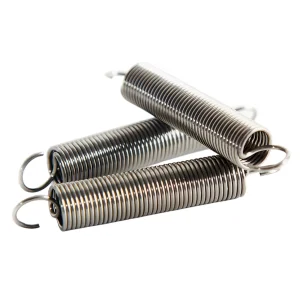
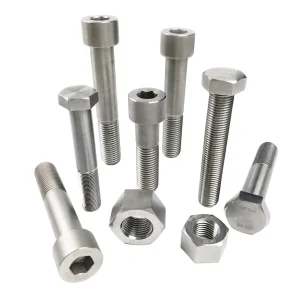
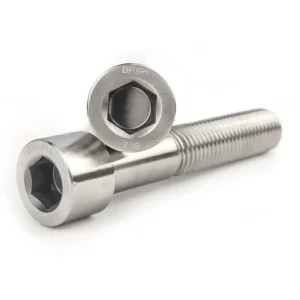
In the demanding realm of heavy industrial infrastructure, marine engineering, and aerospace fabrication, mechanical joining systems must meet uncompromising benchmarks of safety, mechanical integrity, and durability. The 5/8" (five-eighths inch) nominal diameter stainless steel bolt stands as a pivotal standard specification globally. It serves as a structural backbone in high-vibration, high-load, and severely corrosive marine and petrochemical installations. Designed to balance tensile capability with optimized weight constraints, 5/8" fasteners engineered in China by industry leaders such as Beiersdorf Industrial Technology incorporate state-of-the-art metallurgical refinement processes. These processes ensure compliance with international ASTM, ASME, DIN, and ISO protocols.
This comprehensive technical white paper examines the critical physical properties, supply chain dynamics, and regulatory compliance standards that shape the production and deployment of stainless steel fasteners. By reviewing advanced austenitic alloys, duplex variations, and specialized superalloy configurations, industrial procurement officers and chief design engineers can gain crucial insights to optimize their global supply chains.
Established in 2015 in the major commercial hub of Shanghai, China, Beiersdorf Industrial Technology (Shanghai) Co., Ltd. has grown to become a global leader in high-performance special fasteners and ultra-high-precision machined components. Spanning a modern 2535 m² production base, we specialize in high-end metallurgy designed to address extreme environment criteria.
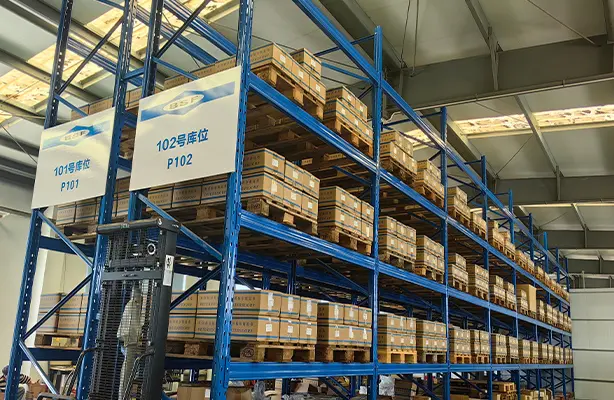
Our technology portfolio includes more than 100 utility model patented products and eight pioneering invention patents. By maintaining a continuous stock of 500 tons of specialized raw materials and over 10,000 tons of ready-to-ship finished stainless steel standard parts, Beiersdorf guarantees structural integrity, zero-defect quality control, and rapid global distribution.
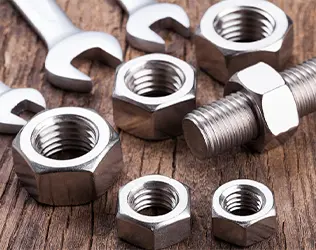

We have formulated the most stringent sampling inspection system, utilizing digital spectral instrumentation and non-destructive hash detection testing to achieve zero defects for all products leaving our Shanghai factory floor.
Our engineering team has developed and patented over 100 utility model innovations and eight invention patents, continuously pushing boundaries in tensile load, alloy formulation, and thread geometry optimization.
By stocking 500 tons of advanced raw alloys and 10,000 tons of finished standard parts, we avoid global lead-time volatility. This ensures your projects receive 5/8" stainless steel bolts precisely when needed.
Choosing the right grade of stainless steel is critical to prevent galvanic corrosion, stress corrosion cracking (SCC), and hydrogen embrittlement. Below is an overview of the typical alloys used for 5/8" heavy-duty bolts:
Grade 304 (A2) provides excellent corrosion resistance under normal atmospheric conditions. However, for marine or chemical environments containing chlorides, Grade 316 (A4) is specified. Grade 316 contains 2-3% Molybdenum, which increases resistance to pitting and crevice corrosion. With cold-working, our 316 fasteners achieve a tensile strength class of 80 (800 MPa), ensuring robust structural load-bearing performance.
Duplex stainless steels feature a dual-phase microstructure consisting of equal parts austenite and ferrite. This structure yields nearly twice the yield strength of standard austenitic grades, combined with high resistance to chloride stress corrosion cracking. A 5/8" Duplex 2205 bolt is ideal for marine engineering, offshore drilling risers, and heavy chemical processing pumps.
For extreme engineering applications, standard stainless steel grades may fall short. Beiersdorf supplies customized solutions utilizing superalloys:
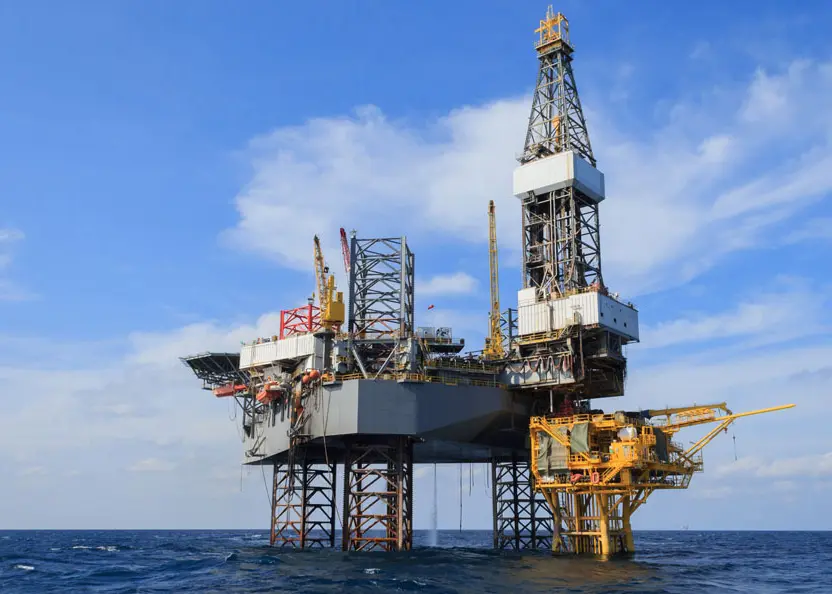
Our specialty fasteners are widely deployed in the shipbuilding and oceanography engineering industries. Key applications include the manufacture of specialized vessels, marine propulsion systems, marine accessories, yachts, offshore oil drilling platforms, submarine pipelines, offshore wind turbines, submarine lifeboats, port machinery, and dock constructions.
These environments require materials that can resist persistent moisture, high pressures, and chemical deterioration. Our product line features heavy-duty fasteners certified by international classification societies, using materials such as A4-80, A5-80, D8-80, D6-70, 2205 Duplex steel, ASTM A320 L7 (for low-temperature service), 40CrNiMoA, Inconel 718, and EN 14399 structural connection sets.
The global demand for 5/8" stainless steel bolts has expanded beyond traditional construction into specialized industrial sectors. Procurement teams face a range of challenges, including raw material price volatility (specifically nickel and molybdenum), environmental compliance rules, and geographic delivery times.
Despite the global transition to the metric system, the imperial 5/8" bolt remains a standard specification in North American oil refineries, gas processing plants, and water treatment infrastructures. Procurement must secure long-term contracts that guarantee compliance with ASTM and ASME standards.
European buyers prioritize material traceability, circular manufacturing processes, and EN 14399 compliance for structural assemblies. Beiersdorf provides complete mill test certificates (MTCs) to EN 10204 3.1 standards, ensuring hassle-free imports and regulatory compliance.
Rapid urbanization, expanding offshore wind networks, and new high-speed rail lines in the APAC region demand durable fasteners with long lifespans. Beiersdorf leverages its proximity to the Shanghai shipping port to deliver high-volume orders efficiently.
The mechanical fastening industry is undergoing a digital and metallurgical evolution. To maintain a competitive edge, Beiersdorf is actively developing technologies across three core areas:
We are investing in cleaner melting processes and collaborating with premium alloy mills to reduce the carbon footprint of our stainless steel and nickel-alloy products. By refining internal grain structures, we aim to increase the tensile strength limit of our standard 5/8" stainless steel bolts beyond the current 1900 MPa benchmark.
Modern infrastructure relies on real-time stress and tension monitoring. Our R&D team is developing smart bolts with embedded micro-strain gauges. These sensors transmit tension data wirelessly, alerting maintenance crews to torque loss or structural overload before mechanical failure occurs.
The key difference lies in chemical composition. Grade 304 contains 18% chromium and 8% nickel, providing standard rust resistance. Grade 316 contains 16% chromium, 10% nickel, and 2% to 3% molybdenum. The addition of molybdenum significantly increases resistance to chloride pitting, crevice corrosion, and acidic conditions. For marine engineering, offshore drilling, and high-salinity coastal infrastructure, Grade 316 is the standard choice.
Standard carbon steels undergo a ductile-to-brittle transition at sub-zero temperatures, leading to sudden failures. Cryogenic fasteners manufactured from specialized austenitic stainless steels or nickel-based alloys retain a face-centered cubic (FCC) crystal structure. This structure prevents low-temperature embrittlement, maintaining excellent impact toughness and tensile integrity down to liquid helium temperatures (-270℃).
Marine and ocean engineering fasteners must be certified by classification societies such as the China Classification Society (CCS), DNV, ABS, or Bureau Veritas (BV). These certifications verify that the fasteners have undergone rigorous testing, including Charpy V-notch impact tests, proof load tests, non-destructive ultrasonic testing, and chemical composition analysis, to ensure they can withstand offshore environmental stresses.
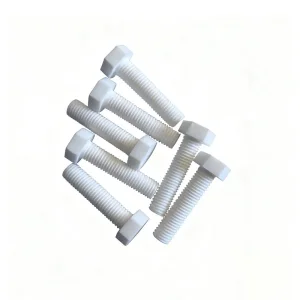
High-performance engineering plastic fasteners (such as PEEK, PVDF, or Nylon) are specified for applications requiring light weight, electromagnetic transparency, and resistance to strong acids or bases that attack stainless steel. They are ideal for electronic communication hubs, battery compartments, and chemical laboratory equipment where mechanical loads are secondary to weight and electrical isolation.
By maintaining a dedicated stock of 500 tons of raw alloy materials (including Inconel, Monel, Duplex, and cobalt alloys), Beiersdorf can shorten production lead times from several months to 2-4 weeks. This includes precision machining, heat treatment, thread rolling, and final quality inspections.
Beiersdorf is more than a supplier of special fasteners. We offer technical consulting and guidance, including product and raw material selection during the design phase, as well as installation and maintenance support for long-term operations.
Have Any Questions? Call Us Free: +86(0)21-38022886
Receive a response within 24 hours from our technical sales team.
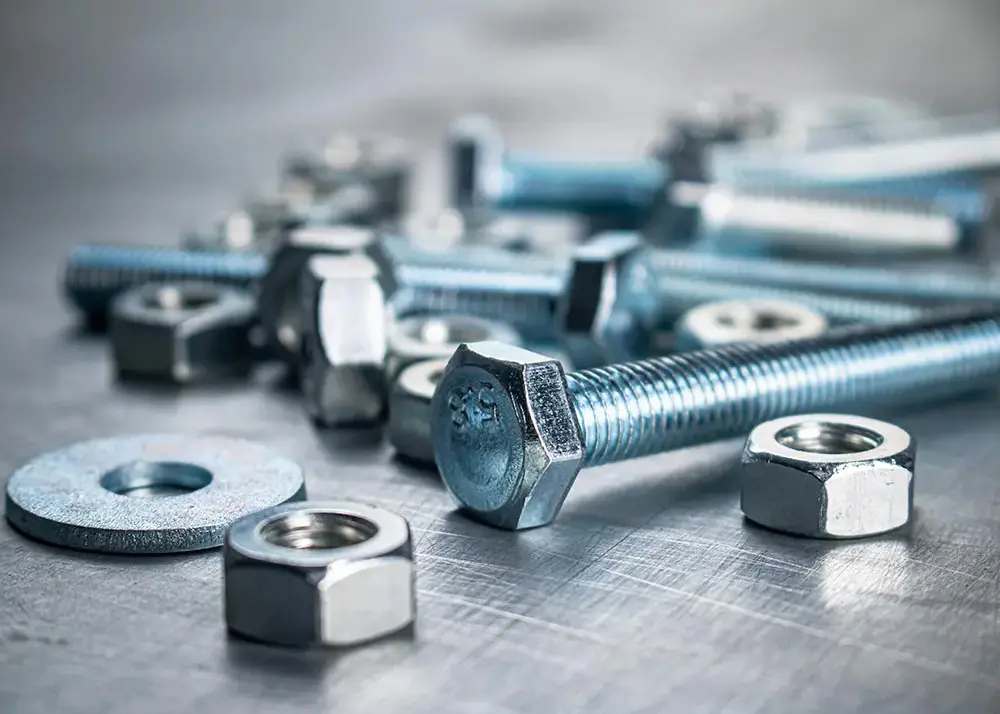
In the heart of the global industrial landscape, the fastener industry stands as a crucial cog driving machinery progress. Discover how smart manufacturing, green logistics, and advanced alloy composition are transforming global projects in 2025.
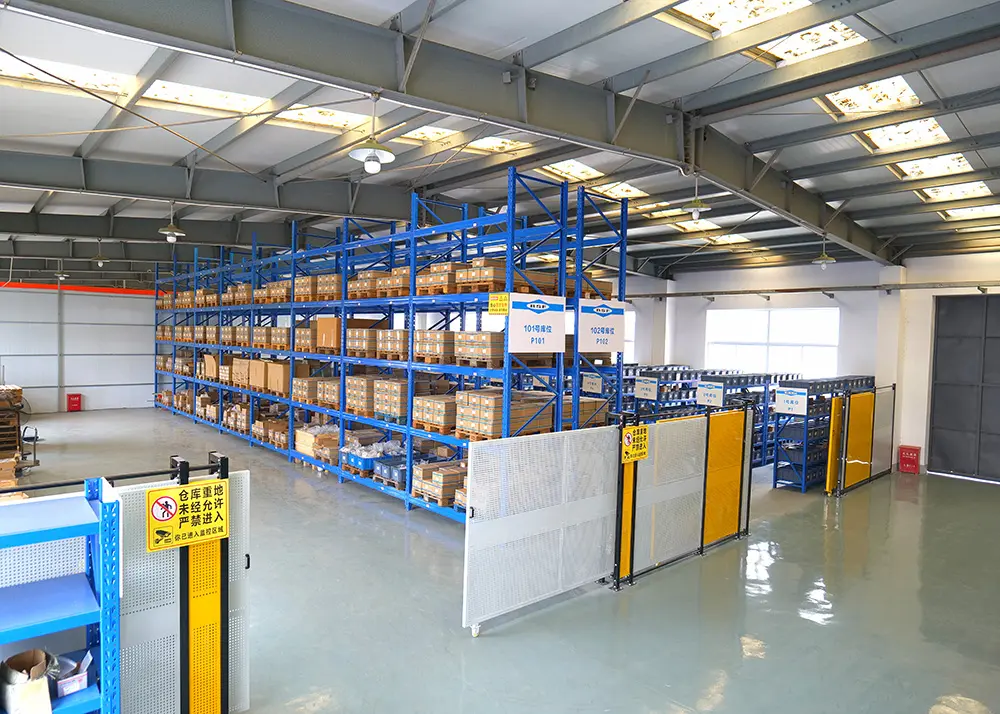
To keep pace with growing demand, Beiersdorf has initiated a major warehouse upgrade. This renovation integrates smart inventory tracking, reducing packaging times and speeding up overseas distribution.
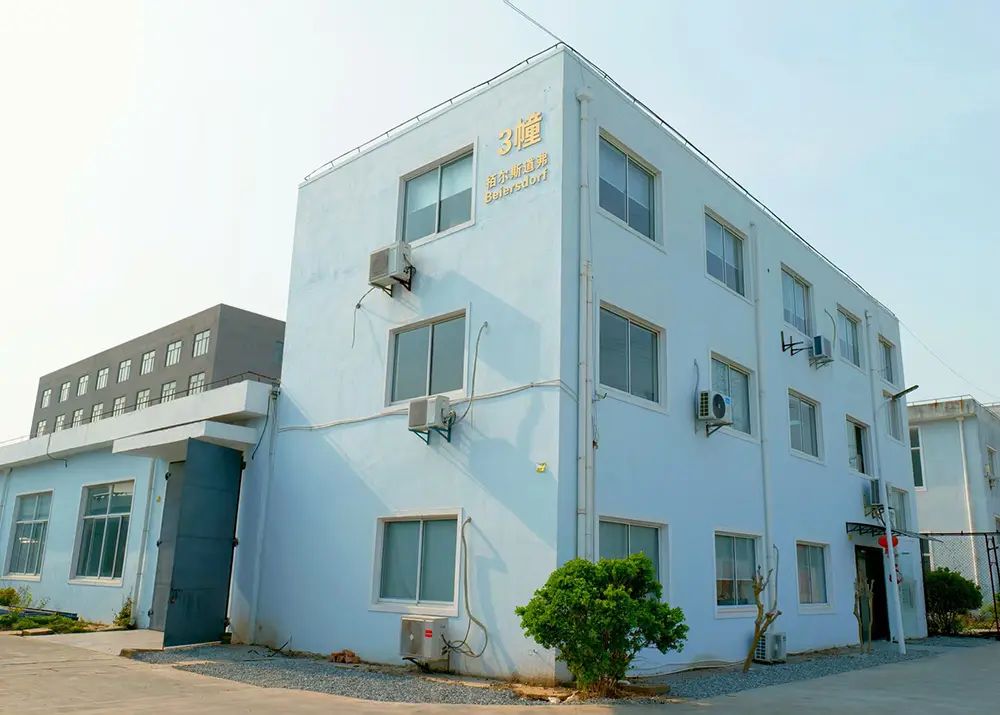
Beiersdorf was founded in 2015 with a vision to provide specialized fastener solutions worldwide. Learn about our path to securing ISO 9001 and classification society approvals.


 BSF
BSF