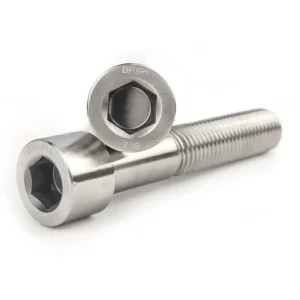
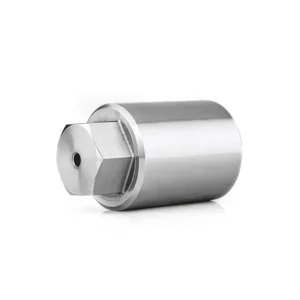
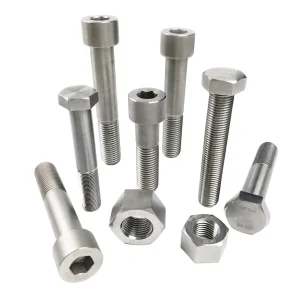
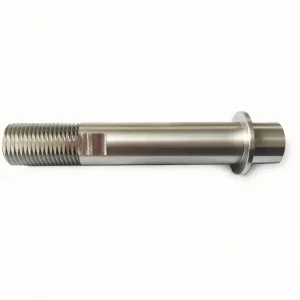
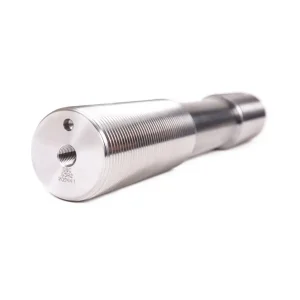
In high-precision assembly lines, automated manufacturing frameworks, and harsh engineering environments, fastening components play an essential structural role. The #10 self-tapping screw, characterized by its nominal diameter of 0.190 inches (4.83 mm), acts as a critical link in modern mechanical assemblies. When these components are customized to specific thread shapes, material matrices, and coating compositions, they transcend standard off-the-shelf fasteners. Instead, they become specialized solutions designed to prevent fatigue failure, stress corrosion cracking, and structural shear.
This technical white paper explores the industrial context of custom #10 self-tapping screws. It details material properties, design requirements, structural analysis, and supply chain logistics for engineering professionals and procurement teams globally. As a specialized engineering firm, Beiersdorf Industrial Technology (Shanghai) Co., Ltd. (founded in 2015) provides high-strength fasteners, custom precision machined components, and metallurgical solutions that meet demanding industrial standards.
Global procurement teams prioritize structural reliability and chemical compatibility. Customizing #10 self-tapping screws with specialized drive systems, thread configurations, and materials reduces assembly steps and lowers total production costs.
We work with special materials including high-strength alloys (up to 1900 MPa tensile strength), Inconel, Monel, Titanium, and Nickel-Cobalt superalloys to ensure performance in demanding environments.
Products are supported by classification society certifications for marine applications, rigorous sampling inspections, and full traceability to guarantee compliance and structural integrity.
Choosing the correct alloy is key to preventing galvanic corrosion, high-temperature degradation, and low-temperature brittleness. Standard carbon steel self-tapping screws are often inadequate for specialized marine, chemical, or aerospace applications. The table below outlines our performance parameters for custom fastener configurations:
We supply raw materials and finished parts engineered for specific environments:

Different industries require specific design details, drive styles, and thread pitches. Below is an overview of how our custom fasteners are applied across primary sectors:
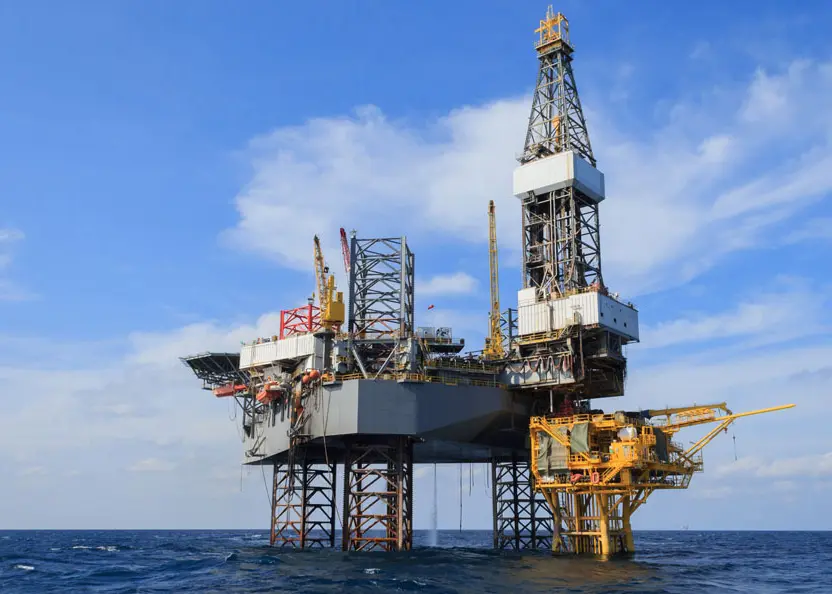
Marine structures operate in highly corrosive saltwater environments. Our fasteners are certified by classification societies to ensure safety and durability on offshore platforms, shipbuilding applications, and submarine pipelines.
Key alloys like 2205 Duplex Stainless Steel, A4-80, and L7 bolts provide high tensile strength and resistance to pitting and crevice corrosion under constant mechanical stress.
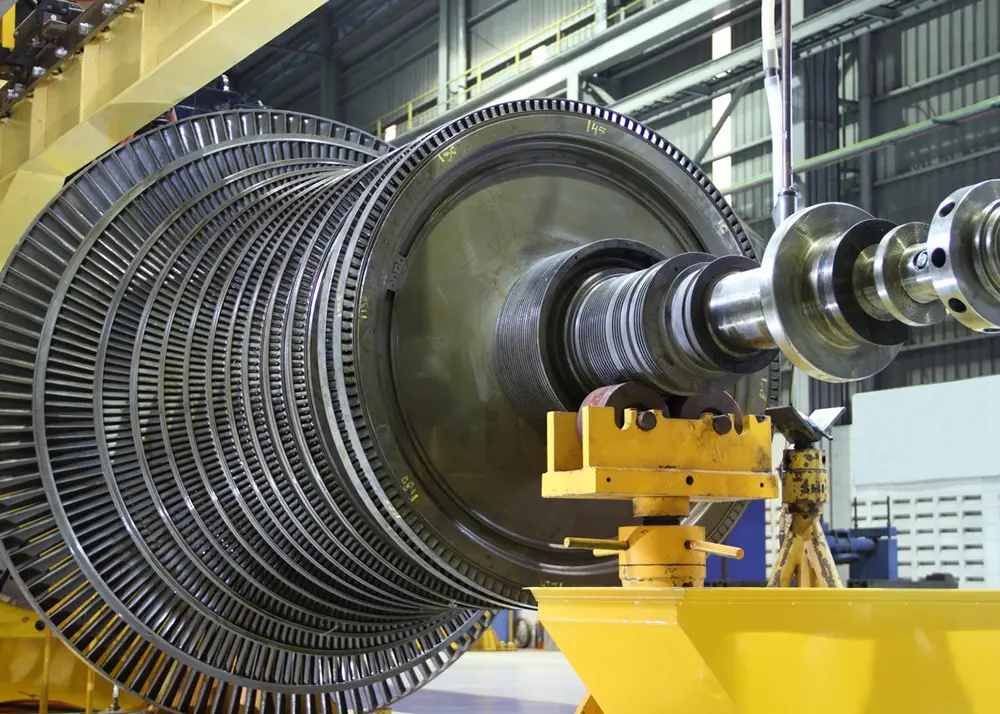
Wind turbines, nuclear reactors, and high-pressure steam systems experience extreme vibrations and thermal cycles. Fasteners in these installations require high fatigue strength and pre-load retention.
We manufacture custom bolts using Inconel 718 and super alloys that maintain mechanical stability under high pressure and cyclic loads.

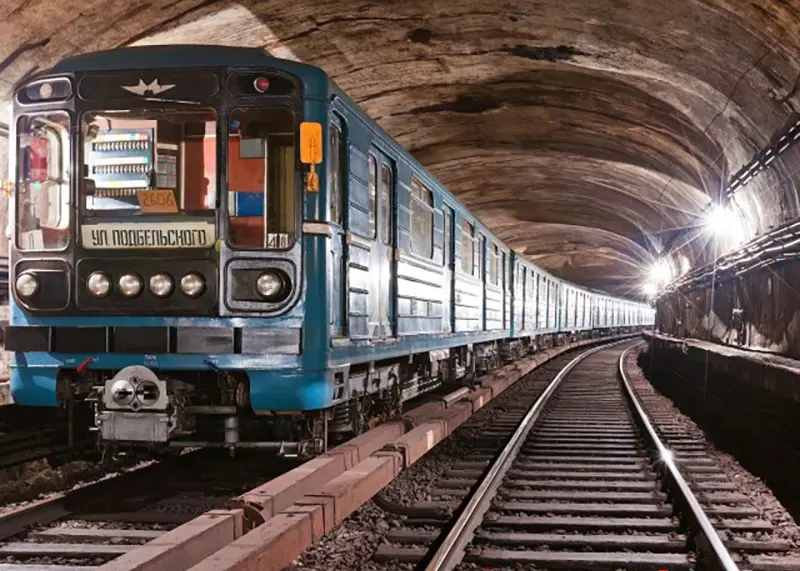
High-speed passenger rail and heavy freight trains require durable connections for bogies, braking systems, and track interfaces. Vibration resistance is a key design criterion for these safety-critical systems.
Custom thread profiles and locking mechanisms prevent fasteners from backing out under heavy mechanical vibration.
Modern telecommunication towers, satellites, and radar installations require lightweight, non-magnetic, and highly precise fastening systems. Any magnetic interference can disrupt signal paths and sensor data.
We offer non-magnetic fasteners, titanium components, and specialized plastic fasteners to meet the electromagnetic compatibility (EMC) requirements of advanced electronics.

Refineries process corrosive materials at high temperatures and pressures. Piping systems, distillation towers, and heat exchangers require bolting materials that resist stress corrosion cracking and hydrogen embrittlement.
Our petrochemical fasteners are manufactured from alloy steels and nickel bases that meet strict ASTM, ASME, and API standards.

We use rigorous testing protocols and inspection systems to verify dimensions, mechanical properties, and surface finishes before shipment. Our quality control processes aim to ensure consistent production quality.

Our research and development team holds over 100 utility model patents and 8 invention patents. We continue to develop new manufacturing techniques, thread designs, and specialized coatings for industrial applications.

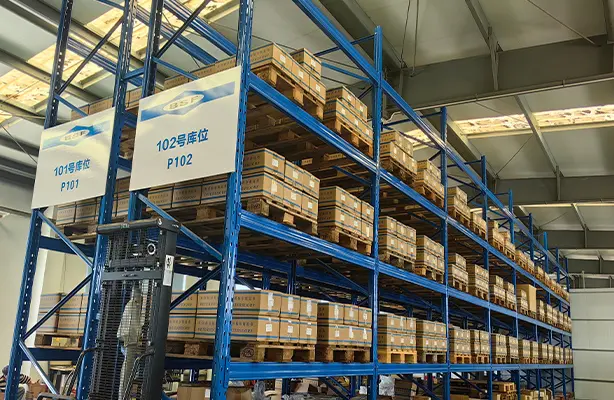
We manage approximately 100,000 product models. Our inventory includes 500 tons of specialized raw materials and 10,000 tons of finished stainless steel standard parts, allowing us to support both large-scale production and quick-turn custom projects.
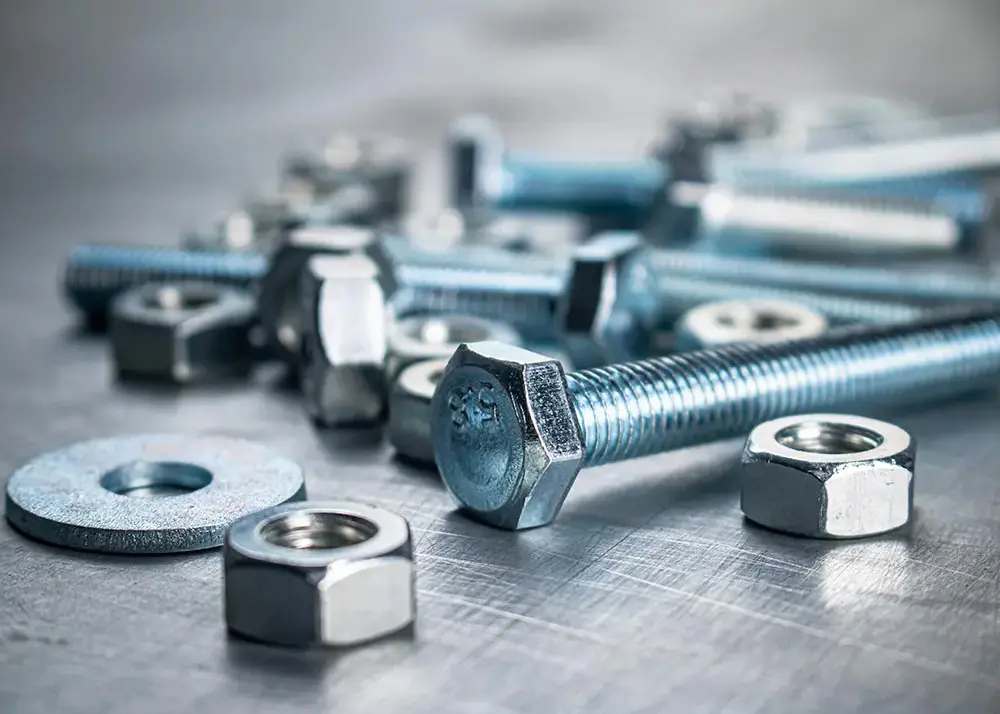
A self-tapping screw creates its own mating thread during installation. For a #10 self-tapping screw (nominal diameter of 0.190" or 4.83 mm), the mechanics of thread forming depend on the relative hardness of the screw material compared to the receiving substrate. The installation torque must be carefully balanced to prevent stripping or thread failure:
T_install < T_operating < T_torsional_shear
Where T_install represents the torque required to form or cut the mating thread, T_operating is the applied seating torque, and T_torsional_shear is the mechanical limit where the screw shank twists off. To achieve the correct performance window, we control several design parameters:
Industrial procurement relies on consistent manufacturing quality, material traceability, and regulatory compliance. We manufacture custom fasteners to meet international standards including ISO, DIN, ANSI, ASME, and ASTM. This ensures our components fit seamlessly into global supply chains.
Our quality system maintains traceability from raw wire drawing through to cold heading, thread rolling, heat treatment, plating, and final packaging. In marine applications, our classification society certifications provide third-party validation that the materials, manufacturing processes, and mechanical testing comply with international maritime safety rules.
Beiersdorf provides technical consultation and guidance for fastener selection, material specification, installation, and long-term maintenance.

Submit your specifications below for a technical review and quote.
In the heart of the global industrial landscape, the fastener industry stands as a silent but crucial cog driving the machinery of progress. As we step into 2025, the future of fasteners is poised...
Read More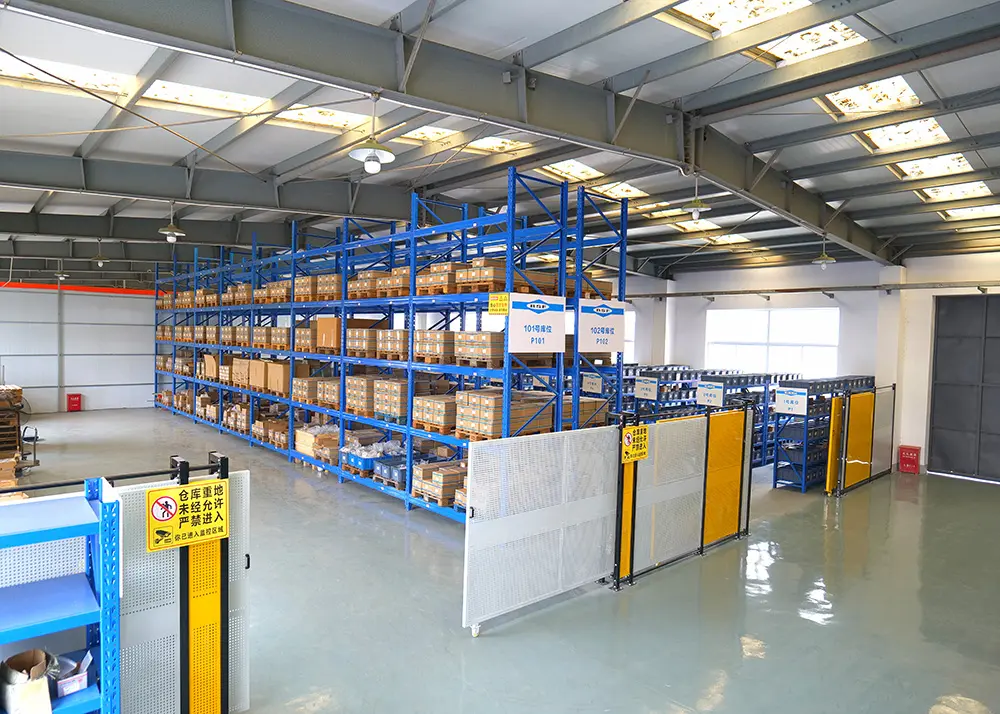
Beiersdorf, a leading global fasteners supply company, has announced the commencement of a comprehensive warehouse renovation project. This initiative is part of the company's ongoing commitment...
Read More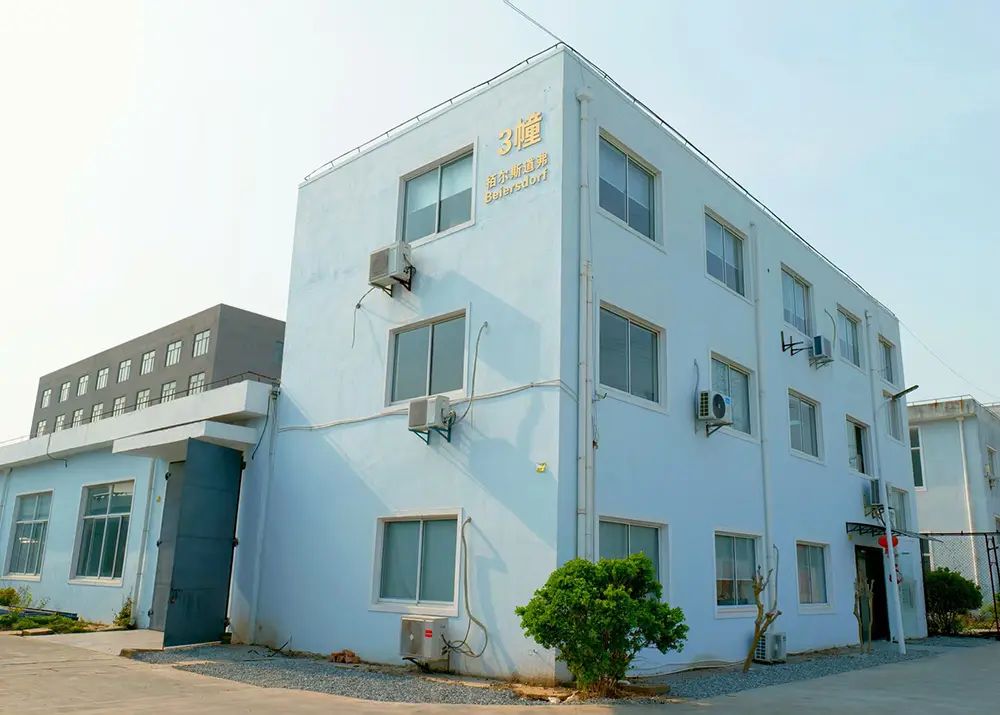
Beiersdorf (Shanghai) was founded in 2015. We are a company with a global perspective dedicated to providing professional fastener solutions. Fasteners, as the most basic and common mechanical parts...
Read More
 BSF
BSF