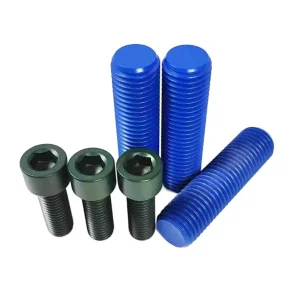
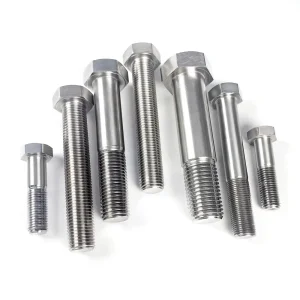
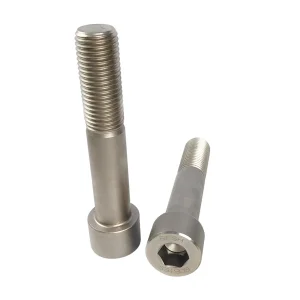
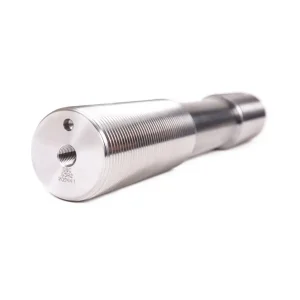
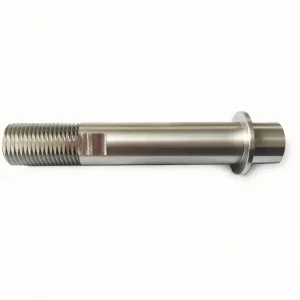
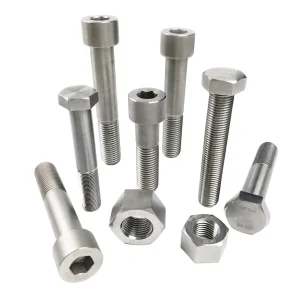
In modern electrical engineering, the integrity of battery terminal connections is paramount. High-current applications, such as Electric Vehicle (EV) battery packs, grid-scale Battery Energy Storage Systems (BESS), and critical telecommunications backup systems, demand electrical connections that exhibit near-zero contact resistance. Custom battery terminal bolts and nuts serve as the mechanical backbone ensuring these low-resistance pathways remain stable under extreme thermal, mechanical, and chemical stresses.
"A loose connection is not merely a mechanical failure; it is an electrical hazard. In high-voltage systems, a micro-ohm increase in contact resistance can lead to localized thermal runaway, catastrophic system failure, and severe safety risks."
When two conductors are pressed together, electrical current does not flow uniformly across the entire apparent surface area. Instead, current is constricted through microscopic contact spots, known as "a-spots." The total contact resistance ($R_c$) is determined by the formula:
R_c = (\rho / 2) * \sqrt{\pi * H / F}
Where $\rho$ represents the electrical resistivity of the material, $H$ is the material hardness, and $F$ is the contact force applied by the fastener. This relationship demonstrates that the contact force, directly generated by the torque-tension relationship of the battery terminal bolt and nut, is the primary controllable factor in minimizing electrical resistance. Our custom-engineered fasteners are designed to maintain precise clamping force over decades of operational service.
Battery terminals are frequently composed of copper, aluminum, or lead alloys, while structural fasteners are typically made from stainless steel, carbon steel, or brass. When dissimilar metals come into contact in the presence of an electrolyte (such as atmospheric moisture or leaked battery acid), galvanic corrosion occurs. This electrochemical process degrades the contact interface, increasing resistance and leading to joint failure.
To mitigate this risk, Beiersdorf utilizes advanced material science and surface engineering:
In automotive EV battery modules, fasteners experience severe vibration, thermal cycling, and high-current discharge. Our custom T-bolts and lock nuts feature anti-rotation designs and high-tensile strength to maintain constant contact pressure, preventing thermal runaway in high-density lithium-ion packs.
Stationary battery storage installations require reliable connections designed for a 20+ year operational lifespan. Beiersdorf supplies corrosion-resistant, tin-plated brass and stainless steel fasteners that withstand outdoor environmental conditions while ensuring minimal power loss across thousands of battery cells.
Operating in highly corrosive marine environments requires specialized, certified fasteners. Our CCS (China Classification Society) certified fasteners, made from duplex stainless steel (2205) and super alloys, deliver exceptional resistance to chloride stress corrosion cracking in maritime propulsion and offshore platforms.
As the global energy transition accelerates, battery technologies are evolving rapidly. Solid-state batteries, higher C-rate charging systems, and ultra-high-voltage architectures (800V to 1200V+) are placing unprecedented demands on terminal connection points. Beiersdorf is actively developing the next generation of fastening solutions to meet these challenges:
We are researching "smart bolts" embedded with micro-strain gauges and temperature sensors. These fasteners will transmit real-time clamping force and temperature data to the Battery Management System (BMS), allowing predictive maintenance and early detection of loose connections before failure occurs.
Future terminal bolts will utilize graphene-enhanced copper and silver coatings. These advanced surface treatments reduce contact resistance by up to 40% compared to standard tin plating, enabling faster charging times and reduced heat generation in high-power applications.
In alignment with global sustainability goals, our R&D team is optimizing manufacturing processes to utilize recycled high-purity alloys and lead-free brass, reducing the carbon footprint of our products without compromising mechanical or electrical performance.
Based in the global manufacturing hub of Shanghai, Beiersdorf Industrial Technology leverages China's unmatched industrial ecosystem to deliver superior supply chain resilience, cost efficiency, and technical agility. Our 2535 M² production base is strategically positioned to source premium raw materials and access world-class logistics infrastructure.
Our vertical integration—from raw material processing and precision cold-heading to advanced surface treatment and rigorous testing—ensures complete control over the production timeline. This allows us to offer significantly shorter lead times than Western competitors, coupled with the flexibility to handle high-mix, low-volume custom orders.
Furthermore, our "Hash Detection" system represents the pinnacle of quality control. Every batch of custom battery terminal bolts and nuts undergoes strict non-destructive testing, dimensional verification, and electrical conductivity testing to guarantee zero defects before leaving our factory.
The global demand for high-quality battery terminal fasteners is experiencing exponential growth, driven by the electrification of transportation and the integration of renewable energy into grid systems. From North America to Europe and the Asia-Pacific region, industrial operators are recognizing that the reliability of multi-million dollar energy assets depends on the quality of their smallest components.
Beiersdorf's market distribution spans major industrial hubs worldwide. Our products are trusted by leading battery manufacturers, automotive OEMs, and marine engineering firms. By maintaining a robust global distribution network and offering comprehensive technical support, we ensure our clients receive the right fastening solutions, fully compliant with local engineering standards and environmental regulations.

We provide comprehensive documentation packages, including material test reports (MTRs), plating thickness certifications, and torque-tension test data. Our engineering team offers direct technical consultation, assisting with material selection, joint design optimization, and installation guidance to ensure seamless integration into your local production lines.
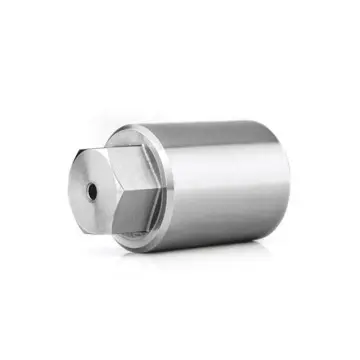
Specifically engineered for applications sensitive to electromagnetic interference, ensuring stable performance in high-frequency environments.
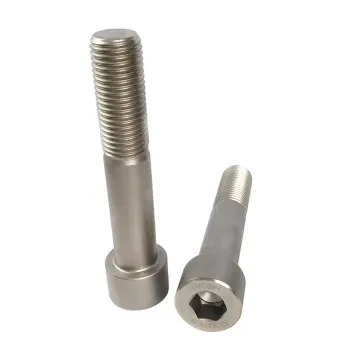
Includes super stainless steel, titanium, and nickel alloys designed for extreme chemical and thermal resistance.
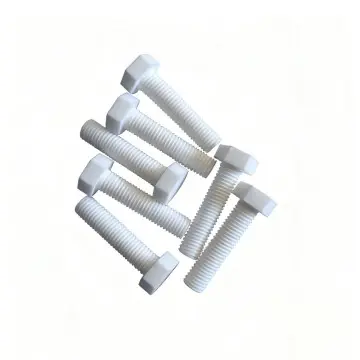
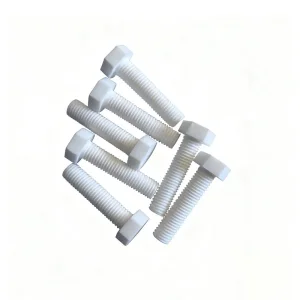
Lightweight, non-conductive, and highly corrosion-resistant fastening solutions for specialized electrical assemblies.
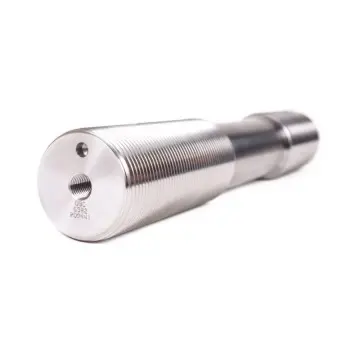
Fully certified marine-grade fasteners designed to meet the rigorous safety standards of international shipping registries.
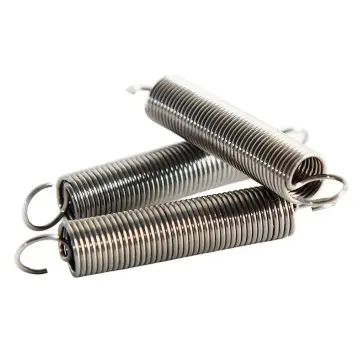
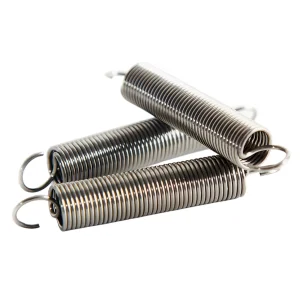
High tensile strength special raw materials engineered for precision spring manufacturing and dynamic loading applications.
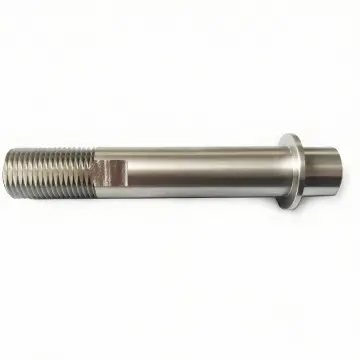
Ultra-high precision components utilized in medical devices, semiconductor equipment, and advanced electronics.
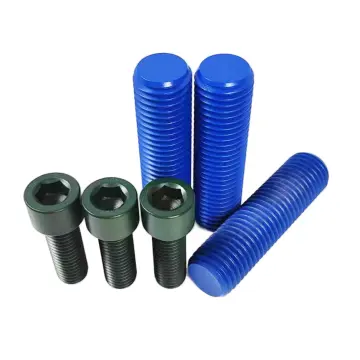
Engineered to maintain structural integrity and impact toughness in cryogenic environments down to -270℃.
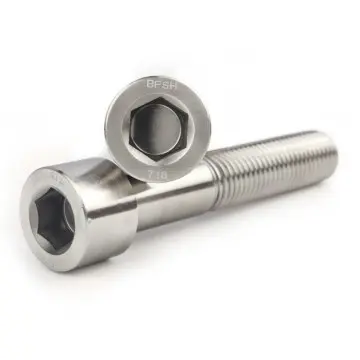
Designed to maintain clamp load and resist creep deformation in extreme thermal environments up to 1200℃.
Our special fasteners are widely used in the field of shipbuilding and oceanography engineering, specifically in the manufacture of special ships, marine propulsion, marine accessories, yacht manufacturing, offshore oil drilling platforms, submarine pipelines, offshore wind power, underwater lifeboats, port machinery, dock construction, etc.
These special fasteners mainly include A4-80, A5-80, D8-80, D6-70, 2205, L7, 40CrNiMoA, 718, EN14399 steel structure connection pairs, and classification society certified fasteners.

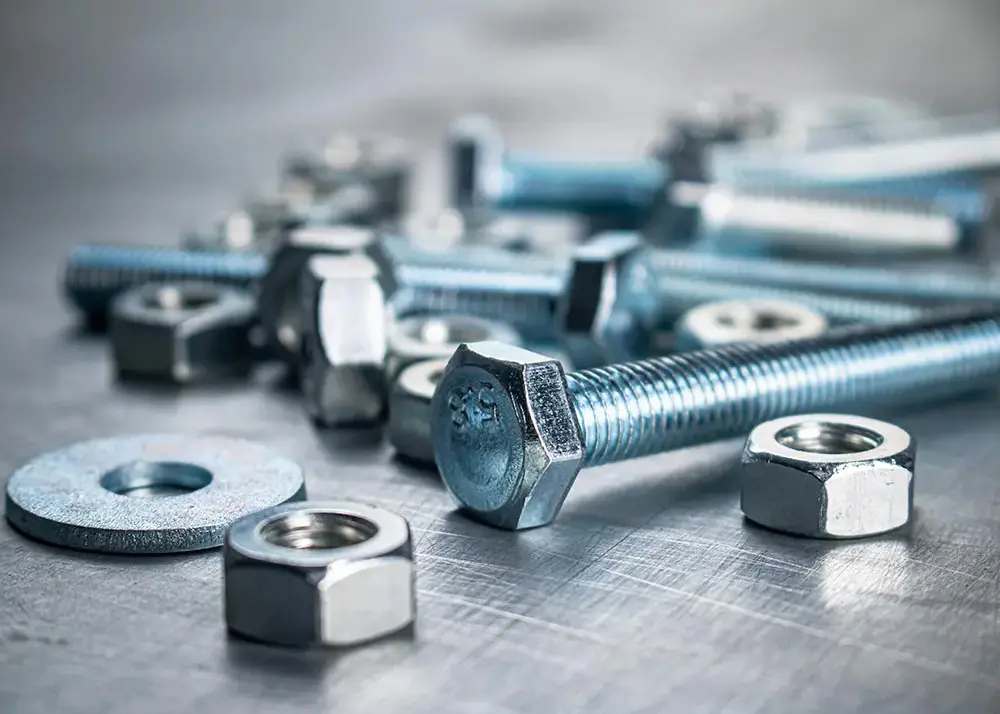
In the heart of the global industrial landscape, the fastener industry stands as a silent but crucial cog driving the machinery of progress. As we step into 2025, the future of fasteners is poised...
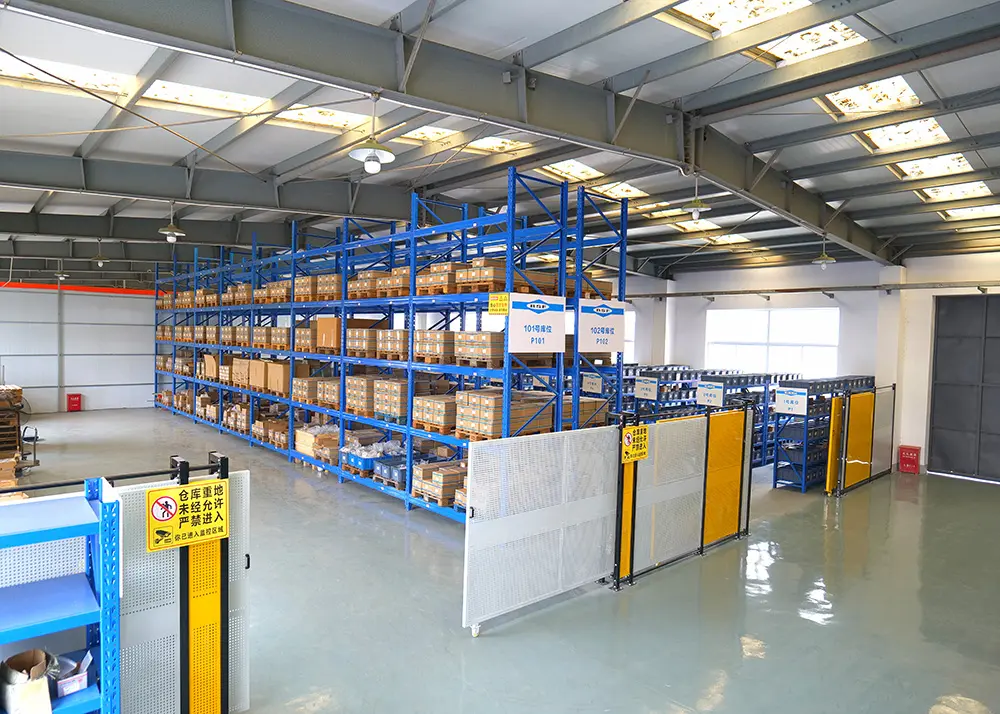
Beiersdorf, a leading global fasteners supply company, has announced the commencement of a comprehensive warehouse renovation project. This initiative is part of the company's ongoing c...
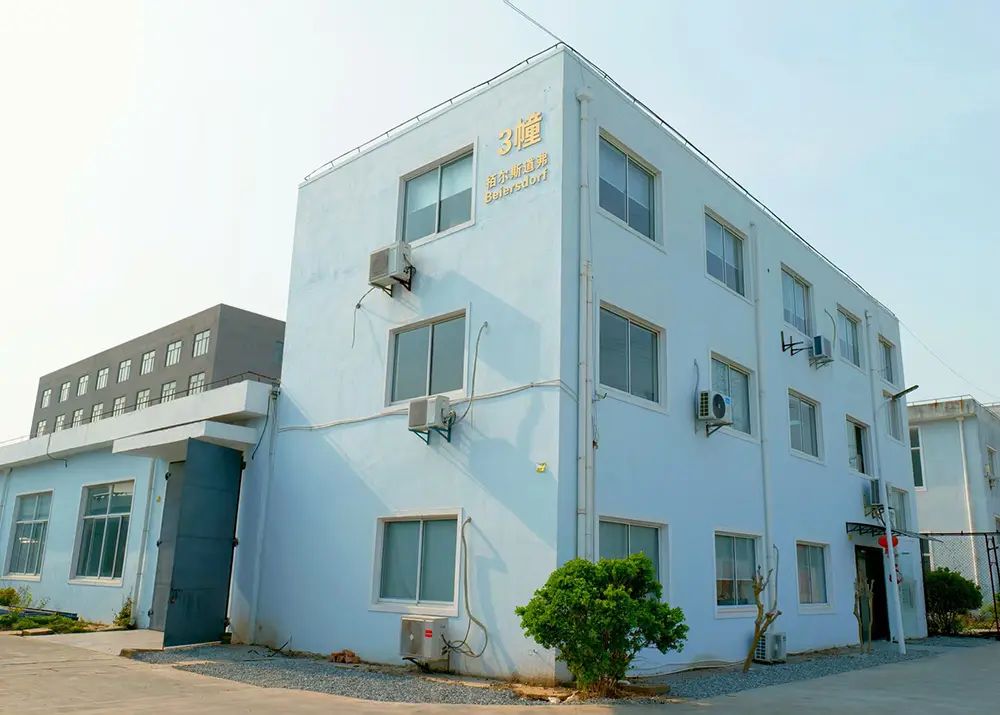
Beiersdorf (Shanghai) was founded in 2015. We are a company with a global perspective dedicated to providing professional fastener solutions. Fasteners, as the most basic and common mechanical pa...
The choice of material depends on the application environment and electrical requirements. For high conductivity and moderate corrosion resistance, tin-plated brass is highly recommended. For high-tensile strength and superior resistance to harsh chemical or marine environments, stainless steel alloys (like A2-70 or A4-80) are preferred. Plating options such as tin, nickel, or silver are critical to prevent galvanic corrosion when mating with copper or aluminum terminals.
Galvanic corrosion is prevented by selecting materials with similar electrochemical potentials or by applying protective surface coatings. Tin plating is the industry standard for copper-to-aluminum or copper-to-steel interfaces because it acts as a sacrificial barrier and minimizes the potential difference between the mating metals. Additionally, using anti-corrosion grease and ensuring a tight, moisture-sealed connection helps prevent electrolyte ingress.
Torque retention ensures that the fastener maintains its clamping force over time. Under thermal cycling (heating during discharge, cooling during rest), materials expand and contract. If a fastener lacks sufficient torque retention, it can loosen, leading to increased contact resistance, localized heating, and potential thermal runaway. Beiersdorf utilizes specialized thread designs, lock nuts, and high-tensile alloys to guarantee long-term torque retention.
Yes, Beiersdorf is a trusted supplier of Classification Society certified fasteners. Our marine-grade fasteners comply with the stringent standards of the China Classification Society (CCS), making them suitable for marine propulsion systems, offshore platforms, and shipbuilding engineering.
We implement a comprehensive quality assurance protocol, highlighted by our "Hash Detection" sampling inspection system. This system includes dimensional verification, thread fit testing, tensile strength testing, plating thickness measurement, and corrosion resistance testing (salt spray testing) to ensure that all products leaving our factory achieve a zero-defect standard.
Beiersdorf is not only a supplier of special fasteners, but also can provide various technical consultations and guidance related to fasteners, including the selection of products and raw materials in the early stage, as well as the installation guidance and maintenance of fasteners in the subsequent stage.
Need a Consultation? Contact Us 24/7
 BSF
BSF