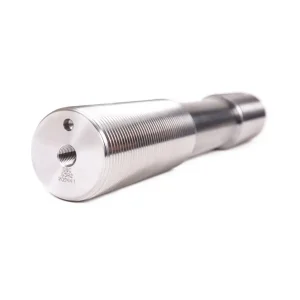
In the demanding realm of heavy industrial assembly, infrastructure construction, and mechanical fabrication, the design of fastening joints determines the lifespan and safety of the entire system. Custom heavy-duty self-tapping screws represent a pinnacle of fastener technology, designed to tap their own mating threads directly into high-tensile metals, structural steel, and dense materials without requiring pre-tapping. This whitepaper analyzes the mechanical, metallurgical, and economic facets driving the adoption of this critical technology globally.
The global demand for high-strength, heavy-duty self-tapping fasteners has escalated with the growth of mega-structures, offshore wind farms, solar panel racking frameworks, and automated warehousing systems. In these industries, saving seconds per joint translates to millions in labor cost reductions. Traditionally, thick steel plates required pilot-hole drilling, cleaning, and tapping before bolt installation. Modern heavy-duty self-tapping screws with trilobular cross-sections and hardened thread-forming zones consolidate these multiple operations into a single step, reducing total installation time by up to 55%. High-tensile alloy compositions and specialized surface coatings make these fasteners highly resistant to high-torque stripping and shear failures, facilitating their use in structural steel buildings, heavy vehicles, railway engineering, and mining equipment.
Heavy-duty self-tapping screws operate under extreme friction and torque, requiring a carefully engineered hardness gradient. Case-hardening techniques, such as carbonitriding, are applied to carbon steel alloys (e.g., C1022, 10B21) to achieve a high surface hardness (typically >550 HV) capable of cutting through structural steel, while maintaining a ductile core (typically 270–390 HV) to prevent brittle fracture under shear loads. For highly corrosive environments, stainless steel grades (such as A2, A4, or duplex 2205) are coupled with hardened carbon steel tips (known as bi-metal self-tapping screws) to offer both superior drilling performance and lifetime corrosion resistance.
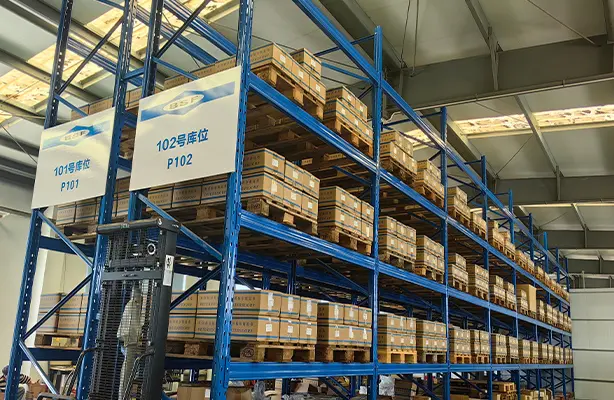
China's fastener manufacturing sector has evolved from low-cost mass production to a high-end engineering hub. At Beiersdorf Industrial Technology, located in the industrial core of Shanghai, we leverage a comprehensive supply chain ecosystem. Our 2,535 m² production base integrates advanced cold-heading machinery, high-speed thread rollers, and computer-controlled continuous heat-treatment furnaces. This infrastructure, supported by a localized supply of high-grade raw materials (including 500 tons of specialty alloys and 10,000 tons of stainless steel standard parts in stock), allows us to deliver customized configurations with minimal lead times. We apply real-time statistical process control (SPC) and strict testing protocols to guarantee zero-defect shipments.
Industrial procurement agents face several key challenges when sourcing heavy-duty self-tapping fasteners: material traceability, coating quality, hydrogen embrittlement control, and compliance with international standards (such as ISO 1478, DIN 7500, or ASTM standards). Standard commercial zinc plating often fails to provide sufficient corrosion resistance for exterior applications, making advanced zinc-nickel, Geomet, or Dacromet coatings necessary. Additionally, high-tensile fasteners (>10.9 grade equivalent) must undergo mandatory baking cycles after electroplating to eliminate hydrogen atoms that cause brittle failures under load. Partnering with a certified exporter like Beiersdorf guarantees complete material test reports (MTR), PPAP level 3 documentation, and direct access to specialized metallurgical engineers.

We have formulated the most stringent sampling inspection system, utilizing digital optical sorting, coordinate measuring machines (CMM), and tensile testers to strive to achieve zero defects for all products leaving our factory.

Innovation is key to our manufacturing. At present, our entire group has developed more than 100 utility model patented products and eight invention patented products, pushing the boundaries of high-strength fastener design.

We operate nearly 100,000 product models, maintaining 500 tons of special raw materials in stock and over 10,000 tons of finished stainless steel standard parts in stock. This ensures rapid dispatch to domestic and global ports.
Beiersdorf Industrial Technology (Shanghai) Co., Ltd. was established in 2015 and is located in the global shipping and commercial hub of Shanghai, China. As a pioneer in high-end cold forming and precision machining, we are mainly engaged in the business of special fasteners and ultra-high precision components for severe application environments.
 "Product quality is the foundation for an enterprise's survival." - Our core manufacturing philosophy guiding every batch.
 "Heart to sunshine, everything to prosperity" - Fostering sustainable development and global collaborative partnerships.

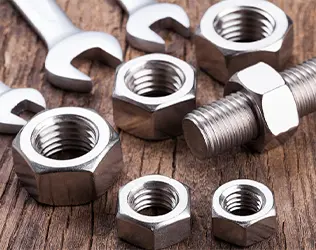
 -270℃ Low-temperature Fastener
 Titanium Alloy Fasteners
 Cobalt Alloy Fasteners
Nickel Alloy Fasteners
Best Seller Series
Fasteners with 1900 MPa Tensile Strength
1200℃ High-temperature Fastener
Cobalt Alloy Fasteners
Nickel Alloy Fasteners
Best Seller Series
Fasteners with 1900 MPa Tensile Strength
1200℃ High-temperature Fastener
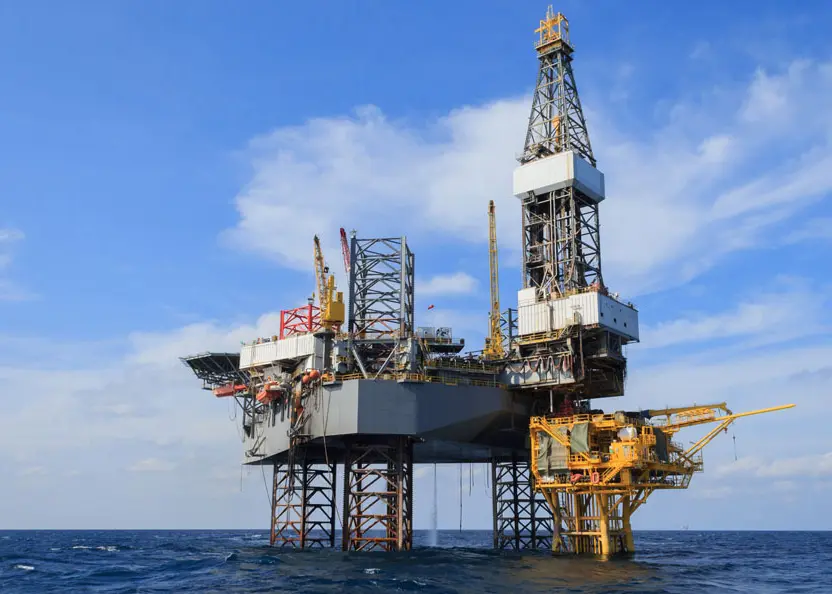
Our specialized heavy-duty self-tapping screws and structural bolts are widely deployed in the shipbuilding and oceanography engineering fields. These components are vital for manufacturing special vessels, marine propulsion systems, offshore accessories, yachts, offshore oil drilling platforms, submarine pipelines, offshore wind turbine bases, underwater rescue capsules, and port machinery. These fasteners are designed to withstand constant exposure to saltwater and cyclic loading. They utilize advanced materials and configurations including A4-80, A5-80, D8-80, D6-70, Duplex 2205, L7, 40CrNiMoA, Inconel 718, EN14399 structural steel connection pairs, and fasteners with Classification Society certifications.
High-strength heavy-duty fasteners (tensile strength ≥ 1040 MPa, equivalent to property class 10.9 and above) are susceptible to hydrogen embrittlement. During electroplating or acid pickling processes, atomic hydrogen can diffuse into the steel crystal lattice. Under tensile stresses, these hydrogen atoms migrate to grain boundaries, causing sudden, catastrophic failure below the design yield strength. Beiersdorf mitigates this risk by employing post-plating baking procedures (de-embrittlement baking at 200°C–220°C for 4 to 24 hours depending on the core hardness) and implementing chemical mechanical plating or organic anti-corrosion coatings (e.g., zinc flake) that do not generate nascent hydrogen.
Unlike standard bolts secured by nuts, heavy-duty self-tapping screws rely on the thread profile cut or formed directly in the parent material. The stripping-to-tapping torque ratio is a critical parameter: if the tapping torque is too high, the installation tool may strip the formed internal threads or shear the fastener before full tension is reached. Beiersdorf designs trilobular bodies (such as DIN 7500 profiles) that reduce friction during the tapping process, widening the installation torque window. This allows technicians to achieve optimal clamping forces and maintain consistent preload under dynamic vibration.
Cryogenic vessels and petrochemical reactors operate at extreme ends of the temperature spectrum. Under cryogenic conditions down to -270℃, standard carbon steels undergo a ductile-to-brittle transition, resulting in catastrophic failures under minor shock loads. Beiersdorf utilizes specialized nickel-chromium alloys and stabilized austenitic stainless steels that retain their impact toughness in cryogenic environments. Conversely, at elevated temperatures reaching 1200℃, creep rupture and high-temperature oxidation become primary concerns. We counter this by developing superalloys containing molybdenum, cobalt, and niobium, ensuring high-temperature creep strength and long-term joint integrity.
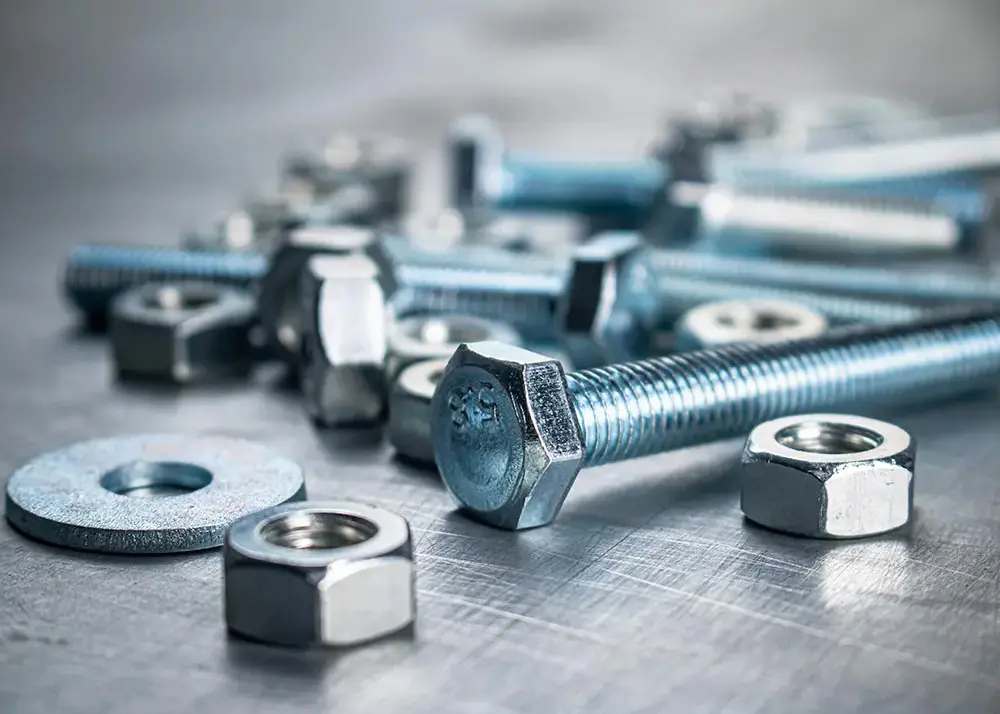
In the heart of the global industrial landscape, the fastener industry stands as a silent but crucial cog driving the machinery of progress. As we step into 2025, the future of fasteners is poised to reach new heights through technological breakthroughs.
Read More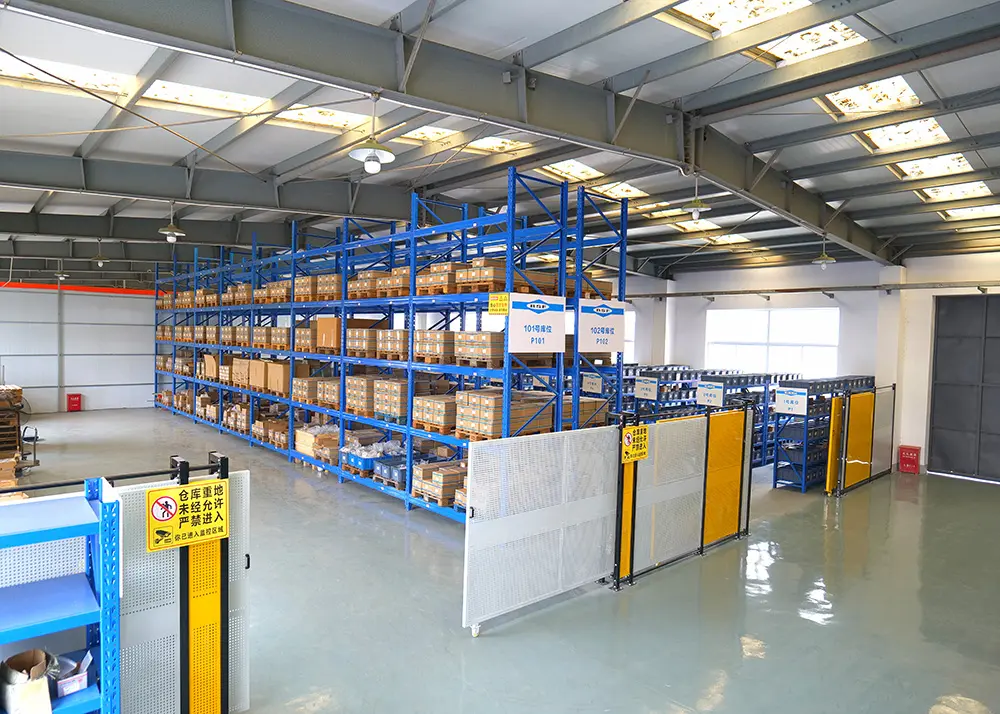
Beiersdorf, a leading global fasteners supply company, has announced the commencement of a comprehensive warehouse renovation project. This initiative is part of the company's ongoing commitment to optimizing global logistics.
Read More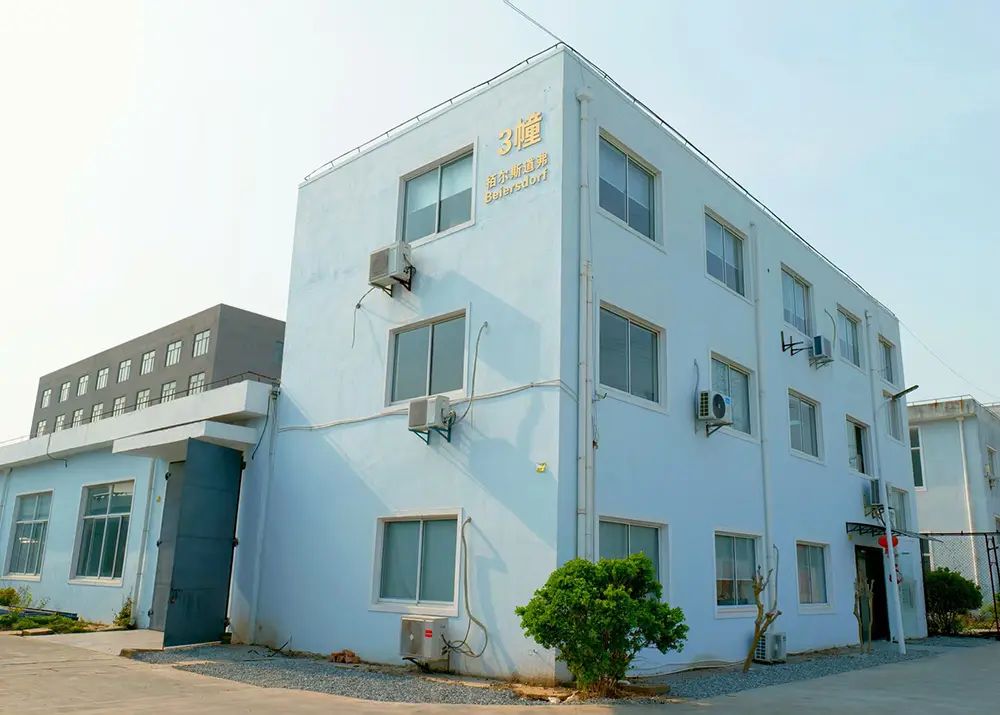
Beiersdorf (Shanghai) was founded in 2015. We are a company with a global perspective dedicated to providing professional fastener solutions. Fasteners, as the most basic mechanical component, play a critical role in assembly systems.
Read More

Beiersdorf is more than a supplier of special fasteners; we provide technical consultation and engineering guidance, including product and raw material selection, installation support, and maintenance guidelines.
Call us Free: +86(0)21-38022886Need a technical consultation? Contact our engineering team 24/7.
 BSF
BSF