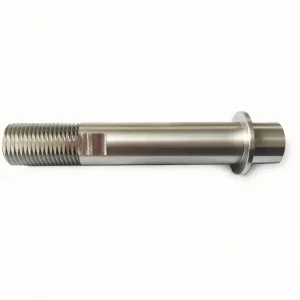
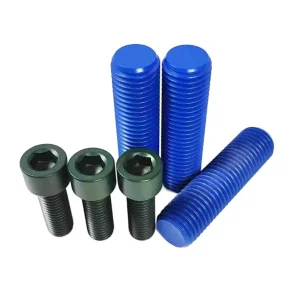
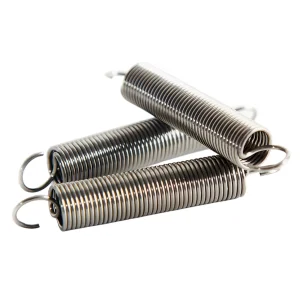
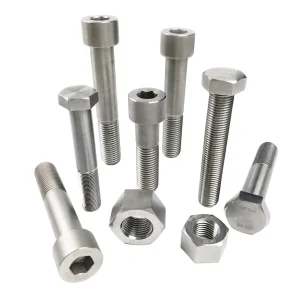
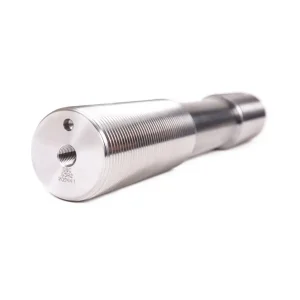
In modern industrial assembly, the efficiency and structural integrity of fastening systems are paramount. Among the most critical innovations in this domain are custom self-drilling and self-tapping metal screws. While these terms are frequently conflated, they refer to distinct mechanical functions engineered for specific substrate interactions. A self-tapping screw (often thread-forming or thread-cutting) requires a pre-drilled pilot hole and taps its own thread as it is driven into the material. Conversely, a self-drilling screw features a drill-point tip (resembling a twist drill) that performs the drilling, tapping, and fastening in a single, continuous operation. For global procurement officers and structural engineers, selecting the correct configuration, metallurgy, and thread geometry is essential to preventing structural failures, minimizing installation labor, and ensuring long-term corrosion resistance.
"Product quality is the foundation for an enterprise's survival. In high-stress industrial environments, the difference between a standard fastener and a custom-engineered solution is the difference between operational continuity and catastrophic failure."
The performance of a custom self-drilling screw is heavily dependent on its drill point style, designated by numbers 1 through 5. A No. 2 or No. 3 point is optimized for light-gauge sheet metal, whereas a No. 4 or No. 5 point is engineered to penetrate structural steel plates up to 12.5mm (0.5 inches) in thickness without a pilot hole. Customization allows engineers to specify the exact length of the unthreaded pilot section (the "drill flute") to ensure that the drilling action is fully completed before the lead threads engage the substrate. If the threads engage before the drilling is complete, the screw will bind, strip, or snap due to excessive torsional stress.
Furthermore, thread pitch selection—coarse vs. fine—must be calibrated to the hardness and thickness of the target metal. Coarse threads are ideal for softer metals and rapid installation, whereas fine threads provide higher pull-out resistance in harder, thinner steel sheets. By customizing these parameters, exporters can deliver fasteners that optimize installation torque and maximize clamping force.
We have formulated the most stringent sampling inspection system, utilizing advanced optical sorting and automated sensor arrays to achieve zero defects for all products leaving our factory. Every batch undergoes rigorous torque, pull-out, and salt spray testing.
Innovation drives our manufacturing. At present, our entire group has more than 100 utility model patented products and eight invention patented products, allowing us to engineer bespoke solutions for high-tensile, cryogenic, and high-temperature applications.
We currently operate nearly 100,000 product models, maintaining 500 tons of special raw materials in stock and 10,000 tons of finished stainless steel standard parts. This massive inventory guarantees rapid lead times and supply chain resilience for global enterprises.
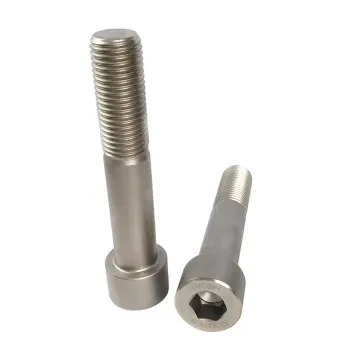
Standard carbon steel self-drilling screws are highly susceptible to oxidation and galvanic corrosion when paired with dissimilar metals, such as aluminum cladding. To mitigate this, Beiersdorf utilizes high-grade stainless steels (A2, A4, and duplex steels like 2205) and exotic superalloys (Inconel, Titanium, and Cobalt alloys). However, because stainless steel is softer than carbon steel, it cannot drill through structural steel on its own.
To solve this engineering challenge, we manufacture Bi-Metal Self-Drilling Screws. These fasteners feature a hardened carbon steel drill point fused to a corrosion-resistant stainless steel body. This hybrid construction delivers the drilling speed of carbon steel alongside the lifetime corrosion resistance of stainless steel, making them the gold standard for outdoor architectural facades, marine structures, and industrial roofing.
The global fastener industry is undergoing a profound transformation driven by automation, digitalization, and environmental compliance. Key trends shaping the market include:
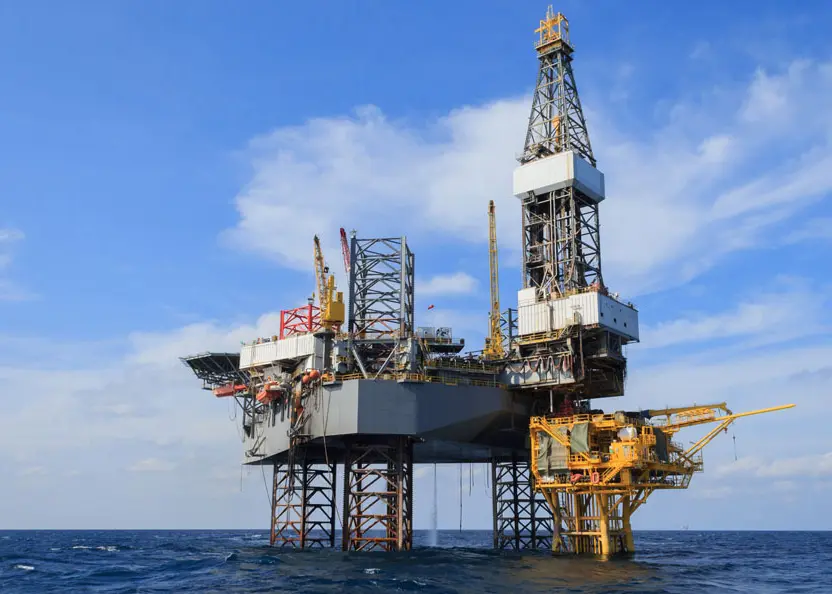
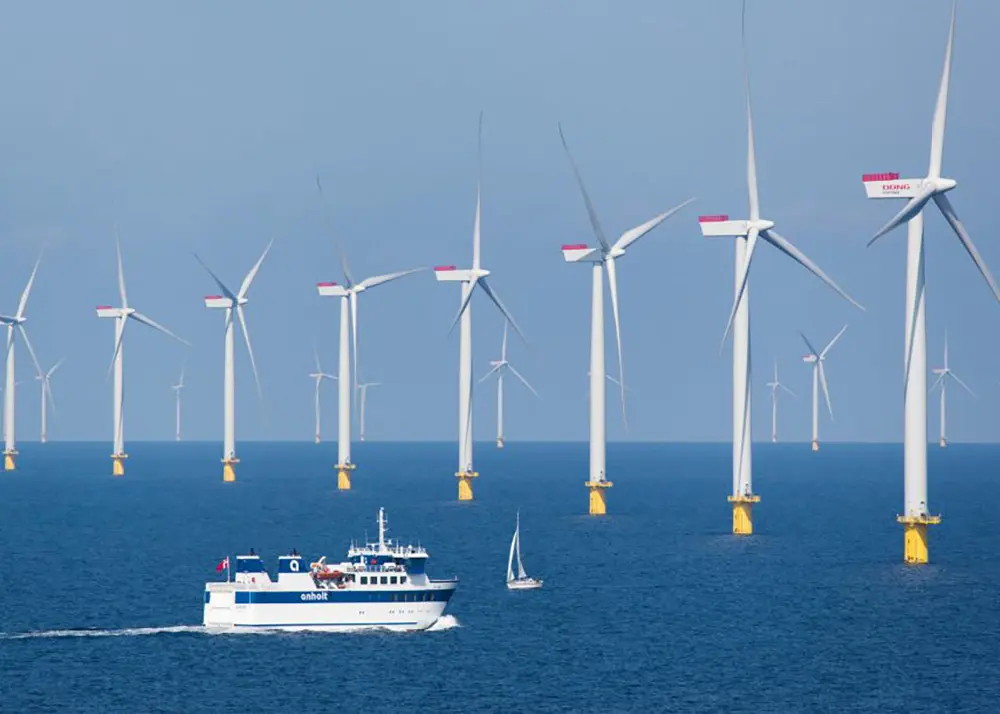
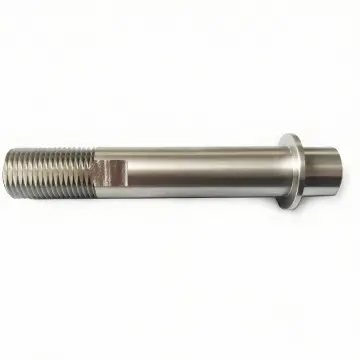
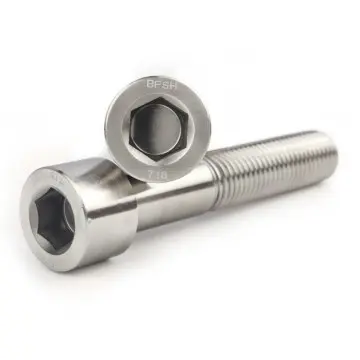
Our special fasteners are widely used in the field of shipbuilding and oceanography engineering, specifically in the manufacture of special ships, marine propulsion, marine accessories, yacht manufacturing, offshore oil drilling platforms, submarine pipelines, offshore wind power, underwater lifeboats, port machinery, and dock construction. These special fasteners mainly include A4-80, A5-80, D8-80, D6-70, 2205, L7, 40CrNiMoA, 718, EN14399 steel structure connection pairs, and classification society certificate fasteners.
Marine environments demand exceptional resistance to chloride-induced stress corrosion cracking. By deploying custom duplex stainless steel and Inconel fasteners, marine operators can ensure structural integrity under extreme wave action and high salinity.
In power generation and petrochemical processing, fasteners are subjected to extreme thermal cycles and corrosive chemical environments. Beiersdorf provides high-temperature fasteners designed to maintain mechanical properties from 400°C up to 1200°C, alongside cryogenic fasteners engineered to remain stable and ductile down to -270°C for LNG (Liquefied Natural Gas) transport and storage.
Our non-magnetic fasteners and ultra-high precision machined parts are also widely deployed in electronic communication networks, rail transit signaling systems, and medical imaging equipment where magnetic interference must be completely eliminated.
For multinational corporations, procuring custom fasteners involves navigating complex quality standards, import tariffs, and logistics risks. A reliable exporter must provide comprehensive traceability, from raw material heat numbers to final dimensional inspection reports. Beiersdorf addresses these macro-procurement challenges through a multi-faceted approach:
We supply fasteners certified by major international Classification Societies (such as DNV, ABS, CCS, and LR) for marine applications. Our manufacturing processes comply with ISO 9001:2015, ensuring that every batch of custom self-drilling and self-tapping screws meets the exact tensile, shear, and hardness specifications required by global engineering codes.
Every shipment is accompanied by Mill Test Reports (MTRs) detailing the chemical composition and physical properties of the alloys used. Whether sourcing Inconel bolts for high-temperature gas turbines or titanium fasteners for aerospace assemblies, procurement teams can verify the metallurgical integrity of their components.
With 500 tons of special raw materials and 10,000 tons of finished standard parts in stock, Beiersdorf acts as a buffer against global supply chain disruptions. We offer customized stocking programs, allowing clients to establish safety stock in our Shanghai warehouses for just-in-time delivery, minimizing inventory carrying costs.
In the heart of the global industrial landscape, the fastener industry stands as a silent but crucial cog driving the machinery of progress. As we step into 2025, the future of fasteners is poised...
View More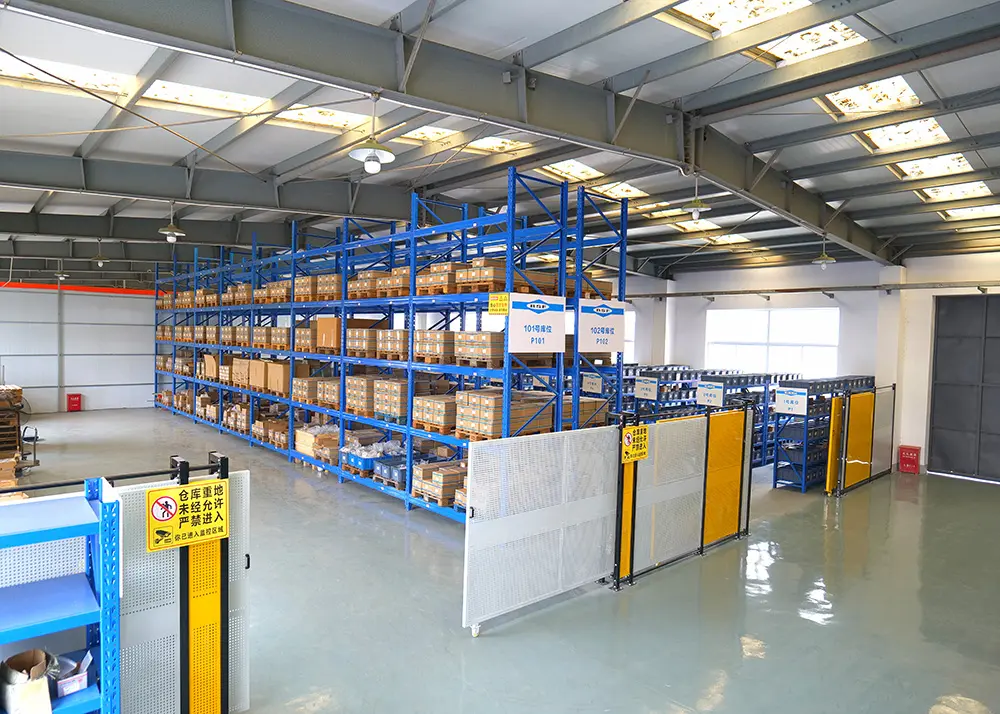
Beiersdorf, a leading global fasteners supply company, has announced the commencement of a comprehensive warehouse renovation project. This initiative is part of the company's ongoing commitment...
View More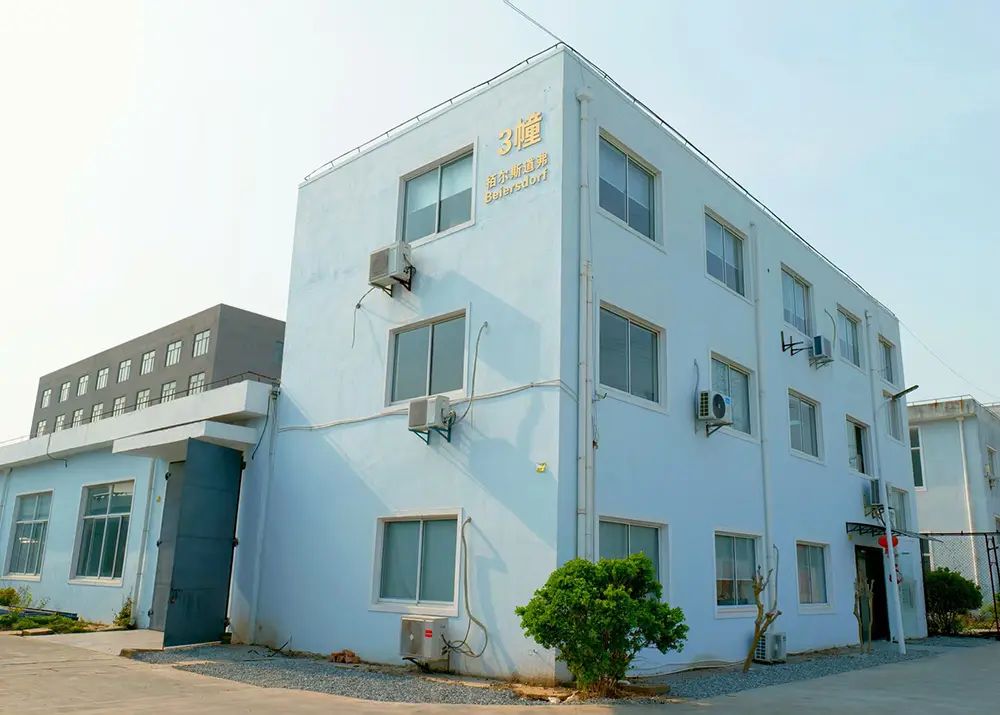
Beiersdorf (Shanghai) was founded in 2015. We are a company with a global perspective dedicated to providing professional fastener solutions. Fasteners, as the most basic and common mechanical parts...
View More
Beiersdorf is not only a supplier of special fasteners, but also can provide various technical consultations and guidance related to fasteners, including the selection of products and raw materials in the early stage, as well as the installation guidance and maintenance of fasteners in the subsequent stage.
Have Any Question? Call us Free:
+86(0)21-38022886Need a Consultation? Contact Us 24/7
 BSF
BSF