Explore our foundational range of custom engineering products engineered to meet CCS and international quality standards.
An In-Depth Engineering Analysis of Mechanical Anchoring Dynamics and Global Material Specifications
Traditional structural anchorage in concrete typically demands secondary expansion sleeves or chemical adhesives to secure load path continuity. However, the modern industrial paradigm heavily utilizes Custom Self-Tapping Concrete Screws to forge direct mechanical interlocks inside masonry, cured concrete, and lightweight aggregate blocks. By combining specialized high-hardness leading threads with tailored thread pitches, these screws tap their own female threads directly into pre-drilled pilot holes.
The metallurgical demands of self-tapping concrete screws are exceptionally rigorous. The core of the screw must possess balanced tensile and fatigue properties to withstand high installation torques and dynamic cyclic loads. Concurrently, the outer crest of the self-cutting threads must be hardened to cut clean threads in aggregates without fracturing or flattening. This requires an sophisticated heat treatment process, such as induction hardening, which hardens the thread surfaces while keeping the core tough and ductile.
In international logistics, structural renovations, and seismic retrofitting, custom-tailored self-tapping concrete screws are highly valued for their speed of installation and high immediate load capacity. Understanding the interactions between raw carbon-alloy steels, structural geometry, and concrete compression classes is key to optimizing pull-out and shear load capacities.
According to recent global infrastructure reports, the demand for specialized mechanical anchors is growing at a CAGR of 6.2%. The key driver is the transition towards rapid modular construction. Project developers and lead engineers are moving away from multi-step anchoring routines. China, particularly high-tech clusters in Shanghai, serves as a central global exporter of custom fastening systems, supplying to demanding markets in Western Europe, North America, and Southeast Asia.
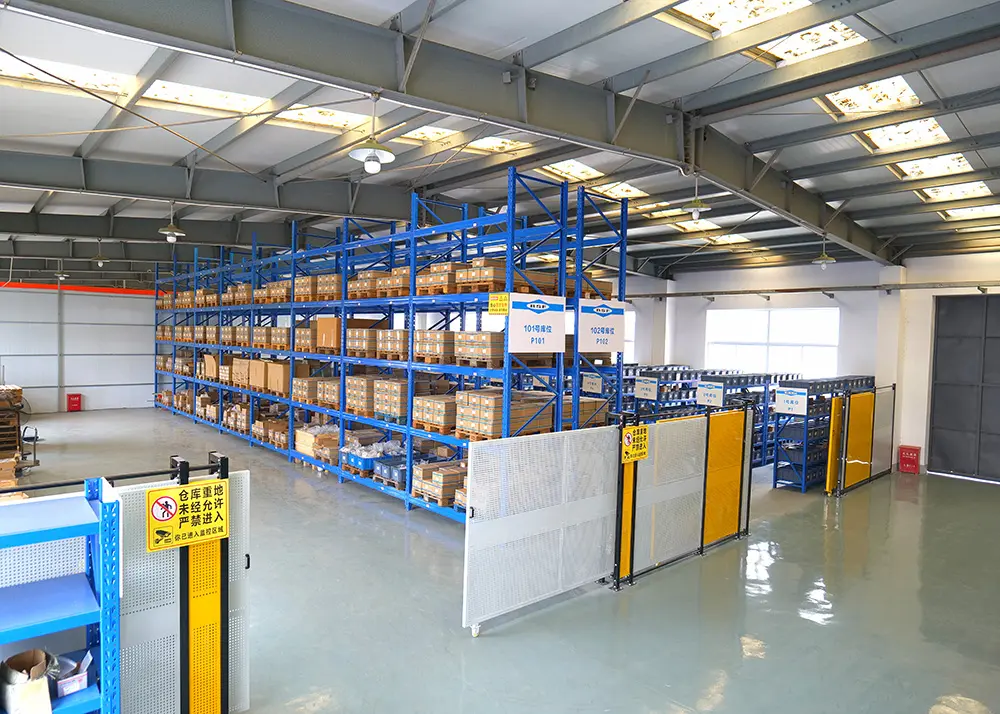
However, the export of high-grade concrete fasteners is governed by stringent regulatory certifications. Quality marks such as the ETA (European Technical Assessment), ICC-ES reports, and classification society certifications like CCS are non-negotiable requirements for structural marine and infrastructure projects. As an established exporter, Beiersdorf Industrial Technology leverages its comprehensive warehouse logistics and high-precision manufacturing bases in Shanghai to bridge the gap between custom engineered designs and certified volume supply.
In addition to standard carbon steel variations, modern engineering projects demand specialized material variations like titanium alloys, Duplex stainless steels (2205/2507), and non-magnetic fasteners. These specialized materials are essential for high-performance applications such as medical imaging suites, subsea oil and gas systems, and petrochemical facilities.
Our foundation for survival lies in rigorous quality metrics, custom advanced material selections, and dynamic logistical operations.

We have formulated the most stringent sampling and batch-level inspection system. Our continuous testing protocols strive to achieve zero defects for all mechanical products leaving our factory gates.

Continuous innovation drives our core product designs. At present, our entire group holds more than 100 utility model patented products and eight unique invention patented products.

We currently operate nearly 100,000 product models. This includes 500 tons of specialized raw materials and 10,000 tons of finished stainless steel standard parts in stock.
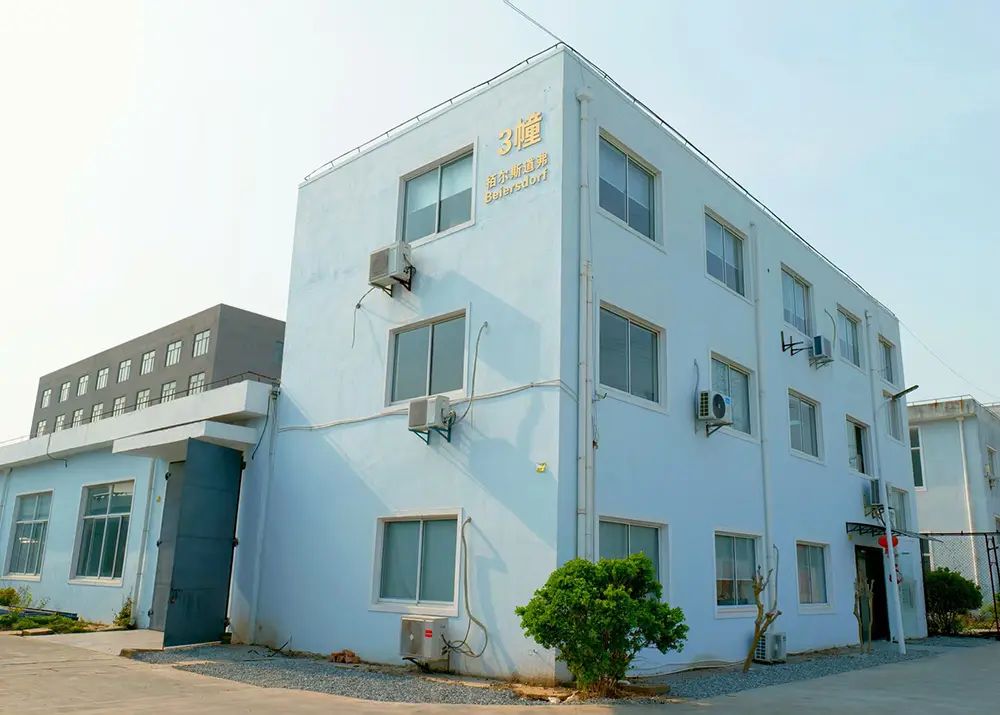
Beiersdorf Industrial Technology (Shanghai) Co., Ltd. was established in 2015 and is located in the global industrial hub of Shanghai, China. We are an enterprise mainly engaged in the development, manufacture, and distribution of high-end special fasteners and ultra-high precision components.
“Product quality is the foundation for an enterprise's survival.”
“Heart to sunshine, everything to prosperity”
By utilizing materials ranging from standard structural carbon steels to advanced aerospace-grade titanium and cobalt alloys, Beiersdorf meets critical technical standards globally.
Explore Entire Range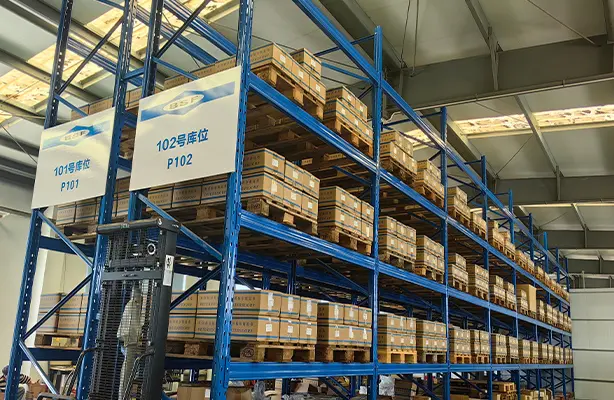

Providing exceptional mechanical integrity at the boundaries of environmental tolerance.

-270℃ Low-temperature structural fasteners and alloy systems.

High tensile, ultra-lightweight, and corrosion-resistant fasteners.

Special Cobalt and Nickel Alloys engineered to withstand up to 1200℃.
High-load fasteners boasting up to 1900 MPa ultimate tensile strength.
The future of concrete fastening relies heavily on material improvements. While standard zinc plating provides basic protection, modern industrial applications require high-performance coatings. Beiersdorf's technological roadmap integrates multi-layered organic-inorganic coatings (such as zinc flake coatings, ceramic layers, and high-purity polymer caps) that exceed 1,500 hours in salt spray testing without exhibiting red rust.
Furthermore, the introduction of bi-metal engineering has revolutionized the self-tapping concrete screw industry. A bi-metal screw features a structural stainless steel body (e.g., Grade 316 / A4) welded to a hardened carbon steel tip. This allows the screw to tap clean threads into hard aggregates, while the main body provides long-term resistance to stress corrosion cracking (SCC) in humid, saline, or industrial environments.
Looking forward, our R&D roadmap focuses on:
As sustainable construction practices gain global traction, structural demountability has become a key design consideration. Unlike traditional mechanical expansion anchors or chemical adhesive studs, self-tapping concrete screws can be completely removed from their pilot holes, leaving a clean aperture. This enables quick site decommissioning, material recycling, and simple structure modifications.
In addition, modular and prefabricated precast concrete structures are increasingly popular. These components require fasteners that can be installed with close edge-distances. Traditional expansion anchors generate high radial stresses in concrete, which can cause cracking near edges. In contrast, self-tapping concrete screws cut clean mating threads into the masonry, minimizing expansion pressure and allowing for close edge-distances and tight spacing configurations.
With these properties, self-tapping concrete screws are becoming the preferred anchoring solution for complex civil works, heavy machinery mounting, curtain wall installations, and acoustic barrier setups along high-speed rail lines.
Explore our core industrial groups, designed for heavy manufacturing, aerospace, and marine engineering applications.
Suitable for sensitive medical MRI systems, aerospace assemblies, and electrical machines.
Super stainless steel, titanium, nickel-based, and NASA AMS alloys.
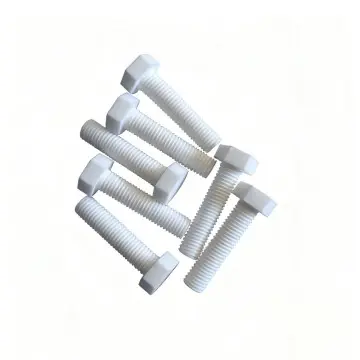
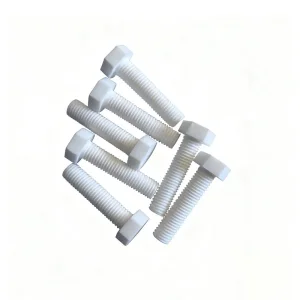
Lightweight, non-conductive, and highly resistant to aggressive chemicals.
Classification Society certified fasteners for critical subsea marine engineering projects.
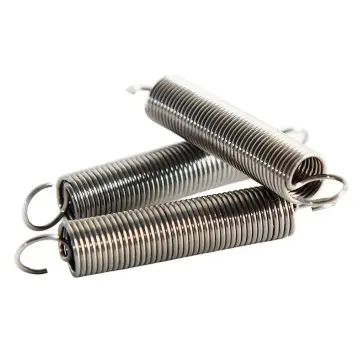
Advanced high-elasticity solutions built with premium raw metal wires.
Extreme tolerances for medical, scientific devices, and semiconductor lines.
Maintains high impact toughness and structural reliability down to cryogenic temperatures.
Maintains mechanical properties and prevents thermal creeping at high temperatures.
Our fasteners provide reliable anchoring in demanding industrial and environmental applications.
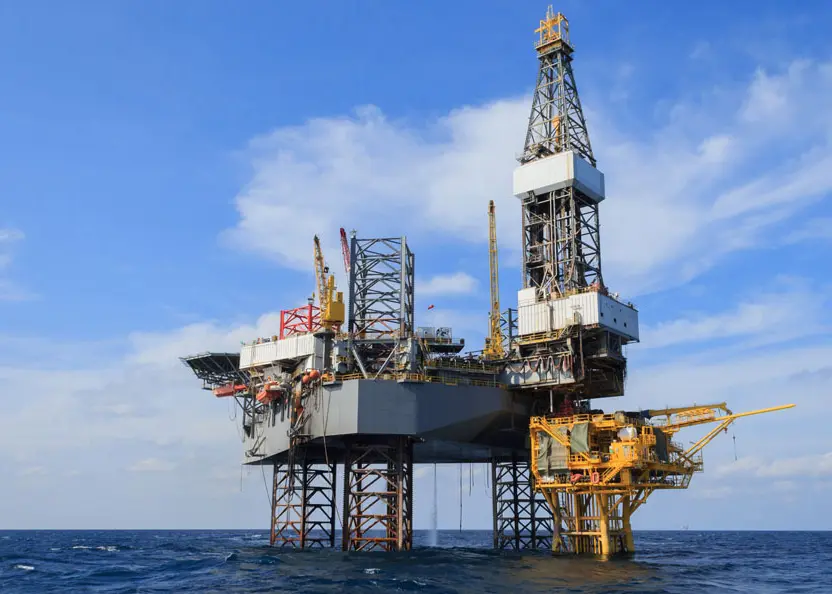
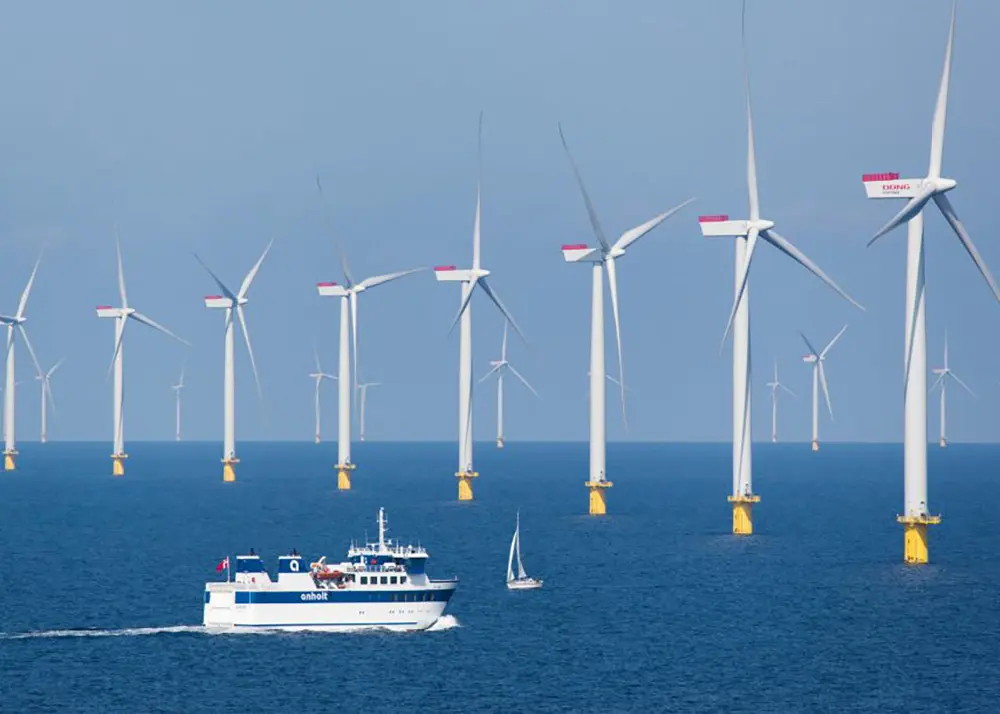
Our special fasteners are widely used in the field of shipbuilding and oceanography engineering, specifically in the manufacture of special ships, marine propulsion, marine accessories, yacht manufacturing, offshore oil drilling platforms, submarine pipelines, offshore wind power, underwater lifeboats, port machinery, dock construction, etc. These special fasteners mainly include A4-80, A5-80, D8-80, D6-70, 2205, L7, 40CrNiMoA, 718, EN14399 steel structure connection pair, classification society certificate fasteners, etc.
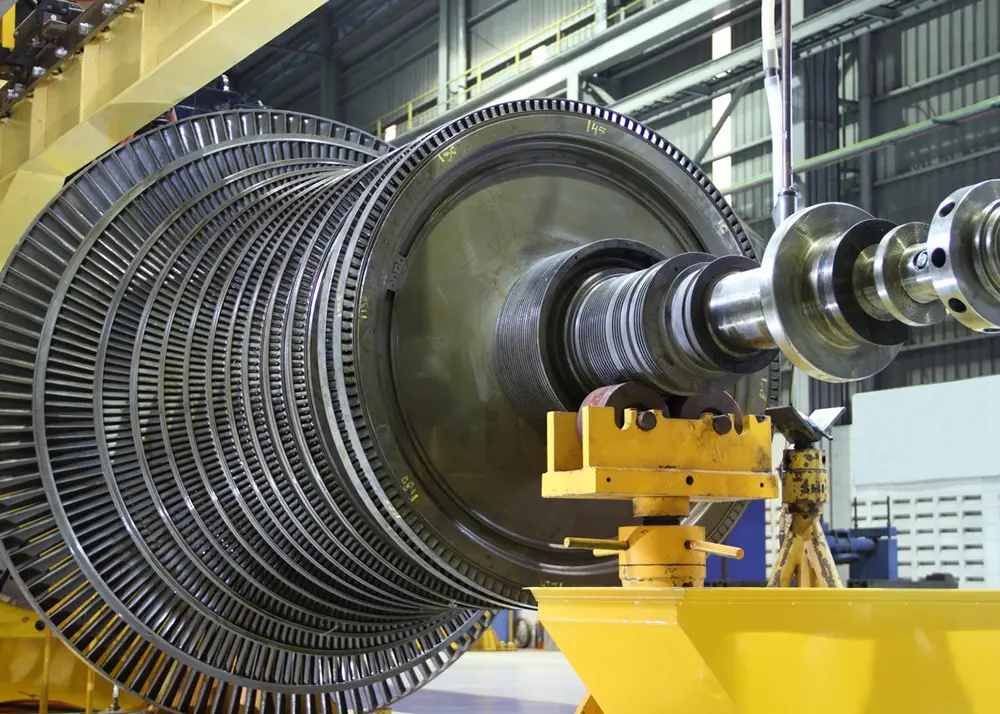
We support nuclear generation, fossil-fuel power stations, and renewable energy assets including wind turbine nacelles and solar tracking frames. These anchors are engineered to handle high operational vibrations and thermal expansion.
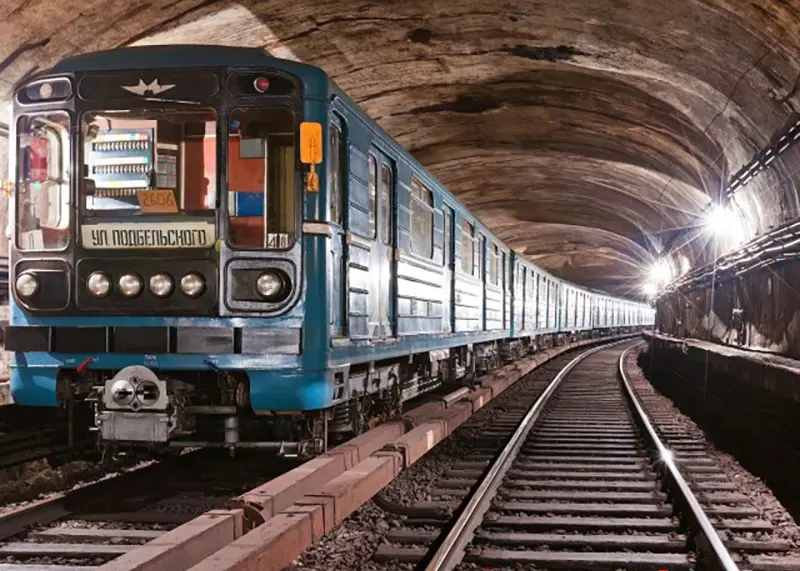
Fastening solutions designed for heavy-rail systems, subway tunnels, and overhead catenary supports. These systems require excellent shear strength and resistance to dynamic fatigue.
Our high-precision, non-magnetic fasteners are ideal for telecommunication arrays, 5G signal towers, server racks, and sensitive electromagnetic environments where standard steels are not suitable.
Refineries present highly corrosive and flammable processing environments. Our special material bolts—including Hastelloy, Duplex Stainless Steels, and high-performance nickel-based alloys—withstand exposure to hydrogen sulfide, elevated operating pressures, and extreme temperatures.
Expert answers addressing the design, installation, and performance criteria of self-tapping concrete screws.
In major civil projects, selecting the right fastening system requires evaluating the entire assembly. Standard expansion anchors can create stress concentrations that can lead to micro-cracking in concrete structures, potentially allowing moisture ingress and corroding reinforcing bars.
To address these issues, Beiersdorf provides tailored Macro Anchoring Solutions. We combine pre-engineering consulting, structural analysis, and custom-manufactured fasteners. By utilizing high-precision manufacturing, we ensure consistency in thread profiles, pitch angles, and core metallurgy. This helps prevent installation failures, reduce onsite labor costs, and ensure long-term structural reliability.
A: Self-tapping concrete screws work through direct mechanical interlocking. As the screw is driven into a pre-drilled pilot hole, its hardened threads cut mating threads into the concrete walls. This distributes load along the entire embedment depth, rather than concentrating stress at a single expansion point, making them suitable for close-to-edge installations.
A: Hydrogen embrittlement occurs when atomic hydrogen diffuses into high-strength steel during acid pickling or electroplating. Under tensile stress, this can lead to sudden, brittle failure. We mitigate this risk by utilizing mechanical zinc-plating or organic barrier coatings, and by performing vacuum baking immediately after chemical treatments to release any trapped hydrogen.
A: Bi-metal screws feature a laser-welded construction. The leading thread segment is made of hardened carbon steel, which cuts clean threads in concrete. The load-bearing shank and head are made of Grade 316 / A4 stainless steel, providing long-term resistance to atmospheric and chemical corrosion.
A: CCS certification verifies that fasteners meet strict metallurgy, impact toughness, and corrosion standards for marine use. These certified fasteners are essential for offshore structures, shipbuilding, and subsea pipelines, where fastener failure could lead to catastrophic environmental or structural consequences.
A: Because self-tapping screws do not generate expansion forces, edge distance and spacing requirements can be reduced by up to 50% compared to traditional expansion anchors. Typically, a minimum edge distance of 5 times the screw diameter is recommended, though specific clearances depend on concrete strength and design loads.
A: Standard carbon steels undergo a ductile-to-brittle transition at low temperatures, making them prone to sudden shattering under load. For cryogenic environments like LNG terminals, we utilize specialized nickel and cobalt alloys that retain their face-centered cubic structure, maintaining high impact toughness down to -270℃.
Beiersdorf is more than a supplier of special fasteners. We provide technical consultation and engineering guidance, including material selection, structural calculations, and installation support for demanding projects.
* Our engineering support team is available 24/7 to assist with material specifications and drawing verifications.
Specify your mechanical parameters below for a rapid response within 12 hours.
Insights into engineering trends, raw material markets, and operational developments at Beiersdorf.
In the heart of the global industrial landscape, the fastener industry stands as a silent but crucial cog driving the machinery of progress. As we step into 2025, the future of fasteners is poised...
Beiersdorf, a leading global fasteners supply company, has announced the commencement of a comprehensive warehouse renovation project. This initiative is part of the company's ongoing c...
Beiersdorf (Shanghai) was founded in 2015. We are a company with a global perspective dedicated to providing professional fastener solutions. Fasteners, as the most basic and common mechanical pa...
Serving major infrastructure and marine engineering projects worldwide from our base in Shanghai.


Explore our specialized range of certified fasteners engineered for low-temperature stability, marine deployment, and high-strength performance.
 BSF
BSF