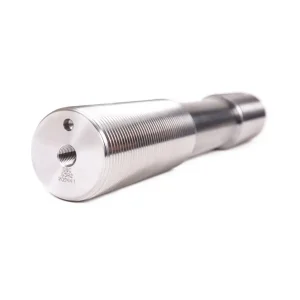
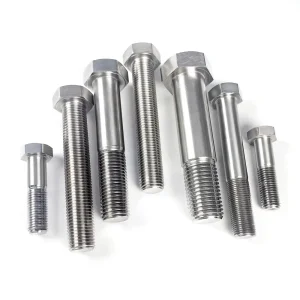
Explore our range of engineering-grade special fasteners, certified components, and titanium, cobalt, and nickel alloys designed for demanding architectural and structural projects.
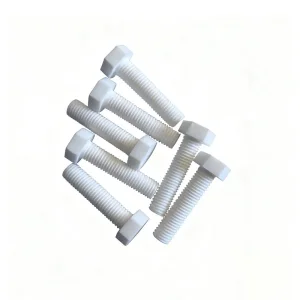
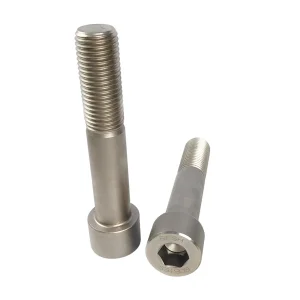
Metal roofing systems are increasingly chosen for commercial, industrial, and residential applications due to their longevity, durability, and resistance to environmental forces. However, the integrity of these systems depends on the reliability of their fastening components. Custom self-tapping metal roofing screws are the primary anchors that transfer dynamic environmental loads from the roof panels to the building structure. Without precise engineering and correct specification, fastener failures can lead to micro-movement, joint shear, and water infiltration.
In structural metal roofing, understanding the distinction between thread-forming (displacing material) and thread-cutting (removing material to form mating threads) is vital. True high-performance roofing screws optimize thread geometry to maximize surface contact, which directly enhances pull-out resistance under high wind-uplift pressures.
Historically, metal roofing relied on general utility wood screws or generic bolts, which failed to accommodate the thermal cycling of metal sheets. Modern engineering requires specialized fasteners with integrated washers, custom coatings, and materials designed for specific environmental exposures. The selection of materials, thread styles, and coating systems affects the lifecycle cost of the roofing installation.
Our production system is structured around three core pillars to ensure fastener reliability in challenging environments.

We employ a strict sampling and optical inspection system at our production stages to ensure structural integrity and reduce defective units before shipment.

Our group currently holds more than 100 utility model patented products and eight invention patents, focusing on advanced alloys, high-torque thread designs, and specialized coatings.

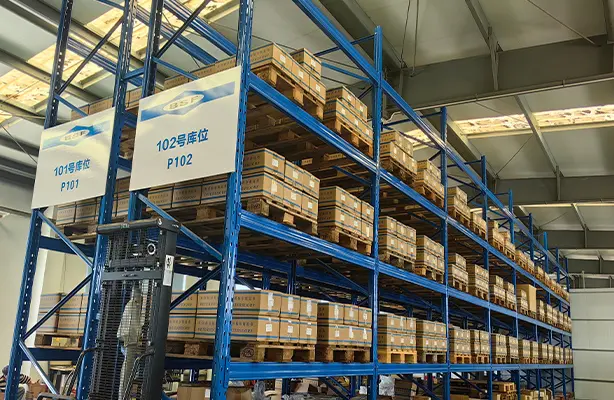
We manage nearly 100,000 product models. This includes a constant inventory of 500 tons of specialty raw materials and 10,000 tons of finished stainless steel fasteners to support global supply chains.
Established in 2015 and based in Shanghai, China, Beiersdorf Industrial Technology specializes in manufacturing and exporting high-precision fasteners and specialty components. Our products are engineered to withstand extreme thermal expansion, mechanical stress, and aggressive atmospheric conditions.
Our guiding principle, "Product quality is the foundation for an enterprise's survival," shapes our production and material selection processes. Leveraging advanced manufacturing hubs in China allows us to optimize supply chains and deliver components that meet international standards.
Metal roofing fasteners face varied atmospheric conditions, from dry regions to coastal areas exposed to salt spray. Selecting the right combination of base metals and coatings is essential to prevent galvanic corrosion and premature failure.
When two dissimilar metals—such as an aluminum roof sheet and a carbon steel fastener—come into contact in the presence of an electrolyte (like rainwater), galvanic corrosion can occur. This electrochemical reaction leads to the degradation of the less noble metal, weakening the connection points. To prevent this, fasteners must be insulated using non-conductive washers or protected with barrier coatings.
The durability of roofing screws is largely determined by their protective coatings. The table below compares the performance of common coating systems used in industrial applications:
| Coating Type | Salt Spray Rating (Hours) | Primary Benefits | Typical Application Environment |
|---|---|---|---|
| Electro-Zinc Plated | 48 - 96 Hours | Low cost, clean aesthetics | Mild indoor, temporary structures |
| Hot-Dip Galvanized (HDG) | 300 - 500 Hours | Thick sacrificial zinc protection | Standard outdoor industrial, moderate rain |
| Ruspert (Multi-Layer Coating) | 1000 - 1500 Hours | High chemical and galvanic insulation | Corrosive marine, coastal regions (C3-C5) |
| Flake/Ceramic Composite | 2000+ Hours | Excellent acid rain and UV resistance | Heavy industrial plants, petrochemical storage |
For high-corrosion zones (such as C5 coastal environments), stainless steel base metals like grade 304 or 316 are recommended. While carbon steel screws with protective coatings are strong and cost-effective, stainless steel fasteners offer greater resistance to rust in wet or chemical conditions.
Our fasteners are engineered for specific operating conditions across multiple industrial sectors.
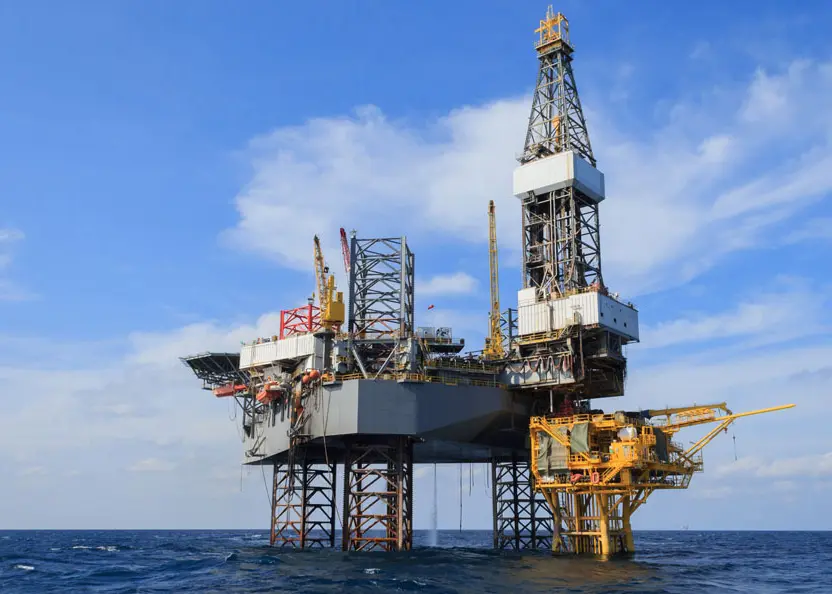
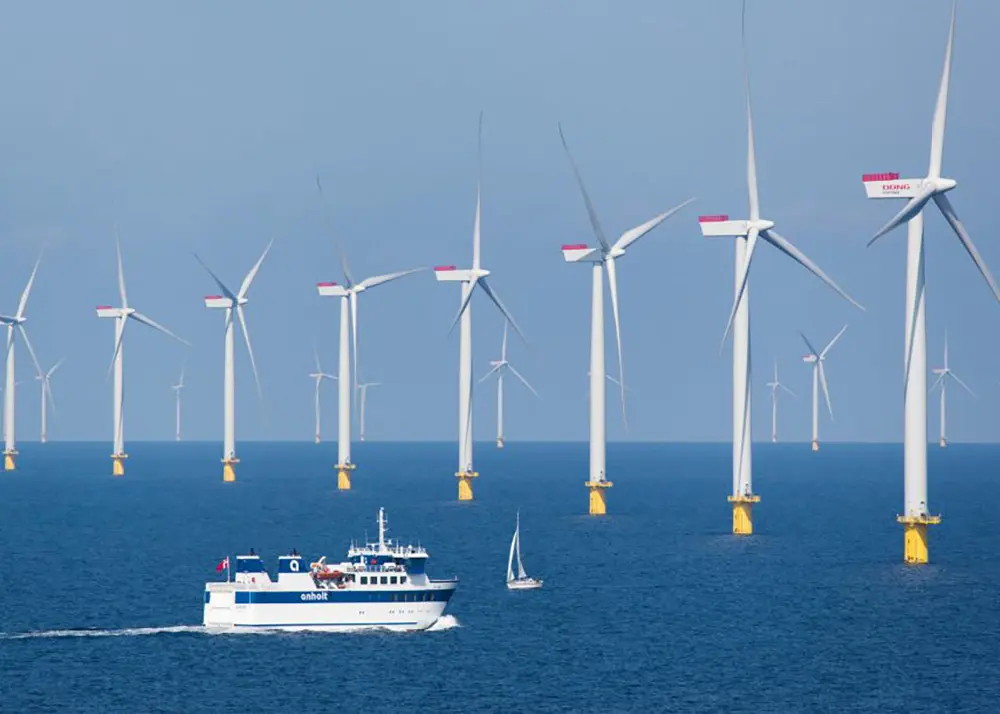
Our fasteners are used in shipbuilding and oceanography engineering, including offshore oil platforms, yacht manufacturing, port machinery, and coastal wind farms. These applications require high resistance to salt spray and seawater corrosion. Typical materials used include high-tensile 2205 duplex stainless steel, Super A4-80, and components with classification society certifications.
Power plants, solar farms, and wind installations experience mechanical vibration and high wind loads. Fasteners must maintain tension over long operational lifecycles without loosening. We provide custom-threaded bolts and high-strength fasteners designed to secure structural joints in both power generation plants and remote substations.
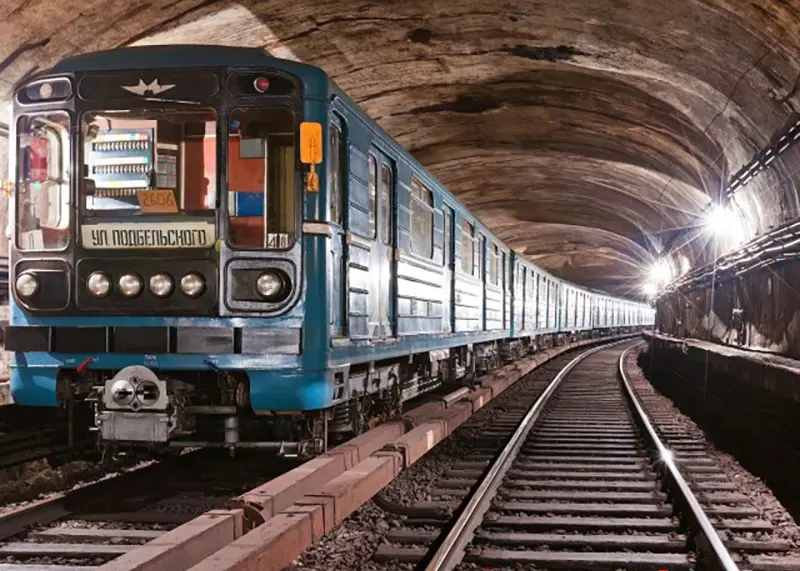
In rail transit infrastructure, fasteners are subject to high vibration and dynamic shear stress. Our high-strength bolts and custom non-magnetic fasteners are engineered to minimize magnetic interference in electrical systems and prevent loosening from continuous vibrations.
Chemical plants and storage terminals require fasteners that can withstand acidic or alkaline environments. We supply fasteners made from Hastelloy, Inconel, and super stainless steel alloys to resist chemical attack and prevent corrosion-induced failure.
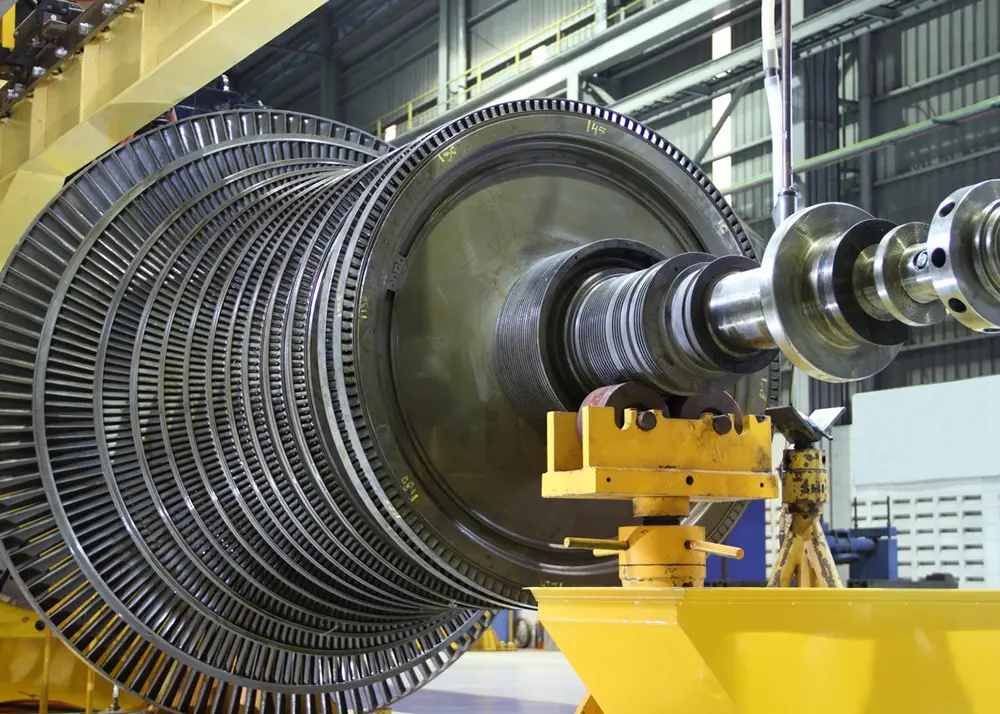
Fastener procurement involves evaluating more than just piece price. It requires looking at total cost of ownership, delivery reliability, quality assurance, and engineering support. Manufacturing fasteners in China offers several efficiency advantages for global supply chains.
Our manufacturing facility in Shanghai operates within a concentrated industrial cluster. This proximity to raw material producers, specialized heat-treatment plants, and surface finishing facilities reduces lead times. We maintain an inventory of 500 tons of specialty raw materials to begin production quickly when custom orders are received.
Each production batch goes through automated inspection protocols to check thread accuracy and dimensional tolerances. Our "Hash Detection" sorting processes help eliminate defects, ensuring consistent installation performance on the job site.
Speak with our engineering team for advice on product selection, raw materials, or installation guidelines.
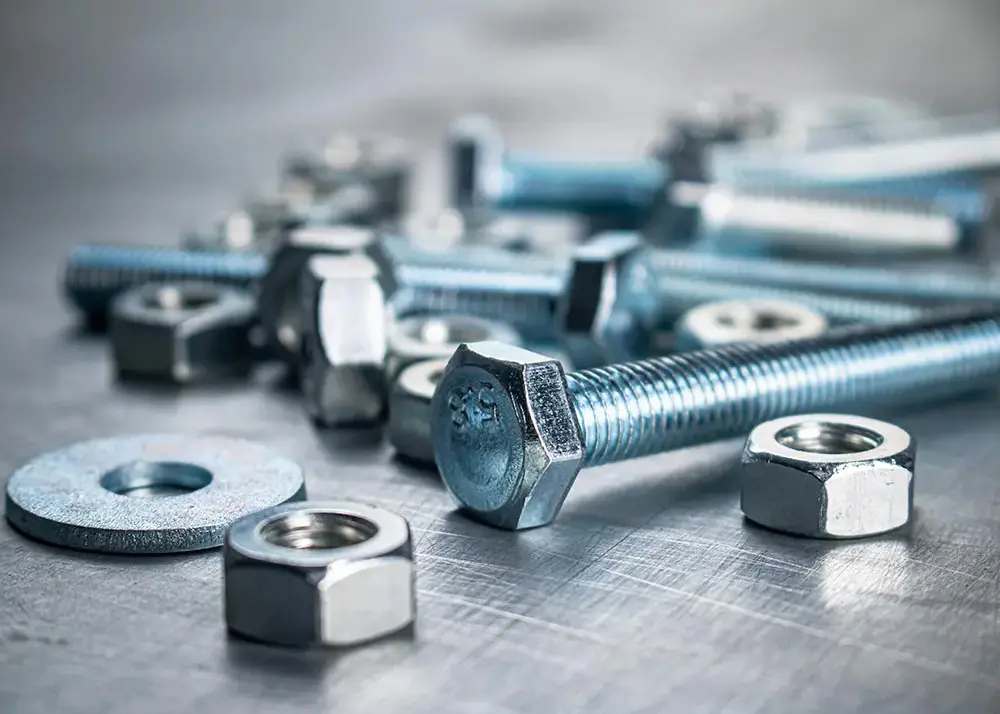
The fastener industry is evolving with new standards and manufacturing practices designed to support modern structural requirements.
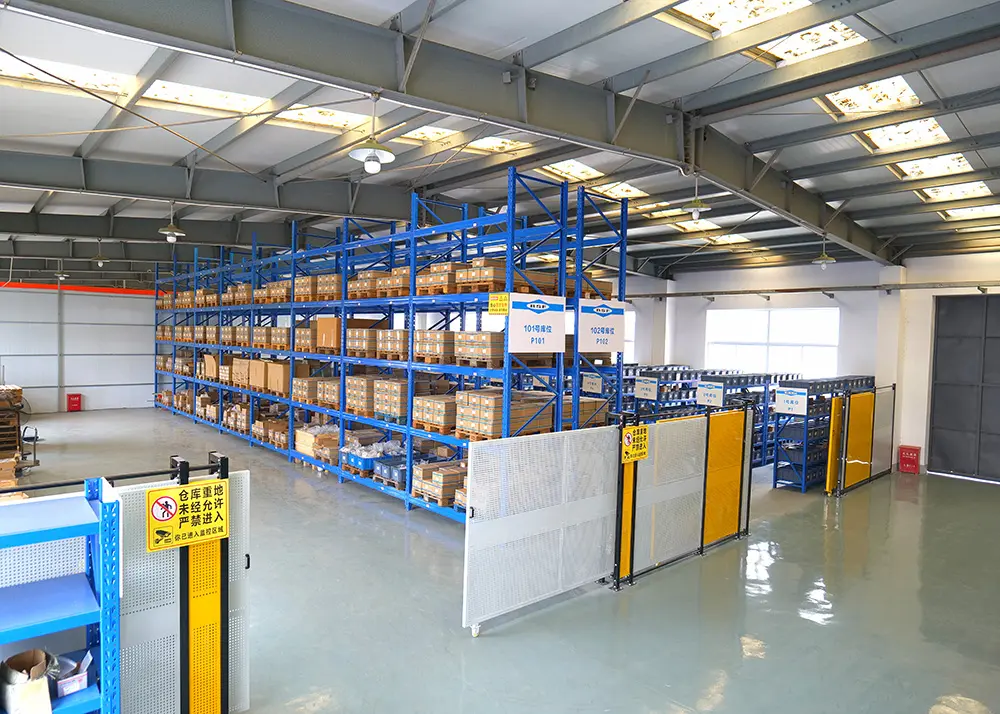
Our warehouse modernization project aims to improve order processing and logistics speed for global shipments.
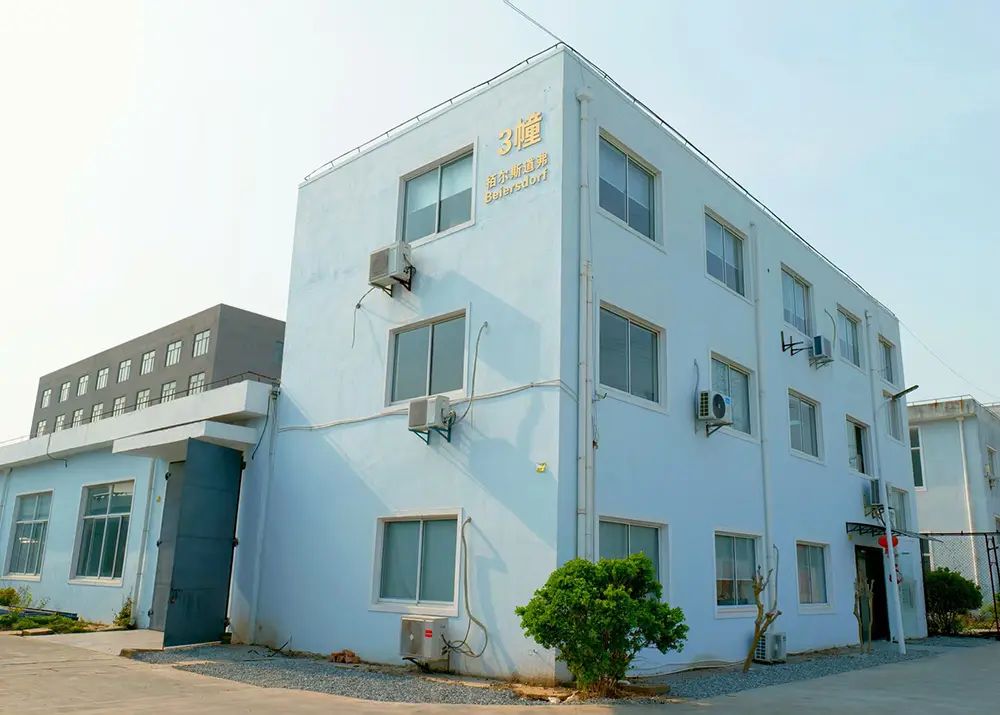
Founded in 2015, Beiersdorf (Shanghai) provides professional fastener solutions to clients worldwide.
Self-drilling screws feature a tip shaped like a drill bit, allowing them to drill their own pilot hole, tap threads, and fasten components in a single operation. Self-tapping screws have a pointed or flat tip and require a pre-drilled pilot hole of a specific size to form or cut threads.
Galvanic corrosion can be prevented by isolating the aluminum sheet from the carbon steel screw. This is typically achieved using EPDM washers, non-conductive sleeve guides, or high-durability barrier coatings like Ruspert or ceramic finishes.
For projects located within 3,000 meters of the coastline, grade 304 or grade 316 stainless steel fasteners are recommended. For extreme offshore marine applications, duplex alloys or specialized composite-coated carbon steels offer high resistance to atmospheric salt spray.
Leaks are typically caused by over-torquing during installation (which damages the EPDM washer), under-torquing (leaving a gap), thermal expansion differences between materials, or degradation of the washer due to UV exposure. Using high-quality EPDM washers and correct torque settings helps prevent these issues.
Our logistical networks support clients across Europe, the Americas, Southeast Asia, and the Middle East.
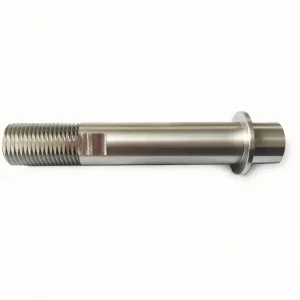
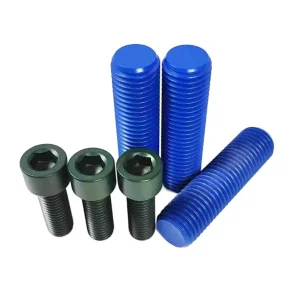
View our specialized components, including low-temperature fasteners, high-strength bolts, and precision-machined elements.
 BSF
BSF