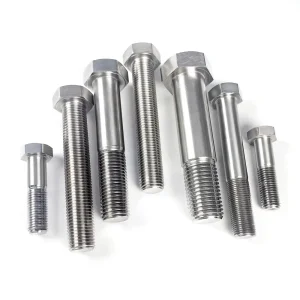
Explore our premium custom solutions including specialized alloys, marine certified fasteners, and ultra-high precision components.
In modern building construction, marine cabin decoration, and industrial partitioning, the plasterboard (drywall) panel assembly remains one of the most critical elements of structural partition architecture. The integrity of these assemblies depends fundamentally on the engineering performance of Custom Self Tapping Plasterboard Screws. As buildings scale higher and interior architectures demand superior load capacity, fire resistance, and acoustic insulation, the humble gypsum screw has undergone a drastic engineering transformation.
Historically, standard drywall fasteners relied on basic carbon steel configurations with rudimentary zinc coatings. However, modern architectural demands require screws that can pierce light-gauge steel frameworks without pre-drilling while simultaneously preventing strip-out and structural failure. Today, the focus has shifted toward high-precision material formulations, thread profiles (such as double-lead and fine-pitch configurations), and specialized bugle heads that prevent tearing of the plasterboard's paper facing.
According to recent global construction engineering trends, there is a distinct surge in the utilization of specialized fasteners in structural panels. Modern plasterboards are no longer simply gypsum; they are integrated with glass-mat facings, cement boards, and heavy-density acoustic layers. Standard screws are prone to structural failure when interacting with these modern composites, driving the necessity for bespoke self-tapping and self-drilling fastener designs custom-engineered for specific substrate thicknesses and environments.
Established in 2015 and based in Shanghai, China, Beiersdorf Industrial Technology (Shanghai) Co., Ltd. has risen to become a premier global manufacturer and exporter of special fasteners and ultra-high precision components. We believe that "Product quality is the foundation for an enterprise's survival." Guided by our core philosophy—"Heart to sunshine, everything to prosperity"—we deliver state-of-the-art fastening solutions tailored for the most demanding applications.
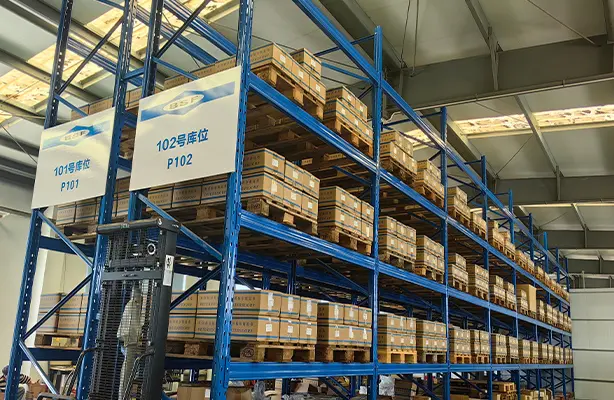
With an advanced 2535 m² Production Base, we maintain a robust inventory of 500 tons of specialized raw materials and over 10,000 tons of finished stainless steel standard parts, allowing us to manage nearly 100,000 product models. This ensures rapid global delivery and uninterrupted supply chains for heavy industrial projects.

The selection of materials for plasterboard fasteners is critical to their long-term reliability. Gypsum boards contain natural moisture and sulfate compounds, which can accelerate the electrochemical corrosion of standard steel screws. In high-humidity coastal zones, marine engineering cabins, or chemical processing plants, standard drywall screws fail rapidly due to rust, leading to sagging partitions and potential structural collapse.
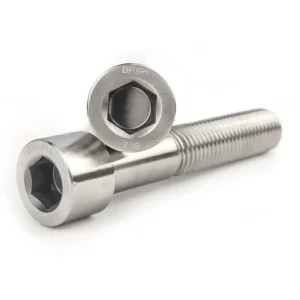
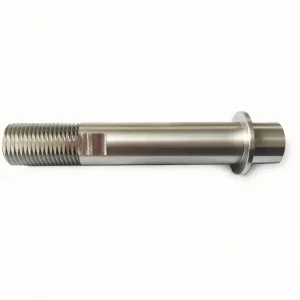
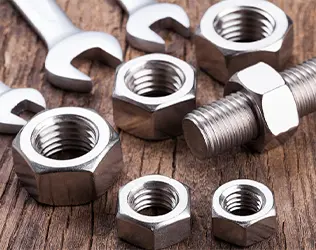
For marine engineering and chemical plants, we offer fasteners in 304, 316, and super duplex stainless steel. For lightweight and extreme applications, titanium alloy options offer outstanding strength-to-weight ratios and absolute corrosion resistance in saltwater environments.
Our plasterboard screws feature custom fine-lead threads optimized for light-gauge steel tracks, and sharp, aggressive coarse threads designed for timber framing. Advanced double-lead thread patterns double the speed of screw penetration, lowering installation fatigue.
The signature bugle head enables flush countersinking without tearing the plasterboard's paper face. A torn paper surface reduces the screw's holding capacity by over 70%. Our precision-machined heads guarantee seamless installations with maximum holding force.
Large-scale infrastructure project managers face distinct challenges when sourcing structural fasteners. Supply chain volatility, inconsistent alloy quality, and non-compliance with regional building codes (such as ASTM C1002, ASTM C954, and EN 14566) can lead to project delays, failed building inspections, and expensive liability claims.
Global procurement teams look beyond unit prices to evaluate total cost of ownership (TCO) and long-term product dependability. Key factors in high-demand industrial sectors include:
Beiersdorf's engineering expertise spans multiple critical fields, translating premium metallurgy into reliable, high-performance products.
High salinity and humidity demand high-durability solutions. Our Classification Society Certified fasteners, including super stainless steel and titanium alloy bolts, ensure lasting stability in cabins, bulkheads, and offshore platforms.
Power generation systems experience strong vibrations and extreme thermal changes. Our alloy fasteners withstand high temperatures up to 1200℃ and maintain physical integrity in extreme environments.
Train and plane interiors require lightweight structural fasteners that resist vibration and mechanical stress. Our precision machined parts and lightweight fasteners ensure secure panel installations.
As construction methods evolve toward modular building designs and off-site prefabrication, the demand for smart, highly efficient fastening technologies is increasing. Our engineering team is focusing on:
Our R&D division continues to push boundaries in product testing and metallurgy:
Technical guidance and installation insights from Beiersdorf's engineering department.
Through robust quality control and modern warehousing, we deliver global supply stability and peace of mind.

We have formulated a highly stringent sampling inspection system, striving to achieve zero defects for every batch leaving our factory.

Our group holds over 100 utility model patents and 8 invention patents, keeping us at the forefront of fastening technology.

We manage nearly 100,000 product models, with 500 tons of special raw materials and 10,000 tons of finished stainless steel standard parts in stock.
Our fasteners are utilized across major global heavy industries, ensuring stability and safety under load.
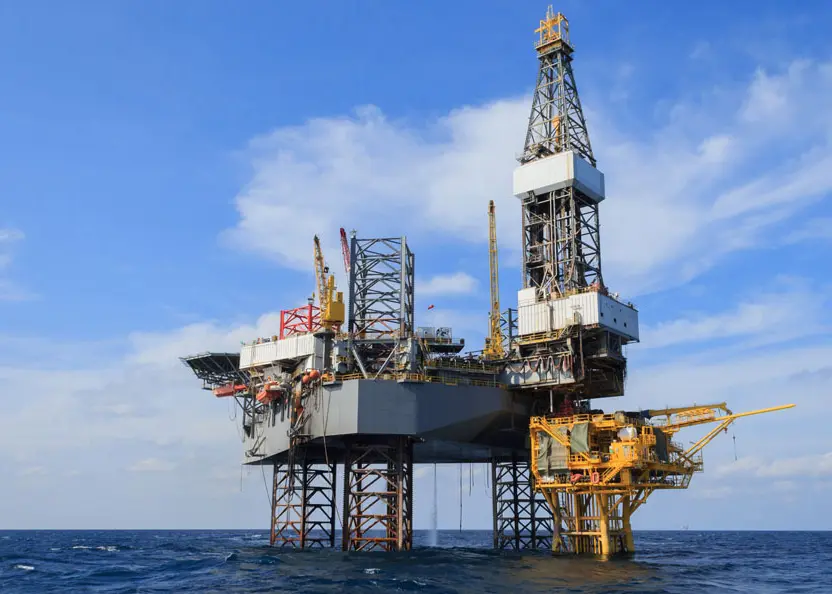
Widely used in marine propulsion, marine accessories, yacht manufacturing, offshore oil drilling platforms, submarine pipelines, offshore wind power, and port machinery. Materials include A4-80, A5-80, D8-80, D6-70, 2205, L7, 40CrNiMoA, and 718.
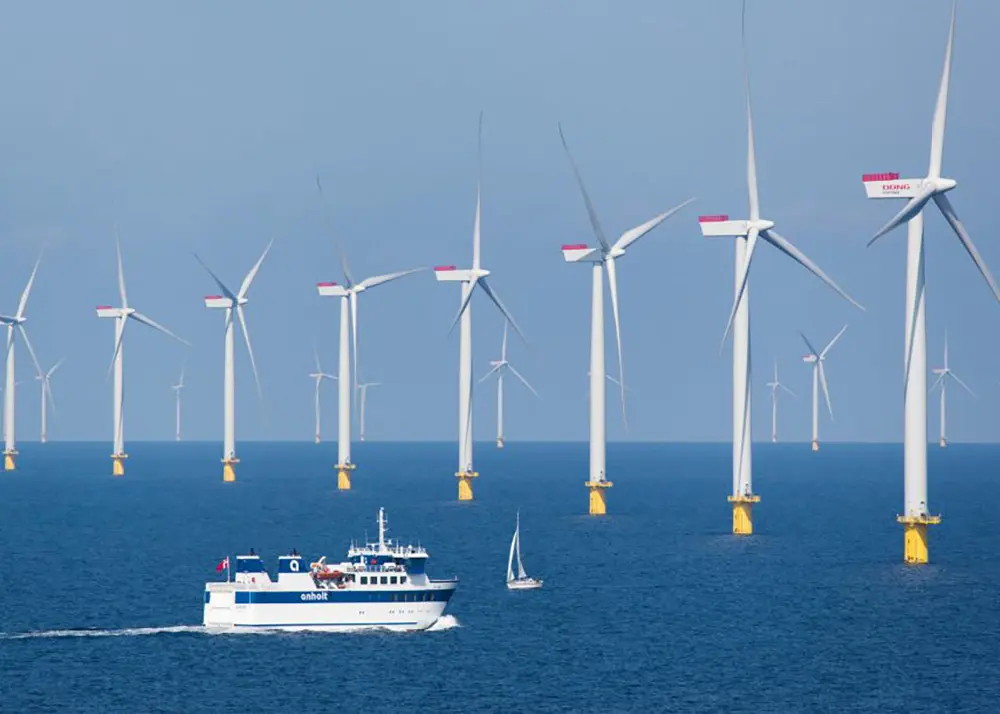
Designed to withstand intense mechanical stress and elevated temperatures, ensuring reliable performance in demanding energy infrastructure setups.
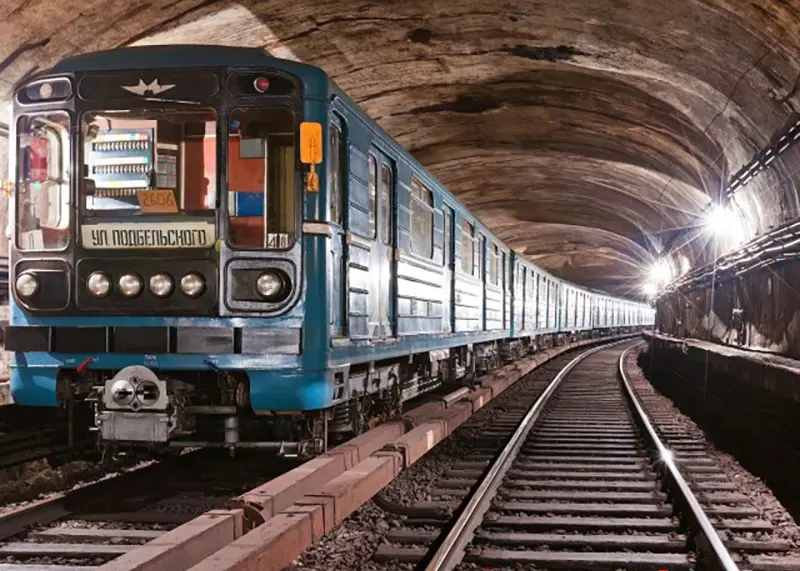
Providing structural components that absorb vibrations and resist shearing stresses in passenger cabins and rail systems.
Beiersdorf provides both premium fasteners and comprehensive technical guidance, assisting with material selection, installation parameters, and maintenance protocols.
Have Any Questions? Call Us Free:
+86(0)21-38022886Need a Consultation? Contact Us 24/7
Discover our range of specialty fasteners designed for high-stress industrial applications.
 BSF
BSF