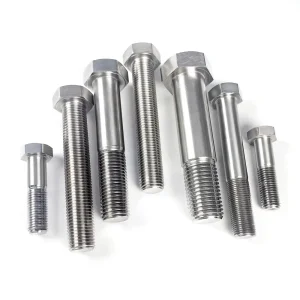
Engineered to withstand extreme pressures and thermal environments within the Northern European manufacturing hubs.
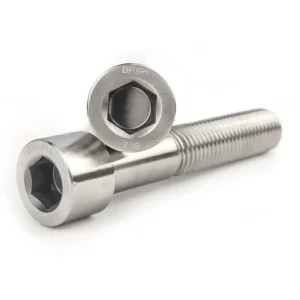
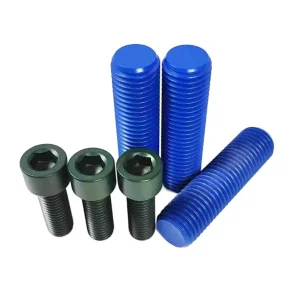
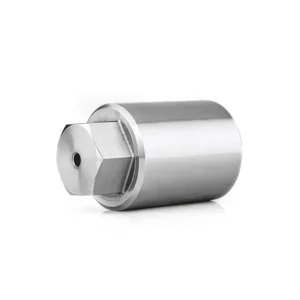
Underpinning our manufacturing with verified test certifications, continuous R&D investments, and unmatched logistics capabilities.

We have formulated the most stringent sampling inspection system, utilizing advanced testing facilities to strive for absolute zero defects across all shipments departing our factory floor.

At present, our entire enterprise group has successfully filed more than 100 utility model patented products and eight pioneering invention patents targeted at extreme conditions.

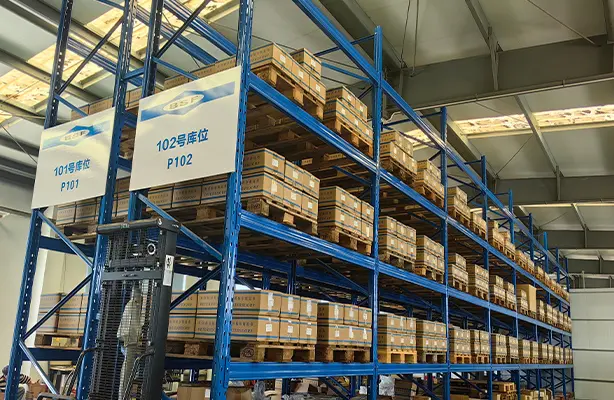
We operate nearly 100,000 product models in-house. This includes over 500 tons of specialized raw materials and 10,000 tons of finished stainless steel standard parts in active stock.
As Northern Europe accelerates its green energy transition, Denmark stands as a pioneering force. The nation's aggressive wind power expansion, carbon capture and storage (CCS) initiatives, and waste-to-energy technologies place unprecedented demands on heavy engineering components. High-temperature fasteners—namely critical studs, bolts, nuts, and precision machined components—form the mechanical backbone of these industrial developments.
In Danish maritime corridors, waste-to-energy facilities like Copenhagen’s iconic Amager Bakke, and regional gas turbine operations, equipment operates at temperatures ranging from 400°C to well beyond 1200°C. Standard carbon or stainless steels experience thermal creep, stress relaxation, and rapid oxidation under these environments. High-performance nickel alloys (such as Inconel 718, Inconel 625), super duplex stainless steels, and cobalt alloys are mandatory to ensure system integrity and prevent catastrophic failure. Working together with leading global logistics networks, our manufacturing facility delivers compliant, certified components that support Denmark’s high engineering standards.
Industrial procurement teams in Denmark, Germany, and broader Scandinavia require uncompromising validation of raw materials. To satisfy these regulatory frameworks, high-temperature fasteners must conform to rigorous design codes:
Beiersdorf Industrial Technology (Shanghai) Co., Ltd. was established in 2015 in the manufacturing and trade hub of Shanghai, China. We specialize in the design, development, and supply of high-precision components, special raw material wire, and extreme-environment fasteners.
 "Product quality is the foundation for an enterprise's survival."
 "Heart to sunshine, everything to prosperity."

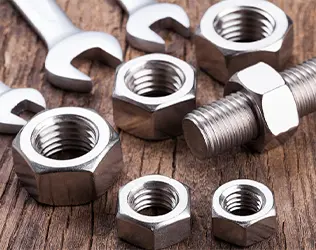
Advanced metallurgy options configured for demanding physical environments.

Specifically manufactured utilizing high-toughness nickel alloys to maintain ductility and resist embrittlement in liquid helium and LNG shipping setups.

Delivering lightweight performance, structural stability, and a tensile strength of up to 1900 MPa for high-performance subsea systems.

Retains tensile and shear load capacities up to 1200℃ in gas turbine chambers, waste incinerators, and aerospace applications.
Global logistics bottlenecks have emphasized the critical importance of supply chain agility. European engineering firms, particularly in Denmark, cannot afford project delays caused by lead times for bespoke components. Through our Factory 4.0 infrastructure in Shanghai, Beiersdorf reconciles speed with precision.
Our facilities integrate Automated Optical Inspection (AOI), digital coordinate measuring devices, and automated smart warehousing. This ensures that custom orders for high-temperature fasteners can transition from structural blueprinting to final production quickly. By stocking 500 tons of specialty raw alloys—such as Titanium Grade 2 and 5, Inconel 718, Nimonic, Hastelloy, Monel, and A4-80 stainless steel—we mitigate raw material price fluctuations and supply blockages. This provides our Danish partners with reliable timelines and predictable pricing.
The selection of raw materials defines the service limits of industrial fasteners. The table below highlights key engineering indicators across alloy families:
| Material Class | Common Grade Representative | Max Continuous Temp (°C) | Minimum Temp (°C) | Primary Application Fields |
|---|---|---|---|---|
| Super Stainless Steel | Duplex 2205 / 2507 | 300°C | -50°C | Subsea structures, offshore wind towers, desalination |
| Nickel Alloys | Inconel 718 / 625 | 700°C | -250°C | Exhaust manifolds, high-temp steam valves, aerospace |
| Cobalt Alloys | Stellite 6 / Custom Alloys | 950°C | -270°C | Gas turbine components, industrial heating systems |
| Refractory Titanium | Ti-6Al-4V (Grade 5) | 400°C | -196°C | Weight-critical aerospace structures, naval engineering |
Where our custom fasteners perform under extreme environmental stresses.
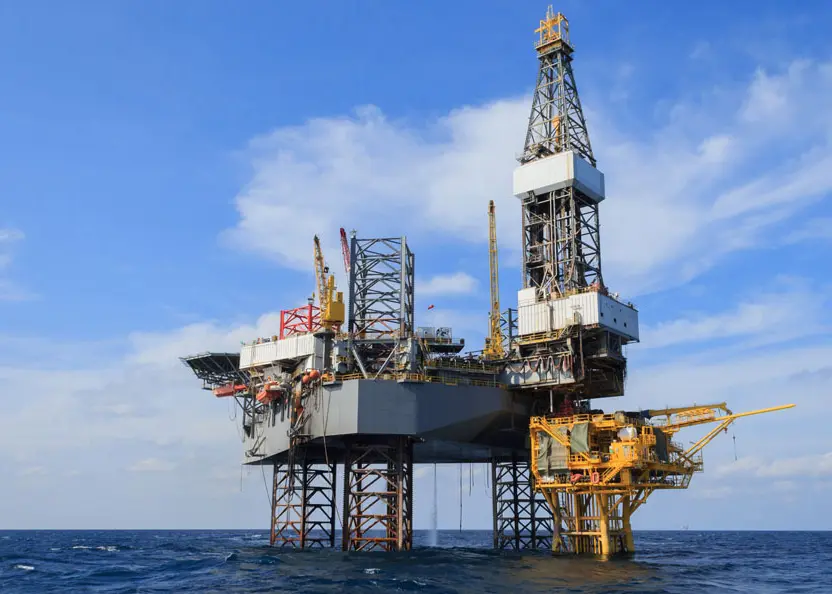
Our special fasteners are widely used in the field of shipbuilding and oceanography engineering, specifically in the manufacture of specialized vessels, marine propulsion systems, yacht manufacturing, offshore drilling platforms, submarine pipelines, and offshore wind turbines. We regularly deliver certified connections using materials such as A4-80, A5-80, D8-80, Duplex 2205, L7 steel, and Grade 718 alloys, complete with Classification Society certificates.
Beiersdorf serves as both a supplier of special fasteners and an engineering consultant. We provide technical guidance on product selection, raw material qualification, and performance analysis under stress.
Connect with our technical engineering desk 24/7.
Updates on engineering standards, internal capabilities, and global trends.
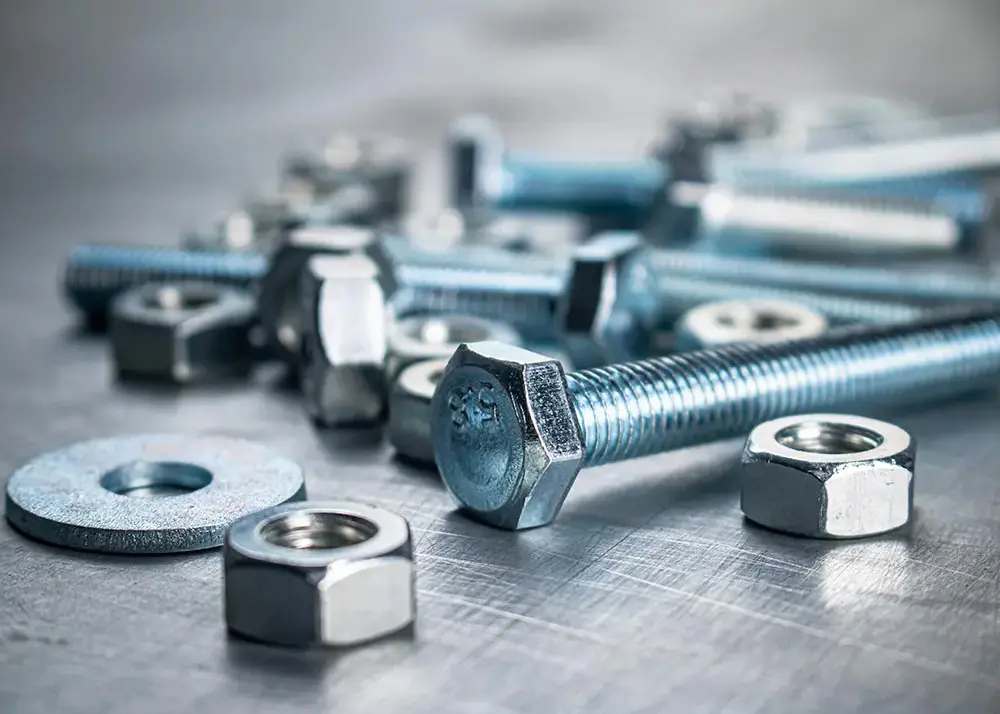
In the heart of the global industrial landscape, the fastener industry stands as a crucial component driving the machinery of progress. As we step into 2025...
View Details >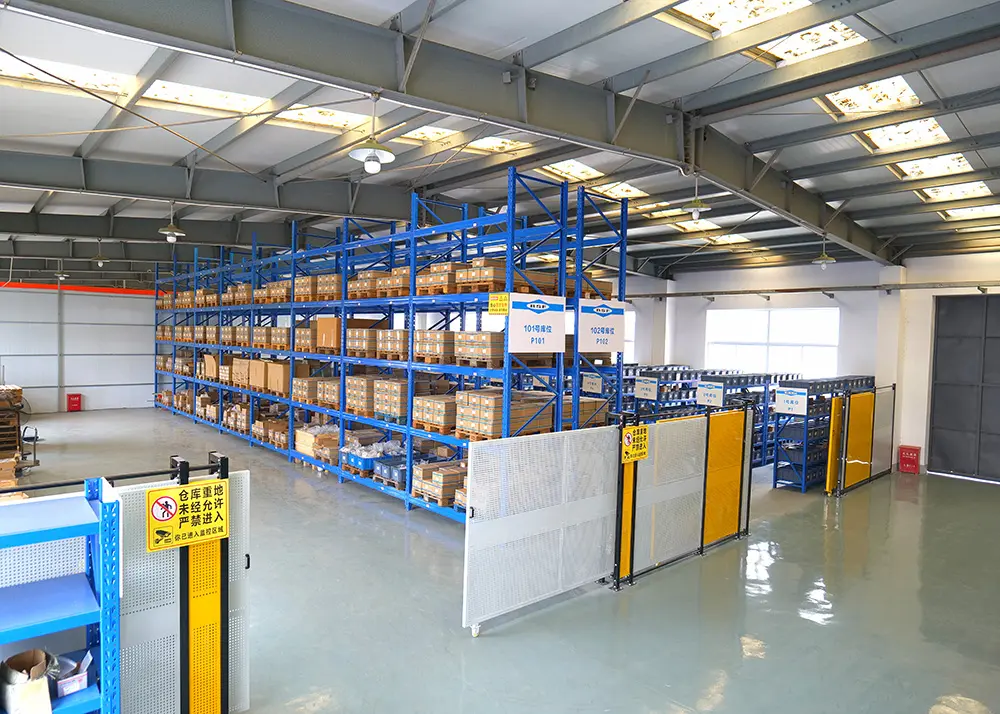
Beiersdorf, a leading global fasteners supply company, has announced the commencement of a comprehensive warehouse renovation project to optimize workflow...
View Details >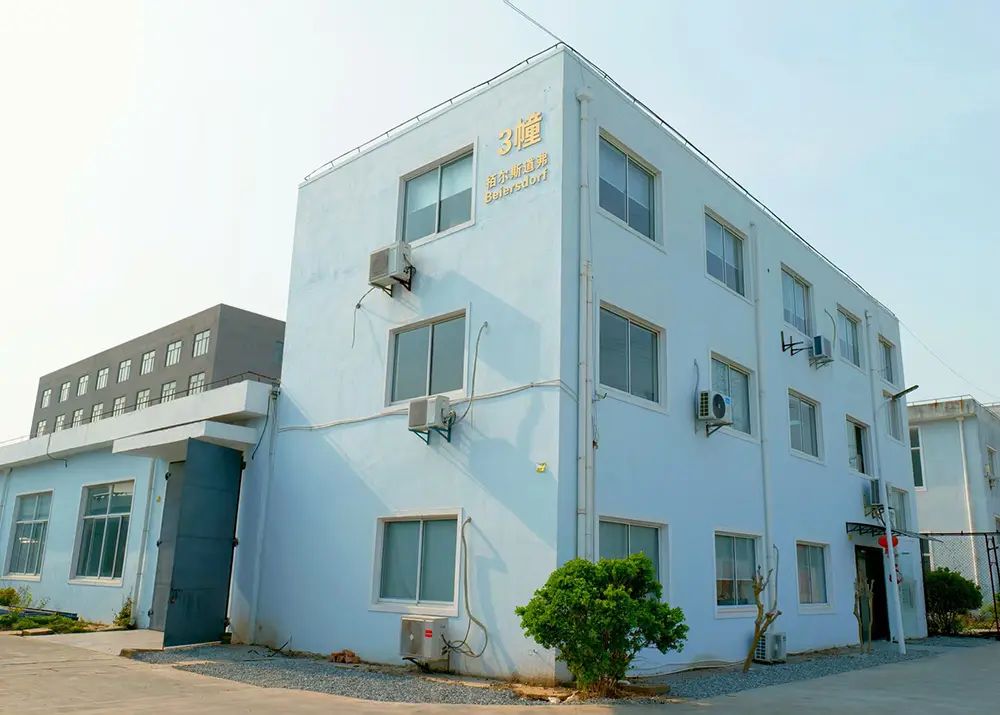
Beiersdorf (Shanghai) was founded in 2015. We are a company with a global perspective dedicated to providing professional fastener solutions for high-performance fields...
View Details >Shipping high-temp fasteners directly from our Shanghai logistics center to Danish industrial ports and global distribution networks.


Technical answers for procurement officers and structural engineers operating in the Danish market.
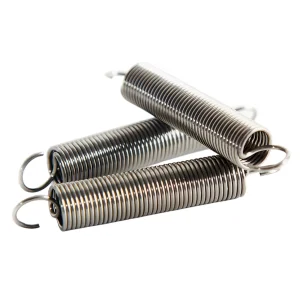
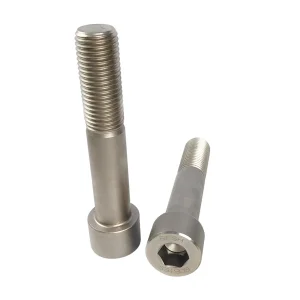
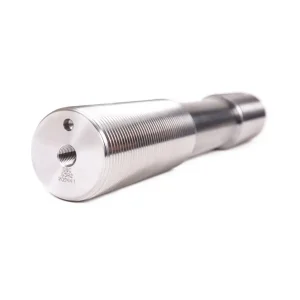
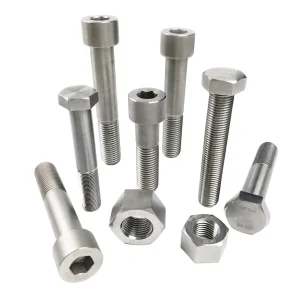
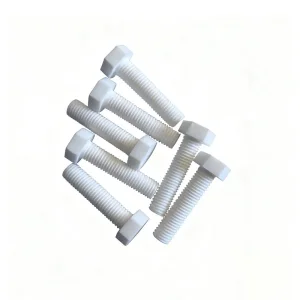
Explore our specialized components developed for critical industrial applications in the Denmark region.
 BSF
BSF