 BSF
BSF
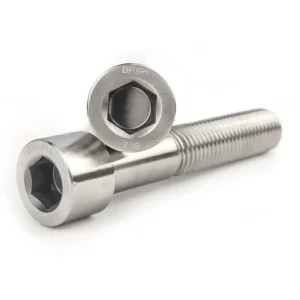
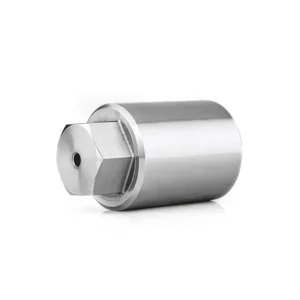
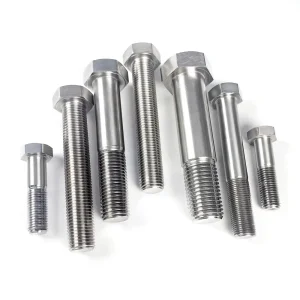
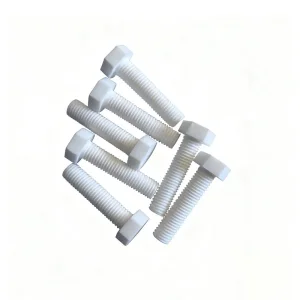
Executive Summary: High-Temperature Fastening Demands in Great Britain
In high-pressure and high-temperature (HPHT) industrial systems, mechanical fasteners represent the critical link between operational safety and structural failure. In the United Kingdom, where demanding safety frameworks like the UK Pressure Equipment Safety Regulations (PESR) and stringent health and safety standards govern operations, selecting premium alloy fasteners is essential. Operating at temperatures ranging from 400°C to well over 1000°C exposes standard carbon steel and traditional stainless steel to creep deformation, accelerated oxidation, and stress relaxation. This technical analysis explores the industrial requirements of the United Kingdom market, illustrating how specialized metallurgical solutions address challenges in modern thermal systems.
The United Kingdom Industrial Landscape & High-Temperature Applications
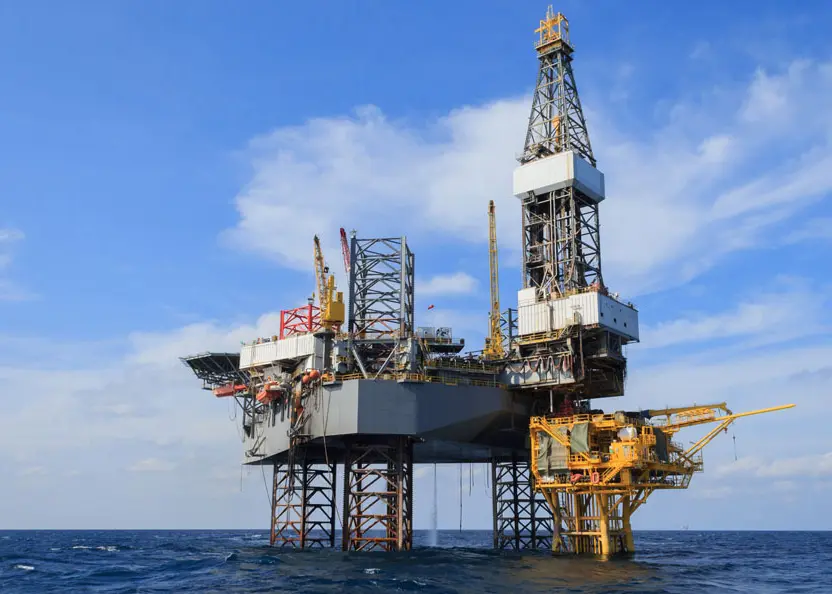
The UK's advanced engineering sectors demand high-performance components. Across key regions—from the North Sea offshore oil and gas developments to the aerospace corridors in the Midlands, and the nuclear plants along the coast—specialized high-temperature fasteners serve essential functions:
- Aerospace & Propulsion Systems: Centered in areas like Derby and Bristol, UK aerospace engineering requires superalloys (such as Inconel 718 and Nimonic series) for turbine engines, exhaust manifolds, and combustion systems operating at temperatures above 800°C.
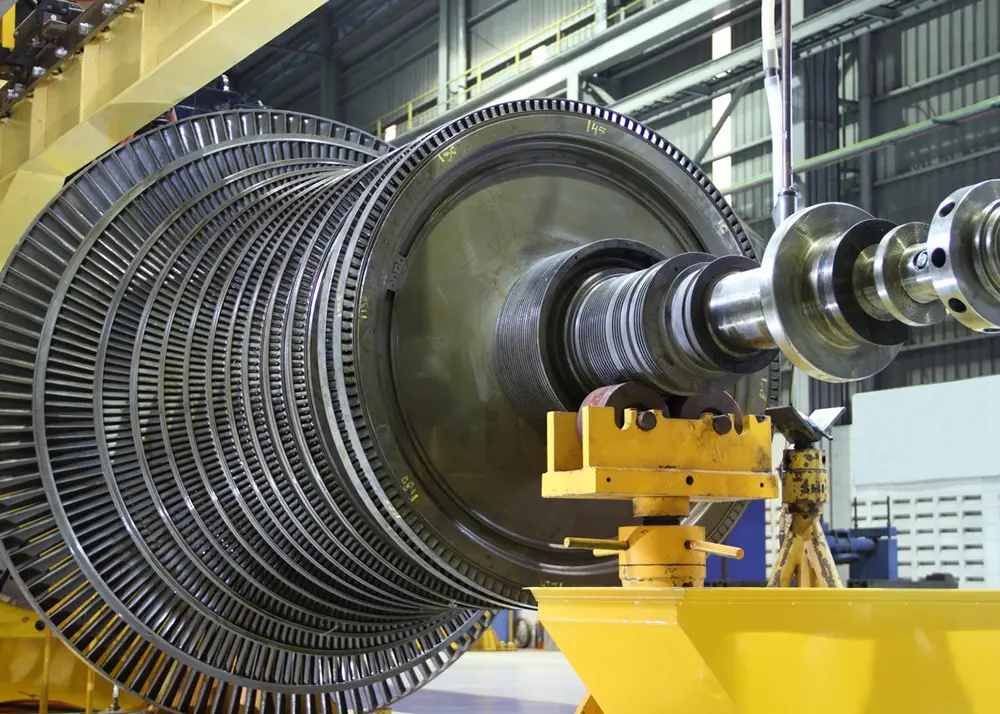
- Nuclear and Conventional Power Generation: As the UK upgrades its nuclear fleet (e.g., Hinkley Point C and Sizewell C), reactor containment structures, steam generators, and primary loops rely on certified high-tensile alloy fasteners designed to resist radiation-induced creep and thermal stresses.
- Petrochemical & Refining Infrastructure: Major UK processing sites like Grangemouth and Fawley operate thermal cracking units and gasifiers. These systems process highly corrosive fluids at high temperatures, requiring stress-corrosion cracking (SCC) resistant alloys.
- Motorsport & Advanced Automotive: The UK’s "Motorsport Valley" leads in high-stress thermal management, where specialized titanium and nickel alloys are used to reduce weight and withstand high temperatures in turbochargers and exhaust paths.
Understanding Thermal Creep and Stress Relaxation
At elevated temperatures, metal alloys experience creep—a slow, progressive deformation occurring below the yield strength under constant mechanical stress. In bolted joints, this leads to stress relaxation, where the initial bolt preload drops over time. This loss of clamping force can result in joint separation, leakage of high-pressure steam or volatile gases, and catastrophic structural failure. To prevent this, our manufacturing processes utilize advanced thermal treatment regimens to control grain sizes and optimize precipitation hardening in nickel, cobalt, and titanium matrices.
| Alloy Classification | Material Designation | Recommended Operating Range | Key Attributes & Primary Local Applications |
|---|---|---|---|
| Nickel Superalloys | Inconel 718 / 625, Waspaloy | -250°C to 700°C+ | High tensile strength, oxidation resistance. Ideal for UK aerospace gas turbines and nuclear reactor vessels. |
| Cobalt Alloys | L-605, Haynes 188 | Up to 1000°C+ | Excellent resistance to sulfidation, thermal shock, and wear. Used in industrial furnace muffles and waste heat boilers. |
| Titanium Alloys | Gr. 5 (Ti-6Al-4V) | Up to 400°C | Excellent strength-to-weight ratio. Preferred in motorsport turbo housings and weight-critical aerospace joints. |
| Duplex Stainless | Duplex 2205 / Super Duplex | -50°C to 300°C | Exceptional resistance to chloride stress corrosion. Perfect for North Sea marine risers and subsea installations. |