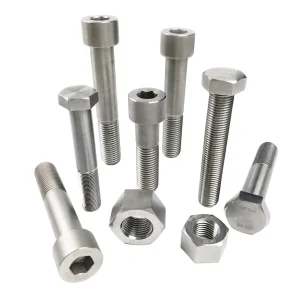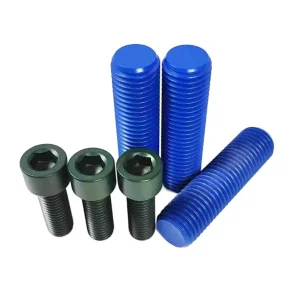
In high-precision mechanical assemblies, structural integrity under extreme thermal conditions represents one of the most complex challenges in materials science. At sub-zero temperatures, standard structural metals undergo a phenomenon known as the Ductile-to-Brittle Transition (DBT). Fasteners exposed to cryogenic fluids or polar environments face drastic reductions in impact energy absorption capabilities, leading to sudden, catastrophic shear failures. This engineering whitepaper addresses the demand for high-strength, corrosion-resistant, and low-temperature stable fastening systems tailored specifically for the critical marine, chemical, gas logistics, and advanced scientific sectors of Sydney and the broader Australian market.
Our commitment as a leading manufacturer and exporter centers on supplying fasteners that operate flawlessly down to -270°C. Utilizing specific alloy configurations—such as stabilized austenitic stainless steels, titanium alloys, nickel-based superalloys (such as Inconel), and cobalt-based materials—we ensure Sydney's industrial operators receive products with high tensile strengths, resistance to hydrogen embrittlement, and verified notch toughness.
Sydney's industrial configuration is uniquely demanding. As a vital oceanic port city handling extensive LNG (Liquefied Natural Gas) shipments, bulk maritime trade, and advanced defense contracts at locations like Garden Island, the local requirement for specialized fasteners is highly critical. Infrastructure networks in Botany Bay and Port Kembla require equipment that can withstand high salinity atmospheres alongside deep-freeze environments. Cryogenic processes in liquid oxygen (LOX) and liquid nitrogen storage facilities—common across medical networks and aerospace testing facilities in New South Wales—depend heavily on the structural reliability of every bolted joint.
Furthermore, Australia's strict regulatory compliance structure, including Australian Standards (AS/NZS), demands high traceability and documented testing metrics. Suppliers targeting this market must provide more than raw products; they must supply verifiable proof of chemical composition, yield strength profiles at sub-zero temperatures, and certified Charpy V-notch impact performance. Through a coordinated export framework from Shanghai, Beiersdorf Industrial Technology bridges this compliance gap, providing Sydney projects with reliable access to advanced high-strength fasteners.
Established in 2015 and located in Shanghai, China, Beiersdorf Industrial Technology (Shanghai) Co., Ltd. is a specialized enterprise engaged in the engineering, fabrication, and export of high-end custom fasteners and ultra-precision machined components. Our core focus centers on challenging industrial environments requiring extreme low-temperature resistance, high tensile capabilities, and chemical protection.
 "Product quality is the foundation for an enterprise's survival."
 "Heart to sunshine, everything to prosperity"
We supply critical parts to demanding fields, including shipbuilding, oceanic engineering, petrochemical facilities, clean energy transport, high-speed rail systems, and precision electronics. Our engineering processes are optimized to meet the technical specifications of global markets, with a dedicated supply chain serving the Sydney industrial basin.


We operate a strict sampling inspection framework to drive our manufacturing closer to zero defects, ensuring absolute reliability for safety-critical operations.

Our group maintains over 100 utility model patents and 8 invention patents, prioritizing innovations in high-stress and extreme thermal applications.

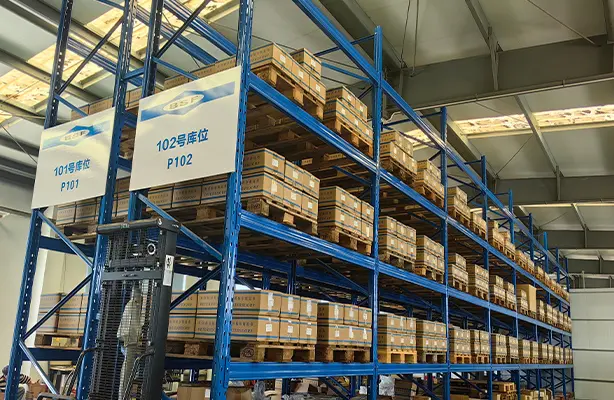
We maintain a rolling inventory of 500 tons of specialty raw materials and 10,000 tons of finished stainless steel standard parts to minimize client lead times.

Austenitic structures engineered to prevent brittle failure under liquid helium and nitrogen temperatures.

Combining high strength-to-weight ratios with resistance to sea water and harsh atmospheres.

Superalloy systems designed to withstand elevated mechanical loads in petrochemical environments.
Advanced heat treatment options that optimize yield limits for heavy-duty structural designs.
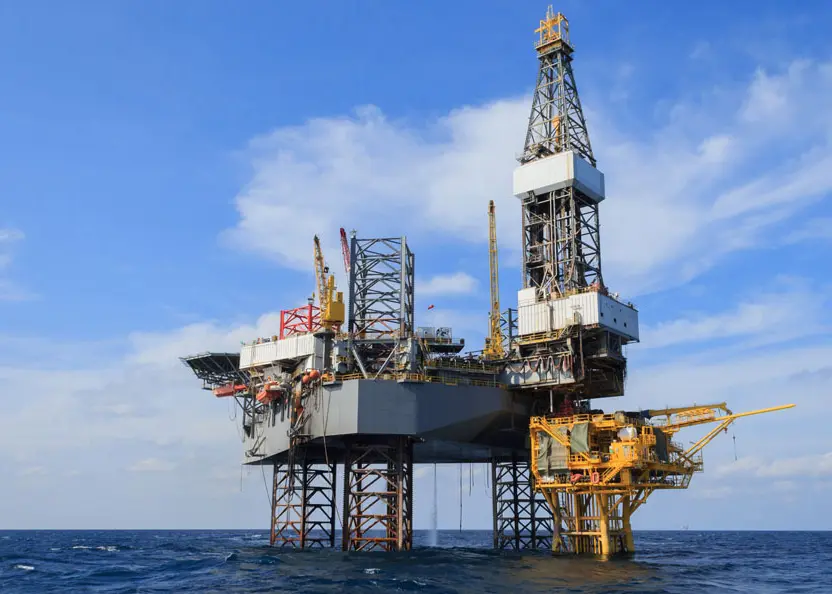
Our specialty fasteners are widely used across shipbuilding and marine engineering applications, specifically in the production of specialized vessels, marine propulsion systems, offshore oil drilling rigs, submarine pipeline connections, offshore wind farms, and port infrastructure.
These specialized components include high-performance grades such as A4-80, A5-80, D8-80, D6-70, 2205 Duplex Stainless Steel, ASTM A320 Grade L7, 40CrNiMoA, Alloy 718, and EN14399 steel structure assemblies, with full support for marine classification certifications.
Designing fasteners for cold service requires careful alloy selection. Ferritic steels feature a body-centered cubic (BCC) crystal structure, which transitions to a brittle state at sub-zero temperatures. In contrast, austenitic stainless steels possess a face-centered cubic (FCC) crystal structure, which maintains its notch toughness and ductility down to cryogenic limits (-196°C to -270°C). By retaining a stable austenitic phase, our fasteners prevent brittle fractures in critical piping and structural joints.
Operating from our production base in Shanghai, we manage a highly integrated shipping pipeline directly to Port Botany in Sydney. Recognizing that project delays can impact overall profitability, we maintain 500 tons of specialty raw materials in stock to handle custom projects without delay. Our partnerships with international shipping and air-freight logistics companies ensure seamless customs clearing and delivery to industrial sites throughout New South Wales.
Our low-temperature fastener production complies with critical international standards, including:
The fastener industry is moving toward higher performance margins and structural transparency. Key trends shaping development include:
Beiersdorf provides complete engineering consultations and design support, covering materials selection, custom dimensions, thread configurations, and post-installation reviews.
Need a technical consultation? Contact our engineering team 24/7.
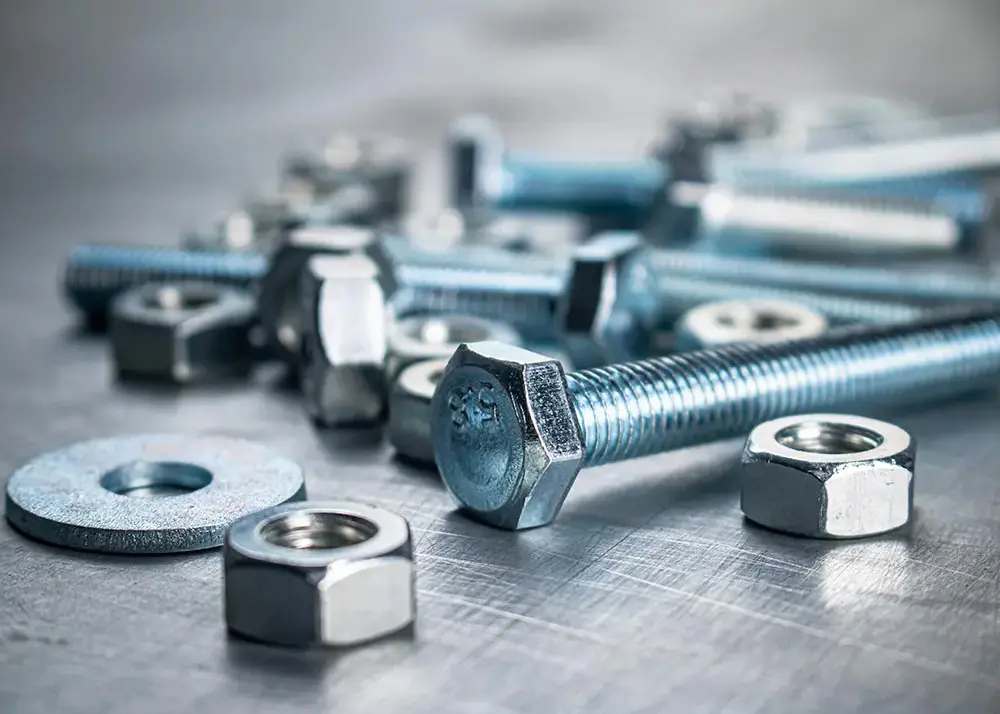
The industrial fastener sector is modernizing through advances in smart manufacturing, environmental compliance, and higher performance materials to support clean energy transitions.
Read More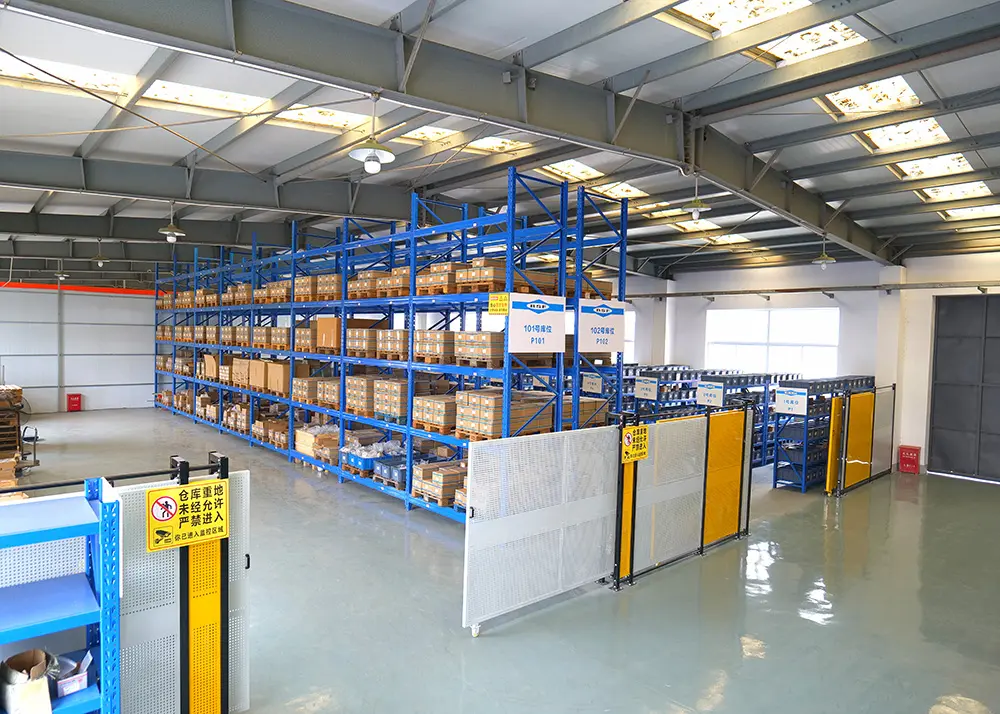
To support increasing export demand, we are upgrading our Shanghai logistics center to streamline order processing and reduce transit times for overseas shipments.
Read More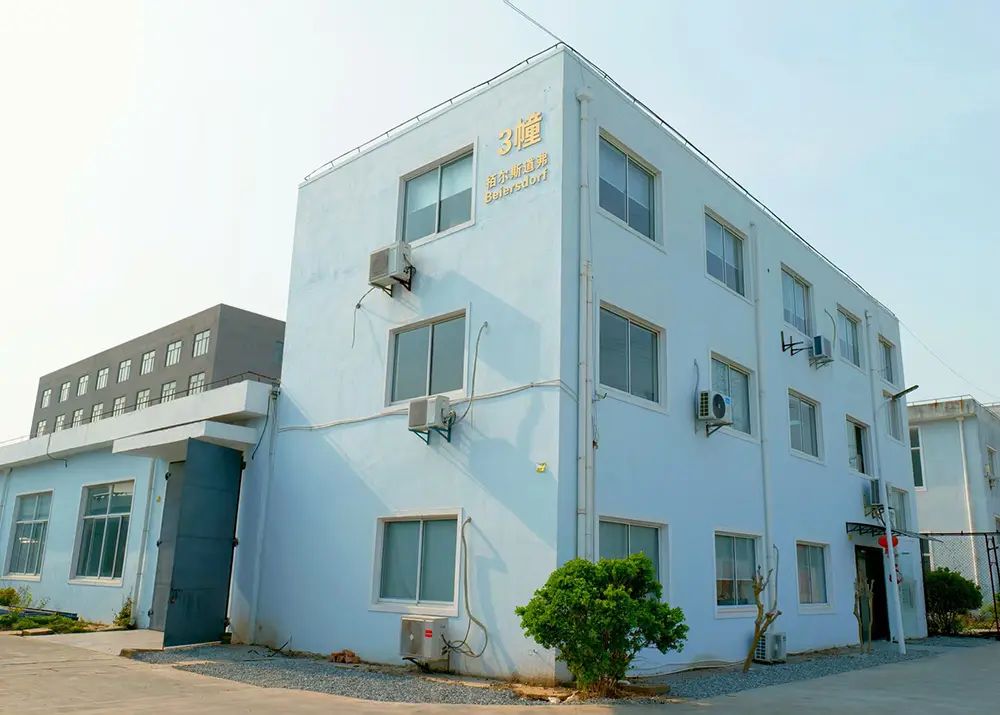
Founded in 2015, Beiersdorf focuses on offering certified mechanical fasteners that perform in challenging structural and environmental applications.
Read More
 BSF
BSF