Indonesia's position as a premier global hub for Liquefied Natural Gas (LNG) production, combined with its rapidly expanding petrochemical sector, has created a critical demand for specialized industrial components. Projects like the Bontang LNG facility in East Kalimantan, the Tangguh LNG project in Papua, and the development of major petrochemical refineries in Surabaya and Cilegon demand structural components that remain reliable under severe operational stresses.
Cryogenic systems operate at temperatures below -150°C (-238°F). Standard carbon steel fasteners undergo a transition from ductile to brittle behavior at sub-zero temperatures, rendering them susceptible to sudden, catastrophic failures under tension. Consequently, the specification of dedicated Low Temperature Fasteners is essential to ensure safety, environmental compliance, and structural integrity across Indonesia's critical industrial infrastructure.
Selecting materials for cryogenic and low-temperature applications requires careful consideration of sub-zero impact toughness. The primary standard governing these materials is ASTM A320, which defines requirements for alloy and stainless steel bolting materials.
To verify suitability, materials undergo Charpy V-Notch impact testing to confirm they meet minimum energy absorption criteria at designated test temperatures. This prevents brittle fracture failures in demanding applications.
| ASTM Grade | Material Type | Minimum Service Temp | Impact Test Temp | Typical Industrial Applications in Indonesia |
|---|---|---|---|---|
| ASTM A320 L7 | Low-Alloy Steel (Cr-Mo) | -101°C | -101°C | High-pressure gas pipelines, midstream distribution valves. |
| ASTM A320 L7M | Low-Alloy Steel (Modified) | -73°C | -73°C | Sour gas plants, environments requiring NACE MR0175 compliance. |
| ASTM A320 L43 | Ni-Cr-Mo Alloy Steel | -101°C | -101°C | Heavy-duty flanges, thick-walled cryogenic vessels. |
| ASTM A320 B8/B8M | Austenitic SS (304 / 316) | -270°C | -196°C | LNG storage tanks, liquid nitrogen facilities, offshore platforms. |
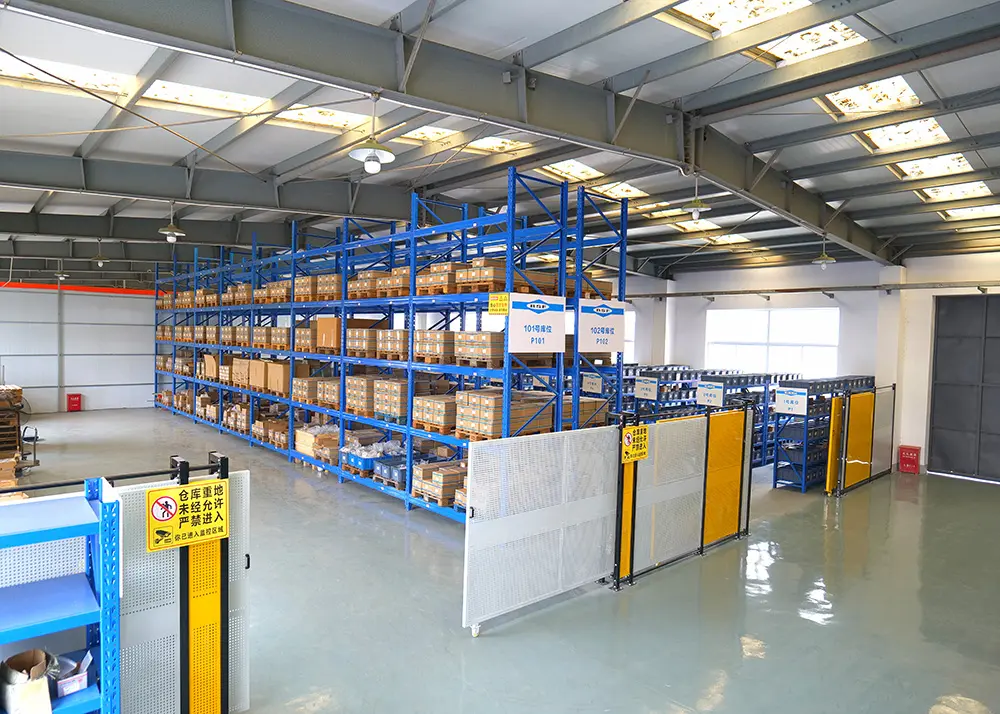
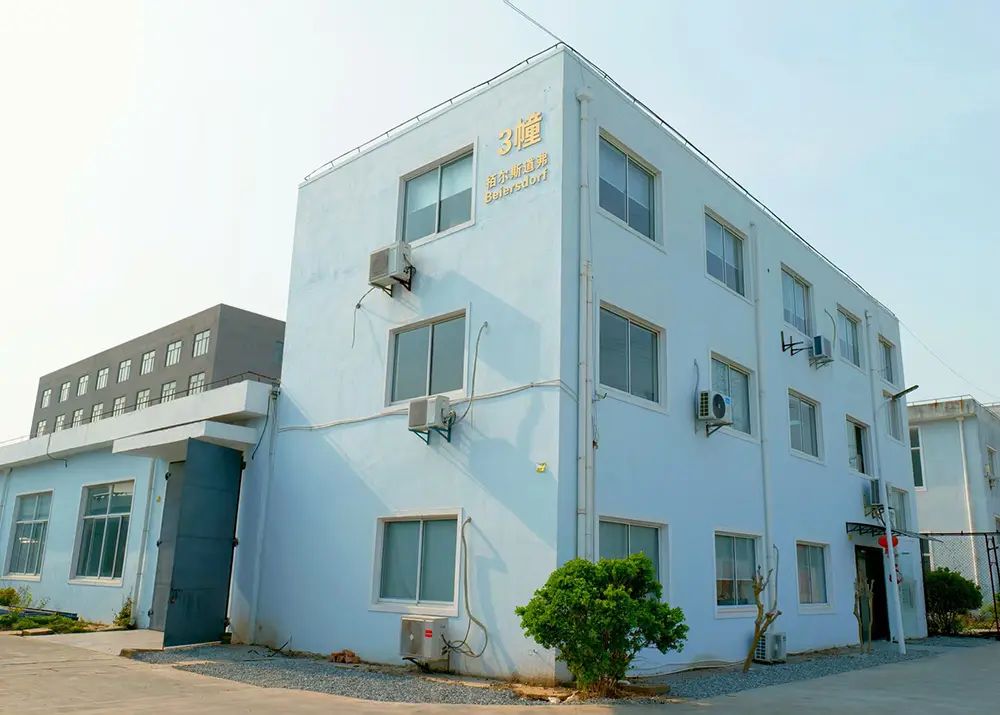
Beiersdorf Industrial Technology (Shanghai) Co., Ltd. (established in 2015, located in Shanghai, China) operates an advanced 2,535 m² manufacturing facility optimized for high-precision components and specialized fasteners. Our factory integrates automated hot forging, CNC machining, and automated thread rolling to deliver high dimensional accuracy and repeatable quality.
Our quality management system centers around strict inspection processes, including Hash Detection and spectral analysis, designed to eliminate metallurgical defects before shipment. By holding 500 tons of specialized raw materials and 10,000 tons of finished stainless steel standard parts in stock, we provide Indonesian projects with reliable supply chains, mitigating lead-time risks for both planned turnarounds and unexpected shutdowns.
Our products support the critical requirements of several major industrial sectors:
As the global energy landscape transitions toward cleaner resources, Indonesia is actively exploring hydrogen fuel systems and expanding its carbon capture, utilization, and storage (CCUS) capabilities. Transporting and storing hydrogen requires managing temperatures down to -253°C (liquid hydrogen state). At these ultra-cryogenic limits, selecting correct fasteners becomes even more critical.
Our engineering teams are collaborating with research partners to develop next-generation superalloys and surface treatment processes. These innovations aim to reduce friction coefficients during installation, prevent galling in stainless steel fasteners, and improve resistance to hydrogen embrittlement. Through these advancements, Beiersdorf supports the infrastructure requirements of tomorrow's energy projects.
We implement a strict sampling and testing regimen, including Ultrasonic and Magnetic Particle inspections, to target zero defects for all outgoing products.
Our research group holds over 100 utility model patents and 8 invention patents, reflecting our focus on technical innovation and product development.
We maintain an inventory of over 100,000 product models, backed by a raw material reserve of 500 tons and 10,000 tons of finished stainless steel parts.
ASTM A320 covers alloy steel and stainless steel bolting materials for low-temperature service. Unlike standard structural carbon steels, which become brittle at low temperatures, ASTM A320 materials are alloyed (e.g., with Nickel, Chromium, and Molybdenum) and heat-treated to retain ductile behavior, preventing brittle failures in cryogenic environments.
Generally, ASTM A193 B7 bolts are rated down to -29°C (-20°F). For operating temperatures below this threshold, ASTM A320 Grade L7 is typically specified. Although both grades are manufactured from similar chromium-molybdenum steels, A320 L7 bolts undergo mandatory Charpy impact testing at -101°C to verify sub-zero toughness.
Galling is a common issue with stainless steel threads under high loads. We address this by applying specialized dry-film lubricants (such as PTFE, molybdenum disulfide, or silver plating) and maintaining tight thread-fit tolerances during the manufacturing process.
Yes, we supply custom fasteners certified by leading classification societies (including BKI, ABS, DNV, LR, and BV), suitable for marine engineering, offshore oil platforms, and port handling machinery.
Orders depart from our Shanghai facilities and are shipped directly to main ports such as Tanjung Priok (Jakarta), Tanjung Perak (Surabaya), and Balikpapan (Kalimantan). Ocean freight transit times typically range from 8 to 14 days, supported by our raw material reserves to minimize production times.
Beiersdorf provides technical consultation and support, assisting with material selection, standards compliance, and post-installation support.
 BSF
BSF