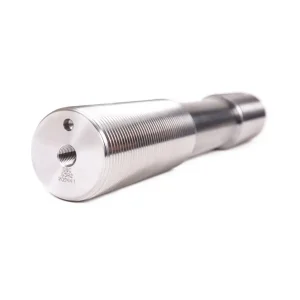
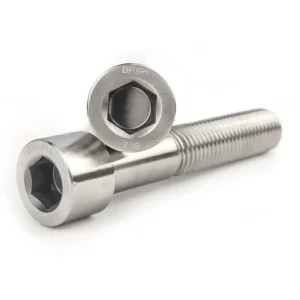
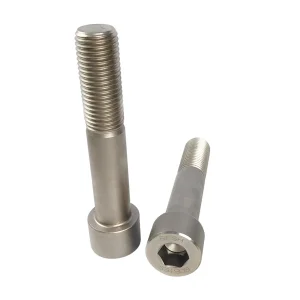
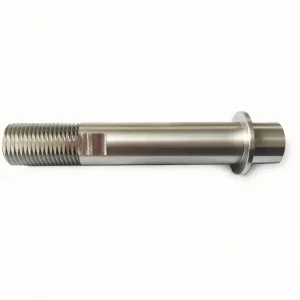
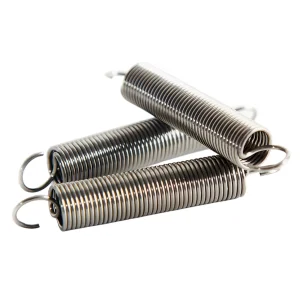
Flat self-tapping screws—commonly referenced under industrial standard frameworks such as DIN 7982, ISO 7050, and ASME B18.6.3—serve as the mechanical bedrock for countless structural and architectural applications worldwide. Unlike traditional bolts that require a pre-threaded nut or pre-tapped installation cavity, self-tapping fasteners are engineered to yield high axial preload by generating their own mating threads in the parent material. Flat head or countersunk configurations are explicitly chosen by mechanical design engineers to deliver a flush surface profile, which reduces aerodynamic drag, eliminates external snagging hazards, and allows secondary structures to fit seamlessly without offset clearance.
From an engineering standpoint, the torque-tension relationship of a flat head self-tapping screw is governed by its specific thread geometry (Forming Type AB versus Cutting Type B) and the pilot hole preparation dimensions. Thread-forming configurations plastically deform the substrate material, shifting it outward to establish a zero-clearance, high-friction lock that is inherently resistant to vibration-induced back-out. Conversely, thread-cutting screws feature integrated flute geometries that slice clean threads into harder or more brittle materials (like zinc castings or rigid plastics), storing tension through precise engagement. Understanding these differences is critical for procurement teams who source components destined for load-bearing assemblies in structural sheet metals, transport machinery hulls, and telecommunication housings.
The mechanical performance of flat (countersunk) fasteners depends heavily on the countersink angle—most commonly 82 degrees in American imperial standards and 90 degrees in European metric systems. When fully seated, the conical bearing surface of the flat head distributes the clamp load radially and axially across a larger surface area compared to pan or hex head fasteners. This geometric design decreases localized stress concentrations, mitigating the risk of material deformation in softer substrates such as aluminum alloys or engineering plastics. However, achieving this flush-fit design demands tight manufacturing tolerances. Micro-misalignments in thread pitch or concentricity can lead to uneven bearing pressure, yielding premature fatigue failure under cyclic loads.

To assure absolute reliability, we have formulated the most stringent sampling inspection system, utilizing high-precision optical and magnetic sorting systems to strive to achieve zero defects for all products leaving our facility.

Innovation defines our engineering philosophy. Currently, our group holds more than 100 utility model patented products and 8 invention patented products, pushing the envelope of fastener performance limits.

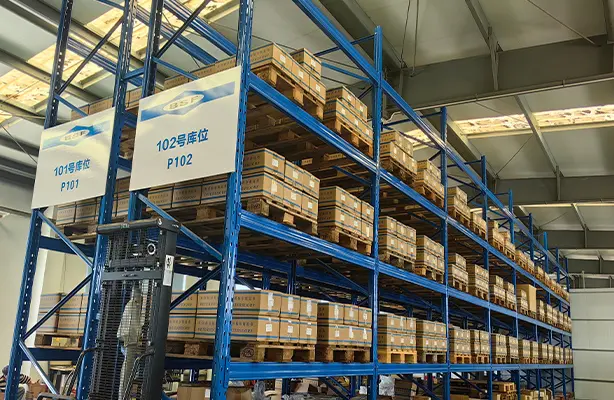
We manage nearly 100,000 product models in our SKU matrix, holding 500 tons of special raw materials and 10,000 tons of finished stainless steel standard parts in stock for immediate worldwide dispatch.
Established in 2015 and strategically located in the global industrial hub of Shanghai, China, Beiersdorf Industrial Technology is a premier enterprise mainly engaged in the R&D, manufacturing, and international trade of special fasteners and ultra-high precision components. Our team works closely with leading material research centers to design systems that survive extreme environmental stresses.
Guided by our foundational business philosophy, "Product quality is the foundation for an enterprise's survival" and "Heart to sunshine, everything to prosperity", we stand committed to offering technical advisory services, rapid prototyping, and scalable OEM production batches that meet strict quality expectations.
 Survival Foundation
 Prosperity & Alignment

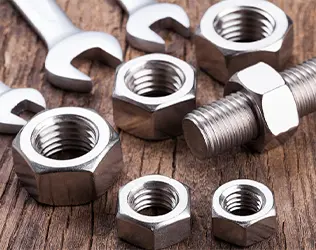

Stable grain structure for cryogenic assemblies.

High strength-to-weight ratio & corrosion stability.

Resistant to severe wear and thermal shock.
Superior performance under acidic environments.
Widely certified flat self-tapping series.
Highest tier mechanical structural strength.
Maintains thread integrity at extreme thermal limits.
In modern industrial applications, standard carbon steel and classic A2 stainless steel fasteners are often insufficient. As engineering limits expand, industrial design teams working on aerospace structures, offshore wind turbines, deep-sea exploration vessels, and medical electronics require extreme-performance components. Selecting the appropriate alloy for flat self-tapping screws and machined parts demands a thorough analysis of environmental chemistry and mechanical stresses.
For applications involving liquefied natural gas (LNG) transport ships, deep space exploration systems, and cryogenic processing systems, standard steel fasteners face the risk of low-temperature embrittlement. Below key transition temperatures, materials lose their impact toughness and are prone to sudden fracture. Beiersdorf designs cryogenic fasteners utilizing specialized austenitic stainless steels (such as high-alloy grades with optimized nickel-chromium profiles) and nickel superalloys. These alloys retain their face-centered cubic (FCC) crystal structure down to absolute zero, preventing brittle fracture and maintaining the clamping force required in extreme environments.
For jet propulsion systems, turbine exhaust manifolds, and industrial furnaces, fasteners must maintain their structural integrity at elevated temperatures. High temperatures accelerate creep deformation and lead to stress relaxation. Under these conditions, standard fasteners lose their preload and loosen over time. To solve this, Beiersdorf manufactures high-temperature fasteners using advanced superalloys such as Inconel (625, 718), Hastelloy, and Cobalt-based superalloys. These materials utilize solid-solution strengthening and precipitate phase dispersion to resist creep and high-temperature oxidation up to 1200°C.
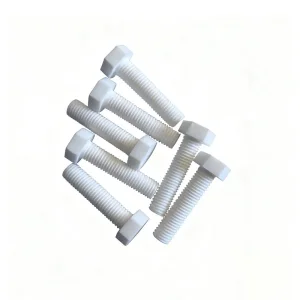
In precision manufacturing machinery, electronics assembly, and medical imaging devices (such as magnetic resonance imaging scanners), magnetic interference can disrupt system calibrations and distort sensor signals. Standard steel fasteners are highly magnetic, and even standard cold-worked 304/316 stainless steels can develop micro-magnetic properties during cold heading. Beiersdorf addresses this with custom titanium alloy and non-magnetic plastic fasteners. These components provide high tensile performance while maintaining a low relative magnetic permeability (μr ≈ 1.00005), ensuring reliable operation for sensitive electronic and medical equipment.
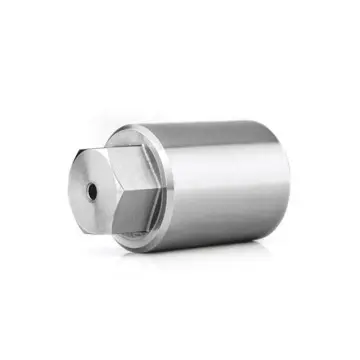
Specially designed for electronics, medical equipment, and precision machinery.
Learn More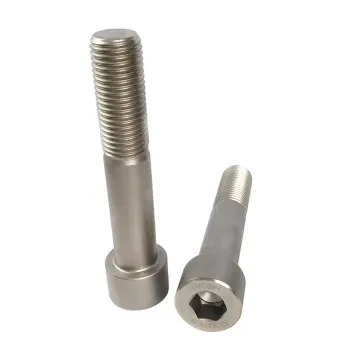
Includes super stainless steels, nickel alloys, and titanium alloys.
Learn More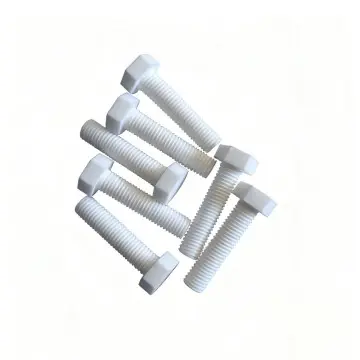
Lightweight, non-conductive, and highly resistant to chemical corrosion.
Learn More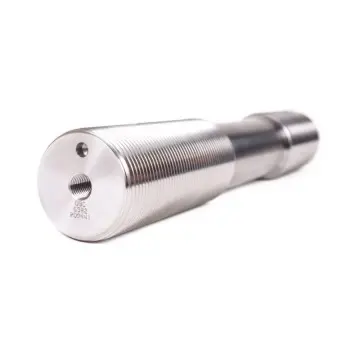
Certified fasteners for marine engineering, offshore drilling, and shipbuilding.
Learn More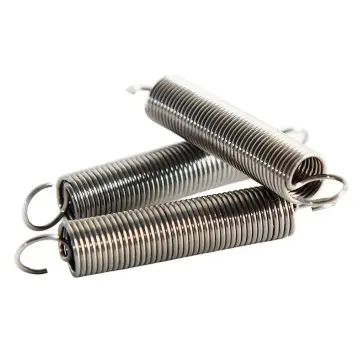
High-tensile raw material wire engineered for high-cycle applications.
Learn More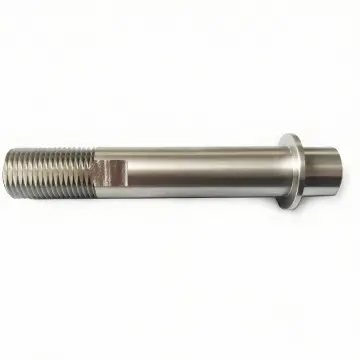
Ultra-high precision machining for electronics and semiconductor tooling.
Learn More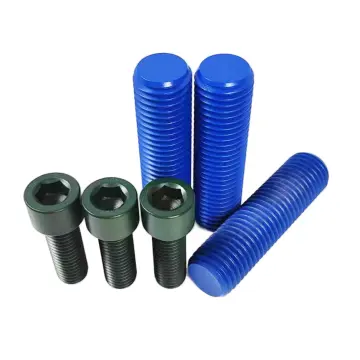
Optimized for reliable mechanical stability down to cryogenic levels.
Learn More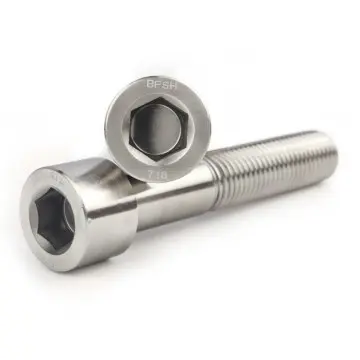
Maintains yield strength and limits relaxation under high-heat conditions.
Learn MoreOur special fasteners are widely used in the field of shipbuilding and oceanography engineering, specifically in the manufacture of special ships, marine propulsion, marine accessories, yacht manufacturing, offshore oil drilling platforms, submarine pipelines, offshore wind power, underwater lifeboats, port machinery, and dock construction. These special fasteners mainly include A4-80, A5-80, D8-80, D6-70, Duplex 2205, L7, 40CrNiMoA, Alloy 718, and EN14399 steel structure connection systems, all available with classification society certificates.
Explore Marine Standards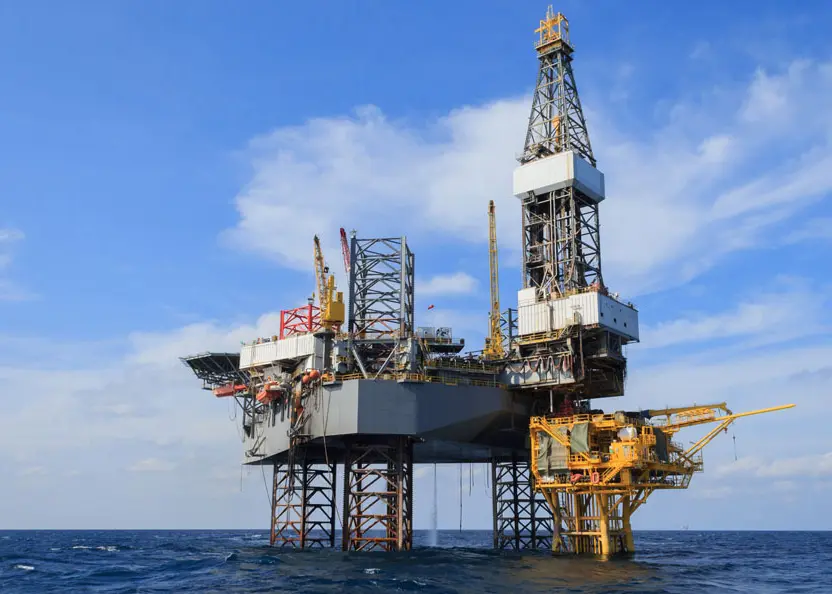
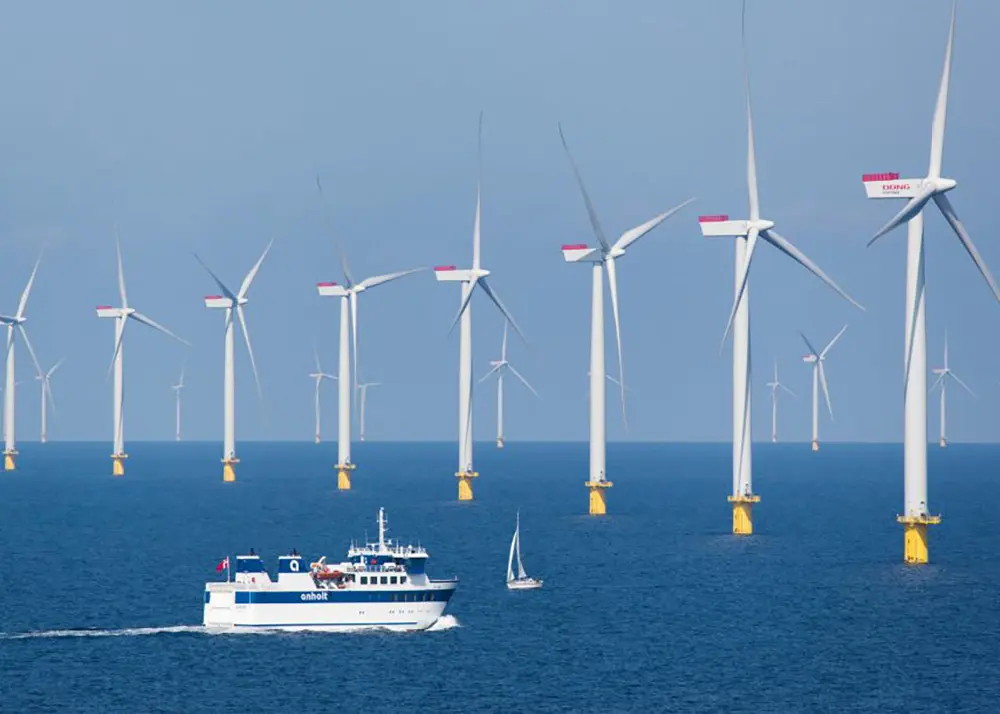
Providing specialized fasteners for wind turbine nacelles, heat exchangers, gas turbines, and structural piping systems.
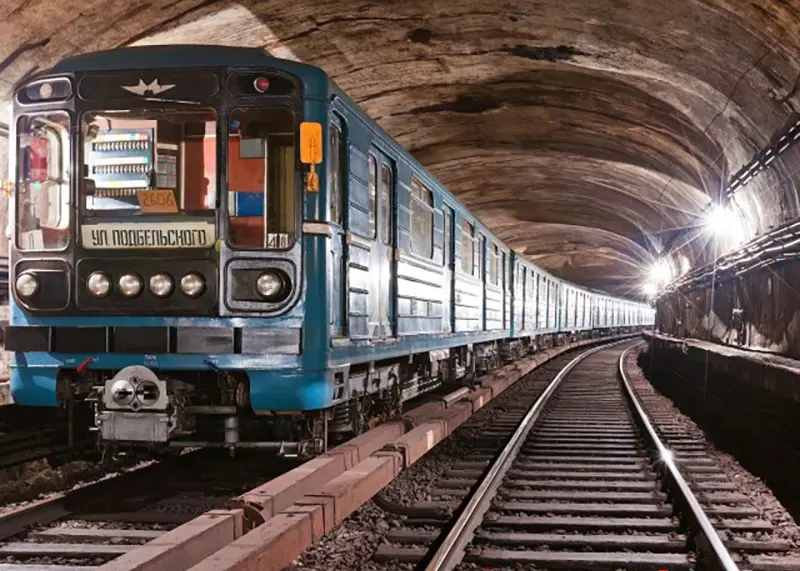
Supplying vibration-resistant self-tapping components and high-tensile connection assemblies for rolling stock.

Providing ultra-precision components and non-magnetic micro screws for 5G telecommunication base stations.
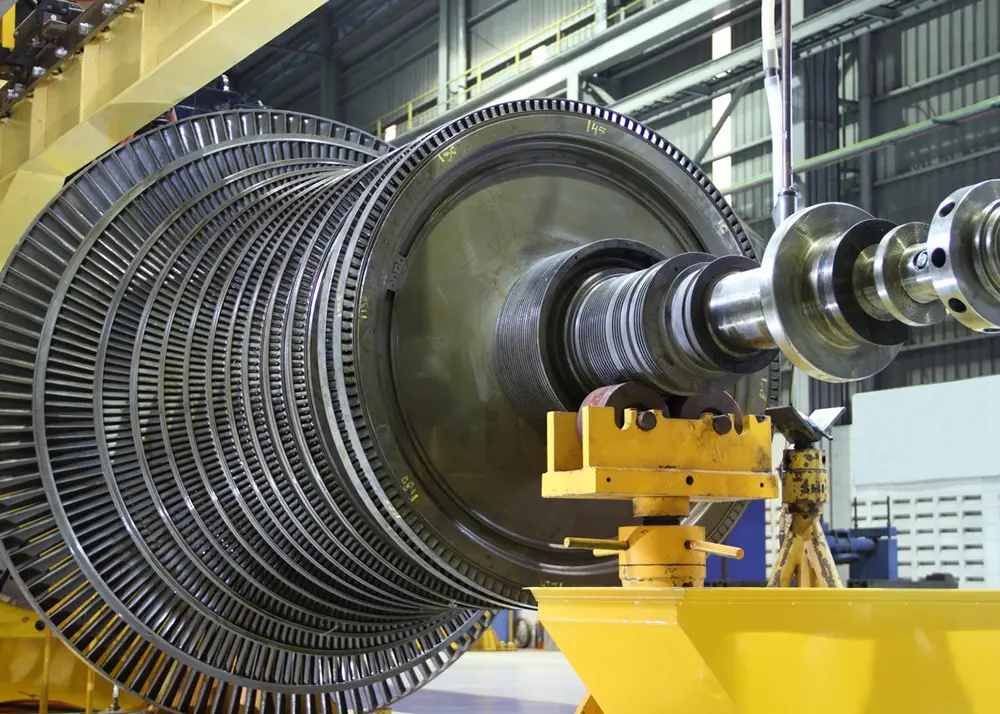
Fastener solutions offering chemical resistance and load stability for high-pressure refineries.
The global fastener manufacturing sector is moving toward digitalization, automation, and advanced environmental sustainability. The design of flat self-tapping screws is evolving beyond simple geometries. Emerging industrial standards demand multi-functional capabilities, including integrated sealing rings, anti-galling thread coatings, and optimized drive geometries that minimize assembly line down-time.
Traditional cross-recessed (Phillips) drive designs are prone to cam-out under high torque, which can damage the fastener and the surrounding substrate. The industry is shifting toward six-lobe (Torx/hexalobular) and custom security drive geometries. Six-lobe drives provide a 15-degree drive angle, which reduces radial stress, eliminates tool slippage, and allows for higher torque transmission. This enables automated assembly systems to operate with lower contact pressure, reducing worker fatigue and extending tool life.
In high-volume automated manufacturing, consistent torque-tension behavior is essential. Varied friction coefficients can lead to inconsistent clamp loads, potentially causing joint failure or over-tightened fasteners. Advanced micro-layered coatings, including zinc-flake coatings, dry-film lubricants, and polytetrafluoroethylene (PTFE) treatments, are utilized to stabilize friction. These coatings provide reliable torque-tension characteristics and offer corrosion protection without the risk of hydrogen embrittlement associated with traditional electroplating processes.
Modern procurement strategies depend on supply chain visibility and traceability. Beiersdorf utilizes specialized Enterprise Resource Planning (ERP) integrations to track raw material heats, cold-heading tool life, and quality control batches. By utilizing advanced barcode systems and digital certificates (including EN 10204 3.1 certification), we provide complete material traceability from the initial raw wire melt to the final installed assembly.
Flat heads feature a conical bearing surface (typically 82° or 90°) that distributes preload radially outward as it engages the countersink. This reduces localized compressive stresses compared to cylindrical heads. However, the design must align with the countersink angle to prevent single-point loading. It is typically recommended for flush installations where sheer load is parallel to the joint interface rather than purely perpendicular.
Fasteners with a tensile strength exceeding 1000 MPa (or a hardness above 390 HV) are vulnerable to hydrogen embrittlement. To prevent this, Beiersdorf implements a strict baking cycle immediately post-electroplating (typically at 200°C to 220°C for 4 to 24 hours). This process drives out atomic hydrogen before it can migrate to high-stress grain boundaries. Alternatively, we utilize mechanical zinc plating or organic zinc-flake coatings, which do not generate hydrogen during deposition.
The optimal pilot hole diameter depends on the substrate material, hardness, sheet thickness, and screw thread profile. Generally, for steel sheet metals, the pilot hole size should equal the screw's pitch diameter (the average of the major and minor diameters). For softer materials like aluminum or plastics, a smaller pilot hole can be used to maximize thread engagement and strip-out torque. We provide customized design charts for various material specifications.
Yes. Our marine range of fasteners (including A4-80, D8-80, and Duplex 2205) is certified by the China Classification Society (CCS). These components undergo rigorous verification of raw material heat batches, tensile limits, impact toughness testing down to cold design limits, and chemical composition checks to ensure compliance with marine and offshore construction regulations.


We export to over 60 countries across Europe, North America, the Middle East, and Southeast Asia. Our distribution centers coordinate shipping routes through major maritime freight connections in Shanghai, ensuring on-time delivery.
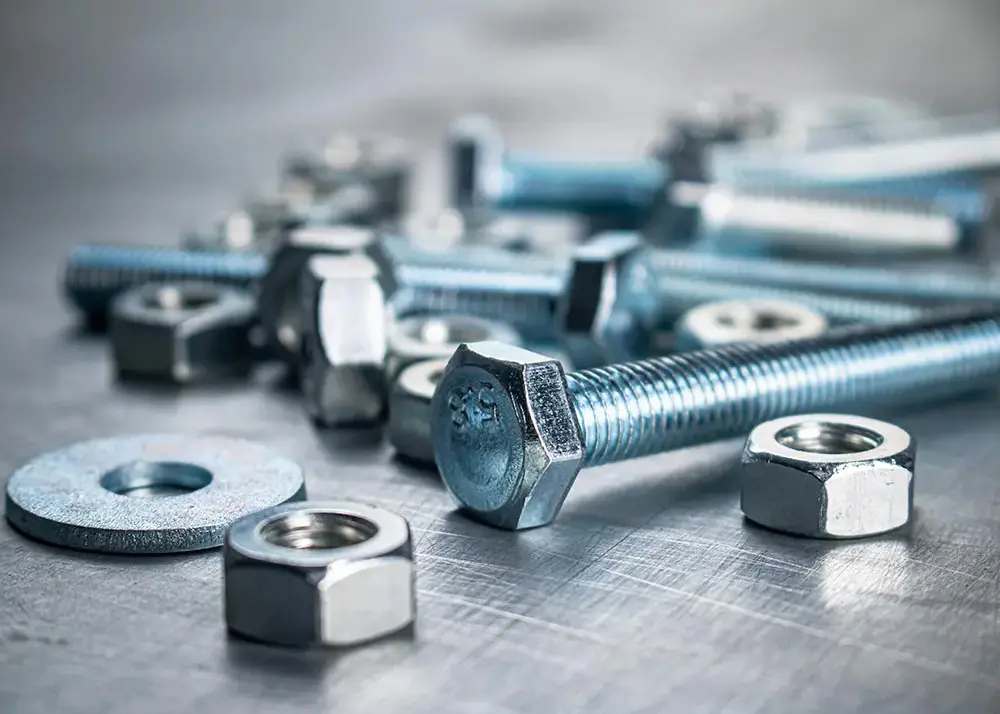
Exploring standard alignment, green metallurgy practices, and automation integration driving industry growth in 2025.
Read Article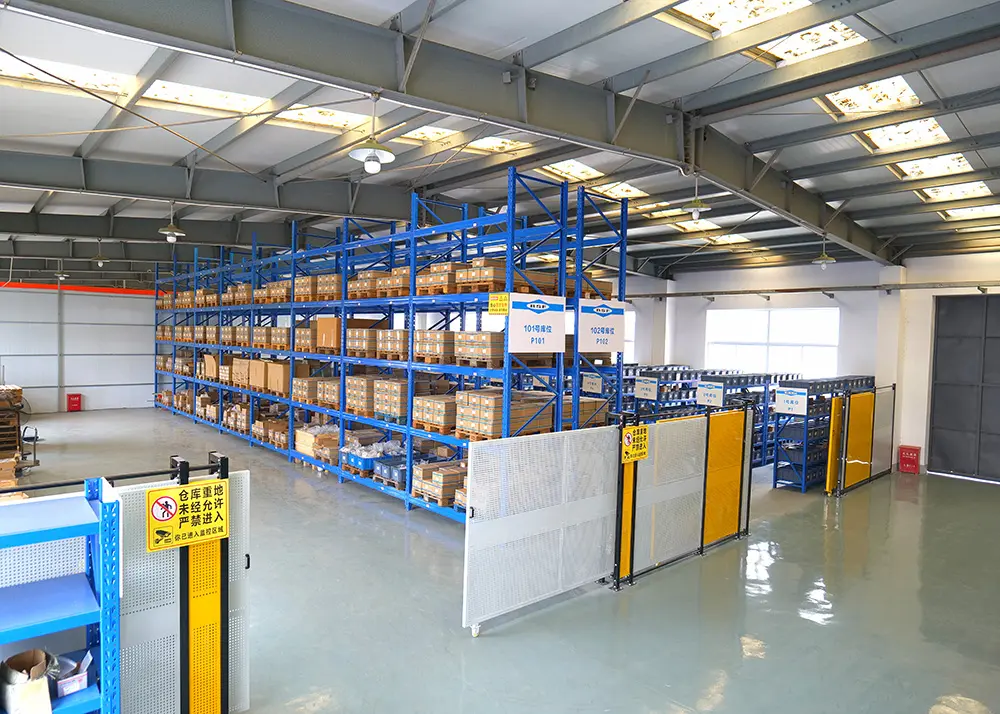
Our comprehensive facility modernization increases sorting throughput and improves lead-time guarantees for global partners.
Read Article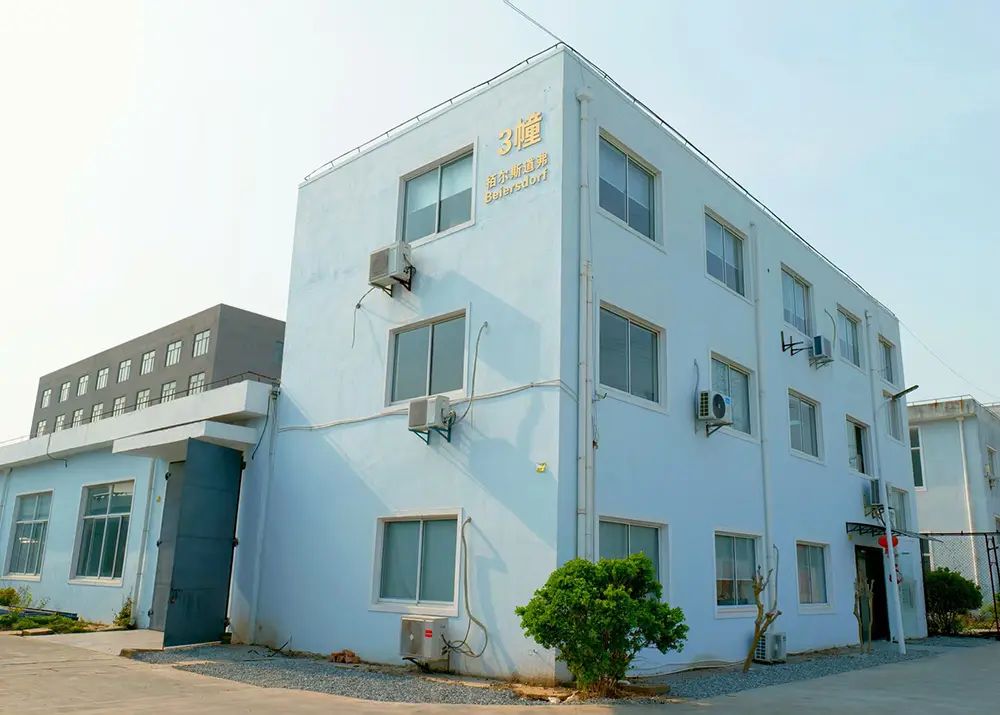
Looking back at our 2015 establishment in Shanghai and our development into a trusted partner for advanced alloy components.
Read ArticleBeiersdorf provides technical consultations and guidance for custom and standard fasteners. Our team offers support throughout your project life cycle, from early-stage material selection and pilot hole calculation to installation guidance and long-term maintenance inspections.
Contact our engineering and sales team 24/7 for technical support and order configurations.
Request a consultation and project evaluation.
 BSF
BSF