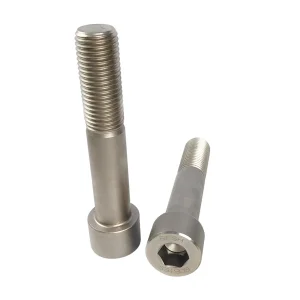
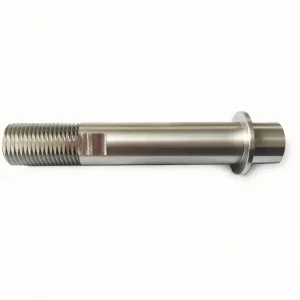
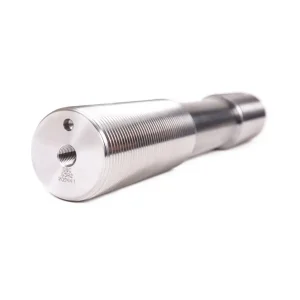
In the modern era of heavy industry, marine deployment, aerospace technology, and structural engineering, stainless steel screws and fasteners form the unsung foundation of physical safety, operational integrity, and mechanical longevity. Globally, the demand for fasteners is moving away from generic carbon-steel configurations and rapidly shifting toward highly specialized metallurgical grades. Industry sectors now require fasteners that can withstand harsh operating realities—such as chemical washdowns, offshore corrosion, cryogenic storage conditions, and superheated industrial exhausts.
Under the paradigm of modern Semantic Search, search queries reflect deeper user intent: technical procurers and engineers do not simply search for "cheap screws"; they search for "extreme-temperature corrosion-resistant high-tensile alloy fasteners."
This evolution is fueled by global initiatives across structural decarbonization, advanced energy pipelines, and deep-sea marine engineering. Fasteners must deliver predictable torque-tension relationships, resist hydrogen embrittlement, and eliminate mechanical creep under continuous vibrational stresses. The standard grades (like SUS304 and SUS316) are now complemented by super-austenitic, duplex, titanium, and nickel-based superalloys (such as Inconel 718 and Hastelloy), defining a new standard for high-performance fastening solutions.
Historically, mechanical designers treated fasteners as commoditized components. Today, as engineering boundaries push further into deep sea depths and extreme temperatures, fasteners are modeled as active load-bearing system interfaces.
Precision machining, micro-structural integrity testing, and raw material purity are critical parameters. The emergence of automated assembly robots additionally demands strict dimensional tolerances (less than ±0.01mm) to prevent thread jam cycles and manufacturing line downtime.
Beiersdorf Industrial Technology (Shanghai) Co., Ltd. integrates advanced metallurgical capabilities, precision cold forging, and robust quality control systems to support international OEM procurement programs.
We utilize strict sampling inspection methodologies alongside automated optical sorting systems to approach zero-defect targets for all structural parts.
Our organization maintains more than 100 utility model patented products and eight custom invention patents, optimizing metallurgical yield and precision thread geometry.
We manage nearly 100,000 product models, housing over 500 tons of specialized raw materials and maintaining 10,000 tons of finished stainless steel standard parts in stock.
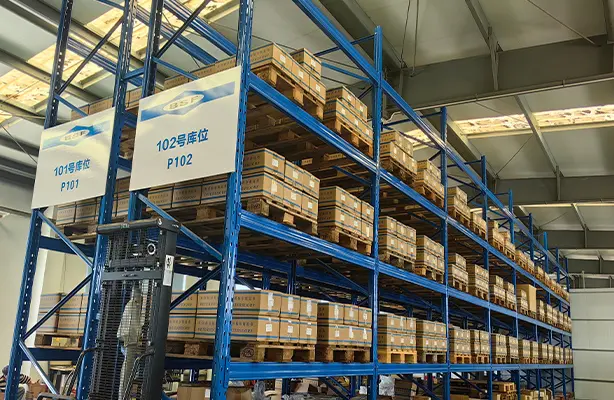
Purchasing professionals turn to Chinese manufacturers because of a complete industrial ecosystem. This includes rapid access to specialized smelting facilities, highly integrated supply chains, and advanced cold-heading technology. At Beiersdorf Industrial Technology (Shanghai) Co., Ltd., we combine this geographic and infrastructural advantage with precision process engineering and stringent quality control.
Our facility, located in Shanghai, enables rapid transit to international ports, reducing supply chain friction. Because we stock 500 tons of raw materials (from stainless steel grades, titanium alloys, nickel-based superalloys to cobalt alloys), we mitigate the risk of raw material cost volatility. This enables us to maintain fast lead times, even for complex custom fabrications.
Furthermore, manufacturing efficiency in China is driven by automation. Our automated multi-station cold-heading equipment, combined with thread-rolling machines and optical sorting units, allows us to run high-volume production with low variation. By lowering overhead through lean production principles, we provide custom parts that meet international standards (including DIN, ISO, ANSI/ASME, and JIS) at competitive total costs of ownership (TCO).
Different environments demand specific material properties. Explore the practical industrial scenarios where Beiersdorf fasteners are deployed:
Our marine-grade fasteners are designed to resist chloride-induced stress corrosion cracking and pitting in saltwater environments. They are widely used in specialized vessels, marine propulsion systems, offshore wind installations, oil drilling rigs, and port machinery.
Key Materials Deployed: High-performance A4-80, A5-80, D8-80, Duplex Steel 2205, Super Duplex 2507, L7 structural bolts, and Classification Society Certified Fasteners.
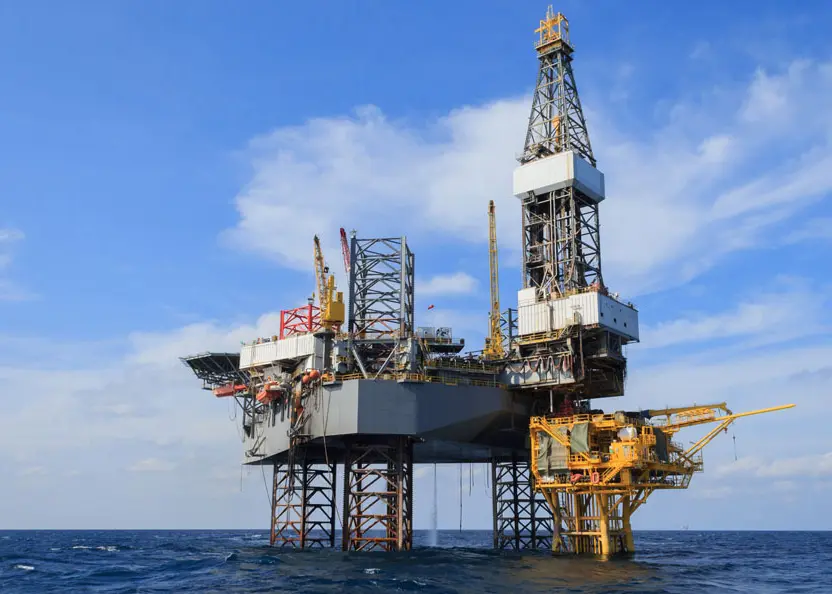
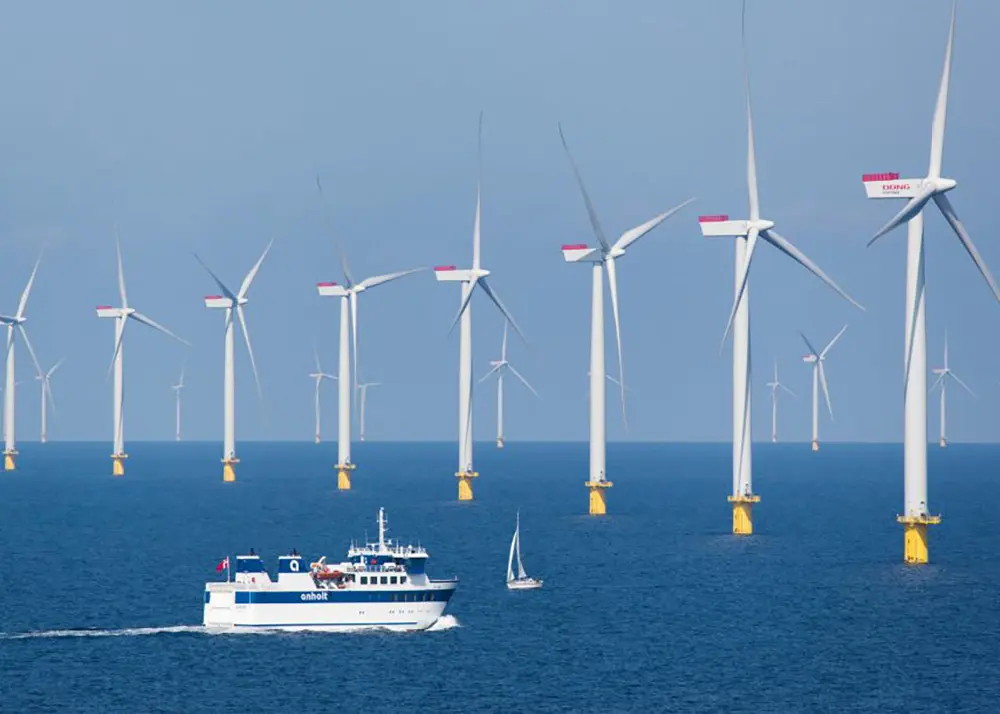
Industrial installations like petrochemical plants, power generation stations, and cryogenic storage facilities experience significant thermal shifts. We manufacture fasteners designed for cryogenic stability at -270°C as well as high-temperature integrity up to 1200°C.
Key Materials Deployed: Inconel 718, Nimonic, titanium alloys, and high-strength cobalt alloys that resist creep, oxidation, and embrittlement.
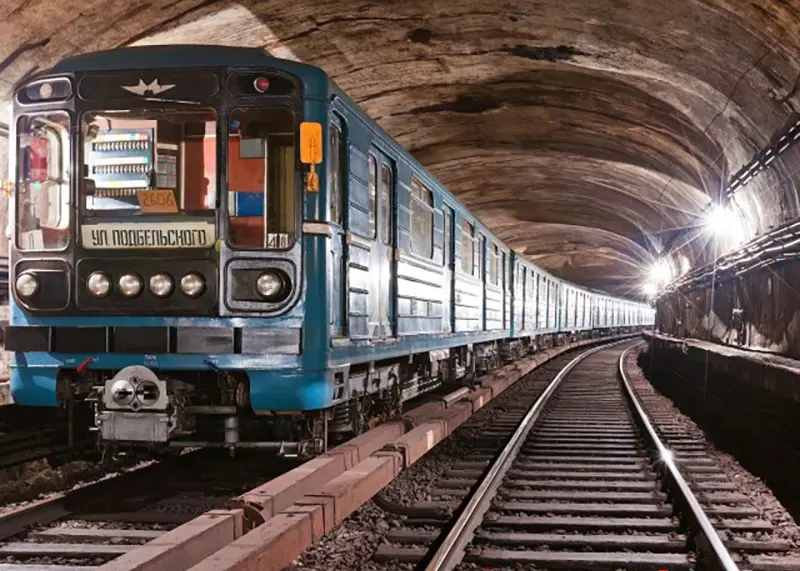
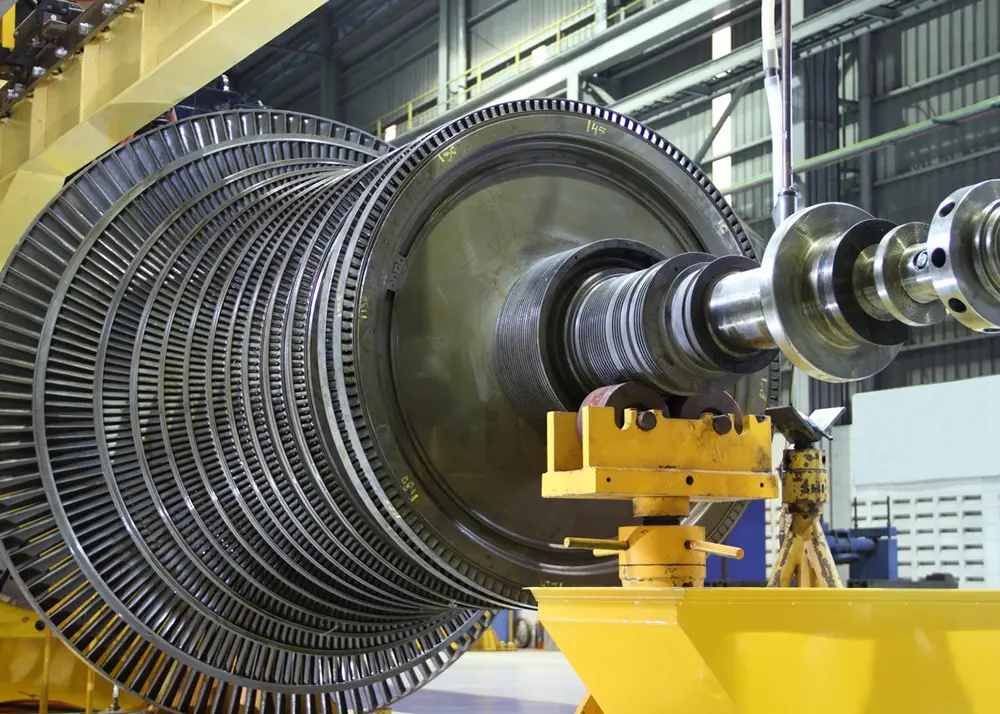
High-speed rail, magnetic resonance imaging (MRI) equipment, semiconductor lithography chambers, and telecommunication hubs require specific electrical and magnetic properties.
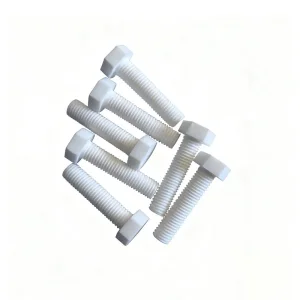
Key Solutions: Non-magnetic fasteners, low-density plastic fasteners, and ultra-high-precision CNC machined parts designed to prevent magnetic interference and limit electrical conductivity.

To enable lightweight construction across automotive, aerospace, and energy sectors, there is a clear trend toward high-tensile fasteners. Designing components that can exceed 1900 MPa of tensile strength allows engineering teams to use smaller threads and fewer fasteners overall, reducing structural mass.
Traceability is critical in safety-sensitive applications. Modern quality control incorporates digital tracking, lot-specific material analysis (PMI), and electronic testing certifications. Digital verification ensures that material performance matches application specifications.
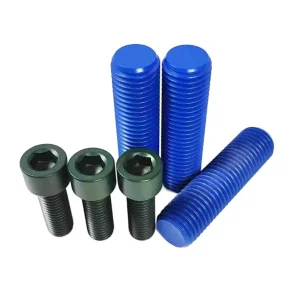
Traditional cadmium and hexavalent chromium coatings have been phased out due to environmental regulations. Modern finishing uses eco-friendly zinc-flake, PTFE, or specialized passivation treatments. These protect fasteners against high-stress atmospheric conditions and chemical exposure.
When evaluating suppliers for critical industrial fasteners, consider these engineering requirements:
Verify that your supplier performs Positive Material Identification (PMI) testing. Even slight deviations in nickel, chromium, or molybdenum content can lead to premature mechanical failure in corrosive environments. Request EN 10204 3.1 Material Certificates for complete traceability.
Mating parts must align correctly to ensure uniform load distribution. For automated assembly lines, specify fasteners with class 6g (bolts) and 6H (nuts) thread tolerances. This minimizes cross-threading issues during installation.
Evaluate your supplier's testing capabilities. High-performance fasteners should undergo tensile testing, yield strength verification, hardness testing (Vickers or Rockwell), and impact testing (especially for cryogenic applications down to -270°C).
For marine, rail, or heavy structural applications, verify that the manufacturer holds relevant classification society certifications (such as DNV, ABS, or CCS). This ensures compliance with international maritime and safety standards.
At cryogenic temperatures, many structural steels undergo a ductile-to-brittle transition, making them susceptible to sudden impact failure. To prevent this, cryogenic applications require materials that maintain impact toughness and ductility. Austenitic stainless steels like 316, 316L, and customized nickel-based superalloys (such as Inconel 718) retain their face-centered cubic crystal structure at low temperatures. This ensures they resist brittle fracture even in liquid helium environments (-269°C).
While A4-80 (Grade 316) offers good general corrosion resistance, duplex stainless steels like 2205 (UNS S31803/S32205) feature a dual-phase microstructure consisting of approximately 50% ferrite and 50% austenite. This structure provides higher yield strength (roughly twice that of standard austenitic steels) and improved resistance to localized pitting, crevice corrosion, and chloride-induced stress corrosion cracking (SCC) in marine splash zones.
Achieving tensile strengths up to 1900 MPa requires a combination of high-purity alloy selection, precision cold deformation (which induces strain hardening), and controlled heat treatment processes. Precipitation-hardening alloys (such as 17-4PH or Inconel 718) undergo solution annealing followed by age hardening to precipitate intermetallic phases that block dislocation movements within the metal matrix. This significantly increases both tensile and yield strengths.
Thread rolling is a cold-forming process that plastically deforms the metal rather than cutting through its grain structure. This process aligns the metal grain flow lines with the thread profile, strengthening the thread root and increasing resistance to fatigue failure. Additionally, cold working during thread rolling improves surface finish and hardness, reducing the risk of thread galling during installation.
Thread galling occurs when sliding pressure generates friction between mating threads, causing the protective chromium oxide layer of the stainless steel to break down. This leads to micro-welding between surface asperities, which can lock the threads during assembly. Galling can be prevented by maintaining close dimensional tolerances, utilizing different alloy grades with varying hardness values for the bolt and nut, using anti-galling lubricants (like molybdenum disulfide), or applying surface treatments like PTFE or silver plating.
Beiersdorf provides both standard fasteners and technical support. Our team assists with material selection, dimensional optimization, and application review for new engineering projects.
Our team handles structural reviews, corrosion compatibility analysis, and custom prototyping to ensure fasteners perform reliably in their intended environment.
Need customized engineering support? Send us your specifications.
The fastener industry is evolving beyond mechanical assembly to address sustainability goals. The adoption of lead-free brass, chrome-free passivation coatings, and bio-based lubricants is reshaping the global manufacturing landscape.
Read Full Report →To support high-volume OEM programs, we are updating our Shanghai warehouse with automated retrieval systems (ASRS). This expansion increases our capacity to store finished fasteners and specialized raw alloys.
Read Full Report →Since 2015, Beiersdorf Shanghai has supplied industrial fasteners and precision components. Our team works directly with engineering clients to develop solutions for demanding applications.
Read Full Report →Beiersdorf ships precision fasteners to engineering projects worldwide, with distribution networks across Europe, North America, East Asia, and the Middle East.


 BSF
BSF