Explore our custom manufactured fasteners engineered to handle severe temperatures, vibration, structural load, and corrosive conditions.
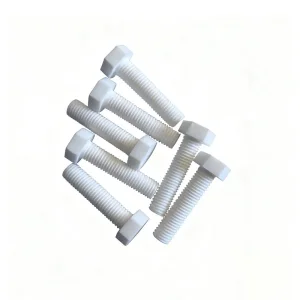
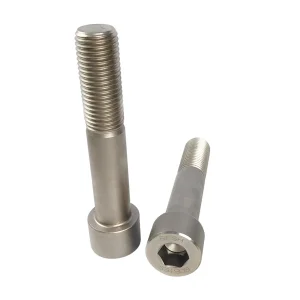
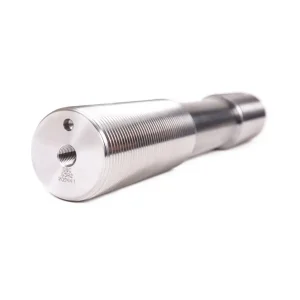
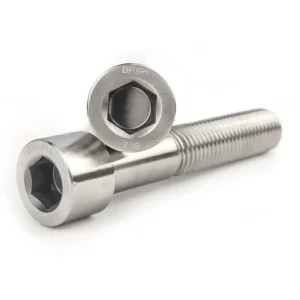
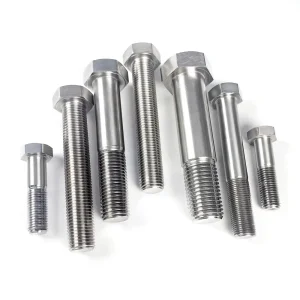
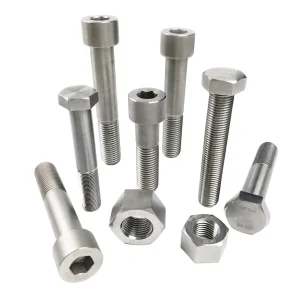
We have formulated the most stringent sampling inspection system, striving for flawless output from our advanced factory floor.
Currently, our entire group holds more than 100 utility model patented products and 8 proprietary invention patented products.
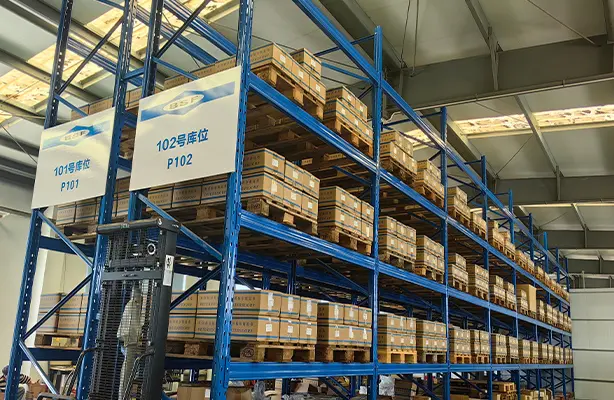
Operating 100k+ models with 500 tons of special raw materials and 10,000 tons of finished stainless steel standard parts in stock.
In modern structural and assembly engineering, the choice of fastening solutions dictates the integrity, lifespan, and safety of the final system. Custom Self-Tapping Sheet Metal Screws are not merely basic joining elements; they are high-precision mechanical tools designed to tap their own mating threads in metals, plastics, and highly alloyed sheets. This eliminate the need for pre-tapping operations, significantly reducing production cycle times while providing exceptional thread engagement.
Depending on application stress vectors and chemical exposures, engineering teams specify either thread-cutting or thread-forming mechanics. Thread-cutting screws feature integrated cutting edges or chips cavities that physically remove material from the host plate, making them ideal for high-hardness materials where high driving torque must be mitigated. Thread-forming screws, conversely, displace material outward without creating metal filings, creating a tight, vibration-resistant fit through cold flow and grain boundary realignment of the substrate.
Our manufacturing floor at Beiersdorf Industrial Technology (Shanghai) Co., Ltd. applies advanced metallurgical control to manipulate yield strength, fatigue endurance, and corrosion thresholds. Utilizing alloy systems like titanium, duplex stainless steel (such as 2205), and superalloys, we create fasteners capable of maintaining clamping load across wide temperature variations from cryogenic cold (-270°C) to intense heat up to 1200°C.
When engineering self-tapping screws for sheet metal applications, the stress concentrations under the screw head and along the lead thread profile require detailed analysis. Finite Element Analysis (FEA) indicates that the transition zone from the unthreaded shank to the fully threaded body carries high tension levels. Consequently, customizing the thread pitch, lead angle, and point style (such as Point Type AB, Type B, or Type F) is crucial to avoid assembly failures.
For extreme industrial environments, material selection dictates the long-term success of the installation. For instance, in marine environments, using 316 stainless steel with custom molybdenum content prevents pitting and crevice corrosion. Meanwhile, applications in petrochemical processing require high-nickel superalloys to resist hydrogen embrittlement and stress corrosion cracking.
Beiersdorf Industrial Technology (Shanghai) Co., Ltd. was established in 2015 and is located in Shanghai, China. We specialize in custom-engineered special fasteners and ultra-high precision mechanical components.
“Product quality is the foundation for an enterprise's survival.”
“Heart to sunshine, everything to prosperity”

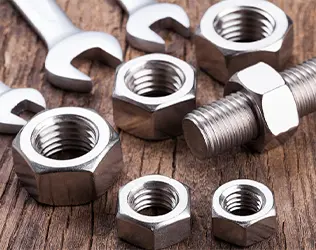
How Chinese raw material access, logistical scaling, and high-tech quality controls provide key cost and quality advantages for global businesses.
China’s domestic industrial framework provides a solid backbone for high-performance fastener manufacturing. As a major global producer of advanced industrial metals, the raw material pipeline in China is highly integrated. This allows us to source premium materials—like high-grade titanium wire, specialized inconel alloys, and non-magnetic stainless steel—directly from domestic mills with minimal transport latency.
By integrating these raw material pipelines directly with our manufacturing facilities in Shanghai, Beiersdorf minimizes transit overheads and material degradation. The result is a highly reliable supply chain that shields global clients from material price spikes and export delays, ensuring steady pricing and reliable production schedules.
Additionally, we maintain a raw material buffer of over 500 tons. This stock allows us to run production lines without interruptions, even during sudden market shifts, securing stable pricing for contract buyers.
Our Shanghai plant operates advanced multi-station cold-heading machines and automated thread rollers, ensuring high-speed output with precise consistency. Cold-heading forces the metal grain structure to follow the screw's contours, increasing shear strength and load capacity compared to machined fasteners.
To meet high precision standards, we employ real-time optical sorting machines that inspect 100% of the production run. Using high-resolution CCD cameras, these systems identify dimensional anomalies down to the micron level, checking thread pitch, head concentricity, and point geometry. This systematic approach allows us to deliver a zero-defect product line, keeping assembly operations smooth for our clients.
Our R&D team holds over 100 utility patents, working to optimize thread profiles for specific sheet metals. This focus helps reduce drive torque requirements while maximizing stripping resistance.
From maritime hulls to high-density server racks, our custom fasteners are engineered for peak performance across diverse operating environments.

Certified marine fasteners built to withstand salt-spray and galvanic corrosion in deep-sea vessels and offshore drilling platforms.

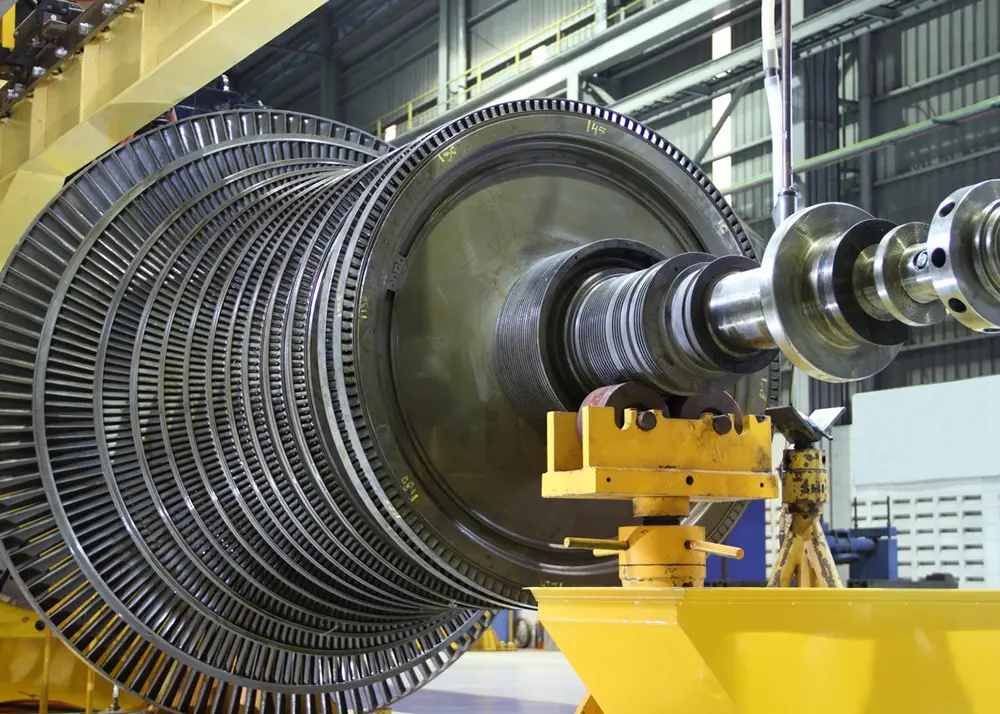
Designed to maintain structural integrity under high temperatures and thermal cycling in power plant generators and turbines.
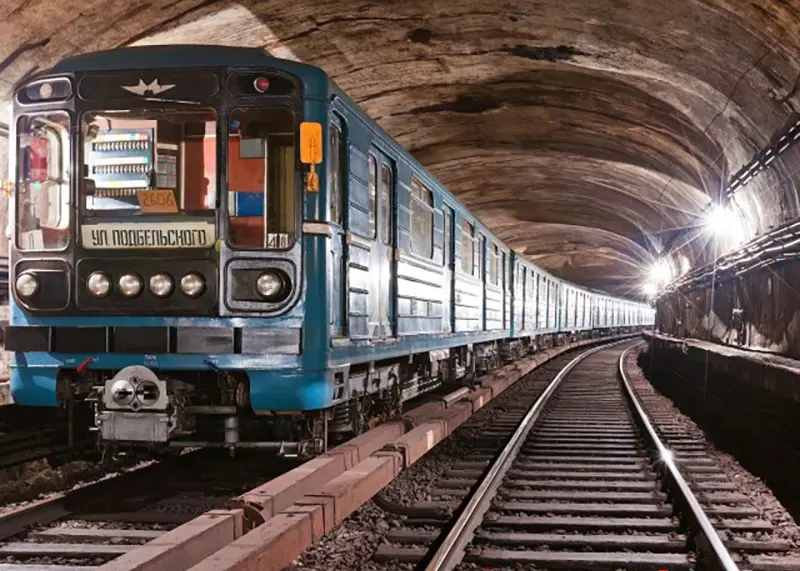
Vibration-resistant fasteners engineered to handle mechanical shock and dynamic loads in high-speed rail systems.

Ultra-precision, non-magnetic fasteners designed to avoid interference in high-frequency network systems and hardware racks.
Corrosion-resistant fasteners designed for aggressive environments containing sour gas, acids, and chemical vapor.
Operating as an international industrial partner requires strict compliance with global quality and safety standards. At Beiersdorf, our custom self-tapping sheet metal screws and industrial fasteners are fully certified to meet RoHS, REACH, and CE directive requirements. This ensures our products are safe for integration into consumer goods, automotive systems, and medical equipment in the European Union, North America, and other regulated markets.
For marine installations, our fasteners are certified by the China Classification Society (CCS). This certification verifies that our marine-grade fasteners maintain structural performance under high hydrostatic pressures and aggressive saltwater environments. We also offer certifications under major classification societies like DNV-GL, ABS, and Lloyd’s Register on demand.
Our raw materials are fully traceable from the initial melting phase. Every shipment is backed by Mill Test Certificates (MTCs) conforming to EN 10204 3.1 standards. This documentation details chemical composition, tensile strength, yield strength, elongation, and hardness test results, providing engineers with full quality transparency.
Engineering is more than just delivering products. Our technical support team assists customers at every stage, including torque calculation, material selection advice, and pilot hole design optimization. We collaborate directly with your engineering department to prevent typical self-tapping assembly issues, such as sheet stripping or screw shearing.
We optimize logistics through a network of distribution centers and localized partners across North America, Europe, and Southeast Asia. By keeping a large inventory of standard stainless steel fasteners in stock, we help clients minimize lead times and avoid critical production delays.
For custom designs, our engineering team works with your drawings and CAD models to quickly generate prototypes, accelerating your product development cycle.
Stay informed with the latest updates from the fastener industry, including technical innovations, standardization trends, and our facility upgrades.
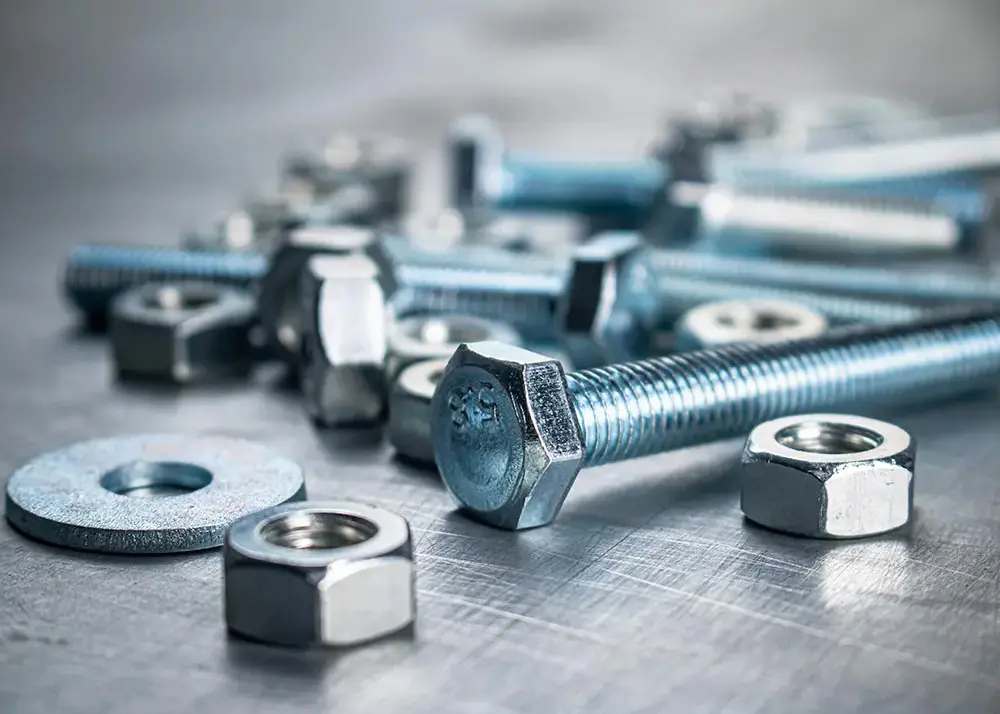
Discover how sustainable manufacturing, raw material tracking, and automated sorting systems are shaping the future of global industrial assembly...
Read Full Article →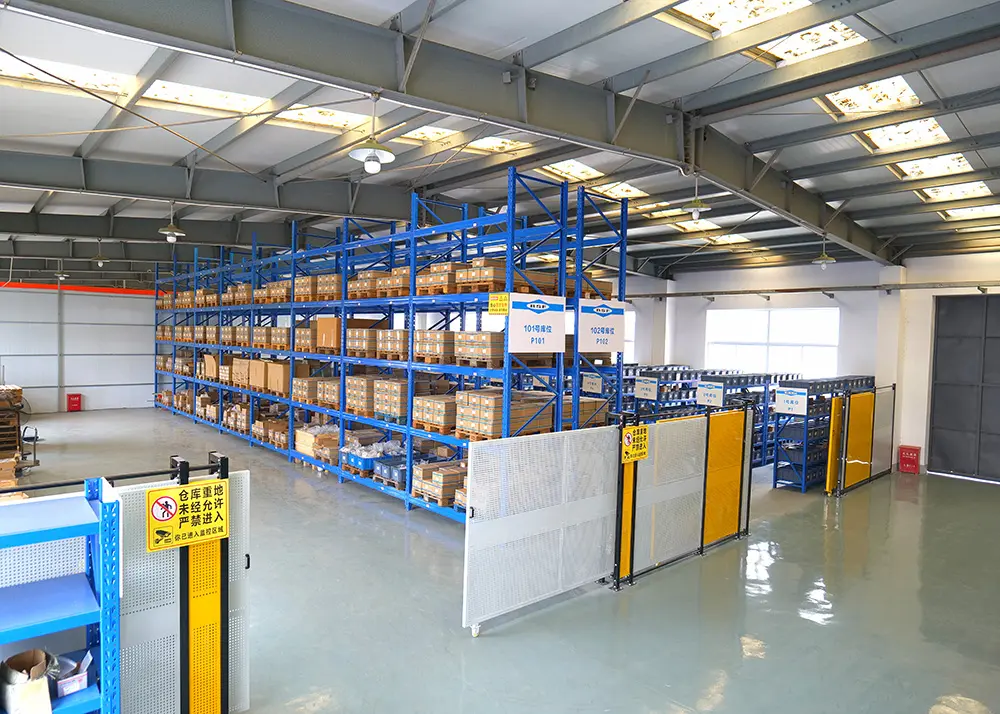
We have upgraded our central warehousing facilities in Shanghai with automated picking systems, significantly reducing global order processing times...
Read Full Article →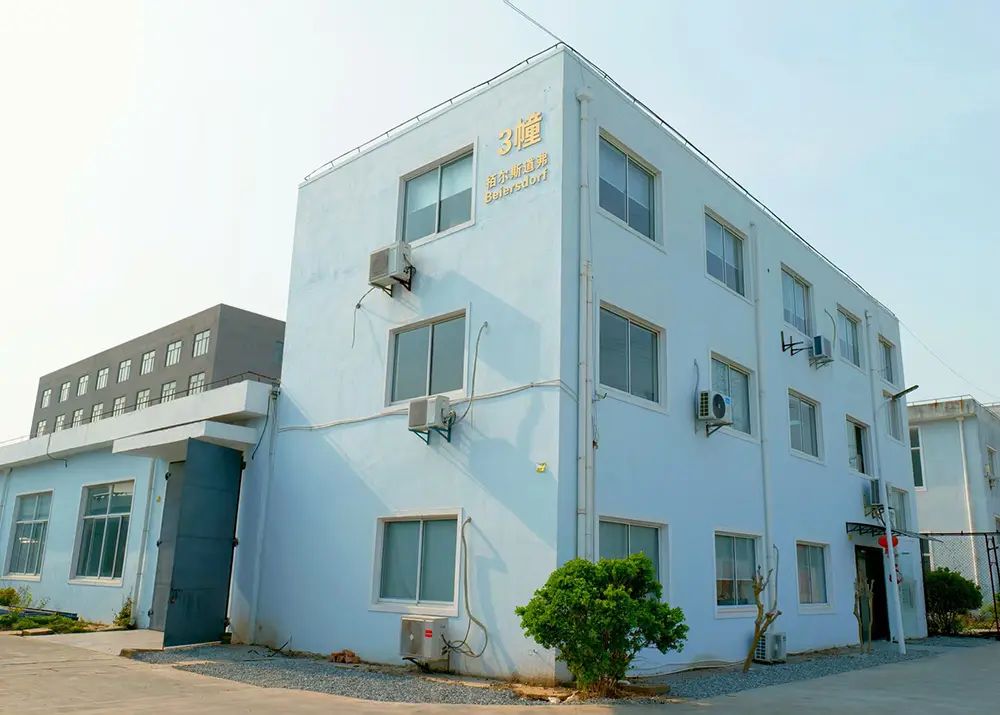
Founded in 2015, Beiersdorf Industrial Technology remains committed to developing reliable, high-performance fastening solutions for severe industrial environments...
Read Full Article →We export high-performance fasteners globally, supporting industrial infrastructure and manufacturing across major industrial hubs.

Clear, engineering-focused answers to common queries regarding self-tapping screws and specialized industrial fasteners.
Beiersdorf provides more than just standard fasteners. Our engineering team is ready to assist with material selection, custom designs, and performance testing for your project. Contact us for a quote or technical support.
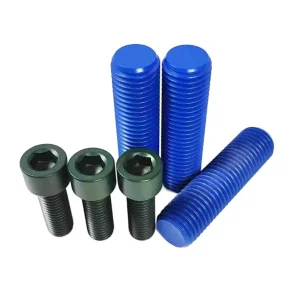
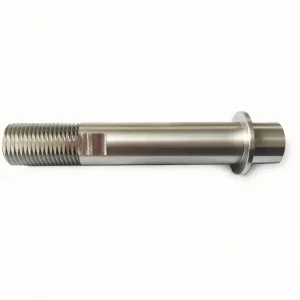
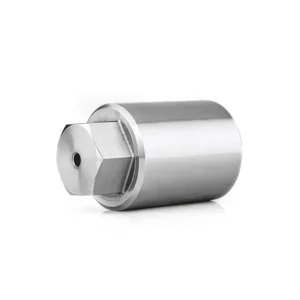
Browse our custom bolts, high-precision machined parts, and extreme-temperature fasteners built for challenging industrial environments.
 BSF
BSF