High Strength Alloy Fasteners Exporters & Product in Austria

Precision Engineering & High-Temperature Cryogenic Fastening Systems

Austrian Industrial Landscape & Specialized Fastener Requirements

Austria’s industrial core demands exceptionally high mechanical standards, driven by leading sectors such as precision automotive engineering in Styria, complex cableway machinery in the Tyrolean Alps, and state-of-the-art aerospace structures fabricated in Upper Austria. For operations within these challenging domains, standard steel fasteners are completely inadequate. High-strength alloy fasteners are essential structural elements that must withstand severe cyclic loading, immense shear stress, and acute temperature variances.

Beiersdorf Industrial Technology provides custom fastening solutions engineered for these specific industrial demands. From high-integrity classification society marine components to non-magnetic structural fasteners designed for modern diagnostic imaging equipment, our product catalog represents decades of alloy research and heat treatment expertise. By focusing on critical tolerances and advanced chemical profiles (such as Inconel, Grade 12.9 carbon alloys, and titanium-modified stainless steels), we guarantee consistent mechanical reliability across all extreme European operational sectors.

Featured Industrial Fastening Solutions

Examine our highly specialized fastener portfolio optimized for Austrian engineering firms and alpine structural installations.
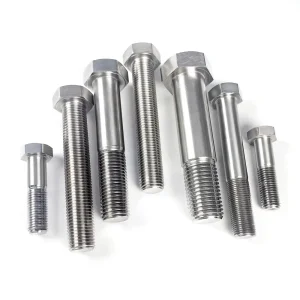
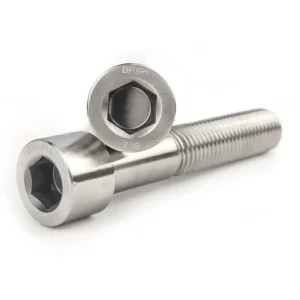
High Strength Alloy Fasteners for Alpine Environments

Austria-Grade High-Strength Alloy Fasteners: Ultra-High Tensile Solutions for Alpine Infrastructure

View Detailed Specifications
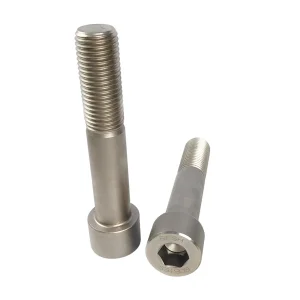
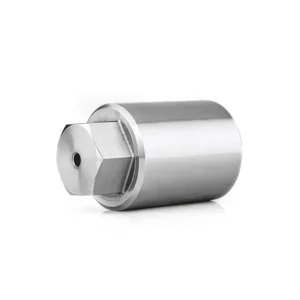
Non-Magnetic Precision Fasteners

Non-Magnetic Precision Fasteners for Austrian Semiconductor and High-End Diagnostic Machinery

View Detailed Specifications
High Temperature Alloy Studs

High-Temperature Alloy Studs & Bolts for Austrian Power Plants and Industrial Furnaces

View Detailed Specifications
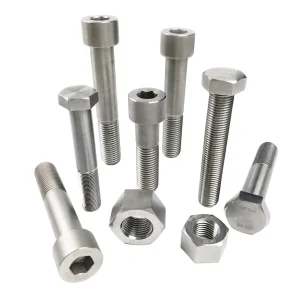
Special Material Fasteners for Austria

Special Material Fasteners for Austria: Titanium & Nickel-Alloy Solutions for Extreme Aerospace Operations

View Detailed Specifications

Austria's High-Stress Applications & Localization Scenarios

The topography and climate of Austria introduce specific physical challenges to engineering structures. For example, local mountain cableway systems (including passenger gondolas and cargo lifts) must maintain complete joint integrity when exposed to significant wind shear and operating temperatures down to -30°C. In such environments, standard fasteners can suffer from cold embrittlement, which poses critical structural risks.

Our specialty low-temperature fasteners are designed to maintain excellent impact strength and ductility under cryogenic and sub-zero conditions. Additionally, our high-strength stainless steel and Inconel configurations provide high corrosion resistance, protecting components against alpine atmospheric moisture and road-deicing salts.

Similarly, the local manufacturing hubs around Graz and Linz place heavy demands on material specifications. Our precision non-magnetic fasteners are ideal for medical diagnostic devices (such as MRI scanners) and high-frequency instrumentation, preventing magnetic interference and maintaining joint tightness in complex, high-vibration systems.
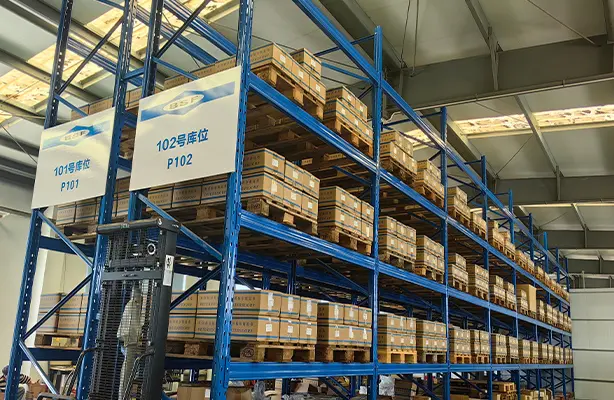
Beiersdorf Advanced Industrial Fasteners Manufacturing Facility

Global Fastener Trends and Material Science Roadmap

The global high-strength fastener industry is undergoing a structural shift toward lightweight alloys, higher corrosion resistance, and sustainable life-cycle profiles. Emerging technologies such as aerospace hydrogen propulsion and deep-sea exploration require materials that remain stable under extreme pressure and temperature conditions.

Advanced High-Temp Superalloys

Fasteners that can withstand heat cycles up to 1200°C without significant creep or oxidation. Essential for power-generation turbines, industrial incinerators, and next-generation propulsion systems.

Sub-Zero & Cryogenic Integrity

Materials engineered to withstand temperatures down to -270°C. This level of thermal resistance is crucial for superconducting systems, liquid hydrogen storage, and space-bound structures.

Non-Magnetic Polymer Materials

Replacing heavy metals in non-structural designs. Engineered thermoplastics and polymer compounds provide excellent weight reduction, total electromagnetic transparency, and high chemical resistance.

Beiersdorf’s R&D is focused on high-tensile fasteners that minimize risk from hydrogen embrittlement. Through precise heat treatment and surface coatings, we ensure our high-strength alloys retain their structural integrity in challenging environments.

100+
Utility Patents
500t+
Special Alloy Stock
1,900 MPa
Max Tensile Strength
2,535m²
Advanced R&D Center

About Beiersdorf Industrial Technology (Shanghai) Co., Ltd.

Established in 2015, Beiersdorf Industrial Technology (Shanghai) Co., Ltd. specializes in engineering high-end, custom fasteners and ultra-high-precision components. From our production base in Shanghai, we serve global high-technology sectors. Under the principle that "Product quality is the foundation for an enterprise's survival," our engineering teams focus on high-precision fasteners designed for extreme industrial applications.

We manage a diverse catalog of specialized raw materials, holding over 500 tons in stock alongside 10,000 tons of finished stainless steel standard parts. Our quality control system uses strict sampling inspection protocols to aim for zero defects, ensuring that all dispatched items meet international industrial standards.

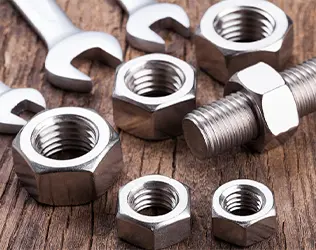
Testing equipment 1 Testing equipment 2 Testing equipment 3

Macro-Industry Engineering Solutions

Our high-strength fasteners are designed to support major international infrastructure and industrial manufacturing projects.

Shipbuilding & Marine Operations

Used in deep-sea exploration, offshore oil platforms, propulsion installations, and underwater systems. We supply certified corrosion-resistant alloys, including duplex stainless steel (2205), Super A4-80, and D8-80 alloys, designed to resist chloride pitting and stress corrosion cracking.

Energy Generation

Supplying specialized high-tensile, high-temperature fasteners for high-pressure boilers, gas turbines, and renewable energy installations. These fasteners provide creep resistance and thermal-fatigue durability up to 1200°C.

Rail Transit & Rolling Stock

Our fasteners are used in structural undercarriages, high-speed bogies, and rail suspension points. Engineered to resist loosening under constant vibrational frequencies and heavy loads, these products support safe rail transit operations.

Complete Product Catalog & Technical Directory

Explore our complete range of specialized fastener systems, engineered to meet demanding structural requirements across diverse industries.
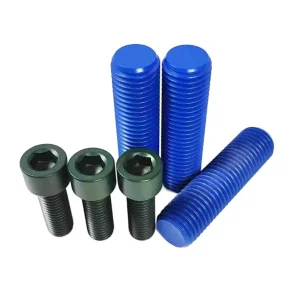
Non-Magnetic High-Strength Fasteners for Austria

Non-Magnetic High-Strength Fasteners for Austrian High-Speed Rail & Cryogenic Instrumentation

Technical Data Sheet
Precision Non-Magnetic Aerospace Fasteners

Precision Non-Magnetic Aerospace Fasteners Custom-Designed for Graz and Vienna Engineering Hubs

Technical Data Sheet
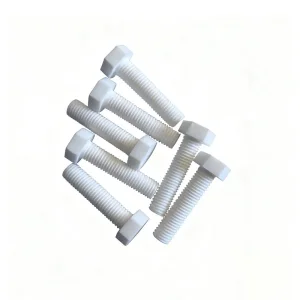
Lightweight Chemical-Resistant Polymer Fasteners

Lightweight Chemical-Resistant Engineering Polymer Fasteners for Austrian Wastewater Systems

Technical Data Sheet
Cryogenic Temperature Heavy Hex Bolts

Cryogenic Temperature Heavy Hex Bolts for Austrian Alpine Cableways and Wind Turbines

Technical Data Sheet
Inconel Superalloy Fasteners

Inconel Superalloy Fasteners for Austrian Aerospace Propulsion & High-Pressure Turbine Systems

Technical Data Sheet
Low-Temperature Structural Fasteners

Low-Temperature Structural Fasteners for Liquid Nitrogen & Alpine Environments in Linz

Technical Data Sheet
Corrosion-Resistant Low-Temp Anchor Bolts

Corrosion-Resistant Low-Temp Anchor Bolts for Central European Rail Infrastructure

Technical Data Sheet
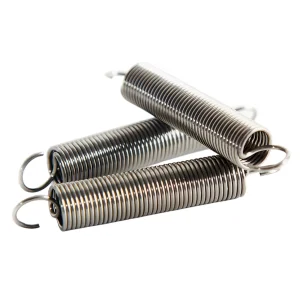
High-Tensile Special Alloy Spring Wire

High-Tensile Special Alloy Spring Wire for Precision Automotive Valves in Styria

Technical Data Sheet

Frequently Asked Technical Questions (FAQ)

Understand the metallurgical principles, mechanical specifications, and application parameters of high-strength alloy fasteners.

What defines an "ultra-high-strength" fastener, and how does it prevent hydrogen embrittlement?
Ultra-high-strength fasteners are defined as having a tensile strength exceeding 1040 MPa (such as ISO Class 10.9, 12.9, or higher). Hydrogen embrittlement is a critical failure mode where atomic hydrogen diffuses into the metal lattice, causing cracking under load. We prevent this through precise control of raw material chemical purity (low phosphorus and sulfur), post-plating baking cycles within a critical time window, and the option to use non-electrolytic coatings like zinc flake (Geomet) that avoid hydrogen generation.
Why are Inconel and titanium alloys preferred over standard grades for high-temperature applications?
Standard carbon steels undergo significant grain growth and rapid oxidation when exposed to temperatures above 400°C, leading to loss of tensile properties. Inconel (such as Inconel 718 or 625) forms a protective, stable oxide layer that resists thermal degradation and creep up to 1200°C. Titanium alloys provide high strength-to-weight ratios and resist oxidation at moderate temperatures, making them suitable for critical aerospace propulsion systems.
How does Beiersdorf guarantee dimensional accuracy and structural integrity for precision parts?
Our manufacturing facilities utilize high-precision CNC multi-axis machining and automated thread-rolling technologies. Every batch undergoes strict non-destructive testing (NDT), including magnetic particle inspection (MPI) to detect surface defects and ultrasonic testing for internal flaws. We also perform spectral analysis to verify chemical compositions and tensile tests to confirm mechanical properties, ensuring complete compliance with client specifications.
What specific certifications apply to classification society fasteners used in marine engineering?
Fasteners used in marine applications must meet strict requirements from classification societies (such as DNV, Bureau Veritas, Lloyd's Register, or ABS). These regulations govern trace chemical verification, Charpy impact toughness testing at sub-zero temperatures, and corrosion resistance metrics. We supply fasteners certified under EN 10204 3.1 or 3.2 material standards, ensuring clear material traceability from melting to final manufacturing.
How do low-temperature fasteners maintain structural stability in cryogenic conditions?
Most ferritic steels experience a ductile-to-brittle transition temperature (DBTT) as temperatures drop, making them prone to sudden catastrophic failure under load. Our low-temperature fasteners utilize specialized austenitic stainless steels or nickel-chromium alloys that retain their FCC crystal structures at cryogenic levels (down to -270°C). This design prevents brittle fracturing in liquid nitrogen processing, space applications, and extreme sub-zero environments.

Secure High-Strength Fasteners for Your Next Engineering Project

For specialized engineering assistance, material specification inquiries, or custom quotation requests, contact our engineering sales department. We provide detailed technical consultation and material testing reports for all critical projects.

Send Inquiry Now Call Us: +86(0)21-38022886